

Lake Huron is a freshwater giant that rarely gets top billing, yet it quietly delivers some of the Great Lakes region’s most rewarding travel experiences. Stretching between Michigan and Ontario, its 3,800-mile shoreline is a mosaic of islands, historic lighthouses, soft-sand beaches, rugged cliffs and quiet harbor towns.
Whether you are road-tripping, paddling, cycling or simply hunting for the perfect sunset, there are countless ways to explore this inland sea. The following guide highlights ten of the very best things to do around Lake Huron today, spanning both the American and Canadian shores.
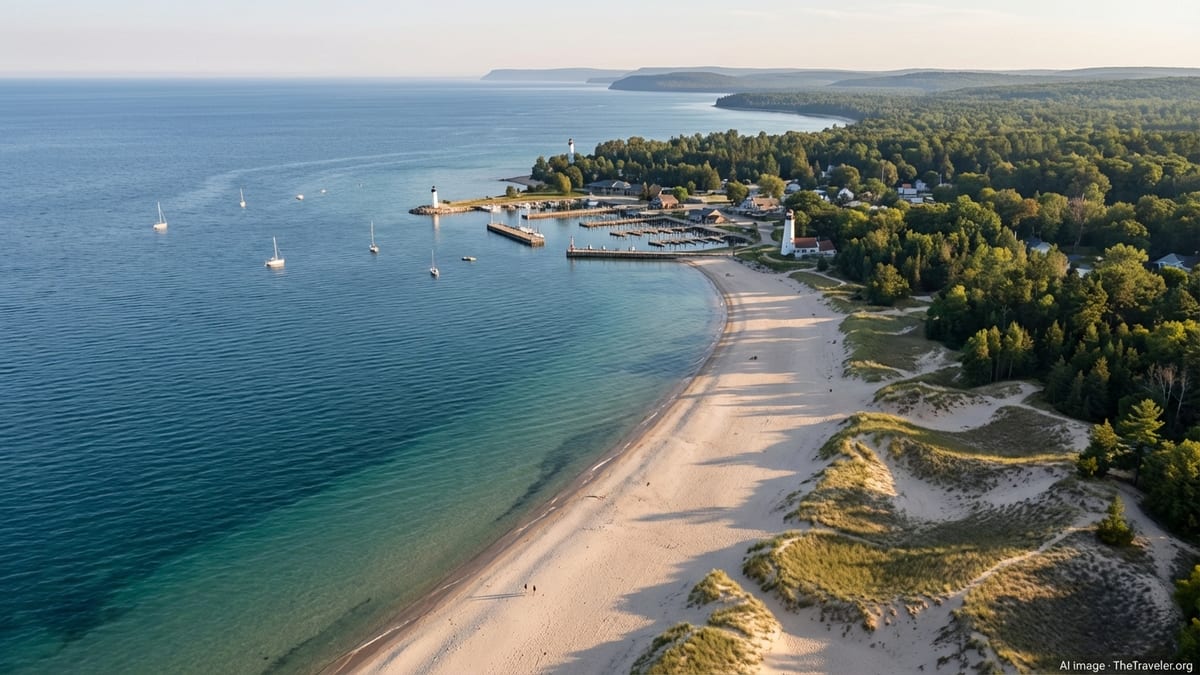
1. Step Back in Time on Mackinac Island
Mackinac Island, floating at the meeting point of Lake Huron and the Straits of Mackinac, is the classic Lake Huron escape. With its ban on cars, Victorian architecture and forested bluffs, the island feels like a living museum set amid some of the clearest water in the Great Lakes. It is also one of the easiest marquee destinations to fold into a Lake Huron itinerary, with passenger ferries from Mackinaw City and St. Ignace operating seasonally.
Stroll the Car‑Free Streets and Waterfront
The heart of Mackinac Island is its compact, walkable downtown, lined with 19th century storefronts, verandas and horse-drawn carriages. Shops, fudge makers and inns crowd the harborfront, giving the first few blocks a festive, resort-town feel. Because motor vehicles are not allowed for visitors, the pace is human-scale: you get around on foot, by bike or by carriage.
Plan at least a few unstructured hours to wander the waterfront boardwalk, pause at the marina and watch ferries come and go, and duck into side streets where the island’s quieter neighborhoods begin. It is easy to step off the main strip and find pocket parks or benches with uninterrupted views of Lake Huron’s blue-green water.
Bike the Lakeshore and Climb to Scenic Lookouts
One of the most popular activities on Mackinac Island is cycling the 8-mile road that loops the shoreline. The route is mostly flat and hugs the water’s edge, with frequent places to pull over for photos, skip stones or wade in the shallows. Bike rentals are widely available near the ferry docks, with everything from single-speeds to tandems and tag-alongs for families.
Beyond the perimeter road, a network of interior trails leads up to elevated lookouts such as Arch Rock and Fort Holmes. These viewpoints showcase sweeping vistas over Lake Huron, especially beautiful in late spring and autumn when the hardwood forests are in full color. Allow time to combine a shoreline loop with an inland climb for a more complete sense of the island’s varied terrain.
Explore Fort Mackinac and Island History
Perched on a bluff above the harbor, Fort Mackinac dates to the late 18th century and anchors the island’s military and fur trading history. Today, costumed interpreters, restored buildings and exhibits illustrate life on this strategic outpost that once controlled passage between Lake Huron and Lake Michigan.
Visitors can tour barracks, officers’ quarters and the fort walls, many with commanding views across the Straits. Combined with a visit to smaller sites like the historic downtown cottages and churches, it provides helpful context for understanding how commerce and conflict shaped this corner of the Great Lakes.
2. Discover Ontario’s Bruce Peninsula and Tobermory
On Lake Huron’s Canadian side, the Bruce Peninsula is widely regarded as one of the most striking stretches of shoreline anywhere on the Great Lakes. The narrow finger of land separates Georgian Bay from the open lake and culminates at Tobermory, a small harbor town that serves as a gateway to national parks, dramatic cliffs, turquoise coves and a world-class shipwreck preserve.
Hike the Clifftops of Bruce Peninsula National Park
Bruce Peninsula National Park protects a rugged landscape of limestone bluffs, caves and dense forest along the Georgian Bay side of the peninsula. The most iconic destination within the park is the Grotto, a wave-carved sea cave and pool where astonishingly clear water glows in shades of blue and aquamarine on sunny days.
Well-marked trails lead to overlooks such as Indian Head Cove and along sections of the Bruce Trail atop 60-meter escarpments. From here you can look out across Georgian Bay to a wide horizon of water, cliffs and islands. Day-use parking reservations are now typically required in peak season, so advance planning is strongly recommended.
Snorkel or Dive the Fathom Five National Marine Park Shipwrecks
Just offshore from Tobermory, Fathom Five National Marine Park protects more than 20 historic shipwrecks resting in remarkably clear water. Some lie in shallow coves that are visible from the surface, while others require diving skills to properly explore.
Glass-bottom boat tours provide an accessible way for all ages to see a selection of these wrecks, as well as the dramatic Flowerpot Island sea stacks. Certified divers can join guided trips that descend to schooners and steamers that sank in storms and collisions over the past two centuries, giving a tangible sense of the challenges of navigation on Lake Huron.
Stroll Tobermory’s Harborfront and Sample Local Flavors
Tobermory itself is a compact village clustered around two natural harbors. In summer, the waterfront buzzes with dive boats, tour operators and the Chi-Cheemaun ferry that connects to Manitoulin Island. Boardwalks and piers provide casual walking routes lined with fish and chip stands, ice cream shops and patios.
It is worth planning a two or three night stay here if your schedule allows, using Tobermory as a base to alternate boat excursions, national park hikes and quieter moments watching sunset over the harbor. Shoulder seasons in late spring and early fall can offer fewer crowds with still-pleasant weather.
3. Relax on Lake Huron’s Signature Beaches
Lake Huron has some of the sandiest and most swimmable shorelines in the Great Lakes region. While water temperatures remain refreshingly cool, long, shallow shelves and prevailing winds create classic beach destinations, particularly on Ontario’s west coast and Michigan’s “Thumb” and Sunrise Coast. Recent roundups of the lake’s best beaches consistently highlight a mix of family-friendly strands and wilder dunes.
Enjoy Sunsets on Ontario’s West Coast Beaches
The Lake Huron stretch of Ontario’s Great Lakes Waterfront Trail connects a string of notable beaches from Sarnia north to Tobermory. Communities such as Grand Bend, Goderich, Kincardine and Sauble Beach are known for wide sand, gentle surf and sweeping sunsets over the lake.
Many of these towns pair their beaches with waterfront promenades, playgrounds and seasonal events, meaning you can easily combine a day of swimming or paddling with an evening stroll, outdoor concerts or casual dining a block or two from the sand. Summer can be busy on prime weekends, but shoulder seasons often deliver quieter strands and equally dramatic skies.
Explore Michigan’s Sunrise Coast and Thumb Beaches
On the U.S. side, the Lake Huron shoreline from Port Huron through the Thumb and north to Alpena and beyond is dotted with state parks and municipal beaches. Spots frequently recommended by regional travel guides include Lakeport State Park and Lighthouse Beach in Port Huron, roadside parks and pocket beaches in Lexington and Port Sanilac, and larger state parks near Harrisville and Tawas.
Many of these beaches have picnic areas, changing facilities and nearby campgrounds, making them good bases for multi-day stays. Because the Michigan side of Lake Huron faces east, early risers are rewarded with vivid sunrises over the water, while evenings tend to be quieter and more contemplative.
Seek Out More Remote Dunes and Dark Sky Shores
For travelers who prefer wilder sandscapes, several Michigan state parks on Lake Huron protect sizeable dune systems and relatively undeveloped shores. Port Crescent State Park at the tip of the Thumb and Thompson’s Harbor State Park in Presque Isle County both offer miles of beach backed by forest and, in designated areas, dark sky preserves ideal for stargazing on clear nights.
These parks typically provide rustic or semi-rustic facilities and trail networks that link dunes, beaches and interior woods. They are well suited to visitors who want to mix hiking, wildlife watching and night sky photography with daytime swimming and beachcombing.
4. Follow Lighthouse Trails and Maritime History
Before GPS and modern navigation aids, lighthouses were vital guides along Lake Huron’s often treacherous coast. Today, many of these towers and lightstations are preserved as historic sites, museums or scenic landmarks. Touring them offers insight into Great Lakes shipping and shipwrecks, as well as panoramic views from their lantern rooms.
Climb Coastal Lights from Port Huron to Cheboygan
In Michigan, a string of lighthouses traces the shoreline from the mouth of the St. Clair River north to the Straits of Mackinac. Fort Gratiot Lighthouse near Port Huron is the oldest operating lighthouse in Michigan, standing watch near a popular public beach and park. Visitors can usually climb the tower on scheduled tours for views of passing freighters and the Blue Water Bridge.
Farther north, state parks and local historical societies maintain lights such as Tawas Point Light, which marks a sand spit known as the “Cape Cod of the Midwest,” and the beacons visible from Cheboygan State Park, where trails lead to ruins of earlier lightstations and viewpoints over offshore shoal lights.
Tour Lighthouses by Boat in the Straits of Mackinac
Several small-ship operators based near Cheboygan and Mackinaw City run lighthouse cruises that string together multiple towers in a single outing. Typical routes might pass front range and crib lights, offshore shoal towers and island lights, often combining narration about maritime history with close-up views of structures that are otherwise inaccessible.
Some itineraries pair lighthouse viewing with glass-bottom boat segments over shallow shipwrecks, highlighting how navigation challenges and storms have left a dense concentration of wrecks in this part of Lake Huron. For those interested in photography, these cruises can be an efficient way to see multiple iconic silhouettes against open water.
Visit Canadian Lightstations and Maritime Museums
On the Ontario side, smaller communities along Lake Huron and Georgian Bay feature their own historic lights and range towers, many integrated into parks or harborfronts. Paired with local museums that interpret fishing, commercial shipping and Coast Guard service, they round out a cross-border picture of how Lake Huron shaped settlement and trade.
Because hours and access can vary seasonally, especially in shoulder months, it is wise to confirm opening times and tour availability before building a full day’s itinerary around specific lighthouse visits.
5. Paddle, Sail and Cruise Lake Huron’s Waters
From quiet inland bays to the open expanses of the main lake, Lake Huron’s waters invite exploration at many speeds. Depending on your interests and experience, you can set out on guided kayaking trips, rent stand-up paddleboards for sheltered coves, charter a sailboat, or book passage on small cruise vessels that highlight islands and coastal scenery.
Kayak Coastal Trails and Heritage Routes
Sections of Lake Huron’s shoreline are now linked by designated paddling routes, such as the Tip of the Thumb Heritage Water Trail in Michigan. Stretching along the Thumb’s Lake Huron coast, this water trail connects campsites, rest areas and small harbor towns, offering experienced paddlers a multi-day itinerary with on-water and on-shore points of interest.
On the Canadian side, sheltered stretches of shoreline near St. Joseph Island, Manitoulin Island and parts of the Bruce Peninsula are popular with sea kayakers and canoeists. Outfitters in several communities offer rentals, basic instruction and guided trips tailored to local conditions, which can change quickly with wind and weather.
Join Glass‑Bottom and Scenic Boat Tours
In high-clarity areas like Tobermory, Mackinac Island and parts of the Straits of Mackinac, glass-bottom boat tours showcase underwater features and wrecks without requiring any special equipment. Passengers can look straight down through viewing wells to see hulls, timbers and rock formations, while guides explain both natural and human histories of the sites.
Elsewhere, scenic cruise boats trace shorter loops along the coast or connect mainland ports to islands. Some trips focus on wildlife and geology, while others emphasize lighthouses and historic landmarks. These outings are particularly appealing for multi-generational groups where not everyone wants to kayak or dive but still wants an intimate view of Lake Huron’s waters.
Experience Lake Huron Under Sail
Chartering a sailboat or booking a spot on a crewed sailing excursion offers yet another perspective on Lake Huron. In fair weather, vessels often glide close enough to the coast to see dunes, forested bluffs and lightstations, then swing out into deeper water where you can fully appreciate the scale of the lake.
Short evening sails timed to sunset can be especially memorable, with changing light on the water and shoreline. As with all Lake Huron boating, however, safety and flexibility are critical: conditions can shift swiftly, so choose reputable operators who prioritize conservative navigation and clear communication about weather-related changes.
6. Dive Into Shipwrecks and Great Lakes Maritime Heritage
Lake Huron’s long history as a commercial and passenger shipping corridor has left hundreds of documented shipwrecks on its bottom. Cold, fresh water often preserves wooden hulls, machinery and cargo far better than in saltwater seas, making the lake a globally recognized destination for wreck divers. For non-divers, museums and guided snorkel or glass-bottom excursions still provide access to this underwater heritage.
Explore Designated Underwater Preserves
Both Michigan and Ontario manage specific underwater preserve areas where significant numbers of wrecks lie within defined boundaries. Around Alpena and Thunder Bay, for example, a national marine sanctuary protects an array of vessels representing different eras of Great Lakes shipping. Many of these sites are charted and interpreted with mooring buoys and informational materials to support low-impact diving.
Wrecks in these preserves range from shallow schooners suitable for novice divers to deeper, more technical sites visited by advanced enthusiasts. Because visibility can fluctuate with storms and algae blooms, many divers plan repeat visits over time, sampling different depths, wreck types and seasons.
Try Snorkeling and Near‑Surface Wreck Viewing
Not all shipwreck exploration requires full scuba certification. In locations where wrecks rest in relatively shallow, clear water, snorkelers can float above decks and hull outlines, especially on calm, sunny days. Guided tours often provide wetsuits and flotation for comfort and safety, along with interpretation of what you are seeing beneath the surface.
Paired with small-boat access or beach entries, these excursions suit adventurous families and travelers who are comfortable in open water but prefer to stay near the surface. They also offer compelling photo opportunities, with play of light and shadow over timbers visible just a few meters down.
Visit Maritime Museums and Educational Centers
Coastal communities around Lake Huron support a number of museums and visitor centers dedicated to Great Lakes navigation, lighthouse keeping, commercial fishing and shipwreck research. Exhibits may include recovered artifacts, interactive displays and models that explain how storms, shifting channels and human error contributed to specific maritime losses.
These institutions are valuable complements to on-water experiences. They help bridge the gap between glimpses of wreckage or distant lights and the human stories behind them, from immigrant voyages to lifesaving crews who responded when ships ran aground or foundered in storms.
7. Cycle and Hike Along Lake Huron’s Shores
Walking and cycling are two of the most flexible ways to experience Lake Huron at a slower pace. On both the Michigan and Ontario sides, communities have developed multi-use paths, waterfront promenades and trail networks that trace the shoreline, climb bluffs or wind through adjacent forests and wetlands.
Ride Ontario’s Great Lakes Waterfront Trail
The Lake Huron section of Ontario’s Great Lakes Waterfront Trail stretches roughly 500 kilometers between Sarnia and Tobermory. It knits together paved multi-use paths, low-traffic rural roads and signed on-street connections through towns and villages.
Cyclists can tackle the entire route over many days or cherry-pick shorter segments that combine beaches, small towns and agricultural scenery. Support services such as bike-friendly accommodations, repair shops and seasonal cafes appear at regular intervals, making it easier to plan relaxed, itinerary-style rides rather than pure endurance trips.
Stroll Boardwalks and Urban Waterfronts
Many Lake Huron communities have invested in accessible boardwalks and promenades that make it simple to enjoy views and fresh air without committing to full-day hikes. Goderich, Kincardine and several Michigan shoreline towns, for example, feature lakefront paths that connect beaches, marinas, parks and downtowns.
These routes are especially convenient for families with strollers, travelers with mobility considerations, or those filling a spare hour between longer excursions. Benches, interpretive signs and viewpoints along the way encourage lingering, birdwatching and people-watching.
Hike in Coastal Parks and Conservation Areas
Beyond paved routes, a patchwork of provincial, state and local parks offers more rugged hiking options with direct access to Lake Huron scenery. In addition to Bruce Peninsula National Park and Fathom Five National Marine Park, smaller sites like Harrisville State Park, Thompson’s Harbor State Park and Tawas Point State Park in Michigan, and numerous conservation areas in Ontario, provide loop trails, nature walks and shoreline scrambles.
Trails often pass through mixed forests, wetlands and dunes, offering good wildlife viewing opportunities, especially during spring and fall bird migration. Because many stretches of shoreline are exposed, carrying layers, water and sun protection is important even for relatively short outings.
8. Experience First Nations and Local Cultural Heritage
Long before lighthouses and resort towns appeared, Indigenous nations built sophisticated cultures and trade networks around Lake Huron. Today, First Nations and Tribal communities on both sides of the border, along with local museums and cultural centers, offer opportunities to learn about this deeper history and contemporary life along the lake.
Visit Cultural Centers and Historic Sites
On Manitoulin Island and parts of the North Channel, several First Nations communities host cultural centers, powwows and interpretive programs that share traditional knowledge, language and art. Visitors may encounter guided walks that explain medicinal plants, exhibits on traditional fishing and canoe building, or performances featuring song and dance.
Elsewhere along the coast, local history museums highlight the interactions between Indigenous peoples, European traders, missionaries and settlers. These institutions often sit within walking distance of harbors or former trading sites, underscoring how Lake Huron functioned as an early highway for goods and ideas.
Explore Small Harbor Towns and Local Festivals
Beyond formal museums, everyday cultural life around Lake Huron plays out in farmers’ markets, seasonal festivals and harborside events. Towns like Goderich, Kincardine, Port Elgin, Alpena, Cheboygan, Port Sanilac and many others host summer concerts, craft fairs and food events that draw locals and visitors alike.
Stopping to browse a market, listen to live music in a waterfront park, or join a community fish fry can provide a richer sense of place than simply passing through by car. Because many of these events are organized by volunteers and small institutions, checking local event calendars as your trip approaches can help you time stops to coincide with special happenings.
Support Local Makers and Food Producers
Lake Huron’s shores are dotted with small farms, fisheries, breweries and artisan workshops that increasingly welcome visitors. Roadside stands, tasting rooms and studios offer chances to sample regional specialties, from fresh-caught whitefish and smoked trout to local cheeses, ciders and baked goods.
Choosing locally owned accommodations, restaurants and tour operators helps keep tourism benefits in the communities you are visiting. It can also lead to more personal experiences, as owners and staff share favorite swimming holes, viewpoints and lesser-known attractions that may not appear in broader guidebooks.
9. Embrace Four Seasons of Lake Huron Adventure
Although most people think of the Great Lakes in summer, Lake Huron is a genuine four-season destination. Each time of year brings different opportunities and considerations, and planning with the calendar in mind can significantly shape what you see and do around the lake.
Summer: Peak Beach and Boating Season
From late June through August, warm air temperatures and relatively mild water make this the most popular time for swimming, paddling, sailing and beach-going. Harbor towns and island destinations operate at full tilt, with extended hours, festivals and frequent tour departures.
Because demand is highest in this period, advance bookings for ferries, accommodations and popular attractions are strongly advised, especially on weekends. Travelers who prefer quieter experiences might consider midweek visits or focusing on less-publicized parks and stretches of shoreline.
Spring and Fall: Shoulder Season Tranquility
Late spring and autumn often deliver a compelling mix of fewer crowds, cooler but comfortable temperatures, and vivid scenery. Spring brings migrating birds, emerging wildflowers and waterfalls at higher flow levels, while fall adds foliage color along bluffs and forested islands.
Not all services operate on full summer schedules during these seasons, but many tour operators and parks remain open with reduced hours. This can be an ideal time for hiking, cycling and photography-focused trips, as well as for travelers who value quiet over maximum amenity choice.
Winter: Quiet Shores and Specialized Experiences
In winter, much of Lake Huron’s tourism infrastructure scales back, yet the lake and its shores take on a stark, beautiful character. Ice formations along beaches and cliffs, snow-draped lighthouses, and clear night skies can all be draws for prepared travelers.
Certain communities and parks groom trails for cross-country skiing, snowshoeing and fat biking. Safety and flexibility are critical in this season, as conditions can change rapidly and some roads, ferries or attractions may close temporarily due to weather. Checking local advisories before venturing out is essential.
10. Plan a Cross‑Border Lake Huron Road Trip
One of the most rewarding ways to experience Lake Huron is to treat it as a loop or extended arc rather than a series of isolated stops. With planning, you can design a multi-day road trip that samples highlights on both the U.S. and Canadian sides, connected by international bridges and ferries.
Choose Your Route Segments Thoughtfully
Classic circuits might include starting in Port Huron or Sarnia, following the Ontario west coast to the Bruce Peninsula, crossing to Manitoulin Island, and then returning through the North Channel and northern Michigan, or vice versa. Shorter itineraries can focus on a single side of the lake while still weaving in islands and peninsulas.
When mapping your route, consider daily driving distances, ferry schedules, and how many “anchor” destinations you want to include, such as Mackinac Island, Tobermory or Manitoulin. Building in buffer days or half-days with no fixed plans can help absorb weather changes or spur-of-the-moment discoveries.
Navigate Border Crossings and Practicalities
Because Lake Huron straddles the international boundary, road trips that span both shores require valid identification for each traveler and attention to customs rules. Wait times at bridges can vary with day and time, and some ferries operate on seasonal schedules that change year to year.
Fuel, lodging and food are widely available along the main corridors, but distances between larger service centers can be longer in the more remote northern reaches. Keeping an eye on fuel levels, carrying basic snacks and water, and downloading offline maps for less-connected areas are simple steps that increase comfort and safety.
The Takeaway
Lake Huron rewards the traveler who slows down and looks closely. Its attractions are less about a single marquee skyline and more about a chain of islands, beaches, bluffs and working harbors that together tell the story of the Great Lakes. From car-free Mackinac Island and the cliffs of the Bruce Peninsula to quiet dark-sky beaches, preserved shipwrecks and local festivals, there is no single “right” way to explore this great lake.
By combining a handful of the experiences outlined here, staying flexible in the face of changing weather and conditions, and allowing room in your schedule for unscripted detours, you can craft a Lake Huron journey that feels both substantial and personal. Whether you come for a long weekend or an extended loop, this inland sea is likely to surprise you with its variety and depth.
FAQ
Q1. When is the best time of year to visit Lake Huron?
The most popular period is late June through August for warm weather, open attractions and active harbor towns. Spring and fall offer fewer crowds, cooler temperatures and excellent conditions for hiking, cycling and photography, while winter appeals mainly to well-prepared travelers seeking snow sports and quiet landscapes.
Q2. Do I need a car to explore Lake Huron?
A car is the most flexible way to reach multiple towns, parks and trailheads, especially on longer itineraries. However, specific hubs such as Mackinac Island, Tobermory, some Ontario beach towns and certain Michigan coastal communities can be enjoyed largely on foot or by bike once you arrive.
Q3. Is the water warm enough for swimming in Lake Huron?
Water temperatures vary by location and season, but most popular beaches become comfortable for swimming sometime in early to mid-summer, especially in shallow bays. Even then, the lake tends to feel cool compared with smaller inland lakes, so brief dips and gradual acclimatization are common.
Q4. Are there family‑friendly activities around Lake Huron?
Yes. Many destinations highlighted in this guide, including beaches, glass-bottom boat tours, short hiking trails, lighthouses and small-town waterfronts, are well suited to families. Campgrounds, picnic areas and playgrounds are common in both state and provincial parks and in municipal waterfronts.
Q5. How difficult are the hikes on the Bruce Peninsula and other coastal parks?
Trail difficulty ranges widely. Boardwalks and short nature trails near parking areas can be suitable for most visitors, while cliff-top routes and backcountry segments may involve uneven footing, steep sections and exposure near drop-offs. Checking current trail descriptions and choosing routes that match your group’s experience and fitness is important.
Q6. Do I need special training to dive Lake Huron’s shipwrecks?
Basic recreational scuba certification is usually sufficient for shallower wrecks, but deeper, colder or more technical sites require advanced training and experience. Many dive operators offer guided trips tailored to certification level and local conditions, as well as introductory experiences for those new to Great Lakes diving.
Q7. What should I pack for a Lake Huron road trip?
Weather can change quickly, so layers, a waterproof shell, sturdy walking shoes, sun protection and insect repellent are essentials. Reusable water bottles, basic snacks, offline maps and a small first-aid kit are also useful, especially if you plan to hike, paddle or drive through more remote stretches.
Q8. Are there any safety concerns specific to Lake Huron?
Key considerations include cold water even in summer, rapidly changing wind and wave conditions, and steep or unstable bluff edges in some areas. When swimming or boating, staying close to shore, wearing appropriate flotation when warranted, and heeding local advisories and flags at beaches and harbors are important precautions.
Q9. Can I combine a visit to Lake Huron with other Great Lakes destinations?
Yes. Many travelers link Lake Huron with segments of Lake Michigan or Georgian Bay, especially via the Straits of Mackinac, Manitoulin Island and the Bruce Peninsula. With thoughtful routing, you can design a loop that samples distinct shorelines and communities across multiple Great Lakes in one extended trip.
Q10. Is it easy to travel between the U.S. and Canadian sides of Lake Huron?
Several international bridges and seasonal ferries connect the two countries around Lake Huron, but you will need appropriate identification and should be prepared for potential border wait times. Schedules and operating seasons for ferries can change, so confirming current information before departure is recommended.