

Perched on the wild shore of Hudson Bay in northern Manitoba, Churchill is a frontier town with an outsized reputation. Known globally as the "polar bear capital of the world," it is also one of the planet’s premier destinations for viewing the northern lights, summer beluga whales and vast subarctic landscapes. With no road access and a tight tourism season, planning matters here. This guide highlights ten of the best things to do in Churchill, from iconic wildlife encounters to cultural experiences that reveal the town’s deep northern roots.
Experience Polar Bears on the Tundra
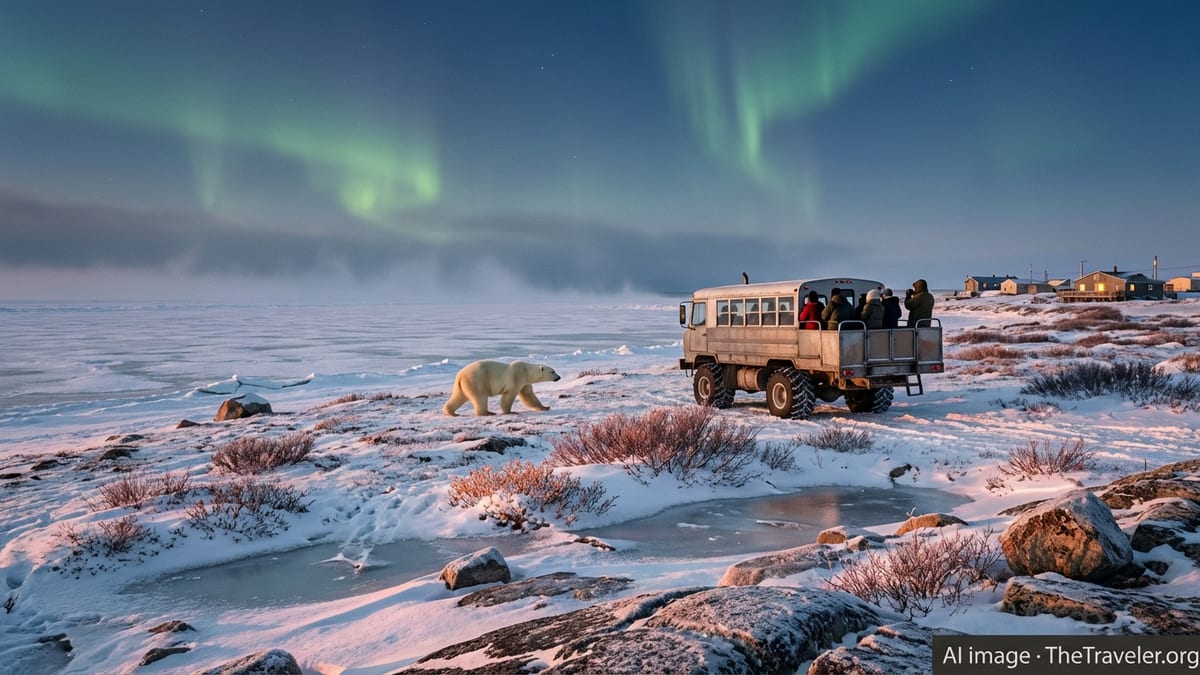
Most travelers come to Churchill for one reason above all others: wild polar bears. Each fall, as Hudson Bay begins to freeze, bears congregate along the coast waiting for the sea ice to form. Specialized tundra vehicles and guided tours bring visitors out across the spongy permafrost, ponds and low shrubs to see these powerful animals in their natural habitat, often at surprisingly close range but under tightly controlled conditions for both guest and wildlife safety.
The core polar bear viewing season typically runs from late October into mid November, though exact timing varies with weather and ice conditions. Operators based in and around Churchill track bear movements closely and adjust routes to minimize stress on the animals, with strict rules about feeding, distancing and noise. Many tours are full-day excursions that combine driving on the tundra with time along the windswept Hudson Bay shoreline, where bears patrol, rest in kelp beds or trudge across early ice pans.
Multi-day packages often include several tundra outings to increase your chances of varied encounters. One day might bring you a curious bear peering up against the vehicle, another a mother and cubs in the distance, and another a solitary male crossing snow‑dusted flats. Guides are usually seasoned naturalists or local specialists who explain bear behavior, climate change pressures and the broader ecological web that supports these apex predators.
Because the bear season is short and capacity is tightly limited, travelers are advised to reserve a year or more in advance, particularly for October and early November departures that coincide with peak bear concentrations. Extreme cold, wind and blowing snow are common, so packing proper winter clothing and listening closely to outfitter recommendations is essential to enjoy time on the open back decks of tundra vehicles.
Watch the Northern Lights Dance Over Hudson Bay
Churchill sits directly beneath one of the most active regions of the auroral oval, making it a standout destination for northern lights viewing. On clear nights, curtains and arcs of green, occasionally tinged with purple or red, ripple across the sky in dynamic displays that can last minutes or hours. Local guides note that the aurora can be visible in northern Manitoba on a very high proportion of nights when conditions align, thanks to strong geomagnetic activity and dark, sparsely populated surroundings.
While midwinter, especially from January through March, is often cited as the classic aurora season, travelers increasingly pair northern lights viewing with fall polar bear trips or late winter adventures. From September onward, nights lengthen and the combination of darkness, cold and frequent clear skies favors vivid shows. Some operators now run dedicated aurora programs from late summer into early spring, offering single‑night experiences, multi‑day packages and photography‑focused departures.
Churchill’s small size and limited artificial lighting make it easy to escape town glare. Many tour companies drive guests a short distance into the surrounding tundra or boreal fringe, set up heated shelters or rustic cabins and provide hot drinks as everyone waits for the first faint glow to intensify into dancing bands overhead. Photographers benefit from guidance on camera settings suitable for subarctic temperatures, since batteries drain quickly in the cold and frost can build on lenses and tripods.
Patience is important. Even in an aurora hotspot, displays depend on solar activity and clear skies. Some nights bring dramatic pulses that sweep overhead; others offer subtler veils low on the horizon. Visitors who schedule several nights in Churchill during the darker months improve their odds of witnessing one of nature’s most compelling light shows.
Paddle and Cruise Among Beluga Whales
In summer, Churchill exchanges drifting ice and polar bears for thousands of beluga whales that migrate into the Churchill River estuary and western Hudson Bay. From roughly June through August, these small, pale whales arrive to feed, calve and socialize in relatively warm, shallow waters. The density of animals can be astonishing, with pods surfacing all around boats, kayaks and shorelines, and their high‑pitched whistles and clicks sometimes audible even from the town’s edge on calm days.
Boat tours offer one of the most accessible ways to see belugas. Larger vessels may carry hydrophones so guests can listen to the whales’ vocalizations beneath the surface, while smaller zodiacs allow closer‑to‑water viewing and more responsive maneuvering around pods. Several local operators specialize in beluga‑friendly practices, using propulsion systems designed to reduce risk to whales and following guidelines on speed and distance to minimize disturbance.
For a more immersive encounter, kayak and stand‑up paddleboard excursions place visitors at water level among the whales when tides and weather cooperate. Belugas are naturally curious and may approach quietly from behind, surfacing within a few meters of paddlers or circling while maintaining comfortable space. Newer experiences unique to Churchill, such as floating on specially designed mats towed behind zodiacs, bring guests even closer to the whales’ world, with strict safety oversight and protective gear for cold water.
Because Hudson Bay remains genuinely chilly even in midsummer and conditions can change quickly, reputable tour companies provide or recommend drysuits, life jackets and layered thermal clothing. Booking in advance is again important during peak beluga season, especially if you hope to combine whale watching with hiking, cultural tours or northern lights viewing later in the season.
Explore Churchill’s Subarctic Landscapes on Foot
Beyond vehicle‑based wildlife trips, Churchill offers a growing number of guided hiking and snowshoe experiences that reveal the textures of the subarctic landscape. Short walks along the rocky coast introduce visitors to tidal pools, lichen‑covered boulders and hardy plants adapted to fierce winds, salt spray and shallow soils. Inland, low spruce and tamarack forests give way quickly to open tundra scattered with ponds, eskers and glacial erratics.
In summer and early fall, local outfitters lead day hikes to historic wrecks, former military sites and scenic viewpoints. Trails near the famous Miss Piggy cargo plane wreck and the beached remains of the Ithaca freighter are popular, offering stark reminders of Churchill’s strategic and industrial past set against sweeping Hudson Bay vistas. Birdlife during this period can be rich, with migrating shorebirds, waterfowl and occasional raptors moving through the region.
Once snow covers the ground, snowshoe tours replace hiking. Some are offered in daylight, highlighting animal tracks, frozen rivers and the pastel hues of the low Arctic sun. Others take place under the night sky, combining gentle exercise with chances to see the aurora away from town. Newer products, such as guided “Aurora snowshoe adventures,” emphasize low‑impact ways to experience the winter environment while staying warm and safe.
Because polar bears roam throughout the area, independent hiking is not recommended. Guided outings operate under strict safety protocols, including continuous bear scanning, carrying deterrents and following contingency plans if a bear is spotted. Travelers should be prepared for uneven terrain, significant wind and rapid shifts in weather, even on short excursions.
Discover History at Prince of Wales Fort and Cape Merry
Churchill’s human history is as compelling as its wildlife. Across the Churchill River from town, the massive stone walls of Prince of Wales Fort rise starkly from the tundra. Built by the Hudson’s Bay Company during the 18th century to protect its fur trade interests, this star‑shaped bastion is one of the northernmost and most remote forts in North America. Today it is managed as a National Historic Site within the federal parks system and is partially restored, with thick ramparts and a handful of surviving cannons.
Accessible by guided boat tours in summer and subject to weather and ice conditions, the fort offers insight into the challenges faced by early traders, explorers and Indigenous communities navigating this hostile climate. Interpretive programs led by Parks Canada staff often weave in stories of Cree and Inuit use of the land, maritime trade routes through Hudson Bay and the eventual military confrontations that shaped the region’s colonial history.
Back on the town side of the river, Cape Merry provides one of the best viewpoints in Churchill. From this rocky headland overlooking the bay and the fort, visitors can scan for belugas in summer, watch storm systems sweep in from the north and, on dark nights, see the northern lights unspool across the horizon. Remnants of fortifications and interpretive signs add context, while the exposed setting vividly conveys just how vulnerable ships and settlements were in this subarctic environment.
As with any outing near the coast, safety protocols for polar bears are taken seriously. Guided visits during the open‑water season generally include trained bear monitors and transportation to and from the sites. Warm layers and windproof outerwear are essential, even on apparently mild days, as the open headlands amplify the chill coming off Hudson Bay.
Engage With Northern Cultures and the Itsanitaq Museum
For a deeper understanding of Churchill beyond wildlife tourism, time spent with local cultural organizations and at the Itsanitaq Museum is invaluable. Established in the mid 20th century to preserve artifacts from Arctic communities, the museum houses an extensive collection of Inuit and other northern Indigenous carvings, tools, clothing and ceremonial objects. Exhibits trace daily life across the seasons, highlighting ingenuity in shelter, hunting, travel and storytelling in extreme environments.
The museum’s modest size belies the depth of its collection, with pieces spanning many decades and regions. Soapstone sculptures, finely worked ivory, traditional hunting implements and household items help visitors appreciate how closely northern cultures remain tied to sea ice, migratory animals and weather cycles. Interpretive panels increasingly reflect contemporary perspectives and emphasize ongoing cultural resilience.
Beyond the museum, local operators collaborate with Indigenous knowledge holders, storytellers and guides who share personal connections to the land and water. Cultural programs may include talks about traditional ecological knowledge, demonstrations of survival skills or discussions on how communities are adapting to rapid environmental change while maintaining language and custom. These experiences add nuance to what might otherwise be a purely wildlife‑focused trip.
Respect is critical. Travelers are encouraged to approach cultural tours with openness, avoid romanticizing hardship and understand that many residents balance tourism work with subsistence activities, community leadership and family responsibilities. Spending time in locally owned shops, supporting regional artists and asking thoughtful questions can help ensure tourism benefits the people who call Churchill home.
Visit the Parks Canada Visitor Centre and Learn About Wapusk National Park
Housed in Churchill’s historic railway station, the Parks Canada Visitor Centre serves as a gateway to the wider protected areas surrounding town, including Wapusk National Park and national historic sites. Its exhibits combine natural history, human stories and interactive displays, giving visitors a broad overview of the subarctic ecosystem and the legacy of exploration, trade and settlement in northern Manitoba.
One of the centre’s signature displays focuses on polar bears, including a life‑sized representation of a maternity den from Wapusk National Park. This coastal park, whose name comes from the Cree word for polar bear, protects a vast swath of low tundra and is recognized as one of the world’s most important denning areas. Access to Wapusk is tightly controlled to safeguard sensitive habitat, so most visitors experience it indirectly through interpretive materials, guided overflights and educational programs based in Churchill.
Staff at the visitor centre can explain current regulations, seasonal conditions and available tours, as well as share information about other national historic sites such as York Factory and Prince of Wales Fort. Audio‑visual presentations and occasional special programs delve into topics ranging from migratory birds and sea ice dynamics to Indigenous land use and archeological finds.
Because opening hours vary by season and may change from year to year, travelers should check current schedules once their Churchill dates are confirmed. Stopping in early during your visit helps frame the rest of your experiences, offering context for everything from tundra vegetation you will see on tour to the changing relationship between local residents, wildlife and the broader conservation movement.
See Churchill’s Quirky Landmarks and Everyday Life
Part of Churchill’s appeal lies in its character as a working northern town, not just a tourism gateway. A drive or walk around the compact community reveals weathered houses on stilts to accommodate shifting permafrost, utilitarian warehouses lining the rail tracks and murals that brighten otherwise stark building fronts. Many storefronts and public spaces incorporate polar bear and beluga imagery, reflecting both pride in local wildlife and awareness of the town’s global reputation.
One of the most talked‑about facilities is the polar bear holding complex, informally known as the polar bear jail. Managed as part of the community’s bear safety program, it temporarily houses bears that wander too close to town, are repeatedly attracted to food sources or pose risks to people. Rather than destroying such animals, conservation officers capture them, hold them away from human contact and eventually relocate them, typically by air, once conditions allow.
While the holding facility itself is not a tourist attraction in the traditional sense and access is controlled, learning about its role helps visitors understand how close the interface between people and wildlife can be here. Educational talks, signage and occasional media coverage outline how the program evolved from a time when problematic bears were often shot to a more proactive coexistence model focused on deterrence and relocation.
Elsewhere in town, small cafes, lodges and community facilities provide windows into daily life. Newly opened businesses, occasional festivals and local sporting events, including a late‑November marathon that embraces the harsh coastal conditions, show that Churchill is more than a seasonal backdrop for visiting photographers. Taking time to explore respectfully between tours can be as memorable as any scheduled excursion.
The Takeaway
Churchill’s remote location, limited infrastructure and extreme climate mean a trip here requires forethought, flexibility and realistic expectations. Flights, train schedules, weather disruptions and seasonal crowding can each affect your visit. Yet for many travelers, the payoff is extraordinary: close‑range views of wild polar bears, skies afire with northern lights, rivers churned white with belugas and a deeper understanding of how people live in relationship with a demanding northern environment.
Balancing iconic experiences with quieter moments is key. A day cruising the tundra or river might be followed by an evening at the Itsanitaq Museum, a simple walk to Cape Merry or a candid conversation with a local guide about how tourism and climate change are reshaping Churchill. Thoughtful packing, early booking and choosing operators committed to responsible, low‑impact practices will help ensure your trip supports conservation and community wellbeing.
Whether you visit in the glow of midsummer, the crisp palette of autumn or the deep darkness of winter, Churchill rewards those who come not only in search of bucket‑list photographs but also with curiosity and respect. For many, the town’s mix of wildlife, culture and raw landscape lingers long after the last flight out, inspiring a lifelong connection to the North.
FAQ
Q1. When is the best time to see polar bears in Churchill?
The prime polar bear viewing period is generally from late October into mid November, when bears gather along Hudson Bay waiting for the sea ice to form.
Q2. When is the best season to see the northern lights in Churchill?
Aurora is possible much of the year, but conditions are usually best from about September through March, when nights are long and often clear.
Q3. When can I see beluga whales in Churchill?
Beluga whales typically arrive in large numbers between June and August, with peak viewing in midsummer when they concentrate in the Churchill River estuary.
Q4. Do I need to join a tour to see polar bears safely?
Yes. Because polar bears are powerful, unpredictable predators, responsible viewing is done with licensed operators using tundra vehicles or guided programs that follow strict safety rules.
Q5. How far in advance should I book my Churchill trip?
For peak polar bear season, many experts recommend booking 12 to 18 months ahead, as accommodation and tour space are limited and sell out quickly.
Q6. How do I get to Churchill if there is no road?
Most visitors arrive by scheduled flights from southern Manitoba or by train from the provincial interior. Travel times and schedules vary with season and demand.
Q7. Is Churchill a good destination for photographers?
Yes. The combination of wildlife, dramatic skies, historic sites and stark coastal scenery makes Churchill a strong photography destination, provided you protect gear from cold and moisture.
Q8. What kind of clothing should I pack for Churchill?
Packing depends on season, but visitors should always plan for wind and rapid weather changes, including insulated layers, waterproof outerwear, sturdy footwear and warm accessories.
Q9. Can I hike on my own around Churchill?
Independent hiking is strongly discouraged because polar bears can be present year‑round. Guided walks with trained bear monitors are the safest way to explore on foot.
Q10. Is Churchill suitable for families with children?
Families visit successfully each year, but the environment is challenging. Choosing age‑appropriate tours, planning rest time and following all safety guidance is especially important with children.