

Arizona’s desert landscapes are some of the most dramatic in the United States, from the saguaro forests around Phoenix and Tucson to the red-rock country near Sedona. They are also environments that can turn unforgiving very quickly. Extreme heat, sudden monsoon storms, remote backroads, and unfamiliar wildlife all pose risks if you are not prepared. With some basic planning and a realistic understanding of desert conditions, you can explore safely and make the most of your time in the Grand Canyon State.
1. Respect Arizona’s Extreme Heat
Summer temperatures in much of Arizona routinely climb well above 100 degrees, and even spring and early autumn can bring intense heat. Visitors from cooler or more humid climates are often surprised by how quickly the combination of high temperatures and low humidity can lead to dehydration and heat illness. Treat the heat as a primary safety concern, not an afterthought, whenever you plan outdoor activities.
Stay ahead of the conditions by checking local forecasts and any excessive heat warnings issued by the National Weather Service before you head out. In the low desert around Phoenix, Tucson, and Yuma, plan strenuous activities for early morning or early evening and avoid being active outdoors from late morning through late afternoon when the sun is most intense. If a heat warning is in effect, consider rescheduling hikes and long drives rather than trying to push through uncomfortable or dangerous conditions.
Learn to recognize the early signs of heat-related illness in yourself and your travel companions. Symptoms such as headache, dizziness, cramps, nausea, or unusual fatigue can quickly progress to heat exhaustion or heat stroke. At the first sign of trouble, get to shade or an air-conditioned space, cool the body with water on the skin and clothing, and sip cool fluids. If someone becomes confused, stops sweating, or collapses, treat it as a medical emergency and seek help immediately.
2. Hydrate Constantly and Plan for Water
In the desert, you need more water than you probably expect. The dry air causes sweat to evaporate so quickly that you may not realize how much fluid you are losing. Travelers who wait to drink until they feel very thirsty are often already heading toward dehydration. Instead, think of hydration as a continuous routine throughout the day, especially if you are hiking, sightseeing outdoors, or driving long distances.
As a general guide, active adults may need around a liter of water every couple of hours in hot conditions, sometimes more during strenuous desert hikes. Carry more water than you think you will need and keep backup supplies in your vehicle. Refillable bottles or a hydration pack make it easier to sip frequently. Combine water with light snacks that include some salt to help maintain your body’s fluid balance. Avoid relying heavily on sugary drinks and be cautious with alcohol and high-caffeine beverages, which can make dehydration worse.
Never assume that water will be available at desert trailheads or viewpoints, even in popular parks. Seasonal spigots can be turned off, and remote sites may never have potable water. Fill up before you leave town and double-check whether your destination has reliable water access at the time of year you are visiting. When driving, especially in more remote areas of northern or southern Arizona, keep several extra gallons of water in the trunk both for drinking and in case of a breakdown.
3. Time Your Activities Around the Desert Climate
The desert day has its own rhythm, and timing your plans around it is one of the simplest ways to stay safe. In the hottest months, think of midday as quiet time. Use those hours for indoor museums, shaded patios, or rest in your hotel rather than long hikes or exposed scenic drives. Early mornings often bring cooler air, softer light, and better wildlife viewing, making them ideal for outdoor exploration.
Arizona’s monsoon season, typically from early July into September, adds another layer of timing to consider. During this period, afternoons can bring fast-building thunderstorms, strong winds, lightning, and sudden heavy rain. These storms are dramatic and can be beautiful to watch, but they can also trigger flash flooding in canyons, dry washes, and low-lying roads. When planning hikes or off-pavement excursions during monsoon months, aim to be off exposed ridgelines and out of narrow drainages by early afternoon.
Short winter days in higher-elevation desert areas, including around Flagstaff and the Grand Canyon’s South Rim, can catch visitors by surprise. Temperatures drop quickly after sunset, and icy patches can form on roads and trails. Start hikes early enough that you are back well before dark, especially if you are not familiar with the terrain. Keep a headlamp handy just in case daylight fades faster than expected.
4. Dress for the Desert, Not for the Photos
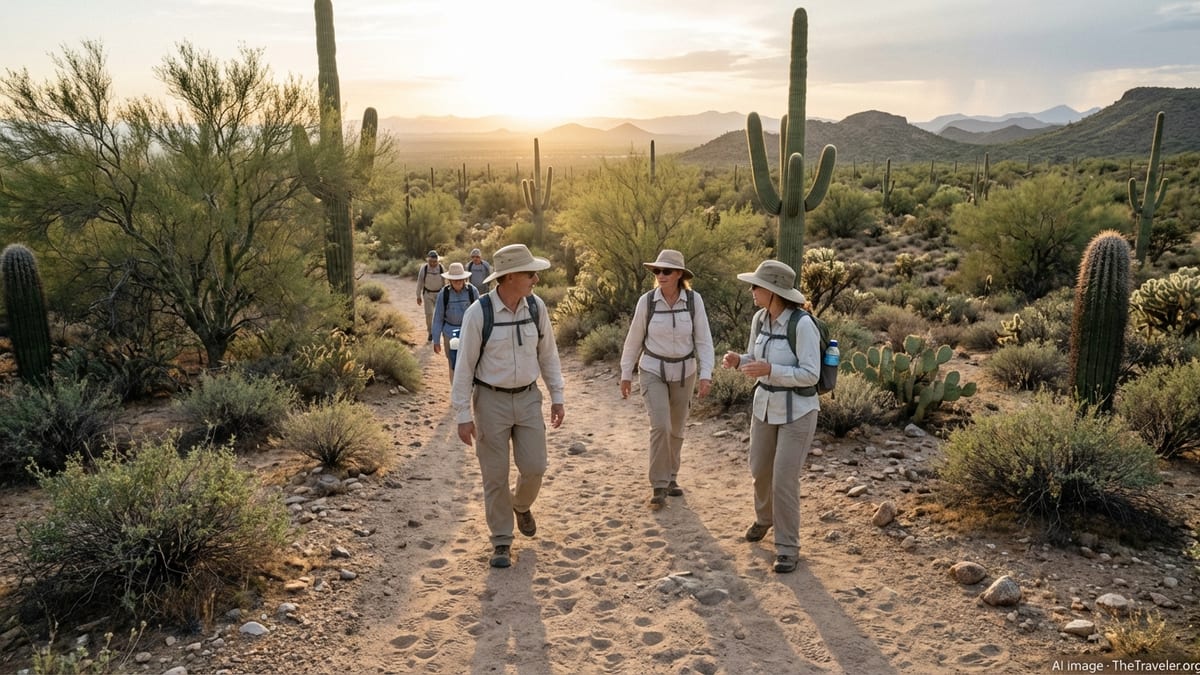
What you wear in the Arizona desert is more than a style choice; it is a safety tool. Light-colored, loose-fitting clothing made from breathable fabrics helps your body stay cooler by allowing sweat to evaporate and reflecting some of the sun’s heat. Long sleeves and long pants may actually feel cooler than bare skin in strong sun, and they provide protection from UV exposure, brush, and insects.
A wide-brimmed hat that shades your face, ears, and the back of your neck is far more effective than a baseball cap in desert conditions. Combine it with sunglasses that offer good UV protection to reduce eye strain and prevent long-term damage. Generously apply sunscreen to all exposed skin, including the backs of your hands, your ears, and the back of your neck, and reapply as directed, especially if you are sweating heavily.
Footwear is equally important. Closed-toe hiking shoes or sturdy trail runners protect you from sharp rocks, cactus spines, and the occasional encounter with desert creatures far better than sandals or flip-flops. In very hot conditions, pavement, rock, and sand can become hot enough to cause burns, so adequate soles matter. If you plan to walk through brush or rocky terrain, consider lightweight gaiters or high socks to help keep cactus spines and grit out of your shoes.
5. Navigate Wisely and Respect the Distance
Distances in Arizona can be deceptive. What appears on a map as a short stretch between two towns may be a long, lightly traveled highway with limited services and no cell coverage in places. Similarly, a trail that seems easy because of its mileage can feel much harder in high temperatures and exposed terrain. Build a margin of safety into both your driving and hiking plans.
Before any major drive, check the route in detail and note fuel stops, rest areas, and towns with basic services. Fill up your gas tank before leaving urban areas and do not rely solely on your vehicle’s remaining-range estimate when crossing remote stretches. A basic roadside kit with water, snacks, a first-aid kit, and simple tools can make an inconvenient delay far less stressful. In more remote parts of the state, consider carrying a paper map as a backup in case your navigation app loses signal.
On trails, follow local guidance rather than relying just on generic hiking apps. Many Arizona parks and preserves share recommended routes by season and close specific trails during extreme heat. Obey closure signs and do not assume that an “easy” trail rating from another region applies the same way in desert conditions. Tell someone where you are going and when you plan to return, sign in at any trail registers you encounter, and turn back if you are using more water or energy than expected.
6. Prepare for Monsoon Storms and Flash Floods
Monsoon storms are a defining feature of Arizona’s summer climate. They can build rapidly on otherwise sunny afternoons, bringing dark clouds, gusty winds, lightning, blowing dust, and intense bursts of rain. Even if you enjoy watching storms from a safe vantage point, it is important to understand the risks they create when you are hiking, driving, or camping in desert areas.
Flash flooding is one of the most serious monsoon hazards. Dry washes and slot canyons that appear completely safe in the morning can turn dangerous if heavy rain falls upstream. Never camp, hike, or park your vehicle in a wash during stormy periods, and be especially cautious in narrow canyons. If you hear a sudden roar of water, see fast-rising flows, or notice debris and muddy water, move to higher ground immediately. Do not attempt to walk or drive through flowing water; even modest depths can knock you off your feet or move a vehicle.
Dust storms and strong outflow winds are another monsoon concern, particularly on highways in southern and central Arizona. If you encounter a wall of dust while driving, the safest approach is to exit the road if possible. If you cannot, pull as far off the pavement as you safely can, put the vehicle in park, turn off your lights, and take your foot off the brake so other drivers are less likely to mistake you for a moving car. Wait until visibility improves before resuming your trip.
7. Understand and Respect Desert Wildlife
Arizona’s deserts support a wide range of wildlife, including rattlesnakes, scorpions, spiders, coyotes, javelinas, and many other species that most visitors will never see. The safest approach is simple: look where you place your hands and feet, give any animal plenty of space, and never attempt to touch or feed wildlife. Most encounters become problems only when people get too close or fail to notice an animal they have surprised.
When hiking, stay on established trails so you can see where you are stepping. Avoid reaching blindly over rocks or into crevices, where snakes or other animals may be resting. If you hear a rattling sound, stop, locate the snake visually from a safe distance, and move away calmly without sudden movements. In campgrounds and picnic areas, keep food secured to avoid attracting animals, and dispose of trash in provided receptacles.
Many desert plants also demand respect. Cacti and thorny shrubs can deliver painful punctures that are difficult to remove. Give cholla and other spiny plants wide berth, and never try to brush past desert vegetation in shorts or thin clothing. If you are traveling with children, explain basic wildlife and plant safety in advance and remind them not to run off-trail or attempt to handle unfamiliar animals.
8. Protect Children, Older Adults, and Pets
Some travelers are more vulnerable to desert conditions than others. Young children, older adults, people with certain medical conditions, and pets are all at higher risk for heat-related illness and dehydration. When planning activities in Arizona, choose options that match the most sensitive person in your group rather than aiming for what the fittest member could handle.
Limit the time children spend in direct sun during the hottest part of the day, and encourage frequent water breaks even when they are busy playing and may not feel thirsty. For older adults or anyone taking medication, consult a health professional if you are uncertain how heat and exertion might interact with existing conditions. Build more rest stops into your day, seek shade regularly, and avoid long walks on hot pavement, which can reflect heat back toward the body.
Pets require special care in the Arizona desert. Never leave an animal in a parked vehicle, even with windows cracked or for what seems like a short errand; interior temperatures can rise to dangerous levels within minutes. Limit walks to cooler parts of the day and check pavement or trail surfaces with your hand before heading out. If they are too hot to touch comfortably, they are too hot for paws. Carry water for your pet, watch for any signs of overheating such as heavy panting or weakness, and be willing to cut outings short if conditions worsen.
9. Build a Simple Desert Safety Kit
A small, well-thought-out safety kit can turn an unexpected delay or minor mishap into a manageable inconvenience rather than an emergency. Whether you are day hiking near a city or exploring remote desert highways, carry a few extra items so you are not completely dependent on the nearest store or gas station, which may be hours away.
At minimum, your kit should include extra water, high-energy snacks, a basic first-aid kit, a hat and sunscreen, and a fully charged phone with an external battery pack. Add a light source such as a headlamp or small flashlight, even for daytime outings, since delays can easily push activities close to or after sunset. In your vehicle, include a lightweight blanket or extra layer, jumper cables, simple tools, and a reflective triangle or other visibility aid in case you need to pull off the road at night.
For longer or more remote trips, consider adding a paper map, a small multi-tool, a whistle, and a portable water treatment method so you have options if your primary supplies run low. If you are heading into areas with limited cell coverage, a satellite communicator or personal locator beacon can add an additional layer of security in case of serious trouble far from help.
10. Know Local Rules, Closures, and Emergency Resources
Arizona’s cities, counties, and land agencies have developed a range of policies to protect visitors and first responders from the most extreme conditions. On very hot days, some popular desert trails near Phoenix and other urban areas may close for public safety. Pay attention to posted signs and notices from park rangers or local officials, and understand that these measures are put in place to prevent heat-related incidents and reduce the need for risky rescues.
Before visiting state parks, national parks, tribal lands, or local preserves, check their official information sources for current conditions, fire restrictions, and any special advisories. Wildfire danger, temporary road closures, and storm damage can all affect access. If you are unfamiliar with desert environments, consider joining a guided hike or tour early in your trip; local guides can offer up-to-date advice and practical tips tailored to the areas you plan to explore.
Finally, know how to call for help if something goes wrong. Keep your phone charged, but do not assume you will always have service. If you are traveling through rural regions, note the last town or major junction you passed so you can describe your location more accurately in an emergency. In developed recreation sites, pay attention to any posted emergency numbers or instructions. Taking a moment to orient yourself before you set out can save precious time if you ever need assistance.
The Takeaway
Visiting Arizona’s deserts can be one of the most rewarding travel experiences in the United States, offering vast horizons, star-filled night skies, and a chance to see fragile ecosystems up close. With that opportunity comes the responsibility to prepare thoughtfully for conditions that are more extreme than many travelers encounter at home. Heat, distance, storms, and wildlife all require respect, but none of them should prevent you from enjoying the state’s beauty if you follow basic safety practices.
By planning your days around the climate, carrying sufficient water, dressing appropriately, and staying alert to changing weather and trail conditions, you greatly reduce the likelihood of serious problems. Paying extra attention to the needs of vulnerable travelers and pets, and learning local guidelines wherever you go, adds another layer of protection. A little preparation goes a long way in the desert, turning potentially risky situations into smooth, memorable adventures.
As you explore Arizona, think of desert safety as part of traveling responsibly, both for your own well-being and for the landscapes and communities that host you. When you respect the environment and your own limits, the desert becomes not just survivable, but deeply enjoyable.
FAQ
Q1. How much water should I drink per day in the Arizona desert?
There is no single exact amount, but many visitors find they need significantly more than at home, especially when active outdoors. Aim to sip water regularly throughout the day, and plan to carry at least several liters per person for longer hikes or excursions, adjusting for temperature and exertion.
Q2. Is it safe to hike in Arizona during summer?
Hiking can be safe if you start very early, keep routes short, carry plenty of water, and avoid the hottest hours of the day. However, extreme heat days can make even short trails risky, so be prepared to change plans or skip hikes when temperatures or official warnings indicate dangerous conditions.
Q3. What should I do if I encounter a rattlesnake on the trail?
If you see or hear a rattlesnake, stop, identify its location from a safe distance, and slowly move away, giving it plenty of space. Do not try to touch, move, or provoke the snake, and keep children and pets close until you are well clear of the area.
Q4. How can I avoid heat-related illness while sightseeing?
Plan outdoor activities for cooler times of day, stay in the shade whenever possible, drink water frequently, and wear light, breathable clothing with sun protection. Pay attention to early symptoms like dizziness or nausea, and move to a cooler place and rest if you start to feel unwell.
Q5. Are monsoon storms dangerous for travelers?
Monsoon storms can be hazardous because of lightning, strong winds, blowing dust, and flash flooding, especially in washes and low-lying roads. By checking forecasts, avoiding narrow canyons and flood-prone areas during stormy periods, and pausing travel during intense storms, most visitors can stay safe.
Q6. What should I pack in a desert safety kit for my car?
Include extra water, non-perishable snacks, a first-aid kit, a flashlight, a hat and sunscreen, a phone charger and backup battery, basic tools, and a blanket or extra layer. For longer drives, consider adding a paper map, a whistle, and other emergency items appropriate to your route.
Q7. Is it okay to bring my dog on desert hikes in Arizona?
Dogs are welcome on many Arizona trails, but desert heat and hot surfaces can be very hard on them. Limit walks to cooler hours, carry water specifically for your pet, protect their paws from hot ground, and avoid taking them on long or exposed routes during warm months.
Q8. How do I know if a trail is too difficult in desert conditions?
Look beyond the distance and check elevation gain, sun exposure, and local recommendations or warnings. If a trail is not advised during hot weather, or if you are unsure of your fitness level, choose a shorter, shadier option and be ready to turn around if it feels harder than expected.
Q9. What should I do if my car breaks down in a remote desert area?
Stay with your vehicle if it is safe to do so, since it offers shade and is easier for rescuers to spot. Use your emergency supplies, conserve phone battery, and contact roadside assistance or emergency services with as clear a description of your location as possible.
Q10. Are the deserts in northern and southern Arizona equally hot?
Southern and low-elevation deserts often experience higher temperatures, especially in summer, while higher elevations can be cooler and may see winter snow. However, sun exposure and dryness can make both regions challenging, so use similar safety precautions wherever you travel in the state.