

Alaska rewards the traveler who arrives prepared. Vast distances, quick-changing weather, seasonal road closures and limited services can surprise first-time visitors who plan as if they were in the Lower 48. With a few smart strategies, though, you can trade stress and avoidable risks for open roads, clear views and memorable encounters with wild landscapes and wildlife. These 10 essential Alaska travel tips reflect current on-the-ground realities and will help you plan a smoother, safer and more rewarding trip.
1. Choose the Right Season for Your Style of Trip
When you visit Alaska shapes almost every part of your experience: daylight, wildlife, prices, crowds and how easy it is to get around. For most travelers, the sweet spot is from late May through early or mid September, when main highways are clear of snow, most lodges and campgrounds are open, and daylight stretches long into the evening. In June and July, you can expect some of the longest days and the widest choice of tours, from glacier cruises to flightseeing.
Shoulder periods in late May and early September can be especially appealing if you prefer fewer crowds and slightly lower prices. Some seasonal businesses may still be ramping up in May or already closing in September, but you often gain quieter trails, more relaxed guides and better chances of last minute availability. Fall colors and the first dustings of snow on the peaks can add drama to your photographs.
Winter and early spring are beautiful but are better suited to travelers who specifically want cold season experiences like Northern Lights viewing, dog sledding or skiing. Outside the main summer window, you will contend with short daylight, icy or snow covered roads, limited services in smaller communities and more weather related disruptions. If you are not comfortable driving long distances in winter conditions, base yourself in larger hubs and rely on guided tours or rail where available.
2. Plan Realistic Distances and Build in Flex Time
On a map, Alaska can look deceptively manageable. In reality, long stretches of highway, lower speed limits, frequent road work in summer and wildlife on the road mean you should plan conservative driving days. A paved highway run between major cities such as Anchorage and Fairbanks can easily take seven hours or more without lengthy stops, and smaller coastal or interior towns may be far beyond that. Add in time for photo stops, construction delays and sudden weather shifts, and you start to understand why most locals advise doing less, but doing it well.
A good rule is to focus on one or two regions rather than trying to cover the entire state in a single trip. Combining southcentral Alaska with a slice of the Kenai Peninsula, or pairing Fairbanks with Denali National Park, often leads to a far richer experience than racing from Southeast to the Arctic Circle. The more you try to pack in, the more you expose your itinerary to cascading problems if a ferry is delayed, a small plane is grounded or a major attraction is fully booked.
Flex days are particularly valuable in Alaska. Give yourself at least one unscheduled day for every week of travel, especially if you have must do experiences dependent on good weather such as bear viewing, glacier flights or marine wildlife cruises. That buffer lets you reshuffle plans if a storm rolls in, a road temporarily closes or you decide to linger in a place that exceeds expectations.
3. Respect Weather, Daylight and Seasonal Closures
Alaska’s weather is famous for its unpredictability. Even in peak summer, a single day can range from near freezing in the morning to pleasantly warm in the afternoon, with sun, wind and cold rain cycling through. Coastal areas such as the Inside Passage and the Gulf of Alaska see frequent rain, while interior regions can be sunnier but still swing widely in temperature. Packing and planning for variability rather than a single forecast is key to staying comfortable and safe.
Daylight is another major factor. In June and early July, many locations enjoy very long days, but by late August and September evenings begin to draw in again. In spring and fall, you may be driving in low angled light, which can be tiring and make it harder to spot wildlife on the road. In midwinter, daytime can be as short as a few hours in parts of the state, with most driving in the dark or twilight. Align your plans with the amount of daylight you are realistically comfortable using.
Seasonal road conditions and closures deserve close attention. Several scenic highways and remote roads are not maintained in winter months and can be effectively impassable from roughly October through May. Even in summer, long gravel stretches can feature soft spots, potholes and active maintenance zones. Before any major drive, check the state’s current road information and factor in the possibility of delays or detours. If a route is flagged as unmaintained in winter, treat that warning seriously and do not attempt it unless you are with qualified local professionals.
4. Prepare for Long, Remote Road Journeys
Road tripping in Alaska can be a highlight of your visit, but it requires a more self reliant mindset than in many other parts of North America. Fuel, food, repair shops and even cell signals thin out once you leave urban corridors. It is common to find that gas stations are hundreds of miles apart on long stretches, especially if you are driving into or within Alaska by way of Canada. As a result, “top up when you can” is more than a casual suggestion; it is a safety practice.
Carry a paper map or a reliable offline navigation app because coverage gaps are frequent on rural highways. A well known printed mile by mile guide to Alaska’s roads remains a popular backup resource precisely because it does not depend on your phone. Before setting off each morning, look at distances, note potential fuel stops and check for current construction or weather advisories.
Your vehicle should be in excellent mechanical condition and equipped for the season. In summer, that means good tires, a full size spare and basic tools. In late fall, winter and early spring, proper winter tires, an emergency kit with warm clothing, blankets, traction aids and non perishable food are essential. In all seasons, slow down on gravel, especially if your rental contract restricts certain unpaved routes. Pull into official turnouts if you want to take in the views or let faster traffic pass you safely.
5. Understand Ferries, Flights and Other Key Logistics
Alaska’s size and terrain mean you will likely combine more than one mode of transport. The state ferry network links many coastal communities that have limited or no road access, running along thousands of miles of coastline. Schedules vary seasonally and popular sailings, especially in summer, can book up well in advance. If you want to take a vehicle, cabins or bring pets along the ferry system, secure your reservations as early as possible and pay close attention to check in requirements at each port.
Small planes and regional carriers connect remote communities and are often the only way to reach classic wilderness destinations, from Arctic villages to bear viewing lodges. These flights are typically more sensitive to weather than large jets, and delays or cancellations are not unusual. When your itinerary hinges on a small aircraft connection, avoid stacking tight same day connections afterward. Instead, give yourself a cushion so that a morning fog bank or storm does not mean missing an international flight home.
Rail journeys and organized tours can be smart additions, especially for travelers who prefer not to drive long distances. Trains and coaches between major hubs provide scenic, relatively low stress alternatives while still delivering big views. Whichever modes you choose, confirm the current operating seasons and any recent schedule changes, particularly in the wake of evolving budget priorities and staffing in the state’s transportation systems.
6. Pack Strategically for Layers, Bugs and the Unexpected
Packing well for Alaska is less about single heavy items and more about flexible layers. A typical summer kit combines moisture wicking base layers, a warm mid layer such as a fleece or lightweight insulated jacket, and a fully waterproof shell for both jacket and pants. Add a warm hat, thin gloves, and sturdy, broken in footwear with good traction. This system lets you adapt quickly when a sunny boat deck turns windy and cold or when a clear morning hike ends in steady drizzle.
Rain protection is non negotiable, particularly in coastal regions where showers or steady rain are common much of the season. Cheap plastic ponchos are rarely adequate in strong wind or sustained wet. Invest in gear that genuinely keeps you dry and comfortable so you can enjoy that glacier cruise or whale watching trip rather than counting the minutes until you can get warm again.
In summer, insects can be intense, especially mosquitoes in interior wetlands and forested areas. Bring an effective repellent, consider treating outer clothing with insect repellent formulations designed for fabric, and pack a head net if you know you will be hiking or camping in buggy regions during peak months. A small personal first aid kit, extra prescription medications and a backup power bank for electronics round out a smart packing list. In remote areas, consider a satellite communicator or personal locator if you plan to hike far from established trails.
7. Treat Wildlife Encounters and Outdoor Safety Seriously
Seeing Alaska’s wildlife is a major reason many people visit, but it is critical to remember that you are in their home. Moose, bears and other large animals are powerful, unpredictable and can move quickly. On the road, slow down whenever you see animals near the shoulder and be prepared to stop safely. Do not crowd or surround wildlife for photos, and never feed them or leave food where animals can access it. Feeding wildlife not only puts you at risk but also encourages behavior that can lead to the animals being relocated or destroyed.
On trails and in campgrounds, follow local guidance about bear country practices. That means keeping a clean camp, storing food securely, carrying bear spray where recommended and hiking in groups when possible. Make noise on brushy trails, especially near running water or in windy conditions where your presence is harder for wildlife to detect. If an animal changes its behavior when you approach, you are likely too close and should back away calmly.
General outdoor safety is equally important. Weather can shift rapidly, fog can roll in and rivers can rise quickly after rain. Let someone know your plans and expected return time whenever you head out into the backcountry, even for a day hike. Stick to established trails unless you have the training, gear and navigation experience for true off trail travel in remote terrain. In many parts of Alaska, help is far away and rescue operations are challenging, so a conservative approach is wise.
8. Book Key Experiences Early but Keep Plans Flexible
Some of Alaska’s most sought after experiences, such as bear viewing, glacier boat tours, whale watching, popular park shuttles and scenic flights, can sell out weeks or months in advance during high season. If your dream trip hinges on a particular outing, reserve it early and build the rest of your itinerary around those anchor experiences. That is especially true for niche activities that run only on certain days of the week or operate from small communities with limited capacity.
At the same time, it pays to keep a degree of flexibility in your day to day schedule. Weather in coastal fjords or high mountain passes can ground aircraft or cancel boat trips on short notice. Having a backup activity in mind, such as a museum visit, a shorter hike or a scenic drive, helps you adapt without feeling that a day is “lost.” If your schedule allows, aim to be in a key wildlife or glacier hub for at least two or three nights so you can shift bookings within that window if the forecast demands it.
Travel insurance can be a smart safeguard, especially if you are booking expensive lodge stays, multi day cruises or adventure tours in remote areas. Look for policies that cover weather related delays, missed connections and emergency evacuation from remote locations. While many trips run smoothly, Alaska’s remoteness and climate mean that when something does go wrong, the costs and logistics can quickly escalate.
9. Travel Responsibly and Support Local Communities
Alaska’s wild landscapes are both resilient and fragile. Popular trails, campgrounds and viewing spots can feel the strain of a short but intense visitor season. Following basic leave no trace principles helps protect the places you came to see. Pack out all trash, stay on established paths to avoid trampling delicate vegetation, and respect any area closures or restrictions intended to protect wildlife or restore habitat.
In coastal and river environments, be mindful of how close you approach marine mammals or nesting birds, whether on shore or by boat. Guides and operators are typically familiar with local regulations governing distances and behavior; choose companies that clearly explain and follow those rules. If you are boating independently, review current guidance for responsible wildlife viewing before you head out.
Supporting locally owned businesses, Native cultural centers and community led tours deepens your understanding of Alaska while helping ensure that tourism dollars stay in the places you visit. From small family run lodges and independent fishing charters to village craft markets, these experiences often become trip highlights. Being a considerate guest by learning a bit about regional cultures and listening more than you speak can lead to meaningful connections as well as memorable stories.
10. Money, Connectivity and Practical On the Ground Tips
Daily logistics in Alaska have their own quirks. Prices for food, fuel and lodging are often higher than in many parts of the Lower 48, especially in remote communities where everything must be shipped in. Budget accordingly and, where possible, book key accommodation and transport well in advance to avoid the steepest last minute rates. Carry a mix of payment options; while cards are widely accepted in larger towns and cities, some small businesses in rural areas may prefer cash or have intermittent card processing due to connectivity issues.
Mobile coverage outside of urban corridors is inconsistent. Do not rely on being able to call, text or look up information at any moment once you leave a major hub. Download essential information in advance, including reservation details, driving directions and offline maps. Tell friends or family when you expect to be out of range and when you plan to check in again.
Finally, arrive with realistic expectations about pace and convenience. Things move on Alaska time for good reasons: weather, distance and limited infrastructure. Construction zones in summer are necessary to keep roads safe, and occasional delays at small airports or ferry docks are simply part of life. Approaching your trip with patience and a sense of curiosity will serve you far better than a tightly packed schedule and rigid expectations.
The Takeaway
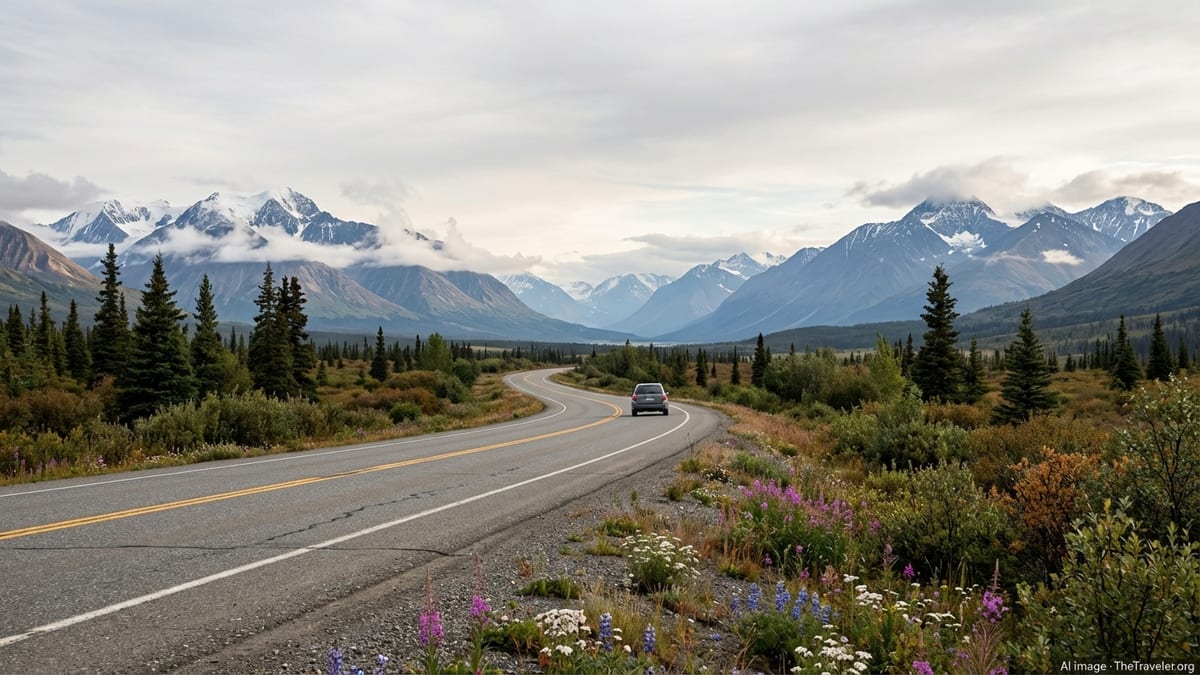
Alaska is a destination that rewards preparation, flexibility and respect. Its scale, climate and infrastructure are different enough from most travelers’ everyday experience that assumptions can lead to fatigue, frustration or genuine safety risks. Yet those same factors are exactly what make a journey here so compelling: open highways framed by snow capped peaks, coastal fjords alive with marine life, and communities shaped by long winters and rich cultural traditions.
By choosing your season carefully, planning realistic distances, taking weather and road conditions seriously, and packing for layers and insects, you set yourself up for a far more comfortable trip. Understanding the basics of ferry and flight logistics, booking key experiences early, and traveling responsibly around wildlife and local communities complete the picture. Build in flex time, maintain a sense of adventure and accept that plans may shift, and Alaska will likely repay you with moments that feel both humbling and unforgettable.
FAQ
Q1. What is the best month to visit Alaska for a first trip?
The most reliable window for first time visitors is usually June through early September, when days are long, main roads are clear of snow and most tours and lodges are operating at full capacity.
Q2. Do I need a 4x4 vehicle to drive in Alaska in summer?
For typical summer routes on paved highways and well traveled roads, a regular car in good condition is usually sufficient, but high clearance or all wheel drive can be helpful on gravel or if you plan to explore more remote areas.
Q3. How far in advance should I book tours and lodging?
For peak season travel, aim to secure popular tours and accommodations several months ahead, especially for bear viewing lodges, park area stays and ferry cabins, while remaining flexible enough to adjust for weather.
Q4. Are mosquitoes really that bad in Alaska?
In many interior and wetland areas during peak summer, mosquitoes can be intense, so it is wise to bring effective repellent, consider treated clothing and possibly a head net if you are camping or hiking.
Q5. Is it safe to drive long distances in Alaska?
Driving can be very rewarding if you plan conservative daily distances, check road and weather conditions, keep your vehicle well maintained and stay alert for wildlife, construction and changing conditions.
Q6. What should I wear on a summer trip to Alaska?
Think in layers: moisture wicking base layers, a warm mid layer and a waterproof jacket and pants, combined with sturdy footwear, a hat, light gloves and a reliable rain shell for coastal regions.
Q7. How worried should I be about bears and other wildlife?
Incidents are rare when visitors follow local guidance, keep a safe distance, store food properly, carry bear spray where recommended and give animals plenty of space on trails and roads.
Q8. Do I need travel insurance for Alaska?
While not mandatory, travel insurance that covers weather related delays, missed connections and emergency evacuation from remote areas is strongly recommended, particularly for expensive or adventure focused itineraries.
Q9. Will I have cell service everywhere I go?
No, coverage drops off significantly outside cities and major highways, so you should download offline maps, carry printed confirmations and tell someone when you expect to be out of contact.
Q10. Can I visit Alaska in winter if I am not used to snow and ice?
Yes, but it is safer to base yourself in larger hubs, rely on tours and public transport when possible, and avoid long independent drives unless you have experience and proper winter equipment.