

Planning your first trip to Colorado is exciting, but the state’s dramatic altitude, fast-changing weather and mountain roads can catch unprepared visitors off guard. With a bit of smart planning, you can avoid common pitfalls and focus on what you came for: big views, blue skies and unforgettable time outdoors. These essential tips will help first-time travelers experience Colorado safely, comfortably and with fewer surprises.
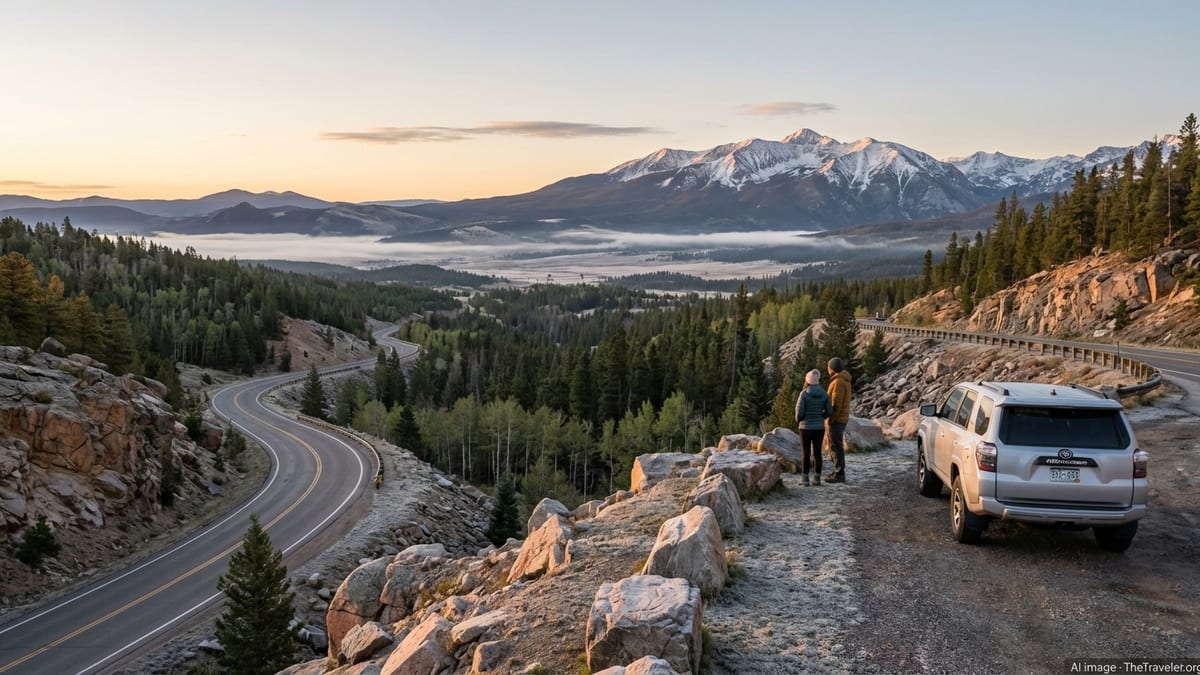
Understand Colorado’s Altitude Before You Arrive
One of the biggest surprises for first-time visitors is just how high much of Colorado really is. Denver already sits at about one mile above sea level, and many popular destinations in the Rockies climb several thousand feet higher. At these elevations the air is drier and thinner, which can leave you feeling short of breath, unusually tired or dealing with headaches if you are not used to it. Give your body some time to adjust and build your itinerary around a gradual move into higher country instead of heading straight for the highest passes on day one.
Altitude sickness can affect anyone, regardless of fitness level or age. Symptoms often include headache, nausea, dizziness, loss of appetite and difficulty sleeping. The risk increases as you sleep above about 8,000 feet and climb too high, too fast. To minimize problems, spend your first night or two in a lower elevation city like Denver, Boulder, Colorado Springs or Fort Collins before staying overnight in ski towns or high-mountain communities. Take it easy on arrival day and plan your bigger hikes or ski sessions for later in the trip.
Hydration is one of your best defenses. Drink water throughout the day, and consider adding electrolytes when you are active in the sun. Limit alcohol and caffeine during your first 24 hours, since both can contribute to dehydration and worsen symptoms. If you start to feel unwell after heading to higher elevation, do not push through it. Rest, hydrate and, if symptoms worsen, move to a lower elevation and seek medical advice.
Even when you feel fine, remember that physical exertion will be more demanding at altitude. A hike or run that feels easy at sea level can be much harder in Colorado. Build extra time into activities, take frequent breaks and listen to your body. Respecting the altitude from the start can mean the difference between a trip cut short by headaches and a vacation filled with clear mountain mornings and energetic days.
Pack for Highly Changeable Weather
Colorado’s weather is famously variable, and this is especially true in the mountains. A day can start with clear blue skies, shift to intense sun and then deliver a fast-hitting afternoon thunderstorm, particularly during midsummer. In winter, a calm morning can turn into heavy mountain snow by afternoon. Travelers who pack as if they are visiting a single-season destination are often surprised at how uncomfortable they become as conditions change.
A layered clothing strategy works best for nearly every season. Bring a lightweight base layer, an insulating midlayer like a fleece or light puffer and a windproof, waterproof shell that can handle sudden showers or snow squalls. Even in July, evenings in high-elevation towns can feel chilly once the sun dips behind the peaks, so a warm layer is important. In winter and shoulder seasons, pack hats, gloves and warm socks even if you only plan quick walks between restaurants and shops.
The sun is intense at altitude, even when temperatures feel mild or the sky is hazy. Protect yourself with broad-spectrum sunscreen, sunglasses with UV protection and a brimmed hat. Reapply sunscreen regularly, especially if you are hiking, skiing or on reflective surfaces such as snow or water. Windburn and chapped lips are also common, so pack lip balm with SPF and a good moisturizer to counter the dry air.
Finally, check local forecasts frequently during your stay, not just once before you leave home. Conditions in Denver and Colorado Springs can look dramatically different from what is happening in mountain corridors and high passes on the same day. Keep a light rain jacket or shell in your daypack whenever you head out, and do not hesitate to cut an outdoor activity short if storms start to build, especially if you are above tree line and exposed to lightning.
Know How to Drive Colorado’s Roads Safely
Colorado’s highways and backroads offer some of the most memorable drives in the United States, but they also demand more attention and respect than many first-time visitors expect. Interstate 70 through the mountains, the steep passes leading to ski areas and winding two-lane scenic byways can all feature sharp curves, steep grades, limited shoulders and rapidly changing traction. Winter storms, summer thunderstorms, construction zones and heavy holiday traffic can make trips slower than mapping apps predict.
If you plan to drive in winter or shoulder seasons, understand that snow, ice and chain or traction laws may affect your route. State transportation and patrol officials regularly remind motorists that vehicles must have adequate tread and winter-ready tires, especially on mountain corridors where enforcement can increase during storms and busy weekends. It is wise to rent a vehicle with all-wheel or four-wheel drive and to give yourself substantially more stopping distance than you would on dry pavement. Reduce speed in any slick conditions, and never use cruise control on snow, ice or steep mountain grades.
In summer, traffic can be heavy on peak weekends and around major holidays, especially on corridors leading to popular mountain destinations. Expect delays, be patient in work zones and watch for cyclists, motorcyclists and pedestrians. When driving winding mountain roads, use lower gears on descents to help control speed and reduce brake wear. If vehicles stack up behind you, use designated pullouts where available to let faster traffic pass. This is both a courtesy and a safety measure on narrow roads with few passing zones.
Before setting out each day, check current road and weather information for your route and any passes you plan to cross. Mountain passes and high-elevation roads can close temporarily for storms, avalanches or maintenance, particularly in the colder months. Plan alternate routes, allow generous time cushions and travel with a basic emergency kit including water, snacks, warm layers and a fully charged phone. Treat Colorado’s roads with respect and they will reward you with stunning scenery rather than stressful surprises.
Choose the Right Season and Region for Your Trip
Colorado is often associated with winter ski trips and snowy peaks, but the state is a year-round destination with distinct regional differences. Selecting the best time and place for your first visit can shape the entire experience. Along the Front Range in cities like Denver, Boulder and Colorado Springs, winters can be surprisingly sunny and mild between snowstorms, while summers bring hot afternoons, cooler nights and occasional thunderstorms. In contrast, high-mountain resorts and passes stay cold and snowy much longer into spring and early summer.
Winter is ideal if you are focused on skiing, snowboarding or snowshoeing. Expect higher prices and crowds during major holiday weeks and three-day weekends, especially in popular ski towns. Road conditions can be challenging, so build flexibility into your plans. Spring and fall bring fewer visitors and more moderate prices in many areas, but at higher elevations you may find lingering snow, intermittent storms and some seasonal road or trail closures.
Summer appeals to travelers interested in hiking, mountain biking, scenic drives and national parks. Wildflowers peak in many alpine meadows from roughly mid-July into early August, though timing shifts with snowmelt. Afternoons often feature short but intense thunderstorms, especially in the mountains, so morning starts for hikes and outdoor adventures are wise. Crowds can be significant in national parks and well-known recreation areas, so consider early entries and midweek visits when possible.
Think about which part of Colorado best matches your interests. The Front Range combines urban culture, dining and easy day access to foothills trails. The central mountains offer classic ski towns, high passes and alpine lakes. Southwestern Colorado has striking red rock canyons and historic mining communities, while the eastern plains offer big skies and quieter landscapes. For a first visit, many travelers pair a couple of nights in a Front Range city with several days in one or two mountain regions to sample both sides of the state.
Stay Safe and Respectful Outdoors
Colorado’s outdoor spaces are a major draw for first-time travelers, from national parks and forests to state parks and local open spaces. With this access comes responsibility. Trails, wildlife and fragile alpine environments can be damaged quickly when visitors ignore posted signs, cut switchbacks or wander off established paths. High-elevation ecosystems in particular are slow to recover from trampling and erosion.
Follow Leave No Trace principles whenever you head outside. Pack out all trash, including small items like snack wrappers and tissues. Stay on marked trails, yield to uphill hikers and give others space on narrow sections. Rest and picnic on durable surfaces such as rock rather than on fragile meadow plants. Observe wildlife from a distance and never feed animals, whether it is a curious chipmunk at a rest stop or large mammals like elk and bighorn sheep. Feeding wildlife changes their natural behavior and can put both animals and people at risk.
Weather-related safety is especially important in Colorado’s mountains. Afternoon lightning is common in summer, particularly above tree line on exposed ridges and peaks. Plan to be off summits and high, open areas by midday, and turn around at the first sign of building thunderheads. In winter and early spring, be aware that avalanche hazards may affect backcountry terrain. If you plan to travel beyond patrolled ski areas or groomed trails in snowy seasons, educate yourself about avalanche safety and local conditions or consider hiring a qualified guide.
Finally, know and respect local regulations around campfires, parking and access. Fire restrictions are common in dry seasons, and even small unattended embers can spark damaging wildfires in Colorado’s forests and grasslands. Heed “no parking” and “area closed” signs, which are often in place for safety and to protect natural or cultural resources. A respectful approach ensures that the landscapes you enjoy today remain healthy and welcoming for future visitors.
Plan Lodging, Reservations and Crowds Strategically
Colorado’s popularity as a travel destination means that accommodations, rental cars and activities can book out well in advance during peak periods. First-time visitors sometimes underestimate how far ahead they need to plan, especially for summer national park trips, ski season weekends or festivals in mountain towns. Booking early offers more choice, better prices and less stress once you arrive.
Decide early which destinations you most want to visit and check whether they use timed-entry reservations or capacity limits, especially for national parks during high season. Many popular attractions now use reservation systems to manage crowding and protect natural resources, and these may open months in advance. Consider traveling midweek or during shoulder seasons if your schedule allows. You will often find more availability, shorter lines and a more relaxed feel in restaurants, on trails and in town centers.
Within cities and larger towns, staying in or near walkable neighborhoods can greatly simplify your trip. In Denver and Boulder, for example, you can often explore dining, breweries, galleries and parks on foot or by local transit, then rent a car just for the days when you head into the mountains. In ski areas, staying near shuttle stops or lifts can reduce your need to drive and park in busy resort cores, which can be expensive and congested on busy days.
If your plans include smaller communities or remote scenic byways, keep in mind that lodging supply may be limited and services such as late-night dining or ride shares may be scarce. Confirm check-in times, fuel availability along your route and whether you will have reliable cell service. Advance planning on where you will sleep and how you will get around frees you to be more spontaneous with daily activities without scrambling at the last minute.
Support Local Culture, Food and Communities
Beyond its mountain scenery, Colorado is shaped by a rich blend of cultures, histories and local communities. Experiencing this side of the state can make a first trip feel far more rewarding. In Denver and other Front Range cities, you will find diverse neighborhoods with independent cafes, galleries, live music venues and murals that tell local stories. Historic downtowns in mountain and plains towns showcase architecture from mining, railroad and agricultural eras alongside newer businesses that serve residents and visitors.
Seek out locally owned restaurants, breweries, coffee shops and markets. Colorado’s culinary scene emphasizes regional ingredients, from green chile and farm-grown produce to craft beers and spirits. Asking staff for their own favorite nearby hikes, viewpoints or cultural sites can lead to discoveries that do not always make standard guidebooks. Farmers markets, seasonal festivals and cultural events are also good ways to connect with the local rhythm of a place.
Respect for local communities matters, especially in smaller towns that see a large seasonal influx of visitors. Be mindful of noise late at night, obey posted parking rules and leave short-term rental properties in good condition. Many mountain towns face housing and infrastructure pressures tied to tourism, so choosing businesses that treat staff well and engage with community issues can make your visit more beneficial to the people who live there year-round.
Colorado is also home to significant Indigenous histories and present-day communities. When you visit museums, cultural centers or historic sites, take time to learn about the long human story behind the landscapes you are enjoying. Listening to that context deepens your understanding and fosters a more thoughtful style of travel that goes beyond photo stops and checklists.
The Takeaway
For first-time travelers, Colorado can feel both familiar and entirely new. Iconic images of snowy peaks and blue skies only hint at the realities of altitude, variable weather, mountain driving and busy seasons that shape a successful trip. With a bit of preparation, you can navigate those elements smoothly and focus on the state’s best qualities: vivid light, dramatic landscapes, lively towns and an outdoor culture that invites participation at every level.
Approach your journey with flexibility, respect for the environment and consideration for the communities you visit. Build in breathing room for your body to adjust to elevation, extra time for changing road conditions and space in your itinerary to follow local recommendations. When you travel thoughtfully, Colorado rewards you with experiences that feel expansive rather than rushed, and your first trip is more likely to become the beginning of an ongoing relationship with the state’s wide open spaces and distinctive towns.
FAQ
Q1. What is the best time of year for a first trip to Colorado?
For many first-time visitors, late spring through early fall offers the most flexibility, with generally easier driving conditions and a wide range of activities. Winter is excellent for skiing and snow sports, but it requires more preparation for snow, ice and higher costs in resort areas.
Q2. How many days should I plan for my first Colorado visit?
A week is ideal for pairing a Front Range city with one or two mountain areas, but even four or five days can work if you focus on fewer destinations. Prioritize quality over quantity, and avoid packing in so many stops that you spend most of your time driving.
Q3. Will I get altitude sickness in Colorado?
Many visitors feel only mild effects such as shortness of breath on exertion, but some experience headaches or nausea, especially when sleeping at higher elevations. Spend your first night or two at lower elevations, hydrate well, take it easy and move to a lower altitude if you feel worse instead of better.
Q4. Do I need a four-wheel-drive vehicle?
In summer on major highways and well-traveled scenic roads, many visitors manage fine with standard vehicles. In winter and during storms, four-wheel or all-wheel drive combined with good tires can make travel safer and more predictable, especially in mountain corridors where traction requirements may be enforced.
Q5. How should I dress for Colorado’s changing weather?
Dress in layers so you can adapt to shifting temperatures and conditions. A moisture-wicking base layer, warm midlayer, waterproof shell, sun hat, sunglasses and sturdy shoes will cover most situations, with warmer hats and gloves needed in colder months or higher elevations.
Q6. Is it safe to drink tap water in Colorado?
In most cities and established towns, tap water is safe and often of high quality. In backcountry areas, streams and lakes should not be considered safe without proper filtration or treatment. Always confirm local guidance if you are unsure about a particular source.
Q7. Do I need reservations for national parks and popular attractions?
During busy seasons, many national parks and well-known sites use timed-entry or capacity-limited systems. Check requirements well in advance of your trip and secure reservations as soon as your dates are firm, especially for peak summer and holiday periods.
Q8. How can I stay safe from wildlife encounters?
Observe animals from a distance, keep a clean camp or picnic area and never feed wildlife. Store food properly, supervise children closely and follow all posted guidance from park or land managers to reduce the risk of negative encounters for both you and the animals.
Q9. Is it necessary to tip in restaurants and on tours?
Yes, tipping is customary in Colorado as in much of the United States. In restaurants, a gratuity of around 15 to 20 percent before tax is common when service is good. For guided tours or activities, it is typical to tip guides, with amounts varying based on length, group size and your satisfaction.
Q10. What is one thing first-time visitors often underestimate?
Many visitors underestimate how much time driving can take, especially on busy mountain corridors or scenic two-lane roads. Build extra time into your schedule, keep daily driving distances reasonable and remember that unplanned photo stops and changing conditions will naturally slow your pace.