

Spanish food is often reduced to a few familiar icons like paella and tapas, but on the ground the country eats very differently from region to region. From Atlantic fishing towns to high mountain villages and sun‑baked southern plazas, each area has shaped its own signature dishes over centuries of local ingredients and traditions. For travelers, following these plates can be one of the most rewarding ways to map a journey through Spain.
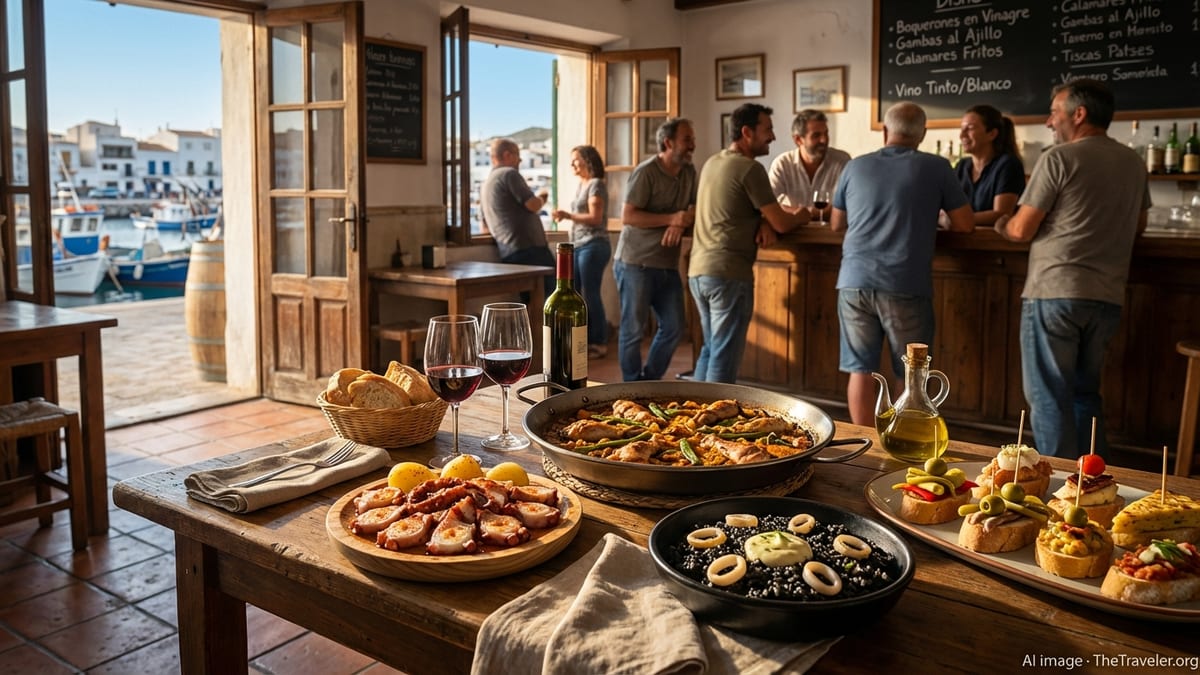
How Regional Food Defines a Journey Through Spain
Spain’s geography is strikingly varied, and its regional cooking reflects that variety at every turn. Galicia looks to the Atlantic for seafood, Castile relies on wheat fields and livestock, Andalusia cools scorching summers with chilled soups, and the Basque Country prizes both the sea and lush green hills. Rather than one national cuisine, Spain offers a patchwork of local specialties that feel rooted in specific landscapes and ways of life.
Many of these dishes began as humble, practical foods shaped by climate and economy: long‑simmered stews that warmed farmers through winter, simple seafood cooked close to the boats, or bread‑based recipes that stretched scarce ingredients. Over time, they have become proud culinary emblems of their regions. Eating them in context, whether at a market counter or a family‑run bar, adds a layer of meaning that is impossible to replicate elsewhere.
For travelers, planning a route around these plates is more than a gourmet indulgence. It is a way to understand local rhythms, from the late lunches of Madrid to the lively Basque bar scene. The following ten dishes show how a meal can be both a destination and a story.
1. Pulpo a la Gallega in Galicia
On Spain’s northwestern Atlantic coast, Galicia is synonymous with seafood, and no dish captures its maritime soul better than pulpo a la gallega, or Galician‑style octopus. Traditionally prepared at fairs and religious festivals, whole octopus is slowly simmered until just tender, then snipped into thick coins and arranged on round wooden plates. It is finished with extra virgin olive oil, coarse salt and sweet or lightly spicy paprika, often from neighboring regions known for their peppers.
The plate almost always arrives with thick slices of boiled potatoes underneath, soaking up the octopus juices and smoky oil. The flavors are simple but precise: gentle brininess from the octopus, richness from the oil, warmth from the paprika. In Galicia, the dish is often called pulpo a feira, a reference to its origins as fairground food sold by specialist cooks known as pulpeiras. Today you can still find cauldrons of octopus bubbling away at markets in towns like Santiago de Compostela and A Coruña.
Traveling for this dish means more than a single meal. It invites you into the Galician way of eating: leisurely lunches, local white wines with bright acidity, and a respect for ingredients that need little embellishment. Sitting at a crowded wooden table, sharing plates of pulpo a la gallega while the rain blows in from the Atlantic, is one of the great food experiences in Spain.
2. Paella Valenciana in Valencia
Many travelers encounter paella as a generic Spanish rice dish, but its roots are tightly bound to the region of Valencia on the Mediterranean coast. Here, on flat lands ringed by rice paddies and orchards, paella Valenciana developed as a countryside meal cooked outdoors over orange‑wood fires. The classic version highlights local short‑grain rice, saffron, rabbit, chicken and seasonal vegetables such as green beans and garrofó, a large white bean typical of the area.
Authentic paella is cooked in a wide, shallow pan that gives the dish its name. The rice is spread in a thin layer to encourage even cooking and the prized socarrat, a crust that forms where grains meet the hot metal. Rather than being stirred constantly, the rice is left alone once the liquid is added, absorbing stock and seasonings until each grain stands distinct yet tender. Many restaurants along the Valencian coast prepare the dish to order, meaning it often appears at the table as a leisurely midday main course rather than a quick bite.
In Valencia, seeking out paella where locals eat it can change your understanding of the dish. You are likely to find fewer mixed seafood versions and more respect for regional rules about ingredients and technique. Combine a traditional paella Valenciana with a walk through the nearby rice fields or the lake and wetlands of Albufera, and you have a vivid connection between plate and place.
3. Pintxos in the Basque Country
Across the northern Basque Country, from coastal cities like San Sebastián to inland towns, pintxos are a way of life. These small bar snacks, displayed on counters or ordered hot from chalkboard menus, are sometimes compared to tapas, but the culture around them is distinct. A typical evening involves moving from bar to bar, sampling one or two pintxos and a drink at each stop, turning dinner into a relaxed, social stroll.
Pintxos themselves range from the simplest slices of bread topped with anchovies and peppers to elaborate miniature constructions skewered with a toothpick. In traditional bars you may find classics such as tortilla de patatas wedges, salt cod preparations and sautéed mushrooms piled high. In more experimental venues, chefs use the pintxo format as a playground for creativity, pairing local seafood, seasonal vegetables and modern techniques in a single bite.
What makes pintxos worth traveling for is not only their flavor but the atmosphere they create. Standing shoulder to shoulder at a crowded bar, listening to rapid Basque or Spanish, and choosing your next bite from a gleaming array of plates is an immersion into everyday northern life. The ritual of ordering, sharing and moving along the street is as important as any one recipe, and it offers a relaxed, delicious way to explore Basque towns.
4. Gazpacho and Salmorejo in Andalusia
Andalusia in southern Spain is the cradle of some of the most famous chilled soups in the world, developed as a response to intense summer heat. Gazpacho, which likely has roots in older bread‑and‑oil mixtures, evolved into a vibrant blend of ripe tomatoes, cucumber, peppers, garlic, bread, olive oil and vinegar, blended until smooth and served very cold. It is a dish of gardens and patios, making full use of the region’s sun‑drenched produce.
Closely related but distinct is salmorejo, particularly associated with the city of Córdoba. Thicker and creamier than gazpacho, it relies on a high proportion of bread and olive oil, with tomatoes providing color and sweetness. It is usually garnished with chopped hard‑boiled egg and shavings of cured ham, turning a simple soup into a satisfying meal in a bowl. Both dishes showcase Andalusia’s olive oil and sherry vinegar, products that have long been central to the region’s economy and identity.
For travelers, tasting gazpacho or salmorejo in situ adds a climatic dimension: these dishes are designed for midday heat, when locals retreat indoors and lunch stretches out. Enjoyed in a shaded courtyard or a neighborhood bar, they offer a cooling pause in the rhythm of southern cities such as Seville, Córdoba or Granada, and they underscore how climate shapes regional cooking.
5. Cocido Madrileño in Madrid
Inland in the capital region, cold winters and a history of modest home kitchens helped give rise to cocido madrileño, a slow‑simmered chickpea stew that remains a cornerstone of traditional eating in Madrid. The dish begins with dried chickpeas soaked overnight, then cooked gently with various meats such as beef shank, pork belly, chorizo, cured ham bones and sometimes blood sausage, along with vegetables including cabbage, potatoes and carrots.
One of the rituals that makes cocido special is how it is served. Rather than presenting everything together, many restaurants follow the custom of los tres vuelcos, or three “turns.” Diners first receive a clear, golden broth, often with thin noodles. Next come the chickpeas and vegetables, rich from their long bath in the stock. Finally, the meats arrive on a separate platter to be shared. The progression turns a single pot of stew into a drawn‑out midday feast.
Eating cocido madrileño in a traditional tavern or dining room connects visitors to an older Madrid, when such hearty dishes were essential fuel for city life in colder months. Today, some restaurants promote dedicated cocido menus during winter, and locals often gather around the dish on weekends. For travelers, it offers a counterpoint to lighter coastal fare and a glimpse into central Spain’s comfort food.
6. Fabada Asturiana in Asturias
Further along the north coast, the lush green region of Asturias is famed for its cider and its emblematic bean stew, fabada asturiana. At its heart are large, creamy white beans known as fabes de la Granja, grown in the region’s cool, wet climate. These are simmered slowly with a selection of cured pork products, typically chorizo, morcilla and cured bacon or pork belly, until the beans become silky and the broth takes on a deep brick‑red hue from the paprika‑seasoned sausages.
Fabada is a dish built for long, rainy days and rural work. It is unapologetically rich and filling, usually served as a main course at midday and often accompanied by crusty bread and a bottle of local natural cider. The interplay of creamy beans and smoky, spicy meat is balanced by the slight acidity of the cider, which locals pour from a height into wide glasses to aerate and enliven the drink.
Travelers who make the journey to Asturias, whether to coastal cities like Gijón and Avilés or inland villages, will find fabada on menus especially in cooler seasons. Sharing a steaming clay bowl in a traditional sidrería, or cider house, gives insight into how Asturians use hearty food and convivial drink to stand up to their Atlantic weather.
7. Rabo de Toro in Andalusia and Central Spain
Rabo de toro, or oxtail stew, is one of the most deeply flavored dishes in Spanish cooking, with strong ties to Andalusia and several central regions. Historically associated with the use of bull tails after bullfights, the modern version typically relies on oxtail slowly braised with red wine, onions, carrots, tomatoes and aromatic herbs until the meat is nearly collapsing from the bone. Long cooking transforms the collagen‑rich tail into a glossy, gelatinous sauce that clings to potatoes or bread.
The dish is closely linked with cities like Córdoba and Seville, though you can also find it in parts of Castile and other inland areas that favor robust stews. In many traditional restaurants, rabo de toro is considered a signature plate, often prepared in limited quantities and served only on certain days. The sauce, dark and concentrated, reflects the patience required in the kitchen.
For visitors, ordering rabo de toro is a way to encounter a more rustic, celebratory side of Spanish cuisine, one that leans into nose‑to‑tail cooking and long communal meals. It sits comfortably alongside other slow‑cooked classics and pairs naturally with hearty red wines from nearby regions, making it a rewarding choice for cooler evenings after a day of sightseeing.
8. Arroz Negro and Seafood Rice on the Mediterranean Coast
While Valencia is best known for classic paella, the broader Mediterranean coast offers its own variations on rice and the sea. One of the most striking is arroz negro, a dish where rice is cooked with cuttlefish or squid and their ink, giving it a distinctive black color and marine intensity. The base often begins with a sauté of onions, tomatoes and peppers, followed by fish stock and the seafood itself. The result is a rice that tastes unmistakably of the sea, often accompanied by a dollop of aioli for contrast.
Arroz negro appears in coastal towns of Catalonia and Valencia, as well as in the Balearic Islands, and it reflects a practical use of the whole animal, including ink that might otherwise have been discarded. Other local rice dishes such as fideuà, which swaps rice for short noodles cooked paella‑style, contribute to a rice culture that goes well beyond a single emblematic recipe.
Traveling along this coastline, visitors can combine meals of arroz negro with visits to fishing ports and markets, where the same squid and cuttlefish arrive daily. The interplay between maritime economy and culinary tradition is visible on every menu. Choosing a seaside restaurant where the dining room opens onto a working harbor reinforces the sense that these dishes are woven into everyday life rather than devised purely for tourism.
9. Migas and Shepherds’ Fare in Central Spain
In the central and southern interior, particularly in regions such as Castile‑La Mancha and Extremadura, migas represents a family of dishes that transform leftover bread into something deeply satisfying. Day‑old loaves are cut or crumbled, moistened and then fried slowly in olive oil or pork fat with garlic, often enriched with chorizo, bacon or pancetta. The result is a pan of golden, savory crumbs, crisp at the edges and tender within.
Migas has roots in pastoral life, when shepherds and field workers needed hearty food that could be cooked over a simple fire with minimal equipment. Variations abound: some versions incorporate grapes or melon to cut through the richness, while others are crowned with fried eggs or seasonal vegetables. In many rural bars, migas still appears as a weekend specialty, evoking memories of countryside gatherings and family lunches.
For travelers, seeking out migas provides a window into the resourceful side of Spanish cooking, where nothing is wasted and humble ingredients are elevated through technique and time. It is a dish best enjoyed where it originated, perhaps in a village surrounded by wheat fields or grazing lands, reminding you that much of Spain’s culinary history was written far from the coasts.
10. Crema Catalana and Sweet Traditions in Catalonia
Catalonia, with its mix of Mediterranean coastline and mountain ranges, boasts a rich culinary repertoire that includes one of Spain’s most beloved desserts: crema catalana. Often likened to crème brûlée but with its own character, crema catalana features a light custard flavored with citrus zest and cinnamon, topped with a thin layer of sugar caramelized to a brittle crust. Traditionally enjoyed on Saint Joseph’s Day in March, it is now served year‑round in restaurants and homes across the region.
The custard itself is typically cooked on the stovetop rather than baked, then chilled before the sugar topping is torched just before serving. The contrast between the cool, silky interior and the warm, crackling caramel is part of its appeal. While simple in appearance, achieving the right texture and balance of sweetness requires care, reflecting the broader Catalan attention to detail in the kitchen.
Making the trip to Catalonia for crema catalana also opens the door to the region’s wider food culture, from rustic stews to seafood feasts and the famous bread with tomato served at almost every meal. Enjoying the dessert after a long lunch in Barcelona or in a small town inland, perhaps on a terrace as the evening cools, connects travelers to traditions that blend everyday comfort with celebration.
The Takeaway
Seen from afar, Spanish cuisine can appear unified by a few famous dishes, but traveling through the country quickly reveals a mosaic of local specialties. Each of the ten dishes highlighted here is anchored in a specific landscape and set of customs, whether it is octopus simmering in copper pots in Galicia, rice fields feeding paella pans in Valencia, or bread crumbs sizzling in rural frying pans on the central plains.
Planning a trip around these regional plates encourages a slower, more attentive style of travel. It invites you to shop at neighborhood markets, linger at midday meals and embrace local schedules that may initially feel unfamiliar. In return, you gain deeper insight into how people across Spain eat, celebrate and adapt to their environments. The best food experiences here are rarely about luxury; they are about place, season and community.
For anyone drawn to culinary journeys, Spain offers an especially rewarding map, one traced in stews and soups, rice and seafood, desserts and bar snacks. Following that map from region to region, one dish at a time, is a journey well worth taking.
FAQ
Q1. Is it necessary to travel to each region to try these dishes?
While many restaurants in major cities serve regional recipes, tasting these dishes in their home regions offers fresher ingredients, stronger traditions and a richer cultural context.
Q2. When is the best time of year to plan a food‑focused trip to Spain?
Spring and autumn are generally ideal, with milder weather and seasonal ingredients; some hearty stews are especially satisfying in cooler months, while chilled soups shine in summer.
Q3. Are these regional dishes suitable for vegetarian or vegan travelers?
Several dishes, such as gazpacho or salmorejo without ham, can be adapted, but many traditional preparations rely on meat or seafood, so asking about ingredients is important.
Q4. How early should I reserve restaurants for popular regional specialties?
In busy cities and coastal areas, reserving a few days ahead for sought‑after spots is wise, especially on weekends or during holidays, while simpler neighborhood venues may accept walk‑ins.
Q5. Are set menus a good way to try regional dishes?
Yes, many restaurants offer fixed‑price menus at lunch that showcase a local starter, main and dessert, providing good value and a straightforward introduction to regional cooking.
Q6. Do smaller bars and taverns welcome visitors who only order one dish?
In most places, ordering modestly is normal, particularly when sampling pintxos or tapas, as long as you are courteous, pay promptly and free up space when you are finished.
Q7. How important is it to follow local meal times in Spain?
Adapting to local schedules matters, since lunch and dinner are usually later than in many countries; aligning your plans improves your chances of finding full menus and lively atmospheres.
Q8. Can I learn to cook these dishes during my trip?
Cooking classes and market tours are increasingly common in larger cities and some rural areas, offering hands‑on experience with recipes like paella, gazpacho or fabada.
Q9. Are wine and cider pairings essential to enjoying regional dishes?
They are not essential, but local wines and ciders often developed alongside the food traditions and can enhance flavors; alcohol‑free options are widely available as well.
Q10. How can I be respectful when photographing food in traditional venues?
It is best to take quick, unobtrusive photos, avoid blocking staff or other guests, and ask permission if photographing open kitchens, market stalls or other people.