

Galveston Island State Park stretches across both the Gulf and bay sides of Galveston’s west end, offering a rare mix of sandy beaches, wetlands, and quiet coastal prairie just a short drive from the city’s historic core.
Before you pack the cooler and beach tent, though, there are a few practical realities that can make or break your visit. From fees and reservations to wildlife, weather, and crowds, knowing how this park works in real life will help you make the most of your time on the island.
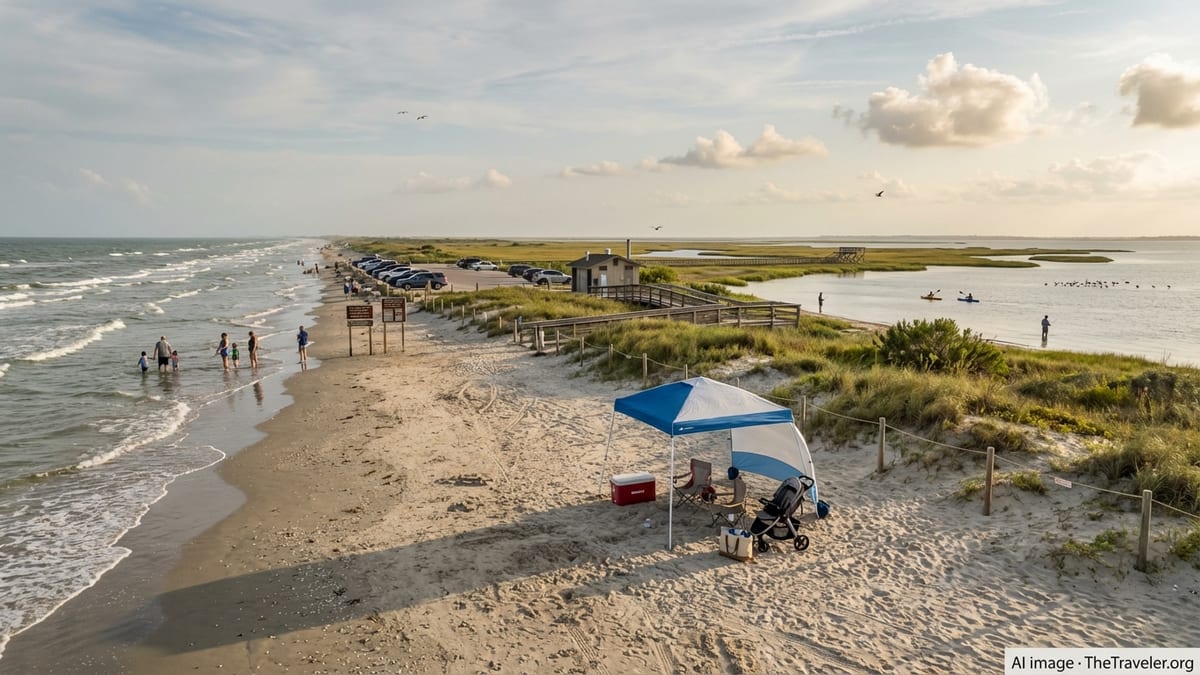
Understanding the Park Layout and Access
Unlike a simple beachfront park, Galveston Island State Park is split between two distinct areas on opposite sides of FM 3005: the beach side on the Gulf of Mexico and the bay side facing Galveston Bay. Each side has its own character, activities, and facilities. Getting oriented before you go will save you time at the entrance gate and help you choose the right area for your plans, whether you are there for a quick swim, a day of birding, or a full weekend of camping.
1. Beach Side vs. Bay Side Are Two Different Experiences
On the beach side, the focus is sand, surf, and sun. This is where you will find drive-up day use areas, beachside campgrounds with direct sand access, restrooms and rinse showers, and a more traditional Galveston beach atmosphere. It often feels livelier, especially on warm weekends and holidays, when local families and day trippers head straight for the Gulf.
The bay side is quieter and more nature focused. Here the landscape shifts to marshes, lagoons, and coastal prairie, with kayak launches, fishing access, birding platforms, and trails that wind through wetlands. There is no Gulf beach on this side, and you will not hear breakers crashing, but you gain tranquil sunset views, better wildlife watching, and a calmer camping experience.
If you plan to swim and sunbathe, prioritize the beach side. If you are more interested in paddling, fishing, or hiking with less crowd pressure, schedule significant time on the bay side. You can drive between the two areas in just a few minutes, but traffic along FM 3005 can slow to a crawl on peak days, so plan transitions with a bit of buffer.
2. There Is a Single Entrance Fee for the Whole Park
One of the advantages of Galveston Island State Park is that a single paid entry covers both sides. The standard daily entry fee is charged per person, with children 12 and under admitted free. Once you have paid, you can move between beach and bay sides without additional charges during the same day, which is ideal if you want a morning paddle and an afternoon at the beach.
If you plan to visit multiple Texas state parks or return to Galveston Island State Park more than a couple of times within a year, it is worth looking into the statewide park pass, which covers day-use entry for you and your guests for 12 months. That can quickly offset repeated daily fees, particularly for families or campers staying several nights.
Keep your receipt or windshield permit handy. Park staff and volunteers regularly check vehicles, especially on busy days, and having your proof of entry visible will save time and avoid confusion in the parking areas.
3. Facilities Vary Greatly Between Areas
Do not assume that every parking lot or shoreline in the park has the same amenities. On the beach side, restrooms and rinse showers are available near major day use and camping areas, but you may need to walk a bit from your chosen stretch of sand. There are no full-service bathhouses like you might find at a resort, and amenities remain intentionally limited to preserve a more natural setting.
On the bay side, you will find restroom and shower buildings near campgrounds and some trailheads, but much of the shoreline and marsh access remains primitive. Some fishing spots, birding platforms, and kayak put-ins have little more than signage and a small parking area. If you are planning to spend several hours exploring these areas, bring water, snacks, sun protection, and anything else you might need without relying on nearby concessions.
Reservations, Camping, and When to Visit
Galveston Island State Park is popular with both locals and out-of-town visitors, and the combination of beach access and affordable campsites means demand can spike during holidays, spring break, and mild-weather weekends. Understanding how the reservation system works and choosing the right season can turn a crowded scramble into a smooth, stress-free trip.
4. Campsites Fill Fast, Especially Beachside
The park offers a range of campsites on both beach and bay sides, with options that include beachside RV sites with electricity, tent-only platforms, primitive hike-in sites, and more traditional bay side sites with or without hookups. Nightly rates vary from roughly the mid-teens for primitive or basic sites to the mid-thirties for premium beachside sites, plus the separate daily entrance fee.
Because there are relatively few true waterfront camping opportunities on the Texas Gulf Coast, the electric sites on the beach side are in high demand. Weekends in peak season, school holidays, and three-day weekends often book out well in advance. Plan to make reservations as soon as you know your dates rather than waiting until the week of your trip.
On the bay side, sites tend to be slightly easier to secure at the last minute, but that can change on busy spring and fall weekends when anglers and birders converge. If you are flexible about hookups and views, you will have more options, but even then, it is wise to secure a site ahead of time rather than relying on walk-in availability.
5. Day Use Capacity and Holiday Crowds Are Real Factors
Even if you are not camping, you should treat peak-season day visits like an event that needs some planning. On summer weekends, spring break, and holiday periods, the park can reach its day use capacity, particularly on the beach side. When parking lots fill, new arrivals may be turned away or asked to wait until space opens.
If you want a relaxed experience on high-demand days, aim to arrive early in the morning, ideally before mid-morning. This not only increases your chances of securing a parking spot near your preferred beach access point but also helps you avoid the heaviest traffic on the causeway and West End roadways.
For a quieter trip, consider visiting on weekdays outside major holidays, or plan your visit for shoulder seasons like late fall and early spring. Water temperatures may be cooler, but you will gain gentler crowds, easier parking, and more room on the sand and trails.
6. Check for Construction, Restoration, and Special Alerts
Galveston’s coastline is in a constant state of maintenance and restoration, as city and state agencies respond to erosion and storm damage. Beach nourishment projects and dune restoration can temporarily close certain access points on the West End, even outside the state park itself. While these projects generally do not shut down Galveston Island State Park entirely, they can affect nearby traffic, crowd patterns, and alternative beach options.
Before your trip, review current park alerts from Texas Parks and Wildlife and pay attention to recent local coverage about coastal work, especially along the West End. That will help you understand whether any roads, facilities, or nearby beaches are affected, and it can inform whether you should adjust your timing or route to the park.
Galveston has also seen temporary beach closures in the past due to public-safety situations related to large gatherings. While those incidents do not represent day-to-day reality, they underline the value of scanning local news or city advisories if your visit coincides with spring break or informal events that draw large student crowds.
Weather, Tides, and Gulf Conditions
The Gulf of Mexico looks inviting from the sand, but conditions can change quickly. The combination of Texas heat, coastal storms, and shifting currents means visitors need to pay closer attention to the environment than they might at an inland lake or hotel pool. With no lifeguards in the state park, personal awareness is your first line of safety.
7. There Are No Lifeguards: Swim at Your Own Risk
Galveston Island State Park does not staff lifeguards along its Gulf beach. That means swimmers and waders must take full responsibility for their own safety. Rip currents, uneven sandbars, and strong shorebreak can all cause trouble even on seemingly gentle days, especially for children and inexperienced swimmers.
- Keep weak swimmers in very shallow water and within arm’s reach.
- Avoid swimming alone or at dusk and after dark.
- Pay attention to wind direction and surf height; if waves are strong enough to knock you off balance, conditions may not be suitable for children.
- Consider bringing life jackets for kids and cautious adults, even in waist-deep water.
Because the park’s facilities are relatively simple, do not expect the kind of visual warning systems found at city beaches. There may be posted signs about hazardous conditions, but you should still make your own assessment and err on the side of caution, especially after storms or strong wind events.
8. Heat, Sun, and Storms Demand Respect
Along the upper Texas coast, heat and humidity quickly compound the impact of sun exposure. Beachgoers often underestimate how fast they can become dehydrated or sunburned, especially when Gulf breezes make the air feel cooler than it is. The combination of saltwater, reflective sand, and wind can lead to fatigue and headaches by midday if you are not prepared.
Pack more water than you think you will need and drink regularly, not just when you feel thirsty. Use broad-spectrum sunscreen, reapply it often, and pair it with physical protection such as hats, sunglasses, and lightweight long sleeves. Portable shade like a canopy or beach umbrella is especially valuable at the park, where shade is limited.
Thunderstorms and sudden squalls are common along the Gulf Coast, particularly in the warm season. If thunder is audible, lightning is close enough to be a risk, and you should leave the water and open beach, returning to a hard-topped vehicle or enclosed shelter. Pay attention to darkening clouds and changing wind direction long before a storm is directly overhead.
9. Tides and Coastal Dynamics Shape Your Day
Galveston’s tides are relatively moderate compared to some oceanfront destinations, but the combination of wind, tide, and seasonal water levels can significantly change the width of the beach at Galveston Island State Park. On higher tides or days with persistent onshore winds, the dry sand may narrow, which can affect where you set up and how far you park from the water’s edge in nearby driving areas.
Surf anglers, paddlers, and shell hunters will also find that tide timing changes their experience. Low tide may reveal sandbars and shallow wade-fishing areas, while higher water can concentrate bait and game fish closer to shore. For paddlers on the bay side, wind and tide direction influence how easy it is to travel between marsh channels and open water.
Checking tide predictions before you go, and roughly timing your beach or paddling sessions around those windows, can improve safety and enjoyment. It can also help you decide which side of the park to emphasize on a given day, especially if one area is more affected than the other by wind or water levels.
Wildlife, Ecology, and Park Rules
Galveston Island State Park protects a mosaic of coastal habitats that support a wide range of wildlife, from migratory shorebirds to marsh-dwelling crabs and the occasional alligator. The same ecosystems that make this park special also require visitors to be mindful of their impact. Simple choices about where you walk, what you feed, and how you store your food can make a difference both for animals and for your own safety.
10. Expect Real Wildlife, From Birds to Snakes
The park is a well-regarded birding site along one of North America’s major flyways. Depending on the season, you may spot pelicans, herons, terns, and migrating songbirds along trails and boardwalks. On the bay side, marshes and ponds shelter wading birds, shorebirds, and occasional raptors. Bring binoculars and keep some distance so you do not disturb feeding or nesting behavior.
Reptiles and other less conspicuous creatures live here as well. Park guidance notes that poisonous snakes are found within the park boundaries, and visitors should watch where they step, especially in tall grass, along trail edges, and near water. Alligators may also be present in some wetland areas, and standard Texas coastal etiquette applies: never approach, feed, or harass them, and keep pets and children well away from the water’s edge in marshy zones.
Consider wearing closed-toe shoes rather than flip-flops when hiking or exploring bay side trails. Stay on marked paths and boardwalks both to protect sensitive vegetation and to reduce your chances of startling wildlife at close range.
11. Leave the Dunes and Vegetation Undisturbed
Dunes, seagrass, and coastal prairie plants are not just scenic backdrops; they are the island’s natural storm barrier. Walking or driving across dunes, cutting new footpaths, or removing vegetation weakens this protective line and accelerates erosion, which is already a serious challenge along the West End.
Use established boardwalks and marked access points to reach the beach. If an area is roped off or signed as protected, do not cross into it, even if it appears to be a shortcut. Many of these zones protect dune vegetation, bird nesting sites, or recently restored areas that are still fragile.
The same principle applies in the marshes and on the bay side. Stick to designated trails and launch points, and when paddling, avoid running boats through shallow seagrass beds or repeatedly grounding your craft on marsh edges. Small actions, multiplied by thousands of visitors each year, determine how resilient the park will be to storms and future sea-level rise.
12. Follow Core Park Rules to Protect the Resource
Most of the park’s regulations are straightforward, but they carry real consequences for both the environment and visitor experience when ignored. Common rules include check-in and check-out times for campers, limits on the number of people per campsite, quiet hours at night, and strict requirements to keep pets leashed and out of park buildings.
Alcohol consumption is regulated, and open containers are not allowed in many public spaces. Firewood gathering in the park is prohibited; if you plan to have a campfire in designated rings where conditions allow, bring your own approved firewood or purchase it in town. Trash must be packed out or placed in dumpsters before you leave, and campsites should be left clean to avoid attracting animals and degrading the landscape.
Obeying these rules makes the park more enjoyable for everyone, including your future self. Noise, litter, and off-road driving all erode the sense of wildness that makes Galveston Island State Park such a welcome contrast to the busier sections of the island’s beachfront.
Activities: Swimming, Fishing, Paddling, and Hiking
One of the main reasons visitors gravitate to Galveston Island State Park is the diversity of things to do within a relatively compact area. Whether you are traveling with kids, planning a solo photography trip, or camping with friends, you can mix beach time with trails, fishing, and time on the water. A little advance planning will help you match activities to your group’s abilities and interests.
13. Fishing Opportunities on Both Gulf and Bay Sides
Anglers have options on both sides of the park. On the Gulf side, surf fishing from the beach can yield species like whiting, speckled trout, and redfish, especially during early morning and evening windows. On the bay side, wade fishing, shore casting, and kayak-based fishing open the door to redfish, trout, flounder, and more, depending on season and conditions.
Texas state fishing regulations apply within the park, including license requirements, size and bag limits, and gear rules. Certain exemptions may apply to fishing from shore within Texas state parks, but you should confirm current regulations and boundaries before assuming you are covered. Even with license-free allowances, size and bag limits still apply, and game wardens do patrol coastal waters.
Bring appropriate gear for saltwater environments, including corrosion-resistant tackle and a plan for cleaning and storing fish. The park and nearby facilities provide limited infrastructure, so do not count on full-service fish-cleaning stations everywhere you cast a line.
14. Paddling the Marshes and Bay
On the bay side, calm mornings and evenings often provide ideal conditions for kayaking or canoeing through the park’s marsh channels and shallow bay waters. Designated launch sites give access to paddling trails that showcase wading birds, seagrass beds, and wide-open sky, especially at sunrise and sunset.
If you are bringing your own boat, check the latest guidance on launch locations, parking, and any temporary closures related to restoration work. Life jackets are required by Texas law, and paddlers should be prepared for rapidly shifting wind and chop, which can build even in shallow water. A strong onshore or offshore wind can make returning to your launch point much more strenuous than the outgoing leg of your trip.
For visitors who do not own boats, look for outfitters in the Galveston area that provide guided tours or rentals that can be used at the park. Guided sunset or birding-oriented paddles can be a rewarding way to see the bay ecosystem without worrying about navigation details.
15. Trails for Short Walks and Birding
While the park is not a mountain-hiking destination, it offers several short trails on the bay side that traverse marshes, ponds, and prairie habitats. Boardwalks and packed-earth paths allow you to experience coastal ecosystems up close, often with views of herons, egrets, and smaller migratory species. Most trails are relatively flat but can be hot and exposed, so bring water and sun protection.
Even if you are primarily there for the beach, setting aside an hour or two for a bay side trail can add variety to your trip and give you a better sense of why this area is protected. Early morning and late afternoon are typically the most comfortable times for walking and the most productive for bird activity.
Logistics, Packing, and Nearby Services
Because Galveston Island State Park sits within a short drive of grocery stores, restaurants, and gas stations, it is easy to underestimate how much planning you still need to do. While you are never far from town, you will enjoy your time more if you treat the park like a lightly serviced coastal preserve rather than an urban beach with every convenience at your elbow.
16. What to Pack for a Day or Weekend in the Park
For day visitors, the essentials include more water than you expect to drink, high-SPF sunscreen, a wide-brimmed hat, sunglasses, and some form of shade such as an umbrella or canopy. Beach chairs or a blanket, a small first-aid kit, and a basic beach bag for trash and gear will also make life easier. Sand stakes are useful for securing canopies in Gulf breezes.
Campers should add tent or RV gear, sleeping systems appropriate for the season, extra lighting, camp chairs, a stove or grill if campfires are restricted, and enough food to avoid constant trips back into town. Because amenities in the park are limited, it is wise to arrive with a full tank of fuel and ice chests already stocked, then use in-town stores to top up rather than as your only supply strategy.
For both day visitors and campers, pack insect repellent, especially if you plan to spend time on the bay side in warm, still conditions when mosquitoes can be active. Closed-toe shoes make sense for trails and marsh edges, while sandals or water shoes are practical for the beach and surf.
17. Pets, Children, and Accessibility Considerations
Pets are allowed in most outdoor areas of the park, provided they remain on a leash and under control at all times. They are not allowed in park buildings and may face restrictions in certain sensitive areas. High summer heat and hot sand can be harsh on animals, so plan for water, shade, and relatively short outings for dogs, especially in midday.
Families with children will find the beachside day use areas particularly appealing, but they must balance kid-friendly fun with the realities of no lifeguards, strong sun, and potentially heavy weekend crowds. Establish clear boundaries about how far children can go into the water, and use flotation devices where appropriate. Bringing toys, games, and snacks helps keep downtime happy during the hottest hours when you may prefer to limit water exposure.
Some facilities and campsites are designed with accessibility in mind, including a number of ADA-friendly camping spots and restrooms. Boardwalks and paved surfaces provide improved access in many areas, though soft sand and natural trails will still present challenges. Visitors with mobility concerns should review the latest park information on accessible facilities and consider calling ahead with specific questions.
The Takeaway
Galveston Island State Park offers something increasingly rare along the upper Texas coast: a stretch of shoreline and bayfront that still feels rooted in natural systems rather than dominated by development. The trade-off for that quiet beauty is a need for visitors to arrive prepared, patient, and respectful of both the environment and fellow guests.
By understanding the difference between beach and bay sides, planning ahead for campsites and busy holidays, monitoring weather and Gulf conditions, and respecting wildlife and park rules, you can turn a simple beach trip into a fuller experience of coastal Texas. Whether you come for a single sunset over the marsh or a long weekend of camping and fishing, a bit of forethought will allow Galveston Island State Park to show you its best side.
FAQ
Q1. Do I need a reservation to visit Galveston Island State Park for the day?
Not necessarily. Day visitors can usually enter without reservations, but on busy summer weekends and holidays the park can reach capacity, especially on the beach side. Arriving early in the day improves your chances of getting in and finding convenient parking.
Q2. Are there lifeguards on duty at the beach in Galveston Island State Park?
No. The park’s Gulf beach is unguarded, and visitors swim at their own risk. You should keep a close eye on children, stay in shallow water if you are not a strong swimmer, and avoid entering the Gulf during rough or stormy conditions.
Q3. Can I camp directly on the beach at Galveston Island State Park?
Yes, but only in designated beachside campsites. The park offers beach-adjacent RV and tent sites with varying levels of amenities. Camping outside of marked areas or in day use parking lots is not permitted, and reservations are strongly recommended for beachside camping.
Q4. Are pets allowed in the park and on the beach?
Pets are allowed in most outdoor areas, including many sections of the beach, as long as they are on a leash and under control. They are not allowed in park buildings and should be kept away from wildlife-rich marsh areas where alligators or nesting birds may be present.
Q5. What is the best time of year to visit Galveston Island State Park?
Spring and fall offer a good balance of pleasant temperatures, manageable crowds, and active wildlife, especially for birding and hiking. Summer is prime beach season but can be hot, humid, and crowded, while winter can bring cooler water and occasional cold fronts but quieter trails and campsites.
Q6. Is fishing allowed without a license inside the park?
Texas regulations offer some license exemptions for fishing from shore inside state parks, but details and boundaries can change. You should review current Texas Parks and Wildlife guidance before your visit and follow all size and bag limits even when a license is not required.
Q7. What kind of wildlife should I watch out for?
Common wildlife includes shorebirds, wading birds, crabs, and small mammals, along with snakes and the possibility of alligators in marshy areas. Give all wild animals space, watch where you step in tall grass or along water edges, and never feed or approach wildlife.
Q8. Are campfires allowed at Galveston Island State Park?
Campfires are permitted only in designated fire rings or grills when burn conditions allow. Gathering firewood in the park is prohibited, so you should bring your own approved firewood or charcoal. During periods of high fire danger, additional restrictions may be put in place.
Q9. How far is the park from restaurants and stores in Galveston?
The park is located on the island’s west end, a short drive from grocery stores, gas stations, and restaurants closer to central Galveston. Many visitors stock up in town before heading to the park, then make occasional trips back to restock ice, fuel, and other supplies as needed.
Q10. Is the park suitable for visitors with limited mobility?
Yes, to a degree. The park includes some accessible campsites, restrooms, and boardwalks that improve access to both beach and bay side areas. However, soft sand and natural trails can still be challenging. Visitors with mobility concerns should review current accessibility information and consider calling the park office with specific questions before their trip.