

Arizona is a state of big skies and even bigger landscapes, where red rock deserts, cool pine forests, tribal lands and dynamic cities all sit under the same desert sun. From standing on the rim of the Grand Canyon to wading into turquoise waterfalls, slot canyons and cactus forests, the challenge is not finding things to do but deciding what to fit into one trip. These 11 experiences span the best of Arizona, with suggestions on when to go, how to visit responsibly and how to stay safe in a place where heat and distance can be just as dramatic as the views.
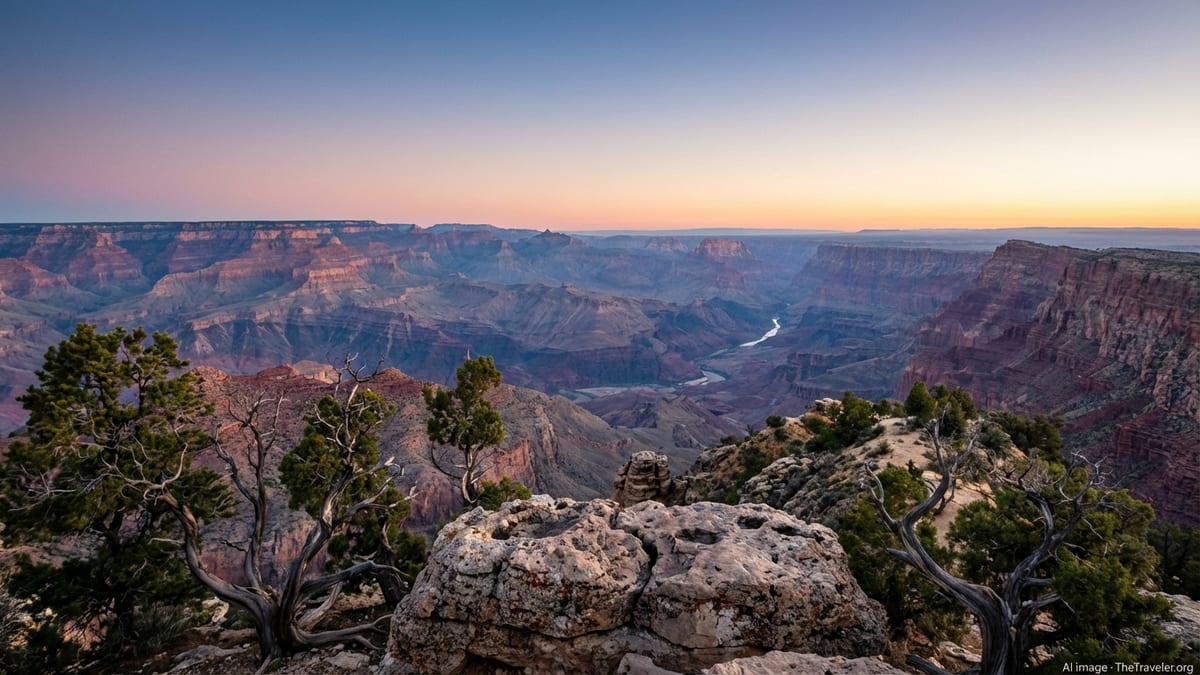
1. Stand on the Rim of the Grand Canyon
The Grand Canyon is Arizona’s defining landscape, a mile deep and up to 18 miles wide, carved over millions of years by the Colorado River. Most visitors experience it from the South Rim, home to classic overlooks such as Mather Point and Yavapai Point, historic lodges and a free shuttle system that connects viewpoints without the need to drive. Sunrise and sunset are particularly powerful, when the canyon walls shift from soft pinks to deep purples, and shadows reveal the depth of the gorge below.
Spring and fall bring milder temperatures and clearer skies, which suit hiking, cycling and photography. In summer, heat on the inner canyon trails can be dangerous, so many travelers choose to stay on the rim, join ranger talks or ride the shuttle out to Desert View for quieter overlooks and views of the watchtower. Winter sees fewer crowds, and light snow on the upper walls can make the canyon look even more dramatic, although some services are reduced.
Visitors planning to hike below the rim need realistic expectations. Even short descents feel much steeper and hotter on the climb back out than they appear from above. Water, salty snacks, sun protection and early starts are essential, and park authorities advise avoiding the steepest inner canyon routes during the heat of the day in peak summer. Choosing a shorter rim hike, such as the Rim Trail segments, allows you to sample the atmosphere without committing to a grueling ascent.
Beyond the viewpoints, the South Rim also offers a sense of history. The Grand Canyon Village Historic District includes early 20th century train depots, stone buildings and the rustic El Tovar Hotel, which helped define national park architecture. A ride on the Grand Canyon Railway from Williams creates a slower, more romantic arrival, while the Desert View area highlights Indigenous perspectives on the canyon, with exhibits and artwork that reflect the region’s long cultural history.
2. Explore Sedona’s Red Rocks and Vortex Trails
Encircled by red sandstone cliffs and buttes, Sedona is Arizona’s signature red rock town, known for hiking, off road tours, art galleries and a wellness scene built around so called vortex sites. Trails begin just minutes from the main roads, leading to panoramas over formations like Cathedral Rock, Bell Rock and Courthouse Butte. The colors shift throughout the day, with especially rich tones in the early morning and late afternoon, when long shadows stretch across the desert floor.
For many visitors, Sedona’s appeal is the mix of outdoor adventure and quiet reflection. Short walks such as the Bell Rock Pathway or the easy approach to the base of Cathedral Rock allow most travelers to experience the scenery without demanding scrambles. More experienced hikers tackle longer routes around the Twin Buttes or head up to vistas like Doe Mountain, making sure to carry water and observe local guidance on parking and trail use.
In town, Sedona’s galleries showcase Southwestern painting, sculpture and Native American jewelry, while small cafes and wine tasting rooms create an easygoing atmosphere after a day on the trails. Jeep tours and guided hikes introduce first time visitors to the geography and geology of the area, and can be a good option for those uncomfortable with route finding or rocky terrain. Advance reservations are strongly recommended during spring and fall, when demand is highest.
Rising visitation has led to parking congestion at popular trailheads, and local authorities have introduced shuttles to reduce traffic. Travelers can minimize their footprint by using shuttles where available, staying on signed paths to limit erosion and respecting residential areas that border public land. Sedona’s beauty is its biggest draw, and visiting with a light touch helps preserve the red rock backdrop that attracts people in the first place.
3. Hike Among Giant Cacti in Saguaro National Park
Near Tucson, Saguaro National Park protects one of the most iconic landscapes in the American Southwest: forests of towering saguaro cacti reaching skyward like natural sculptures. The park is divided into two districts on either side of the city, each with a scenic drive and a network of trails that weave between desert plants. Saguaros can reach heights of more than 40 feet and live for well over a century, and seeing hundreds of them silhouetted against sunset is a classic Arizona moment.
The Tucson Mountain District to the west offers particularly photogenic views at sunset, when golden light outlines the cactus arms and the mountains glow in the background. The Rincon Mountain District to the east rises higher in elevation, with slightly cooler temperatures on some trails and a mix of desert and foothill landscapes. Paved drives with pullouts allow travelers with limited time or mobility to enjoy the scenery without committing to long hikes.
Desert hiking here rewards careful observation. In addition to saguaros, you will see prickly pear, cholla, ocotillo and barrel cacti, as well as lizards, birds and, with luck, desert bighorn sheep or javelina. Spring wildflower blooms can carpet the desert floor after wet winters, while late spring and early summer produce dramatic saguaro blossoms that transform the giant cacti into temporary bouquets. As in much of Arizona, sturdy footwear, sun protection and an honest assessment of heat tolerance are vital.
Because of rising summer temperatures, many visitors plan their Saguaro National Park time around dawn or the last hours before sunset. Short nature loops close to the road are ideal for these cooler periods, and they offer plenty of views for photography. Staying hydrated, carrying more water than you think you will need and turning back if anyone in your group starts to feel unwell are simple habits that make desert exploration safer and more enjoyable.
4. Discover Native American Heritage at Monument Valley
Straddling the Arizona Utah border, Monument Valley is a landscape of towering sandstone buttes rising from an otherwise open plain, familiar from classic Western films, photography and advertising. This is Navajo Nation land, and visits typically begin at Monument Valley Navajo Tribal Park, where overlooks provide sweeping views over the Mittens and other iconic formations. Sunrise and sunset cast long shadows and soft colors across the valley, and on clear nights the Milky Way can be visible with little light pollution.
Travelers can drive the main 17 mile loop road in their own high clearance vehicle when conditions allow, but many choose guided tours led by Navajo guides. These tours often access areas beyond the self drive route, share stories about traditional life, and explain the cultural significance of particular formations. The emphasis is as much on living culture and history as on geology, and respectful listening is an important part of the experience.
Weather and seasonal conditions influence access, with heavy rain sometimes closing roads or limiting where vehicles can safely travel. Wind can whip up dust in spring, while summer thunderstorms bring dramatic clouds and lightning that should be watched from safe locations. Cooler months offer clearer air and more comfortable daytime temperatures, though nights can be cold at this elevation.
Because Monument Valley is remote, planning ahead for lodging, fuel and food is essential. Options in the immediate area are limited, and distances between services are greater than many visitors expect. Booking rooms or campsites well in advance, confirming tour times and building extra time into driving plans help prevent last minute stress in an area that invites a slower, more reflective pace.
5. Walk Through Antelope Canyon and View Horseshoe Bend
Near Page, in northern Arizona, narrow corridors of sculpted sandstone create the world famous slot canyons known collectively as Antelope Canyon. Sunbeams filtering through narrow openings overhead transform the walls into swirling bands of orange, red and purple, making this one of the most photographed places in the Southwest. Because of flash flood risk and the need to protect sensitive terrain, access is only permitted with authorized Navajo guides, and tours often sell out well in advance during peak seasons.
Upper and Lower Antelope Canyon each offer different experiences. Upper Antelope is relatively flat and easier to walk, with wider spaces and the possibility of seeing dramatic light beams at certain times of year. Lower Antelope involves ladders and tighter passageways, which can feel more adventurous but require comfort with confined spaces and uneven footing. Recent years have seen updated safety procedures and stricter group management to handle demand and protect visitor safety.
A short drive away, Horseshoe Bend offers a sweeping view of a tight U shaped curve in the Colorado River, 1000 feet below a sandstone cliff edge. A graded path leads from the parking area to a fenced viewpoint, with areas of open rim where caution is still crucial, especially in windy conditions. The overlook can be extremely hot in summer, and the walk, though short, is fully exposed to the sun with limited shade.
Both Antelope Canyon and Horseshoe Bend illustrate how fragile and powerful water shaped the Colorado Plateau over time. Visitors help preserve these landscapes by keeping to designated paths, following guide instructions and avoiding litter. Early morning and late afternoon visits not only offer softer light for photography but also reduce exposure to midday heat on exposed trails and viewpoints.
6. Chase Turquoise Waterfalls at Havasu Falls and the Havasupai Reservation
Deep within a side canyon off the Grand Canyon, the Havasupai Reservation is home to Havasu Falls, Mooney Falls and other turquoise colored cascades that plunge into travertine pools. The striking color comes from mineral rich water and sunlight, creating an almost tropical look in an otherwise rugged desert setting. This is tribal land, not a national park facility, and visiting is a privilege governed entirely by the Havasupai Tribe’s own rules and permit systems.
Reaching the falls requires an approximately 10 mile hike each way from the rim to the village and campground, often in hot, exposed conditions. There is no day hiking allowed; visitors stay overnight in the campground or at the small lodge, and must pack in appropriate gear, food and water treatment options. The trail can be especially demanding on the climb out, and preparing with training, realistic pack weights and an early start is essential.
In recent years the tribe has overhauled its permit process, phasing out older lotteries and third party transfer boards in favor of a more streamlined reservation system that allows travelers to secure permits earlier and with clearer rules. Permits are limited, nontransferable and typically sell quickly, reflecting both the fragility of the canyon environment and the tribe’s desire to manage tourism at a sustainable level. Checking the latest tribal announcements before planning a visit is critical, as policies can change from season to season.
Once in the canyon, visitors are expected to follow local guidance on where to camp, how to store food and how to move around sensitive areas near the waterfalls. Alcohol and certain other items are prohibited, and drones and amplified music are not permitted. Respect for local culture, privacy and basic leave no trace principles is particularly important in Havasupai, where everyday life continues alongside tourism.
7. Experience Desert Culture in Phoenix and Scottsdale
The Phoenix metropolitan area is Arizona’s largest urban center, set in the Sonoran Desert and ringed by low, rocky mountains. Phoenix and neighboring Scottsdale offer a mix of outdoor recreation, arts, dining and resort experiences that can balance rugged landscapes elsewhere in the state. Visitors can hike city mountain preserves in the morning, visit museums in the afternoon and dine on Southwestern or global cuisine in the evening.
Camelback Mountain, Piestewa Peak and South Mountain Park and Preserve are popular hiking destinations, offering steep climbs and wide city views. In response to increasingly extreme summer temperatures, city authorities have introduced heat safety programs that include trail restrictions during periods of excessive heat, reminding visitors that local hikes can be as demanding as backcountry trails. Many locals shift their outdoor activities to dawn or after dark in peak summer months, and travelers benefit from adopting the same habit.
Indoors, the Heard Museum highlights Native American art and history, while the Phoenix Art Museum and smaller galleries showcase regional and international work. In Scottsdale, Old Town combines historic storefronts with contemporary restaurants, tasting rooms and boutiques, and the city’s resorts are known for pools, desert inspired spas and golf courses framed by cacti and mountains. These urban stops can provide welcome breaks between more remote drives and hikes.
Because heat can be intense from late spring through early fall, basic precautions are important even in the city. Carry water when walking between attractions, use sun protection and build time into your day for shade, air conditioning and rest. Local transit, rideshare services and shaded parking all help limit time spent in full sun, and checking weather forecasts before planning outdoor activities can prevent uncomfortable or unsafe conditions.
8. Step Back in Time in Tucson and the Sky Islands
Southern Arizona centers on Tucson, a city shaped by Indigenous, Spanish, Mexican and Anglo influences, surrounded by “sky island” mountain ranges that rise abruptly from the desert floor. The historic downtown and neighborhoods such as Barrio Viejo feature adobe homes, colorful murals and a slower pace than Phoenix, while the University of Arizona, local food scene and arts spaces give the city an energetic core. Nearby, mountain roads climb to pine forests, offering cooler air and very different ecosystems from the desert below.
On the edge of town, Mission San Xavier del Bac, a centuries old Spanish colonial church on Tohono O’odham land, is one of Arizona’s most important historic buildings, its white facade and ornate interior visible for miles. To the east, the Mount Lemmon Highway switchbacks up through saguaro studded foothills to forests of oak, pine and fir, where temperatures can be dramatically cooler in summer and winter sports are sometimes possible in colder months.
Tucson is also designated as a UNESCO City of Gastronomy, reflecting a long agricultural history and a contemporary culinary scene that draws on Sonoran, Mexican and Native American traditions. From roadside taco stands to chef driven restaurants, food often emphasizes local chiles, mesquite, heritage grains and seasonal desert ingredients. For many travelers, eating well becomes as central to their Tucson experience as hiking or history.
Like the rest of Arizona, Tucson experiences very hot summers, and heat awareness is part of any outdoor plan. Hikers typically aim for early morning starts on desert trails and carry extra water even on short outings. During monsoon season, afternoon thunderstorms can bring localized flooding and lightning, so checking forecasts before heading into canyons or onto high ridges is wise.
9. Descend Underground at Kartchner Caverns and Explore Southern Arizona
While Arizona is famous for wide open desert vistas, some of its most impressive geology lies underground. Kartchner Caverns State Park, southeast of Tucson, protects a living cave system filled with stalactites, stalagmites and delicate mineral formations that continue to grow. Guided tours follow carefully designed paths that maintain stable temperature and humidity, and strict rules limit contamination from outside, preserving the cave’s fragile environment.
For travelers, Kartchner Caverns offers a striking contrast to the sunlit desert above. The cave maintains a relatively constant temperature year round, providing a naturally cool environment even during the hottest months. Interpretive displays in the visitor center explain how the cave was discovered, mapped and protected, and why gating and limited group sizes are important to its long term survival.
Southern Arizona beyond the caverns contains a mix of historic towns and bird rich mountain canyons. Bisbee, a former mining town now known for its steep streets, galleries and vintage hotels, and Tombstone, with its Old West reenactments, both make popular day trips. In the nearby Huachuca and Santa Rita mountains, canyons such as Ramsey Canyon and Madera Canyon draw birders hoping to see hummingbirds, trogons and other species that reach the northern edge of their range here.
Distances in this part of the state can be deceptive, and cell coverage varies, so drivers should keep fuel tanks topped up and carry water and basic supplies in the car. Heat can still be a factor when walking around historic districts or hiking canyon trails, so hats, sunscreen and steady hydration remain important even when cooler mountain air offers some relief.
10. Follow Route 66 and Explore Northern Arizona Towns
Northern Arizona is crisscrossed by remnants of historic Route 66 and dotted with mountain and plateau towns that break up long drives between national parks and tribal lands. Flagstaff, sitting at about 7000 feet, offers a cool contrast to the desert, with pine forests, a lively downtown and easy access to the San Francisco Peaks. In winter, nearby slopes draw skiers and snowboarders, while summer brings hikers and mountain bikers to alpine trails.
Along the old Route 66 corridor, towns like Williams, Winslow and Seligman preserve vintage motels, neon signs and diners that nod to mid 20th century road trip culture. Many travelers use Williams as a base for visiting the Grand Canyon, including those who take the historic train line north to the South Rim. In Winslow, a downtown corner made famous in song has become a small pilgrimage spot for fans of classic rock, while local museums highlight rail and frontier history.
Further east, Petrified Forest National Park and the Painted Desert protect colorful badlands and vast fields of fossilized wood, which reveal ancient ecosystems that once flourished here. Short trails and roadside viewpoints allow visitors to experience the landscapes without strenuous hiking, and the wide open vistas emphasize just how much empty space still defines much of Arizona. Clear nights in this part of the state often deliver excellent stargazing.
Weather in northern Arizona is more variable than many visitors expect. Summer days can still be hot, but nights cool off significantly at higher elevations, and winter storms can bring snow and ice to roads, including interstate highways. Checking forecasts, carrying layers and allowing flexibility in travel plans help ensure that changing conditions enhance, rather than disrupt, the experience.
11. Experience Lake Life in the Desert at Lake Powell and Beyond
In a state defined by arid landscapes, Arizona’s reservoirs and rivers offer a different kind of recreation. Lake Powell, stretching along the Arizona Utah border, is a maze of flooded canyons where boaters, paddlers and houseboat guests explore sandstone walls that rise straight from the water. Water levels fluctuate with long term climate and water management decisions, changing the appearance of shorelines and the accessibility of certain side canyons over time.
For visitors, Lake Powell is often about finding quieter coves and side arms where red rock cliffs reflect on still water. Boat rentals, guided tours and kayak outfitters operate from marinas near Page, giving travelers without their own boats a way to experience the lake safely. Life jackets, awareness of weather forecasts and respect for changing water conditions are fundamental, particularly in narrow canyons where wind and waves can be amplified.
Elsewhere in Arizona, lakes such as Lake Havasu, Roosevelt Lake and the Salt River reservoirs near Phoenix provide opportunities for swimming, paddling, fishing and riverside picnics. Summer weekends and holidays can be very busy on popular sections, while shoulder seasons provide a calmer atmosphere and milder temperatures. As always in desert environments, sun exposure on water can be intense, so shade, hydration and regular breaks are just as important as they are on hiking trails.
Water recreation areas often lie a considerable distance from major services, so carrying sufficient fuel, drinking water and basic safety gear in the vehicle is sensible. Observing local regulations on boating, campfires and shoreline access protects both visitors and wildlife, and helps keep Arizona’s limited water resources healthy for the long term.
The Takeaway
Arizona offers a remarkable range of experiences, from world famous landmarks like the Grand Canyon and Antelope Canyon to lesser known caverns, mountain towns and tribal landscapes. Travelers can move in a single day from saguaro studded desert to cool pine forests or subterranean chambers, and from remote viewpoints to vibrant cities. The variety makes Arizona rewarding not only for a once in a lifetime trip but also for repeat visits that focus on different regions or themes.
At the same time, Arizona demands respect. Heat, distance and elevation changes can turn casual outings into serious challenges if visitors underestimate conditions. Building plans around early and late daylight, carrying more water than seems necessary, checking current regulations on tribal and public lands, and listening to local advice all make trips safer and more enjoyable. Responsible travel here means balancing adventure with caution and curiosity with care.
For those willing to prepare and move at a thoughtful pace, Arizona delivers some of the most memorable landscapes in North America. Whether you are watching first light spill into the Grand Canyon, listening to wind in a forest of saguaros or drifting on calm desert water, the state rewards attention to detail and openness to both its beauty and its limits.
FAQ
Q1. When is the best time of year to visit Arizona?
The most comfortable periods are generally spring and fall, when desert temperatures are milder and high country roads are usually clear of snow.
Q2. Is it safe to hike in Arizona in summer?
It can be, but only with careful planning. Early starts, short routes, abundant water and avoiding trails during excessive heat warnings are essential.
Q3. Do I need a permit for the Grand Canyon?
No permit is required for standard South Rim sightseeing, but you do need permits or reservations for backcountry camping, river trips and certain organized activities.
Q4. How can I visit Antelope Canyon?
You must book a guided tour with an authorized operator, as access is on Navajo Nation land and independent entry is not allowed for safety and conservation reasons.
Q5. Is Havasu Falls open to everyone?
Visiting Havasu Falls requires advance reservations made through the Havasupai Tribe. Numbers are limited, rules are strict and permits often sell out quickly.
Q6. Do I need a car to explore Arizona?
A car is highly recommended, as public transportation between major sights is limited and distances between towns and parks can be significant.
Q7. How should I prepare for Arizona’s heat?
Wear light clothing, use sunscreen, drink water regularly, plan outdoor activity for cooler hours and check heat advisories before heading out.
Q8. Are there family friendly things to do in Arizona?
Yes. Easy desert nature trails, urban museums, lake outings, scenic drives and short canyon walks can all work well for families with children.
Q9. Is it necessary to book tours and lodging in advance?
For popular destinations such as the Grand Canyon, Sedona, Antelope Canyon and Havasupai, booking several months ahead is strongly advised, especially in peak seasons.
Q10. How can I travel responsibly on tribal lands in Arizona?
Follow posted rules, use authorized guides, ask before photographing people, avoid restricted areas and remember that you are a guest in living communities, not open parkland.