

More news on this day
Travelers eyeing 2026 summer vacations are being urged to lock in flights sooner rather than later, as rising oil prices and a still‑fragile global aviation system threaten to push airfares higher and increase the risk of renewed travel chaos.
Get the latest news straight to your inbox!
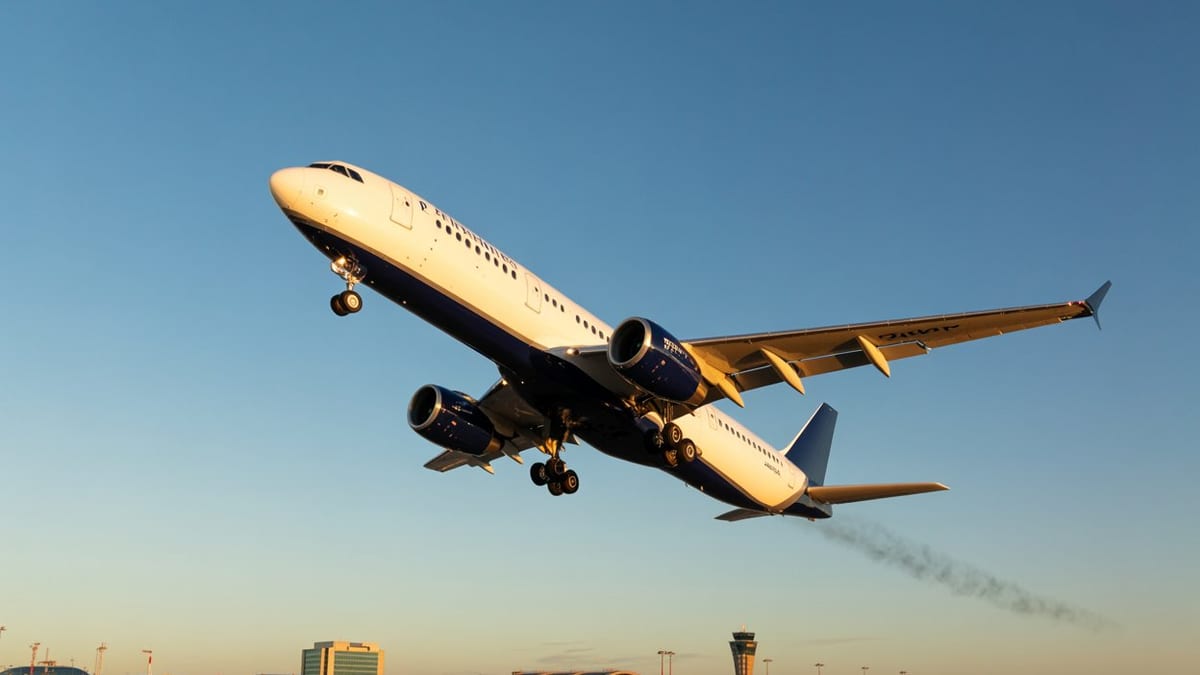
Image by Travel And Tour World
Oil Shock Fears Put Upward Pressure on Summer Fares
Oil markets have turned volatile again in early 2026, with the conflict involving Iran and disruptions around the Strait of Hormuz sending crude prices sharply higher. Publicly available energy data show benchmark prices climbing back above 100 dollars a barrel in March, a level not seen since the early stages of the war in Ukraine, raising concerns that fuel costs could filter quickly into ticket prices.
Jet fuel has already begun to reflect that strain. A recent European aviation overview reported jet fuel at its highest level since mid‑2024, after a steep rise in late February. Industry analyses typically note that fuel accounts for around a quarter of airlines’ operating costs, meaning even relatively small percentage increases can have an outsized impact on profitability if carriers do not pass them on to passengers.
Recent airline and financial coverage indicates that major United States carriers are so far managing to absorb some of the shock thanks to robust demand and record bookings. However, history suggests that a sustained period of elevated fuel prices tends to translate into higher base fares, more aggressive surcharges, and tighter capacity as airlines prune marginal routes to protect margins.
Forecasts from global aviation bodies had pointed to only modest fare increases in 2026 before the latest geopolitical flare‑up. With jet fuel assumptions now being revised upward, analysts caution that headline projections may understate the potential for price spikes if oil remains expensive as the peak northern hemisphere travel season approaches.
Demand Is Strong, But Capacity and Networks Are Vulnerable
Search and booking data compiled by major travel platforms for 2026 show that appetite for international trips remains high after several years of pent‑up demand. Forward‑looking trend reports point to solid interest in transatlantic routes, the Caribbean and parts of Asia over the full year, even as some corridors, such as certain Europe to United States services in July, show softer early bookings compared with 2025.
For travelers, that mixed picture can be deceptive. Weaker advance sales on specific routes may generate scattered deals in the near term, but airlines retain the ability to cut frequencies or redeploy aircraft later in the planning cycle if demand does not materialize, which can tighten supply and firm up prices closer to departure. Analysts say that dynamic could be intensified if carriers face higher fuel bills at the same time.
Business‑travel forecasts from industry associations had anticipated a period of relative price stability through 2025 and 2026 after sharp post‑pandemic increases. Yet those same outlooks stressed that projections were highly sensitive to energy costs and macroeconomic shocks. The latest surge in oil prices, combined with ongoing cost pressures from labor and aircraft shortages, is now testing the resilience of airline networks as they prepare summer schedules.
Network planners are also still contending with bottlenecks in aircraft deliveries and maintenance slots, which limit how quickly capacity can be added back. Any need to pull back flying because of fuel costs or operational constraints could concentrate demand onto fewer seats, eroding the “summer of savings” trend some travelers enjoyed when fares briefly softened in parts of 2025.
Lessons From Recent Flight Chaos in the US and Europe
The risk is not limited to higher prices. Recent summers have highlighted how quickly flight operations can unravel under strain, and many of the underlying issues remain unresolved. In the United States, aviation briefings have repeatedly flagged shortages of air traffic controllers, aging technology and weather‑related disruptions as key contributors to delays, with training pipelines not expected to be fully restored until well into 2026.
Europe has faced its own turbulence. Operational reviews of the 2025 peak season documented widespread cancellations and delays across major hubs, driven by a combination of air traffic control staffing problems, industrial action, ground‑handling bottlenecks and severe weather. Network managers warned that even small schedule shocks early in the day could cascade into system‑wide disruption because of tight turnarounds and congested airspace.
More recently, a high‑profile incident involving a collision at New York’s LaGuardia Airport has drawn renewed attention to the workload facing controllers and first responders at busy facilities. Reporting on the event described a complex series of simultaneous challenges, illustrating how close to the edge many hubs are operating when traffic is heavy.
While regulators and industry groups have introduced measures to improve resilience, such as adjusted slot rules and investments in air traffic systems, progress is incremental. Analysts caution that if summer 2026 brings a familiar mix of volatile weather, staffing gaps and record passenger volumes, travelers could again see rolling delays and cancellations, particularly at capacity‑constrained airports.
Booking Strategies Shift as Reports Urge Travelers Not to Wait
For years, consumers have been advised to wait for sweet‑spot windows before purchasing tickets, but some of that thinking is being reconsidered for 2026 in light of the new fuel and disruption risks. A widely cited airfare trends report from a major online travel agency still finds that booking roughly one to one and a half months before departure can yield savings on average, based on historical data through late 2025.
However, travel‑industry commentary now emphasizes that those averages may not hold if jet fuel costs continue to climb into the summer. With the probability of higher fares later in the season increasing, some analysts argue that travelers who see acceptable prices on key summer dates should consider securing them earlier than usual, particularly for long‑haul or peak‑week itineraries.
Specialist travel publications focusing on 2026 have begun to highlight strategies such as monitoring fare alerts, using flexible date searches to spot early spikes on specific days, and locking in flights while keeping accommodation more flexible. In a context where airlines may adjust schedules or pricing with limited notice, flexibility on airports, connection points and even trip length can offer a buffer against sudden changes.
Travel advisers also stress the importance of factoring potential disruption into planning, not just cost. For families and travelers on tight timelines, choosing earlier flights in the day, allowing longer layovers, and avoiding historically congested hubs where possible can reduce the risk of missed connections if operational problems re‑emerge at scale this summer.
What Travelers Should Watch in the Coming Weeks
As the northern summer approaches, several indicators will help travelers gauge whether conditions are improving or deteriorating. Key among them are movements in crude and jet fuel benchmarks, any announcements from oil‑producing nations on output policy, and updated economic outlooks from aviation bodies that incorporate the latest energy prices.
Operational signals will matter as well. Updates from air navigation service providers on staffing levels, schedule adjustments by major carriers, and early holiday‑period performance at key hubs can all offer clues about the likelihood of congestion. European air traffic authorities, for example, now issue regular network overviews that summarize delay trends and capacity constraints heading into peak weeks.
For now, publicly available booking data and corporate commentary suggest that travelers are continuing to plan trips despite higher costs and uncertainty. That resilience supports airlines but also means that, if oil prices stay elevated, competitive pressures to keep fares low may gradually give way to the need to protect balance sheets.
For anyone targeting a 2026 summer getaway, the emerging consensus from travel data and economic reports is clear: the balance of risk has shifted toward higher prices and possible renewed travel disruption. Waiting for last‑minute bargains could prove far more expensive than in recent years, both in terms of money and stress at the airport.