

Perched on the windswept shores of Hudson Bay, Churchill, Manitoba, offers one of the most intense wildlife and northern sky experiences on Earth. Whether you have three tightly planned days or a more relaxed five, this remote town delivers close encounters with polar bears, beluga whales in season, vast subarctic tundra, and, with luck, the luminous sweep of the northern lights. This guide walks you through how to structure a 3 to 5 day itinerary focused on wildlife and northern experiences, when to go, how to get there, and what to expect on the ground.
Choosing Your Season: Polar Bears, Belugas, or Northern Lights
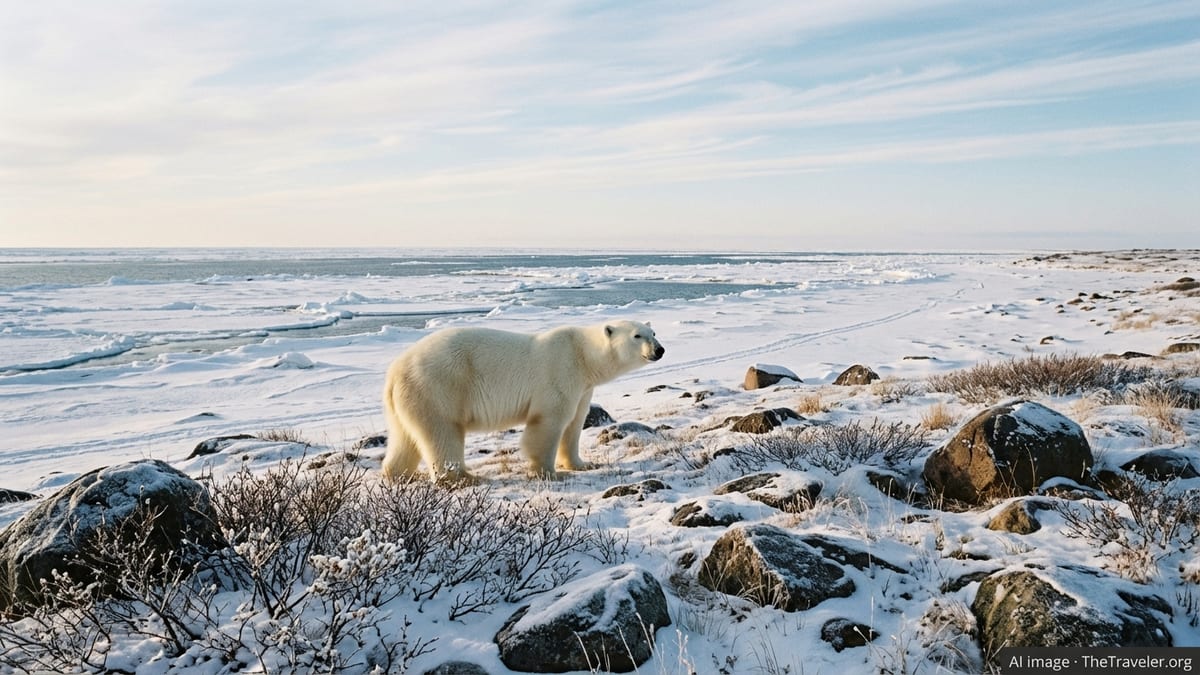
Before you sketch out daily plans in Churchill, it is crucial to decide what you most want to see. The town is famous for polar bears, beluga whales, and the aurora borealis, but they peak in different seasons. Polar bear viewing is at its most reliable from mid October to mid November, when bears congregate along Hudson Bay waiting for sea ice to form so they can hunt seals. During this late fall window, sightings from tundra vehicles or guided coastal tours are generally frequent and conditions feel distinctly Arctic, with snow on the ground and temperatures well below freezing.
If you dream of sharing the water with white whales, plan for summer. From roughly mid July through late August, thousands of beluga whales migrate into the warm, shallow Churchill River and nearby estuaries to calve, feed, and socialize. Boat tours, zodiacs, and in some cases snorkeling in drysuits bring visitors within meters of curious belugas that often approach vessels on their own terms.
Northern lights technically shimmer above Churchill about 300 nights a year, but peak viewing runs from about January through March, when long, dark, typically clear nights create ideal conditions. During polar bear season in October and November, aurora displays are possible, though cloud cover is more common. Many tour operators still monitor the sky and wake guests if activity appears, so you should always pack for late night viewing in any season.
For travelers seeking a combination of wildlife and sky, late summer into early fall can deliver what some locals call the Churchill "trifecta" of bears, belugas, and borealis. In August and September, days shorten, odds of seeing aurora increase, belugas are still present in the river through late August, and polar bears begin reappearing along the coastline. This shoulder season can be an excellent foundation for a 3 to 5 day trip that balances water, land, and sky.
Getting to Churchill and Practical Planning
Churchill is remote and roadless, so reaching it requires either a flight or train journey. Most travelers route through Winnipeg, the provincial capital, then continue by air to Churchill on regional carriers, arriving in about two hours. This is the fastest and most predictable option, particularly during winter and shoulder seasons when weather can disrupt schedules. Seats can sell out during peak polar bear or beluga periods, so advance booking is essential.
The alternative is the overnight train along the Hudson Bay Railway from Thompson or The Pas, a slow and scenic journey that crosses boreal forest and tundra before rolling into Churchill. The train adds one or two days to your overall timeline, so it fits best into a five day or longer trip. For visitors with only three full days on the ground, flying both ways maximizes time for wildlife excursions.
Accommodation in Churchill ranges from small hotels and lodges in town to specialized wilderness lodges accessible only by plane or boat. In polar bear season especially, rooms often book out many months ahead. Many travelers opt for packaged trips that bundle flights, lodging, and guided activities, simplifying logistics in a place where supply is limited and schedules depend heavily on weather and wildlife conditions.
Packing well is as important as planning. In summer, expect cool to mild temperatures on land and much colder conditions on the water, particularly when wind chills off Hudson Bay. Layers, waterproof outer shells, hats, and gloves are still recommended. In late fall and winter, Churchill can be bitterly cold, with wind driving temperatures far below freezing. Insulated boots, thermal base layers, heavy mitts, face protection, and a serious parka make time outside safer and more comfortable. Many operators can provide heavy outerwear, but it is wise to confirm details before you depart.
Sample 3 Day Itinerary: Classic Polar Bear Focus
A three day stay works best if you concentrate on one main objective. For most visitors that means polar bears in late October or early November. This sample plan assumes arrival by air, with organized tours booked in advance through a local operator or lodge.
On Day 1, arrive in Churchill on a morning flight, transfer to your accommodation, and settle in. Many itineraries begin with an orientation to town, including a visit to local interpretive centers and museums that explain Churchill's natural and cultural history, from Indigenous presence to the era of the Prince of Wales Fort and modern research on polar bears. In the afternoon, a short guided town and area tour may include stops at observation points along the coast, old military sites, or the stone inukshuk overlooking Hudson Bay, with constant attention to bear safety.
Day 2 becomes your primary polar bear day. Full day excursions in specialized tundra vehicles or bear viewing vehicles head out early and spend long hours rolling slowly across the coastal flats and frozen ponds where bears tend to gather. Large windows, outdoor viewing platforms, and raised height offer safe but intimate views of bears at rest, mothers with cubs, and occasionally young males sparring. You might also see Arctic foxes, ptarmigan, and other hardy wildlife. A packed lunch on board allows you to stay out until late afternoon, returning to town tired and full of memory cards.
On Day 3, use a second half or full day to round out the experience. Depending on your interests and conditions, this could mean another tundra vehicle outing to a different area, a guided hike or photography tour in safer zones away from bears, or time with local dog sledding outfitters for an introduction to dog teams and a short run through the boreal forest. If skies are clear at night during any of your evenings, keep watch for northern lights, even if they are a bonus rather than the main focus at this time of year.
Extending to 4 or 5 Days: Deeper Wildlife and Northern Experiences
With an extra day or two, you can slow the pace and add variety. A four or five day visit during polar bear season allows at least two full days on the tundra, which significantly improves your chances of witnessing a range of behaviors under different light and weather conditions. Bears may be more active on one day than another, and additional time often brings richer stories and photographs.
An expanded itinerary might include a dedicated cultural and historical day in town. You could spend time at local heritage centers, learn about the region's Indigenous communities and their relationship with the land, and explore exhibits on Arctic ecology and climate change. Walking tours within the safe core of town, always following local guidance on polar bear safety, provide context for everyday life in a place that routinely sees wildlife passing just beyond its edges.
Another extra day can be devoted to northern lights and winter activities if you are visiting from late fall through March. Several operators offer nighttime aurora excursions that pair heated viewing domes or warm shelters with guided photography assistance. You might combine this with dog sledding, snowshoeing in safe areas, or simply time spent under the stars away from the small halo of town lights. The slower tempo of a five day stay reduces pressure and leaves room for weather delays, which are inevitable in the subarctic.
If you are traveling in late summer instead of fall, a four or five day itinerary lends itself to mixing bear and beluga experiences. You can alternate days on the water with days exploring the tundra and shoreline, scanning for early season bears and flocks of migratory birds that are often abundant in July and August. Longer stays also open the possibility of helicopter or small plane flights along the coast, where you may spot bears roaming beaches and belugas swirling in estuaries from the air.
Summer Version: 3 to 5 Days of Belugas, Coastal Bears, and Soft Nights
For a trip focused on belugas and mild-weather northern experiences, plan your 3 to 5 day stay in Churchill between mid July and late August. This is when the Churchill River comes alive with white whales, often visible directly from shore, from boats, or from zodiacs. Water temperatures are still cold, but air temperatures can be surprisingly comfortable compared with the deep cold of winter.
On a compact three day summer itinerary, you might dedicate one full day to a boat based beluga tour that combines whale watching with views of coastal landmarks and the remains of early military and trading sites. A second day could center on more active options such as kayaking among belugas with specialized operators, or donning a drysuit to float in the water while whales investigate. Evening hours are perfect for guided walks along safer sections of shoreline where you can scan for birds, Arctic fox, and the first polar bears to return to land after months on the sea ice.
Expanding to four or five days gives you space to repeat beluga outings in different light or with different operators, giving a fuller picture of beluga behavior. You can add a day trip inland or along the coast by vehicle or boat that focuses on tundra scenery, plant life, and the broader ecosystem. As August progresses and nights grow longer, you also gain a modest chance of northern lights, especially if you stay up late on clear evenings or venture just outside town with a local guide.
Even in summer, bear safety remains serious business. While polar bears are generally more dispersed than in October and November, individuals do wander along the coast and near the river. Guides and local authorities monitor conditions closely and may adjust walks or shoreline activities at short notice. Building flexibility into a longer stay helps ensure that any such changes become part of the adventure rather than a disruption.
Winter and Aurora Focus: A Different Churchill
From January through March, Churchill transforms into a stark winter world suited to travelers whose main goal is the northern lights and the feel of deep cold. During this season, most polar bears are far out on the sea ice hunting seals, so sightings near town are uncommon. Instead, the draw is the sky itself, which often glows with green and occasionally red or purple curtains of light.
A three day winter itinerary usually orbits around nighttime aurora excursions. During the day, you might explore town, visit interpretive centers, and join guided outings on snowshoes or by vehicle to vantage points where, in daylight, you can appreciate the stark horizon of Hudson Bay and the frozen Churchill River. Nights are reserved for trips to heated domes, cabins, or specially designed viewing vehicles positioned away from light pollution.
With four or five days, you greatly improve your chances of seeing at least one strong aurora display, since conditions depend on both solar activity and local weather. Extra nights also let you sample multiple viewing locations and perhaps refine your photography, experimenting with different foregrounds and compositions. Some operators pair aurora trips with daytime dog sledding, cross country skiing, or cultural programs that explore winter life in the north, turning a sky focused visit into a rounded subarctic experience.
Travel in deep winter is more weather sensitive than in summer or fall, and flights can encounter delays. When building a 3 to 5 day plan around aurora, consider padding the start or end of your trip with an extra buffer day if your schedule allows. It is better to have unstructured time in Winnipeg at the tail end than to miss a night of clear skies in Churchill because of a missed connection.
Responsible Wildlife Viewing and Local Culture
However you structure your 3 to 5 days, Churchill is not just a wildlife stage but also a community and an ecosystem facing rapid change. Climate shifts are already affecting the timing of sea ice formation on Hudson Bay and the patterns of polar bear movement. Local guides and researchers continually adjust their practices to minimize disturbance, giving bears space, limiting the number of vehicles in sensitive areas, and observing strict no feeding and no harassment rules.
As a visitor, you can support this ethic by choosing operators with clear safety and conservation standards, following guidelines on how close to stand near shorelines, and keeping noise to a minimum around wildlife. Photographing a polar bear or beluga is a privilege that comes with responsibility. Being patient, staying inside designated observation areas, and deferring to your guide's instructions all help maintain Churchill's reputation as a model for responsible Arctic tourism.
Engaging with Churchill's human story adds depth to your trip. Many tours incorporate perspectives from Indigenous communities who have lived with polar bears and changing seasons for generations. Time spent listening to local voices, exploring cultural exhibits, or simply supporting locally owned businesses can be as memorable as any wildlife encounter. It helps keep benefits from tourism rooted in the community most affected by environmental change.
Finally, be prepared for the emotional impact of standing eye to eye with a polar bear from the safety of a tundra vehicle or hearing the breath of a beluga breaking the river surface beside your boat. These moments often linger long after the trip ends, inspiring many travelers to learn more about Arctic conservation and to consider how their choices at home affect distant ice and ocean.
The Takeaway
A 3 to 5 day trip to Churchill is intense, beautiful, and unlike almost any other journey in North America. The key to making the most of your time is choosing the right season, understanding which experiences are realistic during that window, and building in enough flexibility for weather and wildlife to shape the details. In fall you will likely prioritize polar bears on the tundra, in summer beluga whales and coastal explorations, and in winter the celestial dance of the northern lights.
However you combine those elements, plan to slow down. Churchill rewards patient travelers who are willing to watch the horizon for hours, step out into cold wind for one more glimpse of a bear, or wait into the small hours in hope that a faint glow on the northern horizon will explode into ribbons of color. With thoughtful planning and respect for both wildlife and local community, a few days here can feel like a full immersion in the rhythms of the subarctic world.
FAQ
Q1. When is the best time of year to visit Churchill for polar bears?
The most reliable time to see polar bears around Churchill is from mid October to mid November, when they gather along Hudson Bay waiting for sea ice to form.
Q2. Can I see beluga whales and polar bears on the same 3 to 5 day trip?
Yes, but timing is tight. Late July and August offer belugas and scattered coastal bears, while late August and September improve the odds of seeing early season bears plus, occasionally, the northern lights.
Q3. How many days do I really need in Churchill?
Three full days is the practical minimum for a focused trip, such as polar bear viewing. Four to five days allow you to repeat key experiences, add cultural activities, and better handle possible weather delays.
Q4. Is it possible to drive to Churchill?
No. There are no road connections to Churchill. Travelers arrive by air, usually via Winnipeg, or by train along the Hudson Bay Railway, which takes considerably longer.
Q5. Will I definitely see the northern lights if I visit in winter?
No sighting is guaranteed, but January through March provide long, dark nights and generally favorable conditions. A stay of several nights significantly improves your chances.
Q6. Do I need special clothing for polar bear or winter aurora trips?
Yes. In late fall and winter you need serious cold weather gear, including insulated boots, heavy parka, mitts, and face protection. Many tour operators can outfit guests with specialized outerwear if arranged in advance.
Q7. Are polar bear and beluga tours suitable for children?
Many families visit Churchill successfully, but age recommendations vary by operator and activity. Longer tundra vehicle days and cold conditions can be tiring, so parents should discuss details with tour providers before booking.
Q8. How far in advance should I book a Churchill wildlife trip?
For peak polar bear and beluga seasons, it is wise to book several months, and often up to a year, in advance. Accommodation, flights, and guided tours are limited and sell out quickly.
Q9. Is Churchill a good destination for photographers?
Yes. Low angled Arctic light in fall, vast winter skies, summer belugas, and open tundra landscapes make Churchill a favorite among photographers. Extra days increase your chances of catching varied conditions.
Q10. How can I ensure my visit supports conservation and local communities?
Choose established operators with clear wildlife viewing guidelines, respect local safety rules, support locally owned businesses where possible, and consider learning more about Arctic conservation efforts after your trip.