

More news on this day
A shallow magnitude 4.9 earthquake struck China’s Xinjiang region in the early hours of March 5, rattling residents and travelers, disrupting transport links and reviving concerns over seismic safety across one of the country’s fastest-growing tourism corridors.
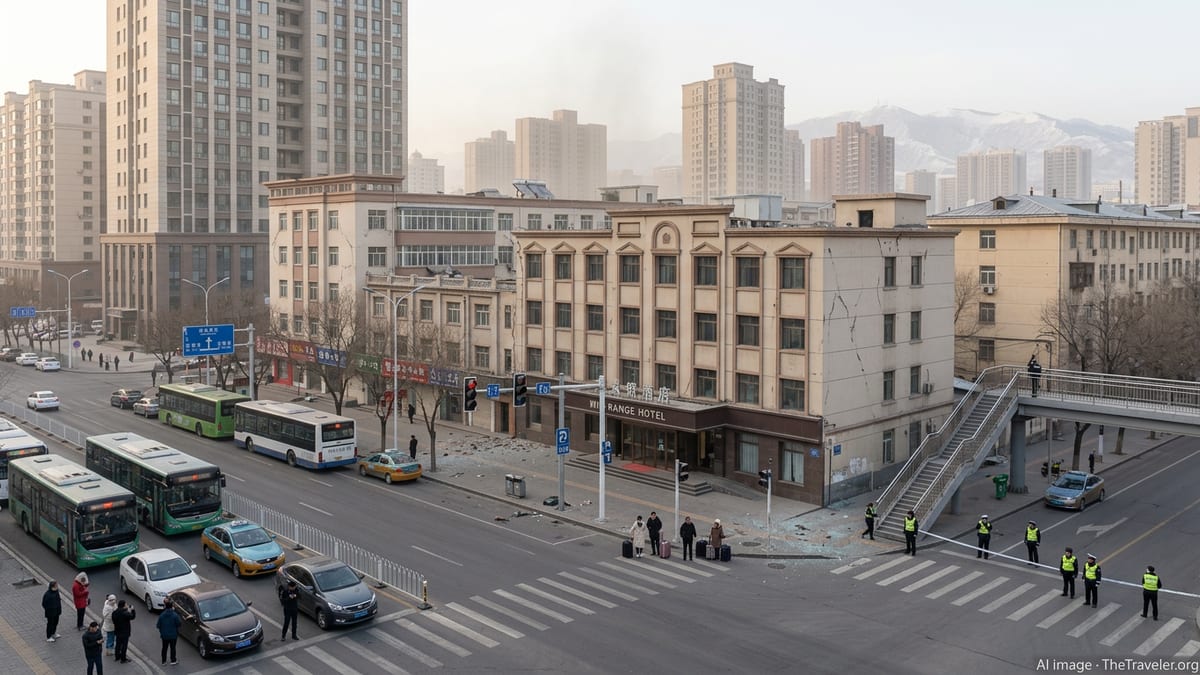
Shallow Quake Jolts Northern Xinjiang in Early Morning Hours
According to preliminary readings from regional seismology agencies, the 4.9 magnitude quake hit northern Xinjiang around 00:15 UTC on Thursday, at a depth of about 10 to 15 kilometers near Hutubi County, northwest of regional capital Urumqi. The shallow depth amplified shaking in nearby cities, with residents reporting swaying furniture and rattling windows in several urban districts.
Initial reports from Chinese state and regional media, as well as foreign observatories, indicated no immediate large-scale casualties or structural collapses. However, authorities warned that information from rural townships and mountain communities would take longer to verify, and that minor damage in older buildings could emerge as inspections continued through the day.
The quake follows a series of smaller seismic events recorded across southern and western Xinjiang in recent weeks, underscoring the region’s location along active tectonic boundaries. While Thursday’s shaking was moderate compared with major historical quakes in China, experts note that shallow events near populated corridors can be particularly disruptive for infrastructure and travel.
Transport Networks Slow as Authorities Order Safety Checks
In the hours after the tremor, regional transport authorities ordered precautionary inspections of key highways, rail lines and airports connecting Urumqi with other parts of Xinjiang and neighboring provinces. Short but significant delays were reported on segments of the G30 expressway and feeder roads as patrols checked for rockfalls, surface cracking and bridge damage in mountain passes.
High-speed and conventional rail services through affected sections of track reduced operating speeds while engineering teams carried out visual and instrument-based checks. Local media reported that some early-morning trains were temporarily held at stations, with announcements citing "seismic safety validations" before departures resumed on a limited schedule.
At Urumqi Diwopu International Airport, operations continued but with heightened inspections of runways, taxiways and terminal structures. Airlines warned of knock-on delays throughout the day as aircraft rotations were adjusted and crews awaited clearance from ground engineers. Domestic tourists traveling onward to Kashgar, Turpan and other popular destinations in Xinjiang were advised to allow extra time and remain in close contact with carriers.
Tourists Report Confusion and Canceled Excursions
The quake struck at the tail end of the winter travel season, when Xinjiang markets itself as a gateway to snow sports, desert landscapes and ancient Silk Road towns. Tour groups staying in Urumqi and nearby scenic areas described being woken by shaking, followed by conflicting rumors on social media about the severity of the event and potential aftershocks.
Several local tour operators said they had suspended early-morning excursions to nearby canyons and highland viewpoints pending safety assessments of access roads and trails. Day trips involving long coach journeys through mountain passes were either shortened or rerouted, with guides emphasizing that final itineraries would depend on official green lights from road and geological authorities.
Hotel staff in central Urumqi reported guests congregating in lobbies and open courtyards immediately after the tremor. Many travelers requested room changes away from higher floors, while front desks fielded questions about emergency exits, evacuation procedures and the structural safety of buildings in the event of further shocks.
Authorities Stress Preparedness but Urge Caution
Regional officials reiterated that Xinjiang’s major urban centers have undergone extensive seismic reinforcement over the past decade, particularly along critical transport, energy and tourism corridors. Public statements emphasized that schools, hospitals, airports and large hotels are designed to modern earthquake-resistance standards intended to withstand moderate to strong shaking.
At the same time, authorities urged residents and visitors to remain vigilant for potential aftershocks, which are common following events of this size. Travelers were advised to stay away from visibly cracked walls or slopes, avoid unnecessary time beneath older facades and overpasses, and follow instructions from hotel staff, tour guides and transport operators.
Emergency management teams in several prefectures moved to check remote villages, highland guesthouses and scenic-spot infrastructure, including cableways, lookout platforms and visitor centers. Social media channels run by local governments circulated practical safety tips in multiple languages, reflecting the growing number of domestic and international tourists in the region.
What Travelers to Xinjiang Should Expect in Coming Days
While core transport arteries appeared to remain intact as of Thursday afternoon, lingering delays and schedule adjustments are likely over the next 24 to 48 hours as inspections continue and any minor repairs are carried out. Travelers with imminent journeys to or within Xinjiang are being encouraged to monitor official announcements, confirm bookings and keep flexible connections wherever possible.
Tourism businesses expect some near-term cancellations from risk-averse visitors, but industry representatives say most itineraries should be able to proceed with added safety precautions. Mountain hikes, canyon visits and excursions through narrow gorges or landslide-prone slopes may face temporary restrictions until geologists complete slope stability checks.
For now, the 4.9 magnitude quake serves as a reminder that western China’s dramatic landscapes sit in a dynamic seismic zone. As Xinjiang continues to position itself as a key overland gateway between China and Central Asia, balancing rapid tourism growth with rigorous earthquake preparedness will remain an essential part of the region’s travel story.