

More news on this day
As Disney Adventure begins regular sailings from Singapore in March 2026, first-time guests are preparing to experience one of the world’s largest family cruise ships, with new itineraries, themed zones and a layout unlike any other vessel in the Disney Cruise Line fleet.
Get the latest news straight to your inbox!
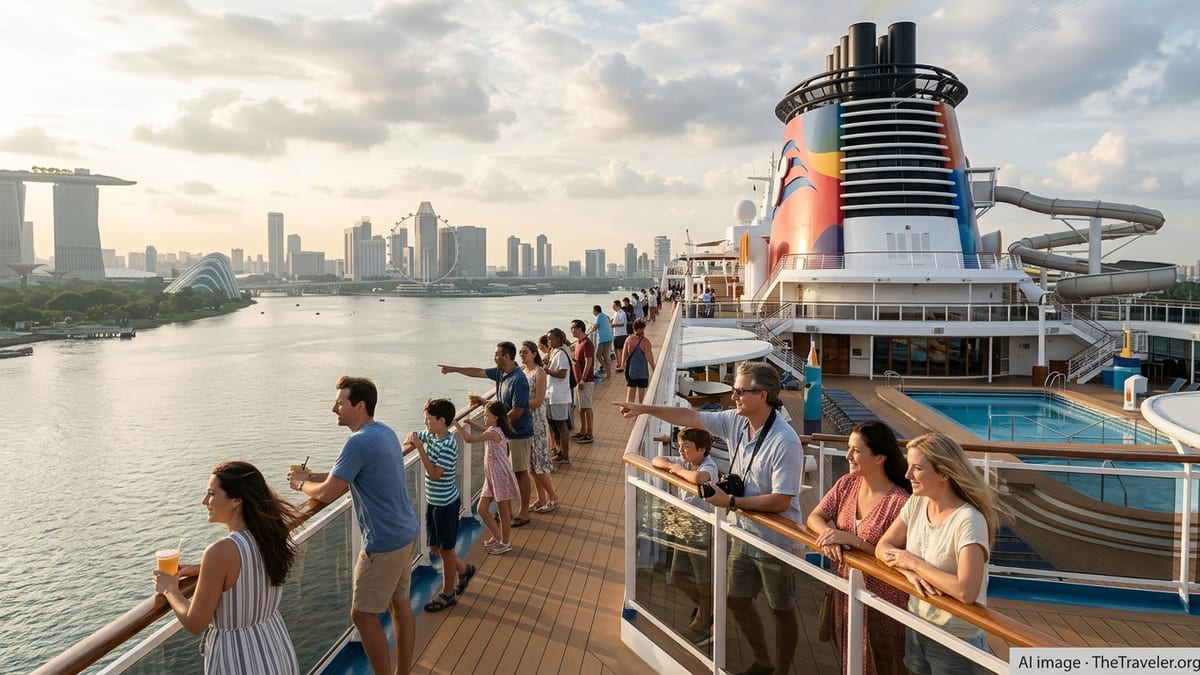
Understand the Scale and Layout Before You Book
Disney Adventure has been developed as the biggest ship in the Disney Cruise Line portfolio, adapted from a Global-class hull and completed with a significantly reworked interior for family cruising. Publicly available information shows the ship carries around 6,700 passengers at full capacity and is substantially larger than the Wish-class vessels, with extra decks and expanded recreational space. For first-time cruisers, that scale can be exhilarating, but it can also feel overwhelming without advance planning.
Early guides and promotional materials highlight seven themed areas on board, ranging from Marvel-inspired experiences to family pools and water attractions designed for younger guests. Travel industry coverage notes that the ship’s design emphasizes concentrated “neighborhoods” of activities, rather than spreading similar venues across the decks. For new passengers, studying these zones before booking can help in choosing a stateroom location that suits their priorities, whether that is quick access to kids’ clubs, quieter corridors, or proximity to dining.
Because Disney Adventure is a one-of-a-kind layout within the fleet, reports from experienced Disney cruisers suggest that assumptions based on other ships may not apply. Corridors, elevator banks and major venues are arranged differently, so a few minutes with the deck plans in the cruise line’s app before embarkation can reduce confusion on the first day. Families planning to split up for activities may find it especially helpful to agree on meeting points that are easy for children to identify in such a large environment.
Industry analysis of mega-ships points out that high capacity often comes with more choice rather than more crowding, as long as guests understand where and when to move around. On a ship the size of Disney Adventure, that means knowing which decks channel the most foot traffic and where alternative routes, such as aft stairwells or less-used elevator banks, can save time between shows, meals and character events.
Time Your Sailing and Reservations Around a New Ship’s Learning Curve
The path to Disney Adventure’s debut has involved several calendar shifts. Cruise line notices and travel trade documents show that initial plans for a December 2025 launch from Singapore were postponed, with the maiden voyage eventually taking place in March 2026 after additional construction and sea trials. The ship’s delivery in late 2025 and subsequent repositioning cruises, including a passage through the Panama Canal, gave crews more time to test operations before regular short itineraries began.
For guests considering their first sailing, those schedule changes are a reminder that new ships often go through an extended adjustment period. Early voyages can offer a sense of novelty and bragging rights, but published commentary from cruise enthusiasts across multiple lines notes that inaugural seasons sometimes come with longer wait times, evolving show schedules and fine-tuning of restaurant service. Choosing a departure a few weeks or months after the very first sailings may provide a more settled experience, especially for families who value predictability over being among the first on board.
Once a date is selected, reservations for key experiences become a second piece of the planning puzzle. On other Disney ships, popular dining times, kids’ clubs check-in windows and character meet-and-greets can fill quickly during peak school holiday periods. Travel advisories and family cruise guides consistently recommend that guests make use of the line’s online check-in and activity booking windows as soon as they open, then review confirmations in the app before arrival to avoid disappointment.
Financial planning also benefits from early organization. Pricing analyses from cruise agencies show that fares on new hardware often start high and fluctuate as launch dates approach, especially for school vacation sailings. Monitoring itineraries over several weeks, being flexible on cabin category and considering shoulder-season departures from Singapore can make a noticeable difference to the overall cost of a first Disney Adventure cruise.
Plan for Families: Kids’ Spaces, Adult Retreats and Crowd Flow
Disney markets Adventure as a family-centric ship, and early descriptions emphasize an extensive network of youth clubs, family pools and character-driven entertainment. Coverage of other Disney vessels indicates a proven model of age-segmented kids’ spaces, with supervised activities from toddlers to teens, including areas such as Oceaneer Club and Vibe on sister ships. While exact layouts differ, the overall approach on Disney Adventure is expected to mirror that focus on immersive play, storytelling and themed design.
Family travel reports suggest that first-time guests benefit from visiting youth spaces together during open house hours on embarkation day. Walking children through check-in points, bathrooms and exits can help them feel more comfortable later in the cruise, and it allows parents to ask staff about busy periods, evening programs and any policies on self-checkout for older kids. With the scale of Disney Adventure, knowing where these spaces sit relative to cabins and dining venues can also cut down on last-minute sprints across the ship.
At the same time, Disney’s larger ships typically feature adults-only pools, lounges and specialty venues that provide a quieter counterpoint to the family energy. Travel commentary on Disney cruising frequently highlights the value of scheduling adults-only time, whether that means a spa treatment during children’s club hours or an evening in a lounge while kids enjoy supervised activities. On a vessel this large, first-time cruisers may find that planning specific windows for these experiences prevents them from being crowded out by spontaneous family commitments.
Managing crowd flow is another key consideration. On new mega-ships, embarkation days, sea-day afternoons and pre-show evenings tend to be the busiest times in public areas. Observations from early Disney Adventure sailings note that guests who shift their main pool time to port mornings, or book late dinner seatings to avoid pre-show restaurant surges, experience shorter lines and easier access to popular spots. Thinking strategically about when to move around the ship can make a compact three- or four-night itinerary feel more relaxed.
Use Technology and Pre-Arrival Information to Maximize Value
Digital tools increasingly shape the cruise experience, and Disney Adventure is no exception. Publicly available materials for Disney Cruise Line emphasize the role of the official app in managing everything from muster drill details and restaurant rotations to showtimes and character appearances. For first-time guests, becoming familiar with the app before departure can prevent confusion once on board, particularly because shipboard Wi-Fi and cellular connections may be limited or expensive.
Pre-arrival booklets and online guides for other Disney ships outline a range of small but useful tips, such as checking daily schedules early in the morning, monitoring any virtual queue systems for high-demand activities and using the app’s messaging features to stay in touch with family members spread across the decks. On a ship the size of Disney Adventure, these functions are likely to be especially important in keeping track of children and coordinating meet-ups around the sprawling public spaces.
Travel professionals also point to insurance and protection plans as part of the value equation, particularly given the schedule adjustments that can accompany a new-build vessel. Documents for Disney’s North American market describe optional vacation protection plans and flexible rebooking policies, subject to terms and deadlines. While specifics vary by country and agency, first-time cruisers are encouraged by consumer advocates to read the fine print on coverage for delays, medical issues and trip interruptions before final payment.
Beyond logistics, digital pre-planning can enhance the onboard experience itself. Family cruise guides recommend watching ship walkthroughs, studying sample menus and discussing must-do activities with children in advance. For Disney Adventure, that might mean choosing one or two marquee shows, a special dining event and a favorite pool or water attraction to prioritize, rather than trying to do everything in a short sailing. Clear expectations, reinforced by the information in the app and pre-cruise materials, help first-time guests feel they are getting full value from a premium-priced family holiday.