

Seeing Alaska by train, ferry, and coach is one of the most memorable ways to travel the state, but individual tickets, tours, and transfers add up fast. The good news for budget conscious travelers is that a handful of rail and tour passes, plus one standout coupon program, really can shave hundreds of dollars off a typical Alaska itinerary when used wisely. The key is understanding how each works, what routes they cover, and the kind of traveler they are best for.
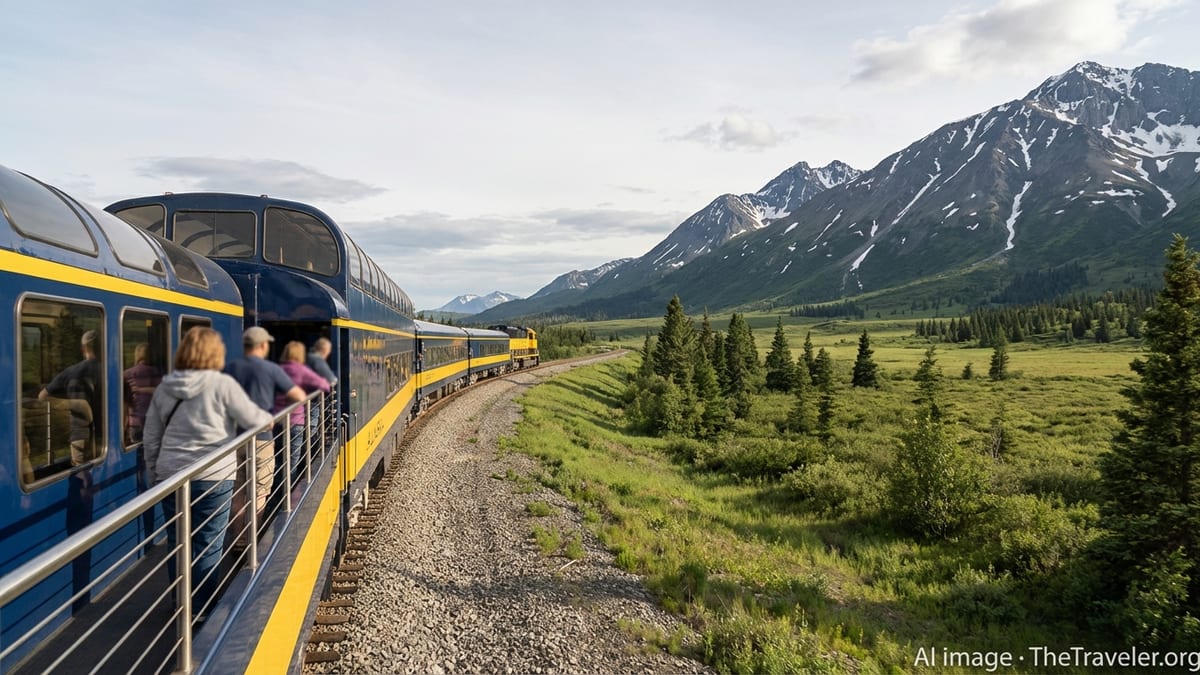
How Rail and Tour Passes Work in Alaska Now
Unlike some European countries with simple point to point rail passes, Alaska’s network is a patchwork of the state owned Alaska Railroad, long distance buses such as the Park Connection Motorcoach, regional ferries, and independent tour operators. A single, one size fits all transportation pass does not exist. Instead, travelers save money by combining strategic rail offers, motorcoach value fares, and curated coupon books that bundle multiple tours and tickets together at a discount.
Because of that structure, the passes that genuinely save money in Alaska tend to fall into three categories. First are true transportation products sold by rail or bus companies that let you link multiple segments more cheaply than booking them separately. Second are flexible coupon style products that unlock two for one deals on major rail trips and tours. Third are bundled itineraries, often from the Alaska Railroad itself, that package train travel with overnight stays and activities at a per day rate that can undercut buying everything a la carte.
For travelers, the challenge is to match the right tool to their trip style. Independent visitors planning a week with several rail legs between Anchorage, Denali, Fairbanks, or Seward may benefit most from transportation focused passes. Those who love excursions such as glacier cruises, flightseeing, or riverboats might get more value from a statewide coupon book. And winter visitors chasing the northern lights often save by booking ready made rail based packages that include lodging in remote towns served by the Aurora Winter Train.
What follows is a closer look at five Alaska rail and tour products that reliably deliver savings for many travelers, how they work today, and the kinds of itineraries where each one shines.
1. Alaska Railroad Coupon Books for Flagstop Trips
The Alaska Railroad sells commuter style coupon books that can quietly become one of the best deals in the state for certain trips. Each book contains a set number of coupons that can be redeemed for segments up to a specified mileage limit, most commonly on routes between Talkeetna and the remote flagstop communities along the Hurricane Turn and Aurora Winter Train corridor. For travelers who want to hop on and off the train in the backcountry, these books can offer significantly lower per mile pricing than individual tickets.
These coupon books are especially useful if you are planning multiple flagstop rides within a short trip. Instead of buying several separate tickets to and from the same small settlement or cabin area along the line, a single book can cover a cluster of journeys. Because the railroad allows each coupon to be applied to a set distance, the value improves when you use them for near the maximum allowed mileage on each ride rather than very short hops.
The savings are not universal. Travelers riding just once between major hubs such as Anchorage and Fairbanks will usually do better with a normal ticket or another type of deal. But outdoors oriented visitors who want to access remote cabins, hiking areas, or river put ins served by the Hurricane Turn or Aurora Winter Train can end up saving noticeably compared with standard fares. There is also the non financial benefit of flexibility: having coupons in hand makes it easier to adjust plans around weather, hiking conditions, or spur of the moment invitations from local hosts.
The tradeoff is that coupon books are best bought and used with a clear plan. If you are only likely to use a couple of coupons, or if your Alaska trip is focused on summer sightseeing on the Denali Star or Coastal Classic without flagstops, then this pass is probably not the right tool. But for repeat visitors, independent cabin renters, and photographers who want time in the quiet stretches between Talkeetna and Hurricane, it can be a surprisingly powerful money saver.
2. Alaska TourSaver: The Coupon Book That Makes Rail Cheaper
While not a rail pass in the traditional sense, the Alaska TourSaver coupon program is one of the most effective tools for cutting the cost of big ticket rail journeys and tours. Available as both a printed booklet and an app based package for 2026, TourSaver focuses on buy one get one and percentage off deals at attractions and transportation providers around the state. Among those offers are multiple Alaska Railroad coupons that provide two for one tickets on key routes such as Anchorage to Denali or Anchorage to Seward, along with discounts on related tours.
Because individual Alaska Railroad tickets on popular routes are a substantial share of many travelers’ budgets, using even one or two rail coupons can recover the purchase price of the TourSaver package. The statewide edition, which includes offers across Southcentral, the Interior, and the Inside Passage, is typically the best match for visitors combining rail travel with cruises, glacier day trips, or flightseeing. Regional versions can also work well for those spending their time in just one part of the state, such as Anchorage plus Denali.
To really save money with TourSaver, you need to approach it like a planning tool rather than an impulse buy. Before purchasing, review the current year’s list of included offers and match them against your draft itinerary. If your trip already includes a couple of eligible rail legs, plus one or two covered tours or hotels, the economics usually become compelling. On the other hand, if you are visiting in early or late shoulder seasons, or if you prefer self guided hiking over organized tours, you may struggle to redeem enough high value coupons to come out ahead.
There are also some practical considerations. Most coupons require advance reservations directly with the operator and are valid only for certain travel windows. Some have blackout dates in peak July or around major events. That means flexibility works in your favor. Travelers willing to ride a day earlier, take a morning train instead of an afternoon one, or swap a port of call day during a cruise can often make TourSaver offers line up nicely with their plans. When used with a bit of strategy, it operates like a custom rail and tour pass that you assemble from the deals that fit your route.
3. Park Connection Motorcoach Passes for Rail Style Flexibility by Road
Although it is a motorcoach rather than a train, the Park Connection network functions very much like a rail corridor along Alaska’s core sightseeing spine. It links Anchorage with Denali National Park, Talkeetna, Seward, and Whittier with scheduled, luggage friendly service that is easy to combine with Alaska Railroad segments. For many travelers, mixing the two can reduce costs while preserving the scenic overland experience.
Instead of offering a traditional unlimited ride pass, Park Connection focuses on point to point fares and custom packages. The savings come from strategically using the coach on certain legs where it is noticeably less expensive than the train, particularly for families or small groups. For example, replacing one long rail segment between Denali and Seward with a motorcoach day can free up several hundred dollars in a typical multi day itinerary while still providing mountain and river valley scenery.
Another way Park Connection acts like a money saving pass is through bundled itineraries sold by Alaska travel agencies that specialize in combining coach and rail. These packages often include one or two days on the Alaska Railroad in the most scenic sections, such as between Anchorage and Denali or Anchorage and Seward, paired with motorcoach links on other days. The total package price can undercut a rail only trip while keeping hotel nights and major activities comparable.
Travelers who value maximum flexibility should pay attention to the terms on any Park Connection inclusive package, including change and cancellation rules. Booking the motorcoach segments directly can also work well for independent visitors who prefer to manage their own hotel reservations. In both cases, the key to saving money is to look at the full trip budget instead of treating each leg in isolation. When you think of Park Connection as a rail adjacent pass that substitutes road miles on select days, it becomes easier to see where it fits into a cost conscious Alaska itinerary.
4. Alaska Railroad Vacation Packages as Built in Passes
The Alaska Railroad’s own multi day vacation packages may not be labeled as passes, but they function like one by rolling train segments, lodging, and select tours into a single per person rate. Popular options include summer routes built around the Denali Star and Coastal Classic, as well as winter focused itineraries riding the Aurora Winter Train between Anchorage, Talkeetna, and Fairbanks. These packages are especially attractive to travelers who want the romance of the train without having to assemble every detail separately.
From a money saving standpoint, the advantage is that the railroad can often negotiate better rates with partner hotels and tour operators than an individual traveler could on their own. Those savings are baked into the package price, which means that a six or seven night rail based holiday can sometimes cost only slightly more than booking the train tickets alone, once you add in the retail cost of hotels and included excursions. In high demand periods such as mid summer or prime northern lights season, that gap can widen in favor of the package.
However, whether a given Alaska Railroad package actually saves you money depends heavily on how you typically travel. If you are comfortable with mid range hotels and a couple of carefully chosen tours, packages that include similar quality lodging and one or two marquee experiences can be good value. If you prefer hostels, vacation rentals, or bare bones cabins, you may be able to build a cheaper do it yourself itinerary as long as you are comfortable handling multiple reservations.
Another consideration is time of year. Winter packages that ride the Aurora Winter Train between Anchorage and Fairbanks, often with two nights in Talkeetna, can be particularly attractive because off season train fares are lower, yet the inclusion of guided aurora viewing or dog sledding adds clear experiential value. Summer packages may compete more directly with cruise tour options offered by the big cruise lines, but they provide greater independence and often more time in rail belt communities such as Talkeetna or Denali.
5. Alaska Marine Highway and Ferry Hopping Strategies
For travelers who want to see coastal Alaska as well as the rail belt, the state run Alaska Marine Highway System offers another layer of pass like savings, even though it no longer sells the kind of flat rate books it once did. Today, the ferry system focuses on individual point to point fares along routes that connect Southeast ports such as Ketchikan, Juneau, and Sitka, as well as cross gulf sailings to Southcentral Alaska. The trick is to treat a sequence of ferry segments like a slow motion coastal rail trip and plan them together rather than as isolated tickets.
Booking several legs on the same itinerary, with carefully chosen layovers, can reduce overall costs in a few ways. Cabin or vehicle spaces reserved on long overnight sailings, for example, can substitute for a night in a hotel and a rental car, especially along the Inside Passage where waterfront lodging can be pricey in peak season. For foot passengers, moving between small towns by ferry rather than by air can trim transportation expenses while delivering scenic value that rivals any rail journey.
The real savings, however, show up when coastal ferry hopping is paired with rail or road passes further inland. A common pattern is to travel north along the Inside Passage by ferry, then connect by air to Anchorage or Fairbanks and continue by Alaska Railroad or Park Connection Motorcoach. By comparing the combined cost of ferry segments plus a rail or coach package against a one way cruise or series of flights, many independent travelers find that the ferry and rail combination wins on price, while also offering greater freedom to linger in favorite ports.
Because the Alaska Marine Highway timetable and fares change year to year, flexibility is crucial. Travelers who can shift their sailing by a day or two, travel shoulder season instead of July, or accept daytime sailings instead of overnight runs often see lower fares. Think of the ferry network as an ocean route that complements the rail belt rather than competes with it. When designed as part of a broader pass like strategy, it can open up a more affordable, slower paced, and very Alaskan way to move through the state.
How to Choose the Right Pass for Your Alaska Itinerary
With so many options, it can be tempting to simply buy every pass or package that sounds promising. The smarter approach is to invert the process and start with your ideal itinerary. Sketch out how many days you expect to spend in Anchorage, whether Denali and Fairbanks are on the list, if you want to visit Seward or Whittier for a fjord cruise, and whether Southeast ports or the Inside Passage figure into the plan. Once that skeleton is clear, you can overlay rail segments, motorcoach routes, and ferry options that connect the dots.
From there, it becomes easier to see which pass or bundle really fits. A summer traveler taking just one train from Anchorage to Seward for a day cruise will not benefit from a coupon book of commuter miles, but could get outsized value from a two for one railroad coupon inside a statewide discount app. A winter visitor spending a week chasing the northern lights might find that an Alaska Railroad Aurora based package comes in cheaper than buying separate train tickets, Fairbanks hotels, and aurora viewing tours. A family of four moving between Anchorage, Denali, and Seward in high season could cut costs by mixing one scenic rail leg with Park Connection Motorcoach on the others.
It is also useful to run the numbers. Even if you prefer spontaneous travel, spending an hour with sample fares for your travel month can clarify whether a pass is really a deal. Compare the price of booking your exact rail and coach segments individually against the cost of a bundle or coupon program, assuming you will realistically use only the offers that match your interests. When the pass or package delivers at least a modest discount on your core transportation needs, any additional savings from tours become a bonus.
Finally, think beyond money alone. Some passes, such as Alaska Railroad coupon books or multi day packages, also buy you convenience and access. Having all major segments reserved through a single provider simplifies changes if weather causes delays, which is not uncommon in Alaska. Coupon based systems can open doors to experiences you might have skipped at full price, such as a last minute riverboat excursion or a glacier cruise out of Seward. These intangible benefits can make a pass worthwhile even when the raw dollar savings are relatively modest.
The Takeaway
Alaska does not offer a simple, unlimited rail pass that unlocks every route for a flat fee, but a handful of targeted products can still slice a meaningful amount off your transportation and tour budget. Alaska Railroad coupon books reward travelers who plan multiple flagstop or commuter style rides along the rail belt. The Alaska TourSaver app and booklet bring two for one economics to marquee rail legs and big ticket excursions, as long as you enter the trip with a clear redemption strategy.
Meanwhile, Park Connection Motorcoach and bundled rail coach itineraries act as a flexible, rail adjacent pass that can substitute road miles where it makes financial sense without sacrificing scenery. Alaska Railroad’s own vacation packages often turn rail travel into the backbone of a reasonably priced, turnkey holiday, especially in winter when aurora viewing and dog sledding are included. The Alaska Marine Highway, for its part, becomes a pass like tool when you thread several ferry segments into your route and compare the all in cost to flights and hotels.
The common thread is intentional planning. None of these passes should be bought simply because they sound like a deal. Instead, build your dream Alaska route first, then overlay the products that match your dates, destinations, and travel style. When chosen and used with care, these five rail and tour options can help you see more of Alaska’s mountains, fjords, and small towns for less, without compromising what makes the journey special in the first place.
FAQ
Q1. Are Alaska Railroad coupon books worth it for first time visitors?
They can be, but mainly if your itinerary includes multiple flagstop or short haul rides along the rail belt. For a simple one way trip between major cities, regular tickets or other deals usually make more sense.
Q2. How early should I buy the Alaska TourSaver app or booklet before my trip?
It is wise to purchase TourSaver as soon as your rough itinerary is set and current year offers are published. That gives you time to reserve rail tickets and tours that require advance booking and to adjust plans to maximize coupon value.
Q3. Can I combine Alaska Railroad coupons from TourSaver with other discounts?
In most cases, operators will not stack multiple discounts on the same ticket, so you typically must choose between a TourSaver offer and any resident, military, or senior discount. Always confirm terms with the railroad before booking.
Q4. Is Park Connection Motorcoach comfortable enough to substitute for train travel?
Yes, Park Connection uses full size motorcoaches with restrooms and large windows, and the routes follow some of the same scenic corridors as the railroad. While the onboard experience differs from a train, most travelers find it comfortable and significantly more affordable on certain legs.
Q5. Do Alaska Railroad vacation packages include every meal and tour?
Typically they include rail travel, lodging, and a curated set of key excursions, but not all meals or every optional activity. You should review each package’s detailed inclusions to understand what is covered and budget for additional experiences you may want.
Q6. Can I use the Alaska Marine Highway like a hop on, hop off pass?
Not in the traditional sense. You need separate reservations for each ferry leg, and space can be limited in peak season. However, by planning a chain of sailings in advance, you can move between multiple ports in a pass like way while controlling costs.
Q7. Which pass is best if I am mainly visiting Denali and Seward from Anchorage?
If you plan to take the train on at least one of those legs and enjoy a big name tour such as a glacier cruise, the statewide Alaska TourSaver can be a strong choice. Mixing one rail segment with a Park Connection Motorcoach leg on the other route can also produce good value.
Q8. Are these passes useful for winter travel in Alaska?
Yes. Alaska Railroad winter packages based on the Aurora Winter Train can be especially attractive, and some coupon programs still offer relevant deals. Winter travelers often find that bundling lodging and aurora tours with rail is more economical than booking everything separately.
Q9. Do these passes cover local city transportation in Anchorage or Fairbanks?
No, the products discussed here focus on long distance rail, coach, ferry, and tours. Local buses, shuttles, and taxis are usually paid separately, so you should budget additional funds for in town transportation.
Q10. How far in advance should I book rail and coach trips that use these passes?
For peak summer travel, booking several months in advance is prudent, especially if you rely on two for one coupons or specific package dates. Shoulder season trips can sometimes be arranged closer in, but availability is never guaranteed, so earlier is usually safer.