

Duncan, at the heart of British Columbia’s Cowichan Valley, is surrounded by forests, vineyards, rivers and Coast Salish culture. For travelers, it is far more than a highway stop between Victoria and Nanaimo.
A growing range of locally owned tours and experiences now make it easy to explore the region with people who live here, know the stories, and can help you see beyond the usual viewpoints.
From totem pole walks and wine country outings to river trails, lake paddling and coastal villages, these eight experiences highlight the best ways to get to know Duncan and its surroundings.
Totems, Culture and Downtown Duncan on Foot
Duncan is known as the City of Totems, with one of the largest public collections of carved poles in Canada clustered in a compact downtown. A guided or self-guided walk among them is one of the most distinctive ways to start your visit and to understand the area’s deep Indigenous roots. Combine the totem walk with nearby cultural centres, galleries and the lively Saturday market for a full day on foot.
Duncan Totem Walking Tour
Downtown Duncan features more than 40 hand-carved totem poles created mainly by Coast Salish artists. The city officially adopted the "City of Totems" title in the 1980s and has steadily expanded and renewed the collection since then. Many visitors simply notice the carvings while passing through, but a dedicated walking tour helps reveal the stories behind the figures, clans and animals depicted.
Maps for a self-guided totem walk are typically available from local visitor information outlets and the museum, allowing you to follow a loop through the city core at your own pace. In summer, the Cowichan Historical Society has offered free or donation-based totem tours led by local volunteers, adding cultural context and historical background. Even in cooler months, the compact layout makes this an easy way to spend an hour or two, with cafés and boutiques along the way for warm-up breaks.
Khowutzun Cultural Experiences and Indigenous Galleries
The Cowichan Valley is the traditional territory of the Quw’utsun people, part of the larger Coast Salish family. Spending time with Indigenous-led cultural experiences helps travelers go deeper than a quick snapshot with a totem pole. The Khowutzun Heritage Centre on the banks of the Cowichan River has functioned as a gathering place for events, art and cultural programs, often pairing food, storytelling and carving or weaving demonstrations. Programming can vary by season, so it is wise to check what is on when you visit.
Several nearby galleries focus on contemporary and traditional Indigenous art from across the Pacific Northwest. Judy Hill Gallery and the Arthur Vickers Gallery, for example, showcase works by respected First Nations artists, from carvings and prints to textiles and jewelry. Visiting these spaces can be treated as a kind of informal, self-directed tour through regional art, and also helps support the artists whose designs define much of the visual identity of the Cowichan region.
Cowichan Valley Wine Country Tours
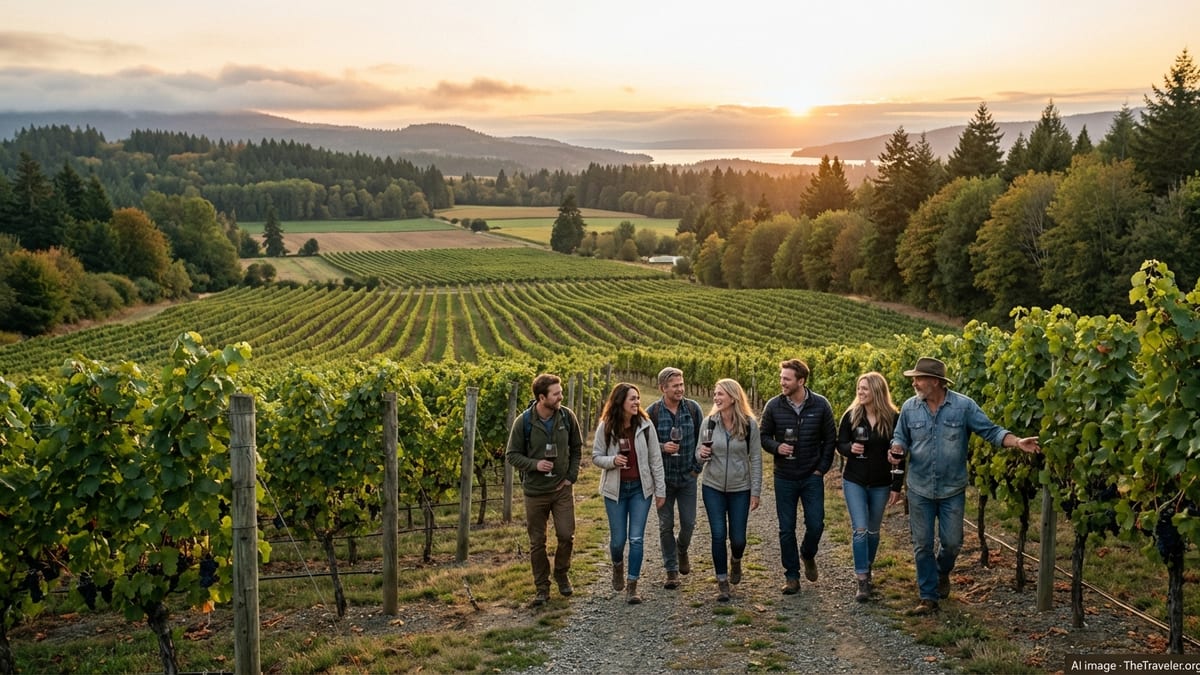
Vineyards spread across south and north of Duncan in the Cowichan Valley, a cool-climate wine region often described as one of Canada’s most promising emerging appellations. While it is possible to drive between wineries on your own, local tour operators based around Duncan make tasting days safer, more relaxed and more informative. They also handle reservations, which is increasingly important in peak season when tasting rooms can be busy.
Cowichan Wine Tours by MyGo Tours
Cowichan Wine Tours, operated by MyGo Tours and Transportation, focuses on private, full-day wine-tasting outings. Typical itineraries visit three to four of the valley’s wineries and cideries, with time set aside for lunch at a local restaurant. Recent pricing information shows per-person rates that include transportation, tastings, a professional driver and gratuities, with slightly reduced rates for non-drinkers so they can still enjoy the scenery and venues without feeling left out.
Tours usually run for six hours or more, with pickups available from Duncan and surrounding communities such as Victoria, Nanaimo or Lake Cowichan. The operator looks after tasting reservations and timing, balancing better-known estates with smaller boutique producers. For visitors unfamiliar with rural roads and opening hours, this turns what could be a logistical puzzle into a single, easy booking.
Twofiveo Tour Co. Karaoke Wine Bus
Twofiveo Tour Co., based in Duncan, adds a playful twist to Cowichan wine touring with its “Nothin’ to Wine About” experience aboard an original karaoke bus. This woman-owned company emphasizes upbeat, social outings with tastings at several wineries paired with valley views. Pickup is available from Cowichan communities as well as from Victoria or Nanaimo, making it a good choice if you are staying outside Duncan but want to focus your tasting day here.
Alongside wine-focused routes, Twofiveo offers mixed tours that combine wine, beer, cider and distillery stops, as well as custom nights out. This flexibility means you can choose an itinerary that fits your group’s preferences, whether that is a relaxed day in vineyard patios, an introduction to local craft producers, or a celebratory bachelorette event.
Warmland Tours and Private Wine Shuttles
Warmland Tours operates wine tours and sightseeing trips throughout the Cowichan Valley, with a home base in the region and a clear focus on small-group hospitality. They offer half-day and full-day wine tours, typically visiting three to four wineries and allowing time for lunch at a local restaurant. Their vehicles are sized for mid-sized groups, and the company can also provide shuttle services for weddings and events, which is useful if your visit to Duncan revolves around a celebration.
Another option for flexible, higher-end transport is to book a private vehicle or limousine service that specializes in winery, cidery and distillery circuits. Some operators in the region run 5 to 6 hour wine routes between Mill Bay, Shawnigan Lake, Duncan and Maple Bay, visiting three to five wineries. This style of tour works well for travelers who already know which wineries they want to visit and simply want a dedicated driver and local logistics support.
Lake and River Adventures Near Duncan
Within a short drive of Duncan, freshwater lakes and the Cowichan River offer a different kind of local experience. Instead of vineyards and sidewalks, you get clear water, forested banks and a chance to experience how residents spend summer and shoulder seasons outdoors. While many people explore independently, guided or equipment-supported outings on the river and nearby lakes allow visitors to enjoy these landscapes safely and with minimal fuss.
Non-motorized Water Sports on Cowichan Lake
On the western side of the valley, Cowichan Lake is a long, clear body of water ringed by hills and second-growth forest. Local Indigenous-owned operators, such as those highlighted through regional tourism channels, offer rentals of non-motorized watercraft including kayaks, stand-up paddleboards and canoes. Experiences here emphasize quiet paddling, respect for the lake environment and an appreciation of the surrounding mountains and forests.
A typical outing might involve a short onshore orientation before you launch along the shoreline, watching for eagles and other birdlife. In calm conditions, the lake is well suited to beginners, although weather and wind can change quickly. Booking with a local provider means you benefit from up-to-date knowledge on conditions, suggested routes and safe areas to explore.
Hiking and Cycling Along the Cowichan River
Cowichan River Provincial Park protects roughly 20 kilometres of the Cowichan River between Lake Cowichan and Glenora, just south of Duncan. The river is known for its clear pools, riffles and canyon sections, and the park is threaded with trails that range from short riverside walks to longer day hikes. The Cowichan Valley Trail, part of the national Trans Canada Trail, follows sections of the river through mixed forest and over historic rail trestles.
Organized tours and guided hikes are periodically offered through local outfitters and community groups, particularly in the main visitor season, but even independent travelers can benefit from local knowledge. Visitor centres and guiding companies can point you toward family-friendly sections or more rugged stretches, suggest cycling routes, and share updates on trail conditions or seasonal closures. For travelers without a car, some local operators can arrange shuttles to trailheads so you can walk or ride one way along the river rather than retracing your steps.
Forests, Rail History and the BC Forest Discovery Centre
Forestry has shaped the Cowichan Valley for more than a century, and one of the most engaging family attractions near Duncan is the BC Forest Discovery Centre. This open-air museum helps visitors understand that history while also providing a surprisingly scenic way to experience local wetlands and forest along a heritage railway loop.
Riding the Narrow-Gauge Railway
The BC Forest Discovery Centre occupies a 100-acre site on the north side of Duncan. At its heart is an operational narrow-gauge railway with about 2.5 kilometres of track, using vintage steam and diesel locomotives that once worked in coastal logging operations. Short rides circle the property, passing forest, marshland and historical displays, and they are included with admission on most operating days.
The train ride is particularly popular with families, but it also offers a gentle introduction to the landscape for anyone new to the region. Operating schedules vary by season, with longer hours and special event days in summer and around holidays. Checking ahead for current hours ensures you have enough time to ride, explore the exhibits and enjoy the trails.
Logging History, Trails and Seasonal Events
Beyond the railway, the centre includes indoor and outdoor exhibits that trace the evolution of forestry on Vancouver Island, from hand tools and early logging trucks to more modern equipment. Interpretive panels help explain how the industry has changed and how logging intersected with local communities and ecosystems. There are short forest and nature trails, a picnic area and a playground, making it easy to turn a visit into a half-day outing.
Throughout the year, the centre hosts special events that often appeal to both visitors and locals, including seasonal festivals and themed train days. For travelers, these events can add a layer of community atmosphere to what might otherwise be a museum stop. Because programming changes year by year, it is helpful to consult current schedules when planning your visit to Duncan.
Coastal Day Trips from Duncan
Although Duncan itself sits inland along the Cowichan River, it is only a short drive from the shoreline of Cowichan Bay and the harbour at Maple Bay. These small coastal communities are ideal for low-key day trips built around walking, wildlife watching, paddling and sampling local food. Several operators and informal experiences help visitors get out on the water or into nearby hillside trails while keeping Duncan as a base.
Cowichan Bay Waterfront and Marine Life Viewing
The community of Cowichan Bay lies a few kilometres east of Duncan on a sheltered bay at the mouth of the Cowichan River. The village centre is built along a narrow, walkable waterfront strip backed by marinas and character buildings. While much of the activity here revolves around independent exploring, visitors can also join small-boat eco-excursions and wildlife viewing trips, especially in calmer seasons, for a chance to see seals, seabirds and occasionally whales in the wider Salish Sea.
Food is a key part of the experience. Local cafés and restaurants make use of seafood and Cowichan-grown produce, while shops sell goods ranging from cheese to bread and smoked fish. Combined with a slow stroll along the waterfront and a short hike on nearby trails with bay viewpoints, Cowichan Bay makes an easy half or full-day outing from Duncan.
Hiking Mount Tzouhalem and Maple Bay Area
North of Cowichan Bay, Mount Tzouhalem rises above the coast with a network of trails used by hikers and mountain bikers. The routes pass through mixed forest and open rocky bluffs that offer wide views over Cowichan Bay, Salt Spring Island and, on clear days, the distant mainland ranges. Trailheads are accessible by road from Duncan in under half an hour, making this a convenient local adventure.
Guided hikes and skills clinics are occasionally run by regional outdoor clubs and guiding companies, but many visitors follow clearly signed routes on their own using local maps. Because conditions can become slippery in wet weather and the trail network is extensive, tapping into up-to-date local advice is valuable, particularly if you are new to coastal British Columbia hiking.
Markets, Farm Visits and Food Experiences
The Cowichan Valley’s agricultural reputation is central to its identity, and Duncan is an ideal jumping-off point for exploring small farms, orchards and local food producers. While many visits are self-directed, some structured experiences anchor your day around markets or curated tasting routes that highlight the valley’s long growing season.
Duncan Farmers’ Market
The Duncan Farmers’ Market is one of the few year-round markets on Vancouver Island, operating most Saturdays in the heart of downtown. Stalls showcase seasonal produce, meats, baked goods, preserves, crafts and artwork from across the region. Live music and food trucks add a festival feel, particularly in spring and summer.
For visitors, treating the market as a self-guided tour of Cowichan’s farms and artisans is an efficient way to discover new producers without driving rural backroads. Many vendors are happy to talk about their farms, growing practices and products, and some offer onsite tastings or samples. Arriving earlier in the day usually means smaller crowds and better selection, especially in peak harvest months.
Roadside Farm Stands and Tasting Rooms
Across the valley, small farm stands and food-focused tasting rooms dot the backroads around Duncan. They sell everything from fresh berries and vegetables to cider, honey and cheeses. While not formal tours in the traditional sense, planning a loose route that links several of these stops is a satisfying way to spend a day. Some wineries and cideries also offer food pairings, charcuterie boards or on-site eateries that highlight local ingredients.
Because opening hours can be seasonal and weather-dependent, especially for smaller family operations, it is sensible to check ahead using regional tourism resources or social media updates. Flexibility is part of the charm; if one stand happens to be closed, there is usually another a short drive away, and the scenery between them is part of the experience.
The Takeaway
For a relatively small city, Duncan offers an impressive range of local tours and experiences that showcase Indigenous culture, wine country, forests, rivers and the nearby coast. Booking with operators based in the Cowichan Valley not only simplifies logistics but also connects you directly with people who live and work here, enriching your understanding of the region. Whether you spend your time walking among totems, sipping cool-climate wines, riding a heritage railway or hiking to coastal viewpoints, these experiences reveal why so many travelers now treat Duncan as a destination in its own right rather than a quick stop along the highway.
FAQ
Q1. When is the best time of year to visit Duncan for tours and outdoor experiences?
The main touring season generally runs from late spring through early fall, when wineries, markets and outdoor operators are all in full swing and weather is mild.
Q2. Do I need a car to enjoy these Duncan-area experiences?
A car is helpful, but several wine tour companies, shuttle operators and local guides offer pickups from Duncan and nearby cities, making it possible to explore without driving yourself.
Q3. Are the Duncan totem poles and cultural sites suitable for a self-guided visit?
Yes. Downtown totems are easy to see on foot, with maps and signage to guide you. In summer, guided walks are often available for added context.
Q4. How long should I plan for a Cowichan Valley wine tour from Duncan?
Most organized wine tours last between six and seven hours, including travel time, tastings at three or four venues and a relaxed break for lunch.
Q5. Are the lake and river activities around Duncan beginner-friendly?
Many non-motorized water activities and riverside trails are suitable for beginners, but checking local conditions and following guidance from outfitters is important for safety.
Q6. Is the BC Forest Discovery Centre appropriate for children?
Yes. The heritage train ride, outdoor exhibits, playground and picnic areas make the centre especially appealing for families with children of various ages.
Q7. Can I combine coastal villages like Cowichan Bay with other Duncan-area tours in one day?
It is feasible to pair a half day in Cowichan Bay or Maple Bay with a morning totem walk or market visit in Duncan, provided you plan driving times and reservations carefully.
Q8. Do I need to book tours and tastings in advance?
Advance booking is strongly recommended, particularly on summer weekends and holidays, when wine tours, tasting rooms and some guided experiences often sell out.
Q9. What should I pack for outdoor experiences near Duncan?
Layered clothing, waterproof outerwear, sturdy footwear and sun protection are useful year-round, as coastal weather can shift quickly even on seemingly clear days.
Q10. Are there accessible options for travelers with limited mobility?
Many wineries, cultural sites and the BC Forest Discovery Centre offer step-free access or ramps. It is best to confirm accessibility details directly with each operator before visiting.