

From fish shacks on working docks to polished farm-to-table kitchens, Lake Huron’s shoreline serves up the Great Lakes on a plate. Stretching between Michigan and Ontario, this quieter cousin of the country’s better known beach destinations hides a deeply local food scene built on whitefish and perch, roadside farm stands, family bakeries and Indigenous traditions. These 11 spots capture the flavor of the lake and the communities along its shores.
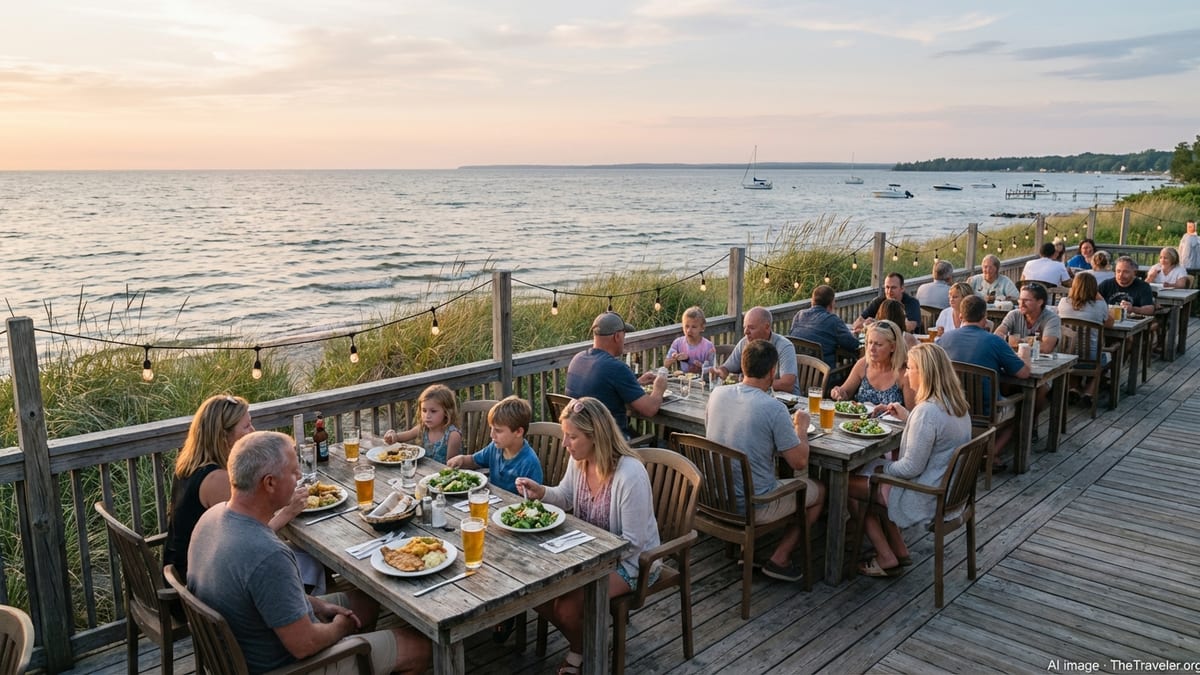
Eating Your Way Around Lake Huron
Lake Huron is vast, and so is its culinary footprint. On the U.S. side, the Michigan shoreline runs from the Blue Water Bridge at Port Huron north to the Straits of Mackinac, tracing small harbor towns and state parks. Across the water, Ontario’s coast curls around sandy beaches, farming country and cottage communities. What ties many of their restaurants together is a quiet commitment to local ingredients, whether that is fresh-caught whitefish, just-picked berries or flour from regional mills.
Travelers quickly discover that this is not a region of big-name chains and celebrity chefs. Instead, menus lean on long relationships with fishers, farmers and bakers, and much of the best food appears in low-key dining rooms with lake views and parking lots full of pickup trucks. Many restaurants change their offerings with the seasons, responding to short berry harvests, fall apple crops and shifting fishing conditions on the lake.
Because this is a northern climate, not every spot is open year-round, and the atmosphere can change markedly between July weekends and quiet October evenings. Calling ahead or checking seasonal hours is a smart move. That said, whether you arrive in the thick of summer or outside the peak, the places below share one thing: a rooted sense of place that comes through on the plate.
From south to north and across to Ontario, here are 11 places where you can taste Lake Huron’s local flavor.
Whitefish and Water Views in Port Huron
At the southern end of Lake Huron, Port Huron’s riverfront has evolved into a compact dining district where local flavor means both what is on the plate and what you see out the window. Along the Blue Water River Walk, restaurants highlight the connection between the St. Clair River, the lake and the city’s maritime history. Menus here frequently lean on Great Lakes fish, regional craft beer and Michigan-grown produce, especially during the summer and early fall growing season.
Many kitchens in town source lake whitefish and perch from Great Lakes suppliers, serving them grilled, blackened or lightly battered with simple sides. It is common to see local breweries from across Michigan represented on tap lists, a nod to the state’s active craft beer scene. In warm weather, outdoor seating fills quickly, giving diners a close-up view of the passing freighters and pleasure boats that define this stretch of shoreline.
Beyond fish, Port Huron restaurants increasingly incorporate regional ingredients such as asparagus from western Michigan, cherries from the northern fruit belt and cheeses from small dairies. Daily specials often follow whatever is freshest or most abundant, so it is worth asking your server what is local that week. It is a good first stop if you are starting a drive north along the U.S. side of Lake Huron.
Port Huron also works well as a base for exploring nearby Lakeport State Park and small lakeside communities to the north, where food trucks, cafes and ice cream stands round out the local eating experience in summer.
Roadside Classics on Michigan’s Sunrise Side
North of Port Huron, the so-called Sunrise Coast runs through small towns such as Lexington, Harrisville, Alpena and Rogers City. The dining scene here tends to be modest, but that is part of its appeal. Long-running family restaurants, roadside diners and bar-and-grills specialize in hearty, unfussy fare built around regional staples. Expect to see lake perch baskets, burgers made with Michigan beef and homemade pies that change with the seasons.
In many of these towns, Friday fish fry is a weekly ritual, drawing locals year-round. While recipes differ, most kitchens rely on simple techniques that let the fish stand out, whether it is lightly breaded fillets with lemon and coleslaw or pan-seared whitefish dressed with a squeeze of citrus and herbs. When conditions are favorable, some spots secure fish that was landed within the region, sometimes earlier the same day.
Breakfast and bakery culture is also a quiet strength along this stretch of Lake Huron. Mom-and-pop cafes in towns near state parks such as Harrisville, Hoeft and Thompson’s Harbor keep early hours to serve campers and anglers heading out at first light. Many bake bread, cinnamon rolls or fruit pies in house, making good use of Michigan-grown apples, blueberries and other fruit in season.
Traveling this shoreline is as much about pacing as it is about specific names. Part of the pleasure lies in pulling off for a plate of eggs at a small-town cafe or grabbing a perch sandwich from a plain-looking tavern where the parking lot is full of local plates. Ask at your campground or motel desk for current favorites. Ownership can change over time, but the community’s standards for a good fish dinner do not.
Farm-to-Table Flavors Near the Straits
Closer to the Straits of Mackinac, the food scene starts to show more explicitly farm-to-table influences. Across northern Michigan, chefs have embraced relationships with nearby farms for produce, meat and dairy, and that ethos extends toward the northeastern corner where Lake Huron and Lake Michigan meet. While the high-profile resort towns sit slightly off Huron’s direct shoreline, the same networks of growers and producers supply restaurants all around the region.
On and near Mackinac Island, for instance, several dining rooms focus on fresh, regional ingredients from northern Michigan farms. Chefs build menus around hardy cool-weather crops, summer sweet corn and root vegetables, incorporating cheese from small producers and fresh bread from local bakeries. Many of these restaurants update their offerings throughout the season, reflecting what neighboring farms and orchards can provide at a given time.
That same spirit is increasingly visible in communities on the mainland facing Lake Huron. Seasonal restaurants and inns highlight locally raised beef, pork and poultry, often paired with potatoes, greens and mushrooms from nearby fields and forests. Wine lists may include bottles from Michigan’s northern wineries, and cocktails sometimes feature local honey or berries.
If you are traveling this part of the lake, reservations are advisable in the height of summer. Farm-to-table spots tend to be small, and they fill quickly on weekends. When you can, choose weeknight dinners or shoulder-season visits in June or September, when the region is quieter but local farms are still producing generously.
Ontario’s Bluewater Coast: Beach Town Bites
Crossing to the Canadian side, Ontario’s so-called Bluewater Coast stretches from Sarnia north to communities like Grand Bend, Bayfield and Goderich. Here, broad sandy beaches and cottage lanes shape the restaurant scene. Walkable main streets sit only a few blocks from the water, filled with patios that make the most of the short but busy summer season. Menus commonly offer Lake Huron fish, Ontario beef and plentiful fresh produce from the province’s farm belt.
In beach towns such as Bayfield and Grand Bend, you will find a mix of casual pubs, ice cream shops and slightly more polished bistros. Many emphasize local and regional sourcing, calling out Ontario craft beers, Vintners Quality Alliance wines and meats or vegetables from southwestern Ontario farms. Seasonal salads, burgers topped with local cheese and fish sandwiches built around Great Lakes species are standard warm-weather staples.
Because many visitors are spending long days on the sand or at nearby parks, takeout is an important part of the local flavor story. It is easy to grab a paper-wrapped order of fish and chips, smoked fish or a simple fried pickerel sandwich and eat it at a picnic table overlooking the lake. Families line up in the evenings for soft-serve cones and butter tarts, a classic Ontario pastry that appears in bakeries and cafes across the region.
These communities see a surge of visitors in July and August, which can mean lines at the most popular restaurants and snack stands. Visit midweek or earlier in the day to get a better sense of how locals eat here, and do not overlook quieter shoulder-season weekends when the lake is cooler but the kitchens are still running.
Dockside Fish Shacks and Smokehouses
Around the lake, some of the most distinctly local meals still happen at simple fish shacks, dockside stands and smokehouses. These small operations, often family-run, focus on a narrow menu built on the day’s catch from Lake Huron or neighboring Great Lakes. While individual businesses come and go, the tradition is strong on both sides of the border, and new ventures frequently spring up to fill the demand.
Typical offerings include fresh or smoked whitefish, lake trout and sometimes perch or walleye, depending on regulations and supply. In many cases, the same family that operates the fish market also runs a small takeaway counter, where you can order fish and chips, fish sandwiches or smoked fish plates. Picnic tables, if they exist at all, are usually basic, with the real luxury being the view of the water and working boats.
On the Ontario side in particular, roadside fish stands near harbor towns sell vacuum-packed smoked fish, jerky-style snacks and pâtés made from locally caught species. These make easy provisions for cottage stays or road trips along the lake. On the Michigan side, small-town fish markets and delis sometimes dedicate a corner of their operations to Great Lakes fish, turning it into chowders, spreads and sandwiches.
Because these businesses are closely tied to the fishing season and to changing lake conditions, their hours and menus can be fluid. It is always wise to confirm opening days and ask what is truly local when you walk in. When you do find a shack with a line of residents waiting for their order, you are likely in the right place.
Indigenous Food Traditions and Community Events
The communities around Lake Huron include several First Nations and Tribal nations with longstanding relationships to the water and the land, and their food traditions continue to shape the region. While many aspects of Indigenous food culture are experienced in homes and community spaces rather than tourist restaurants, visitors occasionally have the chance to taste dishes grounded in centuries of history.
Whitefish and other Great Lakes species have long been staples in Indigenous cooking, often prepared simply to highlight freshness, whether baked, grilled over open flame or gently smoked. Corn, beans and squash, sometimes known as the Three Sisters, remain foundational ingredients. Wild rice, when available from producers in the wider Great Lakes region, appears in soups, pilafs and stuffings that draw on both old and contemporary recipes.
Powwows, community feasts and seasonal events sometimes feature Indigenous-run food stands or tents, serving items such as frybread, stews or fish plates. While not every gathering is designed for tourists, some are open to the public and welcome respectful visitors. These events can offer insight into local culture along with a chance to support community-based vendors.
Visitors interested in Indigenous foodways should watch local event listings, tourism offices and cultural centers for information on public events, educational programs or small food businesses. When you do attend, approach with curiosity and care, recognizing that you are being invited into an ongoing living tradition rather than a themed attraction.
The Takeaway
Eating around Lake Huron is less about ticking off famous restaurants and more about paying attention to the connection between shoreline, farms and communities. From Port Huron’s riverfront and the modest diners of Michigan’s Sunrise Side to the beach-town patios of Ontario’s Bluewater Coast, local flavor here relies on fresh fish, regional produce and recipes that have evolved with the lake.
As you travel, seek out the places where menus change with the seasons, where servers can tell you which farm supplied your salad or when the fish was caught. Be willing to try an unassuming tavern or fish shack that locals recommend, and give yourself time to linger on a patio or at a picnic table overlooking the water. Lake Huron rewards patient, curious eaters with meals that feel grounded, personal and specific to this quiet, expansive corner of the Great Lakes.
Whether you are driving the shore road, crossing on a ferry or base-camping in one harbor town, let your appetite guide you toward the smells of wood smoke, frying fish and fresh-baked bread. In doing so, you will taste not only the lake itself but also the many communities that call its shoreline home.
FAQ
Q1. Is Lake Huron a good destination for food-focused travel?
Yes. While it is quieter than some other Great Lakes regions, Lake Huron offers rewarding local food, especially fresh fish, seasonal produce and small-town bakeries.
Q2. What dishes should I look for to taste Lake Huron’s local flavor?
Seek out lake whitefish and perch, fish and chips, smoked fish, seasonal salads made with regional produce and classic pies or butter tarts on the Ontario side.
Q3. Are there many year-round restaurants along Lake Huron?
Larger centers like Port Huron, Alpena and Sarnia have year-round options, but many small-town spots and fish shacks operate mainly in the warmer months.
Q4. Do restaurants around Lake Huron serve locally caught fish?
Many do when supply and regulations allow. Menus often note when fish is from the Great Lakes, and staff can usually explain what is local that day.
Q5. Can I find vegetarian or vegan options near Lake Huron?
Yes, particularly in larger towns and farm-to-table restaurants, where menus feature seasonal vegetables, grains and salads, though choices may be more limited in small diners.
Q6. How far in advance should I book restaurants in peak season?
In popular summer destinations, it is wise to reserve several days ahead for dinner, especially on weekends, while casual spots typically remain first-come, first-served.
Q7. Are there food festivals or events around Lake Huron?
Many communities host summer festivals, fish fries, farmers markets and occasional food events that highlight local harvests and Great Lakes fish traditions.
Q8. Is tipping etiquette around Lake Huron different from elsewhere in North America?
No. Standard North American tipping practices apply, which generally means leaving a gratuity in the range commonly accepted in Canada or the United States.
Q9. Can I buy local fish to cook at a cottage or campsite?
Yes. Look for fish markets, smokehouses and grocery counters that specialize in Great Lakes species, and ask which products are currently sourced from nearby waters.
Q10. Are Indigenous-run food experiences available to visitors?
Sometimes. Public powwows, community events and small vendors may offer Indigenous dishes; check local listings and approach these experiences with respect.