

Mexico has a reputation for being friendly on the wallet, but the costs of airport transfers, tours, local transport and entry fees can still escalate quickly. Smart travelers increasingly rely on regional travel passes and bundled attraction cards to keep expenses predictable while getting more out of each day. From Cancun’s big-ticket ruins and reef trips to Mexico City’s sprawling public transit system, the right pass can turn a busy itinerary into a far better value.
How Mexico Travel Passes Work and Who They Are Best For
Travel passes in Mexico generally fall into two broad groups: attraction bundles that package guided tours and activities into one prepaid product, and transport passes that give convenient, low-cost access to buses, metro lines or ferries. Both formats are designed to reduce per-activity prices while simplifying logistics, which can be especially helpful in destinations where there are dozens of competing tour vendors and ticket booths.
Attraction passes, such as those used in Cancun and the wider Riviera Maya, usually allow you to visit a specified number of attractions or give you unlimited access for a fixed number of days. Savings often increase the more high-value tours you schedule within the pass period. Transport passes, on the other hand, tend to focus on unlimited or frequent travel within a city or region for a flat fee, which is ideal if you expect to ride local transit several times a day.
These passes tend to favor travelers who value planning and who are comfortable committing to a rough itinerary in advance. If you enjoy a slow, unstructured trip, you may not extract the maximum savings. If you are visiting in high season, however, bundling tickets can reduce stress by consolidating confirmations, cutting time spent in lines and offering predictable pricing when last minute tour rates surge.
It is important to check the fine print of any Mexico travel pass before purchase. Some require advance reservations for certain tours, some exclude local environmental fees payable in cash, and most are time-limited once you activate the first use. Still, used thoughtfully, these products can cut costs, especially in the country’s most visited beach and city hubs.
Go City Cancun Pass: Bundling Big-Ticket Riviera Maya Experiences
The Go City Cancun pass is one of the most established attraction bundles in the Mexican Caribbean. It is aimed at visitors who want to combine classic sightseeing, like Chichén Itzá or Tulum, with resort-style days on the water and adrenaline-focused excursions. The pass covers a mix of activities spread around Cancun, Playa del Carmen and the wider Riviera Maya corridor, which means it can work even if you are staying outside Cancun proper.
There are two main formats. The All-Inclusive option allows you to choose a duration, typically from one to several consecutive days, and visit as many included attractions as you can realistically fit in. The Explorer style instead gives you a set number of attractions to use over a longer period, often up to around a month, which is convenient if you prefer to intersperse busy touring days with quieter time on the beach or by your hotel pool.
Where this pass tends to save money is on high-value, full-day tours. Independent day trips to headline sites such as Chichén Itzá, combined with cenote swimming stops or colonial town visits, can individually approach or exceed three figures in US dollar terms when booked separately with well-rated operators. When several of those experiences are bundled into a pass and spaced efficiently across a few days, many travelers find that the overall cost per experience falls noticeably compared with paying for each tour a la carte.
To make the most of a Go City Cancun pass, it is worth mapping out at least a skeleton itinerary before you buy. Identify the big-ticket experiences that are non-negotiable for you, check that they are included in the current version of the pass, and note any need to reserve dates for popular tours. With that groundwork, the pass becomes both a budget-control tool and a simple way to build a balanced mix of ruins, reef, jungle and nightlife into a single trip.
Cancun Smart Pass: Flexible Discounts for Multiple Tours
While Go City focuses on bundling many attractions into a single barcode-style pass, the Cancun Smart Pass works more like a dynamic discount program for tours over a defined period. After you book your first qualifying activity, the system recognizes you as a pass holder and unlocks special pricing on additional excursions for a limited number of days, usually about a week. It is designed for visitors who plan to book several organized outings without necessarily wanting a strict fixed-attraction package.
This model particularly suits travelers who like to compare options on the ground but still want to avoid paying full retail prices for every tour they add. Common experiences include catamaran day trips to Isla Mujeres, combined archaeological and cenote tours, snorkeling or reef boat excursions and evening cruises. Instead of locking yourself into everything up front, you can choose one or two priority tours before arrival and then add more at the same discounted rate if your energy level and the weather cooperate.
The savings from a Smart Pass style product are more variable than those of a traditional pre-paid attraction card, because they depend on which tours you ultimately choose. In general, the math becomes favorable if you plan at least a few mid or higher-end outings, such as full-day cultural tours or boat trips that include meals and equipment. Where it is less compelling is for travelers who mostly want to self-organize inexpensive activities like public beach days or independent walks through town.
For budget control, it is wise to set a rough cap on how many organized tours you genuinely want before you start booking. It can be tempting to load the week with back-to-back excursions simply because the incremental price looks appealing, but over-scheduling can lead to fatigue and undercut the relaxed atmosphere that many visitors seek in the Caribbean. Used in moderation, however, the Cancun Smart Pass format can keep tour costs in check while leaving plenty of flexibility.
Mexico City Integrated Mobility Card: Cheap Urban Transport in One Wallet
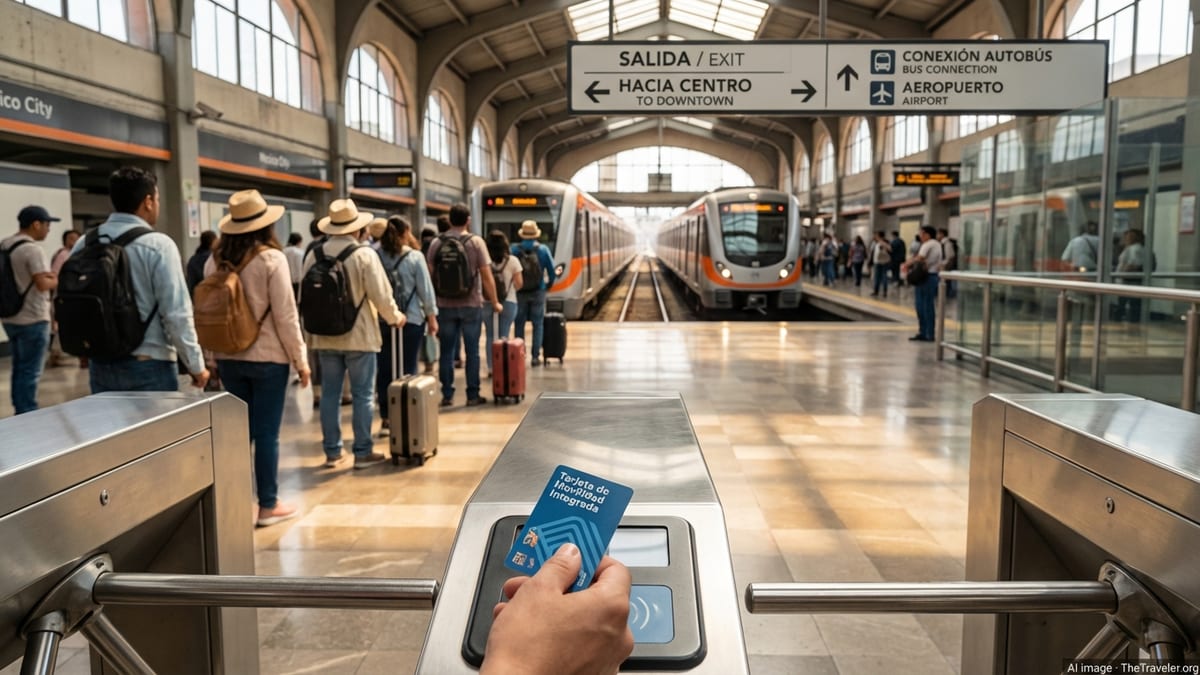
Mexico City’s Integrated Mobility card, often abbreviated as MI, is one of the simplest and most cost-effective passes in the country for day-to-day transit. Rather than acting as a sightseeing card, it functions as a stored-value access key for multiple public transport systems, including the metro, Metrobús bus rapid transit, some light rail and cable car lines, and official bike-share in selected areas. For most visitors, the greatest benefit is the ability to shift between subway and Metrobús without having to queue for individual paper tickets.
Base fares in Mexico City remain low by international standards, with metro and key bus systems generally priced in the single-digit peso range per ride. Because these are flat fares across much of the network, travelers who use transit often can cover large distances through the city for a fraction of what private taxis or ride-hailing apps would cost, especially at peak times. The MI card consolidates those inexpensive trips onto one reloadable card that you can top up with cash or, at selected machines, with card payments.
For heavy transit users, some agencies have experimented with short-term unlimited options or capped pricing that make multiple daily rides even better value, although specific offers can change over time and may not always be marketed in English. Regardless, travelers who plan to combine museum visits in the historic center with restaurant outings in Colonia Roma, nightlife in Condesa and day trips to southern neighborhoods will usually find that the card pays for itself quickly across several days.
One practical advantage is that the MI card helps streamline your planning when services are added or adjusted. Mexico City continues to extend cable car and bus rapid transit lines into hillside districts, and using a single card avoids confusion over which ticket is valid where. Keep in mind that some tap-to-pay options with foreign bank cards may be hit or miss, so it remains prudent to buy and load a physical MI card with a modest cash balance at the start of your stay.
Regional Bus and Long-Distance Coach Passes: Covering Ground for Less
Beyond city limits, Mexico is served by a dense network of private and quasi-public intercity buses, ranging from basic second-class services to premium first-class and luxury coaches. While there is not a single national bus pass valid on every company, several large operators periodically offer regional passes, multi-trip booklets or flexible tickets that can substantially reduce the cost of overland travel for those willing to plan around a particular brand.
In regions such as the Yucatán Peninsula, the Bajío and the corridor between Mexico City and key colonial towns, it is common to find route networks dominated by one or two major carriers. These companies sometimes promote promotional passes that allow a certain number of journeys within a specified time frame or along designated routes. For example, you might purchase a flexible ticket giving you several segments to be used between a coastal hub and interior cities, which can be appealing if you are stringing together destinations like Mérida, Valladolid and nearby beach towns.
The savings over buying individual point-to-point tickets are greatest when you plan to travel during busier periods or across longer distances, where fares on full-featured coaches can be significant. Even when explicit passes are not on sale, booking flexible return tickets in advance through a single company can sometimes unlock bundled fares, onboard snack upgrades or seat selection perks that add value beyond the raw price. As with air travel, the more popular the route and date, the more incentive there is to buy ahead.
However, these passes require a tolerance for structure. Because they are anchored to specific companies, you will want to verify timetables, usual punctuality and refund rules before committing. In rural or mountainous regions where smaller local buses dominate, pass-style products are less common, and paying as you go in cash may remain the most practical and economical approach.
Ferry and Island Transport Passes: Stretching Your Budget on the Water
Mexico’s coasts and islands are dotted with short ferry routes, from the Caribbean crossings to Isla Mujeres and Cozumel to Pacific services in states such as Baja California Sur. On some of the busier routes, operators sell passes or multi-ride tickets that effectively lower the cost per crossing compared with buying one-way tickets each time. These can be particularly useful if you plan to base yourself on the mainland but make multiple day trips to the islands, or if your itinerary has you hopping frequently between ports.
In the Mexican Caribbean, for instance, a traveler might take a ferry from Cancun or Playa del Carmen to an offshore island several times in a week for diving, snorkeling or simply enjoying a smaller-town atmosphere by night. Purchasing a multi-trip pass with a single company can bring the marginal cost of each ride down, while also simplifying boarding procedures because you do not need to queue at the ticket booth before every departure. Similar logic applies to some longer-distance coastal ferries, where advance purchase packages sometimes include a combination of passenger tickets and vehicle transport.
On the Pacific side, passes are less standardized and may take the form of promotional bundles marketed directly through ferry companies or regional tourism boards, especially outside the core winter high season. For example, a package might include several sailings along with accommodations or excursions, which can be attractive for road trippers bringing their own vehicles and wanting predictable costs across a set of crossings.
Whichever coast you are exploring, it helps to ask at the ferry office or check official operator channels about multi-ride deals rather than assuming a posted single-fare board is the only option. While not every route offers a formal pass, enough do that frequent island-hoppers and divers can usually find a way to trim transport expenses while keeping schedules flexible.
City Sightseeing Passes in Major Urban Hubs
Mexico’s largest cities are increasingly experimenting with city sightseeing passes that combine transit, museums and guided tours into a single product. While they may not be as widely publicized internationally as equivalents in North American or European capitals, they can still offer advantages in places like Mexico City, Guadalajara and Monterrey, where cultural institutions and paid attractions cluster close to one another.
These city passes often grant either limited-time admission to a curated list of museums and landmarks or a mix of hop-on hop-off bus routes and walking tours. For visitors intent on seeing several major sites in a relatively compressed time frame, this can remove friction at ticket windows and sometimes unlock small discounts compared with paying individual entry fees, which have gradually edged upward in recent years at certain flagship institutions and viewpoints.
Because offers change, it is worth reviewing what is currently bundled before purchase. A pass that heavily favors a particular neighborhood or theme may be excellent value for some travelers and poor value for others. For example, a card skewed toward contemporary art spaces and design-focused experiences may delight returning visitors who have already done the classic ruins and central plazas but may not be essential for a quick first trip.
In general, these city passes reward travelers who enjoy a focused, museum-rich itinerary and who do not mind spending long stretches of the day indoors. If your priority is street food, markets and informal exploration, they may be less important than a simple reloadable transit card and a well-researched walking route.
The Takeaway
From bundled attraction cards in Cancun to multi-ride ferry deals and integrated city transit passes, Mexico offers an expanding ecosystem of products that can compress costs while simplifying logistics. None of these passes is a magic solution, but each can be a powerful tool when used in alignment with the way you actually like to travel. A beach-focused visitor who wants two or three headline tours might lean toward a flexible Smart Pass format, while a culture-seeker packing several days of ruins and adventure into a short stay might favor an all-inclusive attraction bundle.
In urban hubs, the biggest savings often come not from flashy sightseeing passes but from basic integrated transport cards that unlock metro lines, rapid buses and bike-share for a few pesos per trip. Over the course of a week, the difference between relying on taxis and ride-hailing versus transit can amount to the cost of an extra tour or a very good dinner. Similarly, in coastal regions where ferries are an everyday part of getting around, multi-ride tickets can quietly trim expenses while making spur-of-the-moment island trips easier.
The key is to run a quick personal calculation before you buy. Estimate how many tours, ferry crossings or transit rides you are realistically going to take, compare the combined rack rate against the pass price and remember to factor in your own tolerance for structured days. With a bit of planning, these six types of passes can keep your budget in check while helping you see more of Mexico’s cities, coasts and cultural treasures.
FAQ
Q1. Are Mexico travel passes really cheaper than booking everything separately?
In many cases they are, but it depends on how intensively you use them. If you schedule several higher-priced activities or ride transit frequently during the validity period, a pass usually brings down your average cost per activity or trip. If you only use a pass for one or two low-cost experiences, you may not see meaningful savings.
Q2. Which Mexico travel pass is best for a first-time visitor to Cancun?
For a first-time Cancun visitor who wants several major tours such as Chichén Itzá, an island excursion and perhaps a jungle adventure, an all-inclusive style attractions pass typically offers the clearest savings and simplest logistics. If you prefer to keep most of your days unstructured and only add a couple of outings, a more flexible discount-style pass may suit you better.
Q3. Do I need a Mexico City Integrated Mobility card if I only plan to use taxis?
If you expect to rely almost entirely on taxis and ride-hailing, a mobility card is not essential. However, even occasional metro or Metrobús rides can be significantly cheaper than car-based options, so buying and loading a card at the start of your stay gives you a convenient alternative when traffic is heavy or fares surge.
Q4. Can foreign visitors easily buy and use Mexican travel passes?
Yes, most attraction and transport passes are available to foreign visitors, either online before arrival or at official sales points. The main considerations are payment methods, language support in apps and the need to carry some cash for taxes or surcharges that are not covered by the pass.
Q5. Are ferry and island transport passes worth it if I only plan one crossing?
If you only expect to make a single round trip to an island, buying standard tickets is usually sufficient. Multi-ride passes and discounted booklets make more sense if you plan to ferry-hop several times in a week for diving, snorkeling or evenings out on an offshore island.
Q6. How far in advance should I buy a Cancun or Riviera Maya attractions pass?
Buying at least a few weeks before your trip is sensible, especially for peak seasons when popular tours can fill up. Early purchase also gives you time to understand reservation requirements and cancellation policies, reducing the risk of last minute stress.
Q7. What happens if bad weather disrupts tours included in my pass?
Weather disruptions are an accepted part of coastal travel, and most pass providers handle them through rescheduling or offering alternative activities where possible. Refunds for weather-related cancellations vary, so it is important to read the provider’s policy and build some flexibility into your schedule.
Q8. Do Mexico travel passes cover local taxes and environmental fees?
Often they do not cover every charge. It is common for passes to include the core tour or ticket price but exclude small municipal or environmental fees that must be paid in person, typically in cash, at specific sites or ports.
Q9. Can I share a transport or attractions pass with another traveler?
Most passes are intended for individual use and are either digitally tied to one person or physically validated in a way that makes sharing against the terms of service. While some families share certain stored-value transit cards, attractions passes are usually non-transferable.
Q10. Are there student or senior discounts that compete with travel passes?
In some cases, yes. Mexican public transport systems and certain attractions offer reduced fares for students, seniors and local residents with valid identification. If you qualify and plan mainly low-cost activities, those discounts can rival or exceed the value of a paid pass.