

Pennsylvania blends pivotal American history with rugged mountain landscapes, lively cities and small-town charm. From walking the cobblestone streets where the United States took shape to hiking along roaring waterfalls and glacial lakes, the Keystone State offers a remarkably diverse list of experiences for every traveler. This guide explores 10 of the best things to do in Pennsylvania, highlighting essential historic sites and some of the state’s most beautiful parks, along with practical tips to help you make the most of your visit.
Step Into the Nation’s Founding Story in Philadelphia
Philadelphia is the natural starting point for exploring Pennsylvania, especially for travelers interested in American history. Independence National Historical Park preserves what is often called America’s most historic square mile, centered on Independence Hall and the Liberty Bell. Within a compact district of colonial brick streets, you can trace the debates that led to the Declaration of Independence and the United States Constitution, visit the buildings where early Congress met and explore exhibits that place the revolutionary era in a broader social context. Renovations are underway ahead of the United States’ 250th birthday in 2026, so it is wise to check which interiors are open and plan for possible scaffolding or altered tour routes.
Beyond the core Independence Hall area, Philadelphia’s Old City and Society Hill neighborhoods reward slow wandering. Georgian townhouses, cobbled alleys and quiet gardens create a walkable backdrop for the major historic sites, and you can step into smaller buildings associated with everyday life during the revolutionary period, from colonial churches to merchants’ homes. Modern Philadelphia overlays this history with a thriving food scene, galleries and waterfront parks, so you can easily balance museum time with alfresco dining or a stroll along the Delaware River.
First-time visitors should allow at least a full day in the historic district alone. Timed entry is often required for Independence Hall, and security checks can add to your wait time in peak season. For a smoother experience, consider traveling outside major holidays, starting early in the day and pairing free ranger talks with a self-guided walking route so you can explore at your own pace between scheduled programs.
Walk the Fields of Gettysburg National Military Park
Few places in the United States offer such an immediate sense of Civil War history as Gettysburg National Military Park in south-central Pennsylvania. Here, rolling farmland and rocky ridges became the setting for the three-day Battle of Gettysburg in July 1863, a turning point in the war and the backdrop for Abraham Lincoln’s Gettysburg Address. Today the park preserves those fields, woodlots and stone walls, along with monuments such as the Pennsylvania State Memorial and the Virginia Monument, which commemorate the soldiers who fought here.
The Gettysburg Museum and Visitor Center is the best place to begin your visit. Exhibits introduce the broader context of the Civil War and the battle, while the restored cyclorama painting and orientation film help you visualize troop movements across the landscape. From there, many travelers follow the signed auto tour route, stopping at key sites like Little Round Top, Cemetery Ridge and Devil’s Den. In high season, ranger-led walks, living history demonstrations and evening programs add depth, making the battle’s events and the experiences of civilians and soldiers feel more tangible.
Gettysburg is powerful but can also be emotionally intense. Plan time for quiet reflection at the Soldiers’ National Cemetery, where Lincoln delivered his famous address, and consider splitting your tour over two days so you are not rushing from stop to stop. Weather can change quickly on the ridges, so bring layers, water and sturdy shoes to walk among the monuments and stone fences. Even if you are not a Civil War expert, approaching Gettysburg as a place of memory, not just a checklist of stops, will make the experience far more meaningful.
Chase Waterfalls and Whitewater in Ohiopyle State Park
In the Laurel Highlands of southwestern Pennsylvania, Ohiopyle State Park showcases the state’s wilder side. Spread across more than 20,000 acres, the park centers on a rugged gorge carved by the Youghiogheny River. Whitewater is the big draw here. The Lower Yough, a seven-mile stretch of river that begins below the 20-foot-tall Ohiopyle Falls, is one of the busiest whitewater runs in the eastern United States, attracting outfitters, guided trips and experienced paddlers. A mellower Middle Yough section appeals to families and beginners who prefer calmer water and gentle riffles.
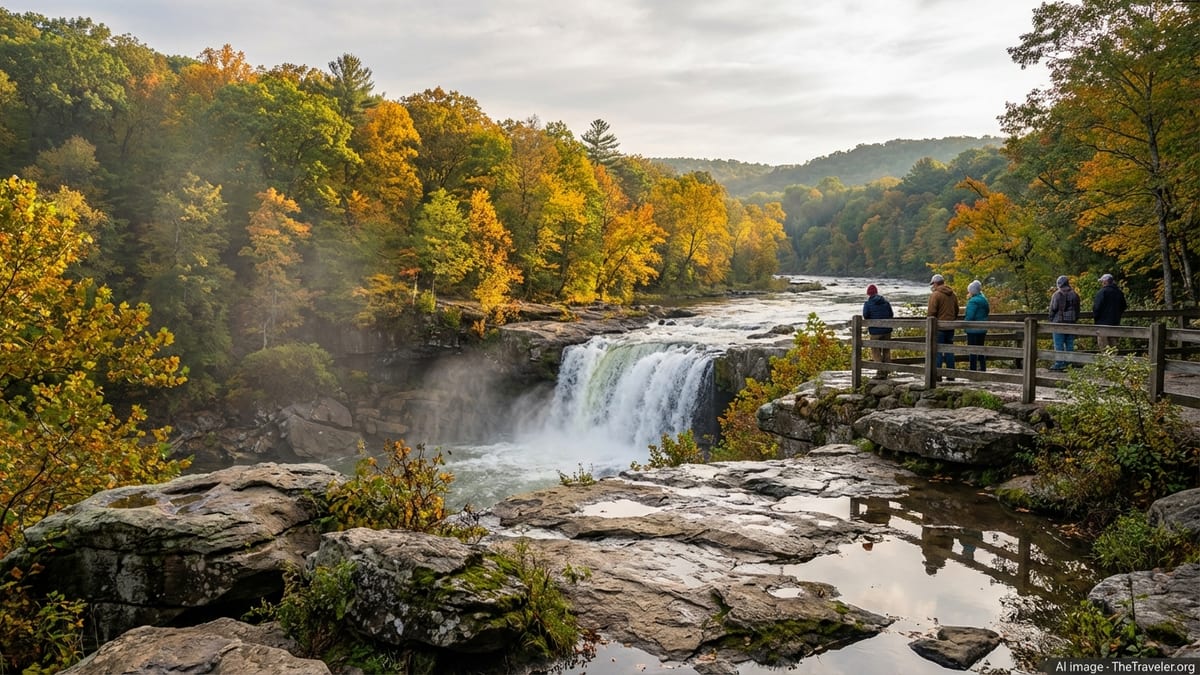
Even if you never set foot in a raft, Ohiopyle is worth a dedicated trip for its scenery alone. A network of trails leads to a series of waterfalls and viewpoints, including Cucumber Falls, one of the most photographed sites in the park, where an elegant veil of water drops over a rock ledge into a mossy ravine. Natural waterslides along Meadow Run, river overlooks above the main falls and quieter forest paths near Jonathan Run and Sugar Run provide options ranging from easy strolls to longer hikes with significant elevation changes.
Spring through fall is prime time for Ohiopyle, with lush greenery, wildflowers and strong flows in the creeks. Summer weekends can be crowded around the picnic areas and central overlooks, so consider weekday visits or early-morning starts if you prefer a quieter experience. Given the park’s scale, it is smart to build an itinerary around two or three focus areas per day, combining a short hike with a scenic picnic or a guided rafting trip, and always check current river conditions and any safety advisories before venturing onto the water.
Sail and Cycle Around Lake Arthur at Moraine State Park
North of Pittsburgh, Moraine State Park offers a gentler, lakeside counterpoint to Ohiopyle’s whitewater. At the center of this 16,000-plus acre park is Lake Arthur, a broad, man-made reservoir of about 3,200 acres created by impounding Muddy Creek. With sheltered coves, wooded peninsulas and several boat launches, the lake is a hub for sailing, paddling and fishing. Motorboats are allowed but subject to horsepower limits on much of the water, which helps preserve a relaxed atmosphere even on busy summer days.
On land, Moraine’s trail network draws hikers, birders and cyclists. Lakeside footpaths weave through hardwood forest and meadows, while a paved multi-use trail along the shore invites leisurely bike rides with frequent views of sailboats and distant hills. Picnic areas are scattered around the lake, and in late summer the park hosts a popular regatta that fills the water with colorful sails and brings additional events to the shoreline.
Because Moraine State Park lies close to major highways, it works well as either a full-day escape from Pittsburgh or as a multi-day base for exploring western Pennsylvania. Shoulder seasons in late spring and early fall can be particularly appealing, with cooler temperatures, changing foliage and fewer crowds. If you plan to boat, familiarize yourself with current state regulations for launch permits and life jackets, and be prepared for quickly shifting weather on the open water, especially in the afternoon.
Explore Pittsburgh’s Bridges, Neighborhoods and Riverfronts
While Pennsylvania is famous for its historic sites in the east, the western city of Pittsburgh has quietly transformed from a steel powerhouse to a destination known for culture, food and outdoor recreation. Its setting at the confluence of three rivers, framed by steep hillsides, creates dramatic vistas that are as much a part of the experience as any single attraction. A ride on one of the historic inclines to an overlook on Mount Washington offers a sweeping view of downtown’s skyline, its many bridges and the stadiums clustered along the water.
At river level, the city’s network of waterfront trails encourages walking and cycling between neighborhoods and major attractions. You can stroll past public art and landscaped parks, watch kayakers cross beneath yellow-painted bridges and take in the contrast between repurposed industrial buildings and new glass towers. Pittsburgh’s compact downtown blends with the Cultural District, where theaters and galleries sit within easy reach of restaurants that reflect the city’s growing culinary scene.
Beyond the core, neighborhoods like Lawrenceville, the Strip District and the South Side offer distinct atmospheres. Converted warehouses house markets, boutiques and coffee shops, while residential streets reveal the city’s working-class roots. With a strong university presence and a reputation for friendly locals, Pittsburgh feels approachable even to first-time visitors. Allow yourself time to simply wander, stopping into independent shops and neighborhood eateries, and do not overlook the city’s green spaces, from riverfront lawns to nearby parks with wooded trails and reservoirs.
Discover Hershey and Pennsylvania’s Sweet Side
Hershey, often referred to as “The Sweetest Place on Earth,” offers a different slice of Pennsylvania, blending amusement park thrills, chocolate-themed attractions and classic small-town scenery. Founded by chocolate magnate Milton Hershey as a model company town, Hershey still bears the imprint of that origin, with tree-lined streets, tidy lawns and subtle chocolate motifs, from streetlights shaped like wrapped candies to cocoa-themed experiences dotted throughout the community.
The town’s best-known draw is its large amusement park, which pairs roller coasters and family rides with seasonal festivals and evening light shows. Nearby, chocolate-focused visitor experiences walk you through the history and basic process of chocolate making, often with interactive exhibits and plenty of opportunities for tasting. Beyond the obvious sweets, Hershey also offers gardens, performance venues and a growing collection of restaurants and craft beverage spots that appeal to adults traveling without children.
Because major events and school holidays can make Hershey extremely busy, especially in summer and around Halloween and the winter holidays, planning ahead is important. Consider visiting on weekdays outside peak breaks if you are looking to avoid long lines. For a balanced itinerary, combine time in the amusement park with quieter stops in town and in the surrounding countryside, where rolling farmland and covered bridges provide a reminder that you are still in the heart of Pennsylvania’s agricultural region.
Hike, Bike and Ski the Pennsylvania Wilds
Far from the state’s major cities, northern and north-central Pennsylvania is often marketed as the Pennsylvania Wilds, a broad region of forested plateaus, deep river valleys and quiet small towns. Travelers come here to disconnect, stargaze under some of the darkest skies in the eastern United States and explore long-distance trails that cross state forests, game lands and parks. The landscape is defined by hardwood forests, hemlock groves and rocky outcrops that blaze with color during the fall foliage season.
Outdoor options in this part of Pennsylvania range from gentle rail trails suitable for family cycling to more demanding backpacking routes that climb ridges and follow narrow, root-strewn paths along streams. Many state parks in the region offer lakeside beaches in summer and groomed cross-country ski trails in winter, making this an all-season playground for active travelers. Wildlife sightings are common, particularly of white-tailed deer and a variety of bird species, and in a few areas elk herds can sometimes be viewed from designated overlooks.
Because infrastructure in the Pennsylvania Wilds can be sparser than around the state’s major cities, advance planning pays off. Lodging and campground options book up quickly during peak foliage and holiday periods, and cell service can be intermittent once you leave main highways. Packing extra layers, navigation tools and basic emergency supplies will help you enjoy the remoteness safely. In return, you will be rewarded with quiet trails, clear night skies and a slower pace that feels worlds away from urban Pennsylvania.
The Takeaway
Pennsylvania’s appeal lies in its variety. In a single trip you can stand in the rooms where the United States was founded, gaze across fields that shaped the Civil War, then drive a few hours and find yourself surrounded by waterfalls, forested ridges or a modern skyline of glass and steel. The state’s cities, small towns and protected natural areas complement one another, offering travelers a mix of culture, history and outdoor adventure that is hard to match elsewhere in the Mid-Atlantic.
Whether you are planning a focused weekend in Philadelphia, a family road trip that links Hershey and the Laurel Highlands or a longer journey through the Pennsylvania Wilds, the experiences highlighted here provide a strong starting point. With a bit of planning around seasons, crowds and ongoing renovations at some major historic sites, you can shape an itinerary that matches your interests, pace and comfort level. Pennsylvania invites repeat visits, and each return offers new layers of history to uncover and fresh trails, rivers and neighborhoods to discover.
FAQ
Q1. What is the best time of year to visit Pennsylvania for sightseeing and outdoor activities?
The most popular times are late spring and fall, when temperatures are comfortable, humidity is lower and foliage in the forests and city parks is especially scenic.
Q2. How many days should I plan for a first trip to Pennsylvania?
A long weekend is enough for either Philadelphia or Pittsburgh, but a week allows you to combine at least one city with a major historic site and a nearby state park.
Q3. Do I need a car to explore these top attractions?
You can experience Philadelphia and Pittsburgh without a car, but reaching Gettysburg, Ohiopyle, Moraine State Park and the Pennsylvania Wilds is far easier with your own vehicle.
Q4. Are the historic sites in Philadelphia fully open during current renovations?
Key buildings remain accessible, but specific interiors and tours may be affected by ongoing restoration work, so it is wise to check the latest National Park Service updates before you go.
Q5. Is Gettysburg National Military Park suitable for children and families?
Yes, many families visit Gettysburg. The museum exhibits, ranger programs and short walks among monuments can be engaging for older children, especially with some context provided in advance.
Q6. Do I need prior whitewater experience to raft in Ohiopyle State Park?
No, several local outfitters offer guided trips on river sections appropriate for beginners, but you should honestly assess your comfort level and follow safety guidance from your guides.
Q7. Can I swim in the lakes at Pennsylvania state parks?
Many state parks, including some in the Pennsylvania Wilds and at Moraine State Park, have designated swimming areas in season. Always use official beaches and follow posted rules and lifeguard instructions.
Q8. Is Hershey worth visiting for adults without children?
Yes, beyond the amusement rides there are gardens, shows, chocolate-focused experiences and nearby countryside drives that many adults enjoy even on an adults-only trip.
Q9. How busy do Pennsylvania attractions get during peak seasons?
Historic sites and parks can be crowded during summer weekends and major holidays. Booking lodging early and planning some early-morning or weekday visits will help you avoid the heaviest crowds.
Q10. Are there safety considerations for hiking and outdoor activities in Pennsylvania?
Trails can be rocky and roots are common, so sturdy footwear is important. Weather changes quickly, especially in higher elevations, so carry layers, water and basic navigation tools.