

The United Kingdom rewards curious travelers with a rare mix of royal history, contemporary culture, coastal scenery and wild countryside. From London’s world-famous museums to the castle-topped skyline of Edinburgh, and from rugged national parks to charming university cities, you can fill a single trip with an astonishing range of experiences. This guide highlights ten of the best things to do across England, Scotland, Wales and Northern Ireland, focusing on timeless highlights and a few newer draws that are shaping UK travel right now.
Explore London’s Icons, Museums and Royal Landmarks
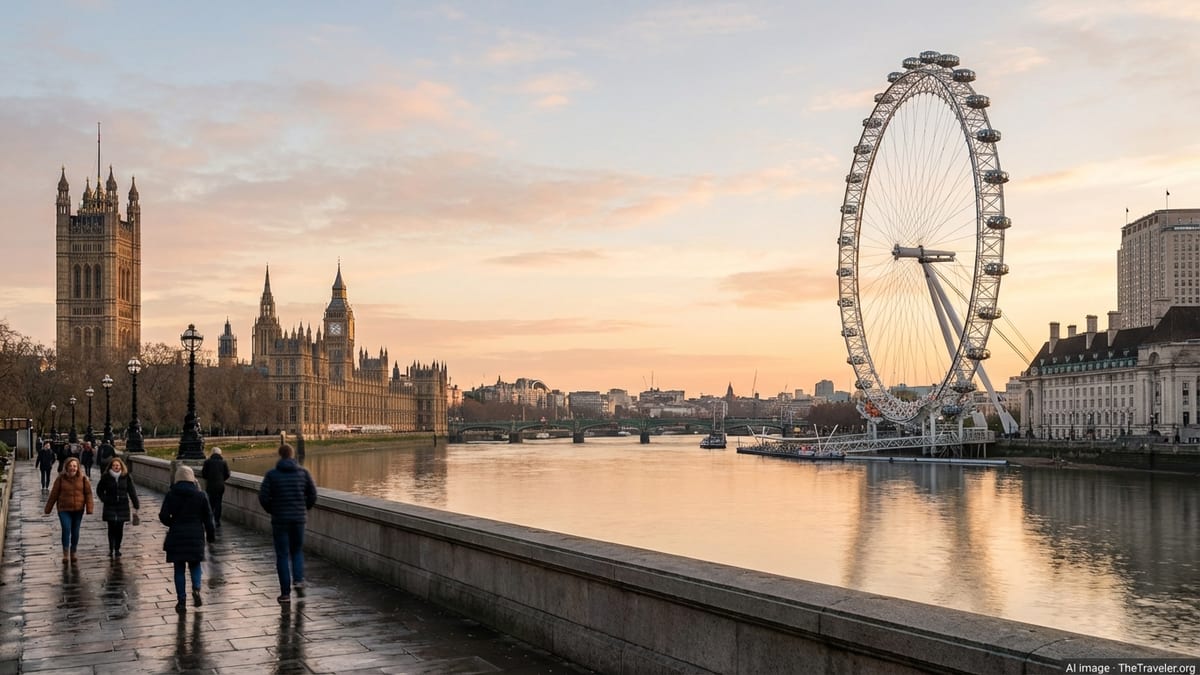
London remains the country’s essential starting point, a capital where centuries-old landmarks sit beside cutting-edge architecture and creative neighborhoods. A classic first-time itinerary circles around the River Thames, taking in the Gothic towers of Westminster Abbey and the Houses of Parliament, the ceremonial pageantry of Buckingham Palace and the vast glass pods of the London Eye. A slow walk along the South Bank between Westminster Bridge and Tower Bridge gives you a concentrated hit of the skyline, from the dome of St Paul’s Cathedral to the sharp profile of The Shard.
The city’s museums are among the most visited attractions in the United Kingdom, with the British Museum and the Natural History Museum each drawing well over six million visitors in 2024. Inside, you can move from the Rosetta Stone and Parthenon sculptures to a full-size blue whale skeleton and interactive exhibits on the climate and natural world. Many of the biggest institutions in London, including the British Museum, National Gallery and Tate Modern, do not charge for general admission, which makes it easy to dip in for an hour between other sights.
For a concentrated taste of royal and political history, consider a half-day around Westminster and Whitehall. Guided tours of Westminster Abbey trace nearly a thousand years of state occasions, from medieval coronations to the funeral of Queen Elizabeth II. Nearby, the Churchill War Rooms preserve the underground bunkers where Britain’s wartime government directed operations during the Second World War, offering a sobering counterpoint to the pageantry you see above ground.
In recent years, newer cultural districts such as King’s Cross and the revamped Coal Drops Yard have added another layer to the city experience. Former industrial spaces now host galleries, independent shops and canal-side restaurants, while a growing network of cycle routes and pedestrian-friendly paths makes it easier to explore on foot or by bike. Plan at least three days in London if you want to balance headline attractions with time to simply wander and absorb the city’s energy.
Walk Through Royal History at Windsor and Beyond
To see living royal tradition at close range, many visitors combine London with a day trip to Windsor, just west of the capital. Windsor Castle is among the most visited paid attractions in the country and remains an official residence of the monarch. Within the fortress walls you can walk through richly decorated state apartments, visit St George’s Chapel where generations of royals are buried and, on certain days, watch the Changing of the Guard. The town itself has cobbled streets, traditional pubs and views over the Thames that feel a world away from central London.
Beyond Windsor, royal sites are scattered across the UK and can be woven into broader itineraries. In Scotland, the Palace of Holyroodhouse stands at the foot of Edinburgh’s Royal Mile and is closely associated with Mary, Queen of Scots, while nearby the Royal Yacht Britannia offers a detailed look at the domestic side of royal life at sea. In England’s countryside, royal parks and estates such as Sandringham in Norfolk and Balmoral’s surrounding landscapes in the Scottish Highlands draw visitors who are as interested in walking trails and wildlife as they are in royal connections.
While royal pageantry can appear formal, many of these sites now emphasize accessible storytelling, with multimedia guides and family-friendly exhibits. That approach helps place ceremonies like coronations, investitures and state visits in a broader context of political change and social history. Even if you are not especially interested in monarchy, visiting one or two royal landmarks can deepen your understanding of the UK’s institutions and the public debates around them.
If you prefer a quieter take on royal heritage, look for lesser-known corners of major estates and parks. In Windsor Great Park, which ranks among the country’s most popular green spaces, you can leave the castle crowds behind to wander long avenues of ancient oaks, landscaped gardens and lakes where locals walk dogs and jog before work. These landscapes reveal the more everyday side of royal Britain, where palace walls give way to open sky.
Discover Edinburgh’s Dramatic Skyline and Cultural Festivals
Edinburgh is Scotland’s showpiece city, a compact capital built on volcanic hills where almost every street seems to end in a postcard view. The Old Town’s spine, the Royal Mile, climbs from the Palace of Holyroodhouse to Edinburgh Castle, which dominates the skyline from its perch on Castle Rock. Inside the castle complex, you can see the Honours of Scotland, considered the oldest surviving crown jewels in the UK, and step onto ramparts that offer panoramic views across the Firth of Forth and into the distant hills.
Just to the east, Holyrood Park contains Arthur’s Seat, an extinct volcano and one of the best short hikes in any European capital. The walk to the summit typically takes under an hour for reasonably fit visitors and rewards you with sweeping views of the city’s layered architecture. Many travelers aim to reach the top for sunrise or sunset, but even in overcast weather the sense of space and perspective is impressive.
Edinburgh’s cultural calendar is one of its biggest draws. Each August the city hosts a cluster of festivals that together form the world’s largest arts event, including the Edinburgh International Festival and the Fringe. During these weeks the population swells with performers and visitors, venues appear in basements and bars, and the streets become a continuous flow of music, comedy and theatre. Accommodation prices rise sharply and early booking is essential, but the atmosphere is unlike anywhere else in the UK.
Outside peak festival season, Edinburgh feels more reflective. You can spend slow days exploring the National Museum of Scotland, tracing literary history in the Writers’ Museum or sampling contemporary Scottish cooking in the New Town’s restaurants. For a side trip, the nearby port of Leith has evolved into a foodie hotspot and is home to the Royal Yacht Britannia, which has been repeatedly rated among the country’s top visitor experiences and offers a surprisingly intimate glimpse into royal maritime life.
Immerse Yourself in the Lake District’s Lakes and Fells
For many travelers, the Lake District in northwest England represents the essence of the British countryside. Recognized as a UNESCO World Heritage Site, it combines glacier-carved valleys, mirror-like lakes and rugged fells that rise steeply from the water’s edge. The region attracts millions of visitors each year who come to walk, cycle, sail and simply recharge in an environment where stone-built villages sit beside drystone walls and sheep-dotted hillsides.
Windermere, England’s longest lake, often serves as an introduction to the area. Boat services and lakeside promenades make it easy to experience the water, while nearby Bowness and Ambleside provide a lively mix of outdoor shops, cafés and guesthouses. More tranquil lakes such as Ullswater, Buttermere and Crummock Water appeal to those seeking quieter trails and less developed shores, especially outside school holidays.
The Lake District is also a landscape of stories. In Grasmere, you can visit Dove Cottage, where poet William Wordsworth wrote many of his most famous lines, and see the simple churchyard where he is buried. Across the region, sites associated with writer and illustrator Beatrix Potter showcase the farmhouses and fields that inspired her tales. Thoughtfully curated visitor centers and small museums do a good job of explaining how the area’s scenery shaped both Romantic poetry and modern conservation efforts.
Weather in the Lake District changes quickly, so flexible plans and proper clothing are essential, even in summer. On clear days, climbing a peak such as Catbells, Helvellyn or Scafell Pike offers a rewarding challenge, but there are plenty of low-level routes that follow valley floors or circuit lakes if visibility is poor. Many visitors combine active days with evenings in traditional pubs, where open fires and locally brewed ales create an atmosphere that feels timeless.
Experience the Wild Coasts of Wales and Northern Ireland
Beyond England and Scotland, some of the UK’s most memorable landscapes lie along the coasts of Wales and Northern Ireland. In Wales, Eryri National Park, still widely known by its English name Snowdonia, mixes sharp peaks with deep valleys and stone-built villages. Visitors can hike to the summit of Yr Wyddfa, the highest mountain in Wales, by several routes of varying difficulty, or take the heritage railway from Llanberis for a less strenuous ascent. Coastal national parks in Pembrokeshire protect dramatic sea cliffs, sandy bays and offshore islands that are important havens for seabirds and seals.
Further north, the island of Anglesey offers a gentler mix of beaches, low cliffs and farmland, along with prehistoric sites and one of the longest place names in Europe at a small railway station that has become a photo stop in its own right. In recent years Welsh authorities and local communities have invested heavily in long-distance walking routes and cycling paths, including sections of the Wales Coast Path that allow you to follow the shoreline for days at a time.
Across the Irish Sea, Northern Ireland’s Causeway Coast is one of the UK’s most distinctive stretches of shoreline. The Giant’s Causeway, formed of interlocking basalt columns, is managed by the National Trust and pairs a modern visitor center with clifftop paths that reveal the geometry of the rocks from above as well as at sea level. Nearby, ruined castles perch on headlands and small harbor towns such as Portrush and Portstewart serve as practical bases for exploring.
Both Wales and Northern Ireland balance their scenic attractions with emerging food and drink scenes. Harbor-front restaurants showcase local seafood, while small distilleries and breweries highlight regional character. Because international visitor numbers are still lower here than in London or Edinburgh, it is often easier to find last-minute accommodation, and traveling outside school holidays can give you viewpoints and beaches almost to yourself, especially under the softer light of spring or early autumn.
Stroll Through Historic University Cities and Cultural Hubs
Some of the UK’s most atmospheric days out take place in its university cities and mid-sized cultural hubs. Oxford and Cambridge, easily reached by train from London, offer cloistered college courtyards, riverside meadows and libraries that have shaped academic life for centuries. Punters guide flat-bottomed boats along the rivers Cherwell and Cam, past weeping willows and backs of grand colleges, while cyclists weave between bookshops, cafés and lecture halls.
Further north, cities such as York, Bath and Liverpool combine layered history with contemporary culture. York’s medieval walls encircle a compact center of crooked lanes, culminating in York Minster, one of Europe’s great Gothic cathedrals. Bath, built in warm honey-colored stone, owes its UNESCO World Heritage status to both its Roman bathing complex and its Georgian architecture. Liverpool, which has become one of the UK’s busiest city-break destinations, pairs redeveloped docklands and a celebrated music heritage with a concentration of museums and galleries that rivals any city outside London.
These places are particularly rewarding to explore on foot. Car-free or low-traffic centers, extensive bus networks and good long-distance rail links make it easy to plan sustainable itineraries where you do not need a private vehicle. Many travelers choose to base themselves in one city for several nights, using local trains to access nearby countryside, coastal walks or smaller market towns that offer a different pace of life.
In recent years, several of these cities have invested in new cultural venues, food markets and public art trails to appeal to both residents and visitors. Temporary exhibitions, light festivals and biennial events add extra reasons to return, while preserving the historic fabric that gives these places their character. Checking local listings before you travel can help you catch everything from contemporary art shows to cathedral choir performances.
Time Your Trip for Festivals, Illuminations and Seasonal Events
One of the most rewarding ways to experience the United Kingdom is to align your visit with major festivals or seasonal events. Beyond Edinburgh’s August arts season, highlights include Christmas markets in cities such as Manchester and Winchester, summer music festivals across England’s countryside and long-running seaside celebrations. On the Lancashire coast, Blackpool Illuminations have lit up the promenade since the late nineteenth century and now run for more than 100 days from late August into early January, transforming several miles of seafront into a corridor of light installations.
Many of these events aim to extend traditional tourist seasons, encouraging visitors to come outside the peak summer months. That can translate into more affordable accommodation and a different feel in destinations that are typically crowded in July and August. For example, coastal towns and national parks often host walking festivals, food fairs or dark-sky astronomy weekends in spring and autumn, making use of cooler temperatures and longer nights.
It is wise to plan well ahead if your trip coincides with the most popular events. Major arts festivals, sports fixtures and New Year celebrations can cause hotel rates to spike and trains to sell out. Flexible travelers may enjoy leaning into smaller-scale local events instead, such as agricultural shows, literature festivals or regional food celebrations, which offer insight into community life without overwhelming crowds.
Whatever the season, packing layers is essential. The UK’s maritime climate produces quick-changing conditions, and even summer evenings can feel cool near the coast or in the hills. With a waterproof jacket and comfortable footwear, you can keep exploring even if showers pass through during a holiday fireworks display or open-air performance.
The Takeaway
Choosing the ten best things to do in the United Kingdom is ultimately an exercise in priorities rather than a definitive list. The country’s appeal lies in its variety: one day you might be standing beneath the vaulted ceiling of Westminster Abbey, the next tracing a footpath above a Cumbrian lake or listening to buskers on a cobbled Edinburgh close. Big-name attractions such as London’s museums and Windsor Castle sit alongside quieter experiences, from a misty morning on a Welsh headland to a late-night conversation in a university-town pub.
For most visitors, the ideal trip combines several of these strands. A few days in London and another major city, at least one national park or coastal area and time in a smaller historic town give a rounded picture of the UK’s landscapes and cultures. Building in flexibility for the weather and leaving space for unscripted encounters will help you move beyond a checklist of sights toward a deeper connection with the places you visit.
As infrastructure improves, new attractions open and regional cities continue to invest in culture and public spaces, it is becoming easier to explore the UK beyond its most famous postcards. Whether this is your first visit or a return trip, approaching the country as a collection of distinct nations and regions, each with its own identity, will reward you with a richer and more memorable journey.
FAQ
Q1. How many days do I need to see the main highlights of the United Kingdom?
Most first-time visitors spend 7 to 10 days, which allows for several days in London, a visit to another city such as Edinburgh or Bath and a short stay in the countryside.
Q2. When is the best time of year to visit the UK for sightseeing and outdoor activities?
Late spring and early autumn usually offer a good balance of milder weather, relatively long daylight hours and fewer peak-season crowds compared with July and August.
Q3. Do I need to rent a car to visit places like the Lake District or the Welsh coast?
You can reach many hubs by train and bus, but a car provides more flexibility in rural areas. If you prefer not to drive, choose bases with good local transport and guided tour options.
Q4. Are major museums and galleries in London free to enter?
Many national museums and galleries in London, such as the British Museum and National Gallery, do not charge for general admission, although special exhibitions may require paid tickets.
Q5. How far in advance should I book tickets for popular attractions and festivals?
For top attractions in London and Edinburgh, booking at least a few weeks ahead is sensible, while major festivals and New Year events may require reservations several months in advance.
Q6. Is the UK a good destination for families with children?
Yes, the UK offers family-friendly museums, castles, zoos and outdoor activities, along with practical amenities such as high chairs, children’s menus and widely available public transport.
Q7. What is the best way to travel between major cities such as London, Edinburgh and Manchester?
Intercity trains are usually the fastest and most convenient option, linking major cities in a few hours. Booking advance tickets can significantly reduce fares on many routes.
Q8. How should I prepare for the UK’s changeable weather?
Pack light layers, a waterproof jacket and comfortable waterproof footwear. Conditions can shift quickly, so dressing in layers helps you adapt whether it is sunny, windy or showery.
Q9. Are contactless payments widely accepted across the United Kingdom?
Contactless card and mobile payments are common in shops, restaurants, public transport and many attractions, though carrying a small amount of cash is still useful in rural areas and small markets.
Q10. Is it realistic to visit England, Scotland, Wales and Northern Ireland on a single trip?
It is possible on a longer trip of two weeks or more, but you will move quickly. Many travelers choose to focus on one or two nations in depth and return to explore others later.