

Ontario’s food scene stretches far beyond trendy city restaurants and classic cottage barbecues. From the shores of Lake Ontario to the vineyards of Niagara and the windswept highways of the north, this vast province is stitched together by flavours and food traditions that are distinctly its own. Whether you are sipping dessert wine amid frozen vines or learning about Indigenous foodways over bannock and wild rice, these seven experiences reveal how to taste Ontario at its most authentic and memorable.
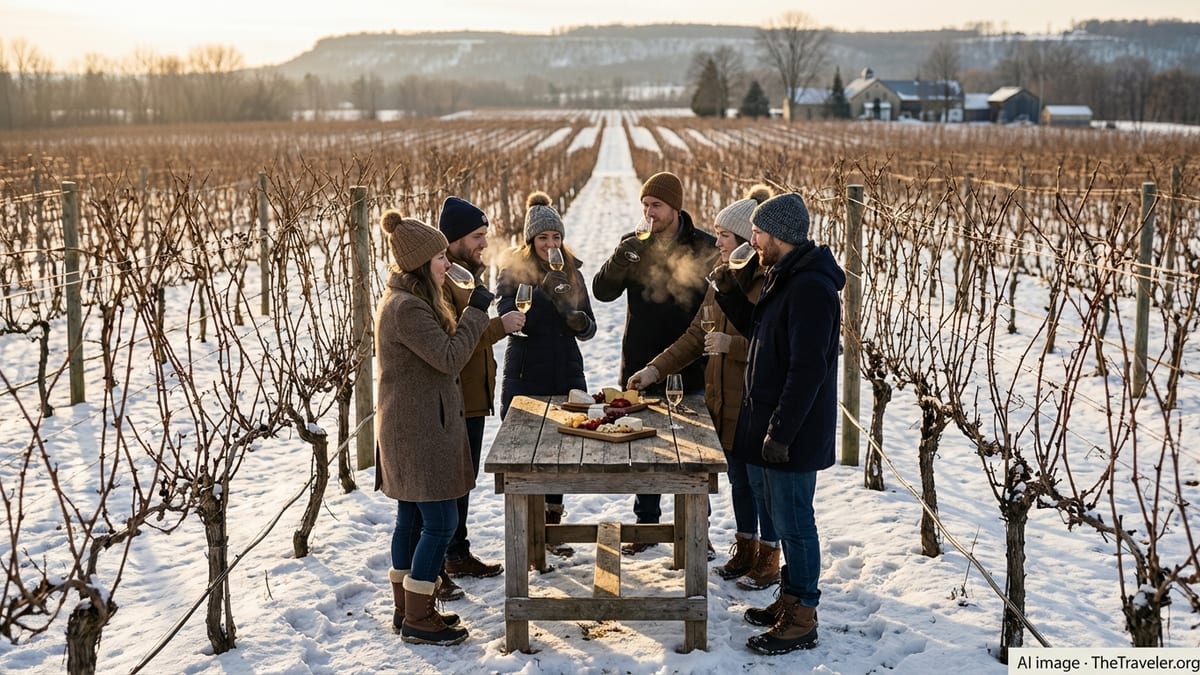
1. Chase Liquid Gold at the Niagara Icewine Festival
Few food experiences feel as purely Ontario as standing in a snowy vineyard with a glass of icewine in hand. Each January, wineries across the Niagara Peninsula celebrate the frozen grape harvest with a month of tastings, food pairings and special events collectively known as the Niagara Icewine Festival. Ontario is one of the world’s most reliable producers of icewine thanks to its consistently cold winters, and the festival is the easiest way to sample this intensely sweet, concentrated wine in many different styles.
The centerpiece for many visitors is the Icewine Discovery Pass, sold by the Niagara Grape and Wine Festival. The pass lets you build your own self-guided route through participating wineries, where each stop offers a small plate paired with a specific icewine. One winery might match a late-harvest Vidal with blue cheese and honey, while another pairs Cabernet Franc icewine with slow braised short rib. Because you can visit at your own pace, it works just as well for dedicated oenophiles as it does for casual travelers who want a winter road trip through vineyard country.
In Niagara on the Lake, the festival spills into town with an Icewine Village set up along historic Queen Street on selected weekends. Booths from local wineries and restaurants line the street while fire pits, ice sculptures and live music turn the heritage town centre into a winter street party. More formal events, including gala evenings in atmospheric venues such as the Niagara Parks Power Station, showcase how chefs across the region cook with and pair icewine for multi course dinners. It all adds up to one of the most immersive food and drink experiences in the province.
To get the most out of the festival, plan ahead for winter driving, consider booking accommodations within taxi distance of the main events and think about appointing a designated driver or using a driver’s tasting pass where available. Even if dessert wine is not usually your style, sampling it at the source, in the cold air it needs to exist, is a uniquely Ontario experience worth planning a winter getaway around.
2. Go Farm to Table in Prince Edward County
On the northeastern shore of Lake Ontario, Prince Edward County has transformed from a quiet agricultural region into one of Canada’s most talked about rural escapes. Its rolling fields, cool climate vineyards and lakeside villages set the scene for a farm to table movement that feels deeply rooted in the local landscape. Here, dinner often starts in the field long before it reaches the plate, and many of the most memorable meals are paired with a tour of the gardens or a drive past the very barns and orchards that supplied them.
Farm based experiences such as the Littlejohn Farm dinners near Picton epitomize this connection between place and plate. Guests typically start with a guided walk through the gardens and outbuildings, meeting chickens scratching in the yard and seeing rows of vegetables that will later appear on the table. The meal that follows might include house baked bread, just picked produce and meats raised either on the farm or by neighboring producers, served in a relaxed, communal setting that feels more like an evening at a friend’s countryside home than a restaurant reservation.
Across the county, small kitchens and wine country eateries lean heavily on seasonal ingredients and local producers, from heirloom tomatoes and sweet corn in late summer to squash and heritage grains in the cooler months. Wineries pour cool climate Pinot Noir and Chardonnay that mirror the region’s limestone rich soils, while cheesemakers craft cow, goat and sheep’s milk varieties that have earned national attention. The result is a compact region where you can spend a weekend moving from a farm brunch to a vineyard tasting, followed by a lakeside dinner built around just landed fish from the Bay of Quinte.
Because Prince Edward County is relatively small and rural, reservations and advance planning are important, especially in summer and on holiday weekends. Consider staying in Picton, Wellington or Bloomfield to be within a short drive of most farms, wineries and restaurants. No matter where you base yourself, the signature experience here is the feeling that you are eating in rhythm with the land, with every course quietly telling the story of the farmers, winemakers and producers who made it possible.
3. Explore Indigenous Foodways Across the Province
Long before there were wineries and tasting menus, the land now called Ontario was home to vibrant Indigenous food cultures shaped by the seasons, the forests and the waterways. Today, a growing number of Indigenous chefs, caterers and community organizations are sharing those traditions with visitors through dining events, pop up dinners and educational programs. Seeking out these experiences is one of the most meaningful ways to understand the province’s culinary roots.
In and around Toronto, projects linked to Anishinaabe food sovereignty highlight ingredients such as wild rice, venison, maple, berries and corn. Chefs and educators emphasize that traditional foods are not simply nostalgic dishes but part of a larger effort to restore healthy relationships with land and water. Community driven operations that began as catering companies have expanded into workshops, feasts and foraging walks that explore how ingredients were gathered, preserved and cooked long before supermarkets. Menus might pair braised bison with cedar braised vegetables or serve corn soup alongside baked bannock.
Around the province, you can increasingly find Indigenous owned cafes, market stalls and food trucks at festivals, powwows and cultural centres. These might serve pickerel on bannock, elk sausages, berry based desserts or corn based comfort foods. Some experiences are explicitly educational, with chefs explaining how colonial policies suppressed traditional diets and how reconnecting with wild and cultivated Indigenous foods can support community health today. Others are simply delicious meals where the story is woven gently into the hospitality.
Because many Indigenous culinary projects prioritize community programming first, visitors should be prepared to plan around public events, seasonal schedules and limited seating. When you do secure a place at a feast or workshop, go with an open mind, listen as much as you taste and remember that you are participating in a living culture rather than a tourist show. The reward is an experience that adds depth and context to everything else you eat in Ontario.
4. Follow the Trails of Classic Ontario Comfort Foods
Ontario’s food reputation often revolves around high end restaurants, yet some of its most beloved flavors are humble, nostalgic and deeply regional. Road trips through the province are punctuated by signs promising butter tarts, poutine, peameal bacon sandwiches and fish and chips, each with fiercely loyal local followings. Turning these everyday dishes into a themed food trail is both an affordable and entertaining way to taste the province.
Perhaps the most famous example is the network of bakeries and cafes associated with various butter tart trails. These informal routes, promoted by tourism offices and local business groups, invite travelers to sample their way through dozens of different versions of the classic Canadian pastry. Some bakers keep things straightforward with flaky pastry and a gooey, raisin studded filling. Others riff with ingredients such as maple, pecans or chocolate. Exploring one of these routes over a day or two lets you meet owners, compare techniques and experience quiet main streets and rural corners you might otherwise pass by.
Poutine may have originated in Quebec, but Ontario has enthusiastically adopted the combination of fries, cheese curds and gravy. In cities and small towns alike, you will find everything from late night snack bar versions to chef driven interpretations topped with brisket, smoked fish or seasonal vegetables. Similarly, the peameal bacon sandwich, built on cured, cornmeal crusted pork loin and a soft roll, is deeply associated with Toronto’s historic markets yet appears on diner menus across southern Ontario.
To build your own comfort food trail, start with a loose theme, then connect destinations that highlight it, leaving plenty of time for detours. A weekend built around butter tarts might also include a stop at a farm stand or country smokehouse. A poutine themed evening could end at a craft brewery. The point is not to crown a single champion but to experience how these casual foods reflect local preferences, immigration stories and the everyday tastes of the people who live here.
5. Taste the World in Toronto’s Neighborhoods
Ontario’s capital is one of the most diverse cities in the world, and nowhere is that more evident than in its restaurants. A stroll through Toronto’s neighborhoods can feel like a walking tour of global cuisines, from Jamaican patties and Vietnamese pho to Ethiopian injera and Pakistani karahi. While it is impossible to capture the entire scene in a single visit, choosing a few areas to explore on foot is a rewarding way to understand how immigration has shaped the province’s palate.
Along Ossington Avenue, for example, contemporary Middle Eastern spots such as The Haifa Room bring together influences from across the Levant. The menu might feature shawarma, falafel and bright salads, paired with natural wines and cocktails, in a space that feels both casual and carefully designed. On Queen Street East, Georgian restaurants like Tiflisi introduce diners to khachapuri filled with molten cheese, dumpling like khinkali and grilled meat platters. That restaurant has earned a Bib Gourmand rating from the Michelin Guide, underscoring how even neighborhood places in Toronto can reach international standards.
Further afield, enclaves such as Little India, Koreatown, Chinatown, Greektown and the stretch of Lawrence Avenue East sometimes called the “Warden food corridor” offer cluster after cluster of independent eateries. Here you can spend an afternoon snacking on Sri Lankan short eats, Filipino baked goods or Syrian ice cream. Newcomer owned businesses often double as cultural hubs, and it is common to find grocery shelves and takeout counters tucked into the same space.
The most enjoyable way to experience Toronto’s global food scene is to slow down and focus on one or two neighborhoods rather than trying to zigzag across the city. Give yourself permission to follow your nose and peer into busy storefronts. Order what the staff recommend, ask questions if you feel comfortable and be open to dishes you have never heard of before. In a city where multiple languages mingle on almost every block, curiosity is the only requirement.
6. Discover Regional Traditions From Lake Fish to Finnish Pancakes
Beyond the well known destinations of Niagara, Prince Edward County and Toronto lies an entire map of smaller Ontario communities with proud food traditions of their own. Following the Great Lakes shoreline, for instance, you will encounter fish shacks, diners and smokehouses that specialize in species such as pickerel, whitefish and lake trout. Typically caught in local waters and served simply, often with lemon and fries, these meals speak directly to the province’s maritime heritage on freshwater seas.
In northern cities such as Thunder Bay, waves of Finnish and other Scandinavian immigrants left a lasting mark on local menus. Institutions like The Hoito, which served Finnish style pancakes and other comfort foods for more than a century, helped turn dishes such as thin, plate sized pancakes into regional icons. Although the original restaurant closed after a fire and the pandemic, the affection locals still express for its menu shows how immigrant cooking becomes part of a city’s shared identity over time. New ventures and community groups continue to keep those flavors alive through pop ups, bake sales and updated restaurants inspired by the original.
Other communities reveal their character through seasonal foods. In spring, maple syrup festivals unite rural and urban Ontarians, with sugar shacks hosting pancake breakfasts and taffy on snow. In autumn, apple harvests transform orchards into day trip destinations, with fresh pressed cider, pies and doughnuts drawing crowds. In francophone pockets scattered across the province, meat pies and tourtière appear around holidays, while in Mennonite and Amish farming areas you may find roadside stands selling preserves, cheeses and baked goods that rarely make it beyond the local markets.
What connects these experiences is a sense of place and continuity. Eating lake fish beside the water or enjoying a plate of pancakes in a Finnish influenced diner helps you tap into stories that stretch back generations. For travelers willing to venture off the main highways, these small town and regional flavors can be some of the most memorable of all.
7. Pair Culinary Adventures With Outdoor Escapes
Because Ontario is so physically large, many of its best food moments unfold alongside outdoor experiences. Instead of treating meals as separate from your time in nature, consider planning itineraries where the two are woven together. This not only leads to fresher, more seasonal eating but also helps support small communities that act as gateways to parks, trails and lakes.
In the lake rich regions of Muskoka, Haliburton and the Kawarthas, cottage country restaurants increasingly highlight local ingredients, from wild blueberries and mushrooms to cheeses and craft beers made nearby. After a day of paddling or hiking, you might sit down to wood fired pizza topped with Ontario mozzarella and seasonal vegetables, or share a platter of smoked trout by a dockside patio. Farmers’ markets in these areas are often compact but vibrant, with bakers, beekeepers and vegetable growers selling directly to both locals and vacationers.
Further north, in communities that serve as launching points for wilderness canoe routes and backcountry hikes, simple motels and family run lodges may surprise you with hearty, carefully cooked meals. Stews, roasts and homemade pies built on regional staples help fuel long days outdoors. In winter, ski hills and snowmobile hubs lean into cozy, rib sticking fare that tastes especially satisfying after hours in the cold.
To make the most of this style of travel, look for places that talk openly about their suppliers or that are recommended by local outfitters and guides. Ask staff about what is in season, and do not be afraid to plan your day around a particular meal, whether that is a big breakfast before an all day hike or a celebratory dinner after completing a multi day paddle. In a province where nature is such a significant draw, the meals that bookend your adventures can become as memorable as the landscapes themselves.
The Takeaway
Eating your way across Ontario is not about ticking off a list of famous restaurants so much as it is about collecting experiences that reveal how people live, work and celebrate here. Sipping icewine in a frozen vineyard, sharing a feast that honours Indigenous foodways, biting into a still warm butter tart in a small town bakery or discovering a new favorite dish in a Toronto neighborhood all tell different chapters of the same story.
What unites these seven experiences is their sense of connection, whether to land, to community or to the diverse histories that have shaped this province. By seeking out festivals, farms, family owned diners and cultural hubs, you support the people who keep Ontario’s food traditions alive and evolving. In return, you gain a richer, more flavorful understanding of a place that is impossible to summarize in a single dish, but easy to taste in every corner if you know where to look.
FAQ
Q1. When is the best time of year to plan a food focused trip to Ontario?
Ontario’s food experiences are truly year round. Winter is ideal for the Niagara Icewine Festival, spring for maple syrup outings, summer for farm visits, patios and lake fish, and autumn for harvest festivals and wine country. Your interests and tolerance for weather should guide your timing.
Q2. Do I need to rent a car to enjoy these food experiences?
A car makes it easier to reach vineyards, farms and small towns, especially in Niagara and Prince Edward County. In Toronto, you can rely on transit and walking. For wine touring, consider organized tours, local drivers or carefully planned designated driver arrangements.
Q3. Are these experiences suitable for travelers with dietary restrictions?
Many Ontario restaurants and food businesses can accommodate vegetarian, vegan and gluten free diets with advance notice. Farm dinners and tasting menus often require you to share restrictions when booking, and some Indigenous and comfort food dishes are naturally gluten free or dairy light. Always confirm details before reserving.
Q4. How far in advance should I book farm dinners or special events?
Popular farm to table experiences, icewine events and tasting menus can sell out weeks or even months ahead, especially in peak summer and during January festivals. As soon as you know your travel dates, start checking event calendars and make reservations where possible.
Q5. Is tipping expected at wineries and tasting rooms?
Practices vary. Some Ontario wineries include tasting fees that are waived with purchase, while others offer complimentary tastings. Tipping is generally appreciated when you receive table service, guided flights or exceptional one on one attention, but it is not mandatory in simple retail style tastings.
Q6. Can families with children enjoy these food experiences?
Yes. Farm visits, markets, comfort food trails and many winery properties are family friendly, with open spaces and non alcoholic options. Some events, particularly evening galas or intimate tasting menus, may be better suited to adults. Check age policies before booking.
Q7. How expensive is it to eat at top restaurants in Ontario compared with casual spots?
Prices vary widely. Tasting menu restaurants in Toronto, Niagara or Prince Edward County can be comparable to major North American cities, while diners, bakeries and small town cafes remain fairly affordable. Mixing one or two splurge meals with more casual options keeps costs manageable.
Q8. What is the best way to find Indigenous food experiences as a visitor?
Look for Indigenous owned restaurants, catering companies that host public feasts, cultural centres with food events and festivals that feature Indigenous vendors. Local tourism offices and community organizations are useful resources, and it is wise to book early since many events have limited capacity.
Q9. Do I need special clothing or gear for winter food trips like the Icewine Festival?
Yes. You will spend time outdoors in cold temperatures, often on snow or ice, so bring warm boots, insulated layers, hats and gloves. Many events have heated tents or indoor areas, but dressing for the weather will make tastings and vineyard walks far more comfortable.
Q10. How can I support local producers while traveling without overspending?
Small purchases add up. Buying a jar of honey, a wedge of cheese, a bag of flour or a bottle of sauce from markets, farms and wineries directly supports producers. Sharing dishes family style at restaurants and focusing on a few special items to take home keeps spending in check while still contributing to the local food economy.