

Circling Lake Michigan by car, ferry or train is as much a culinary journey as a scenic one. From small harbor towns in Wisconsin and Michigan to the big-city energy of Chicago and Milwaukee, this freshwater shoreline serves up regional dishes rooted in fishing traditions, immigrant recipes and farm-country abundance. Whether you are planning a full lake loop or dipping into a single stretch of coast, these seven foods capture the flavor of life around Lake Michigan today.
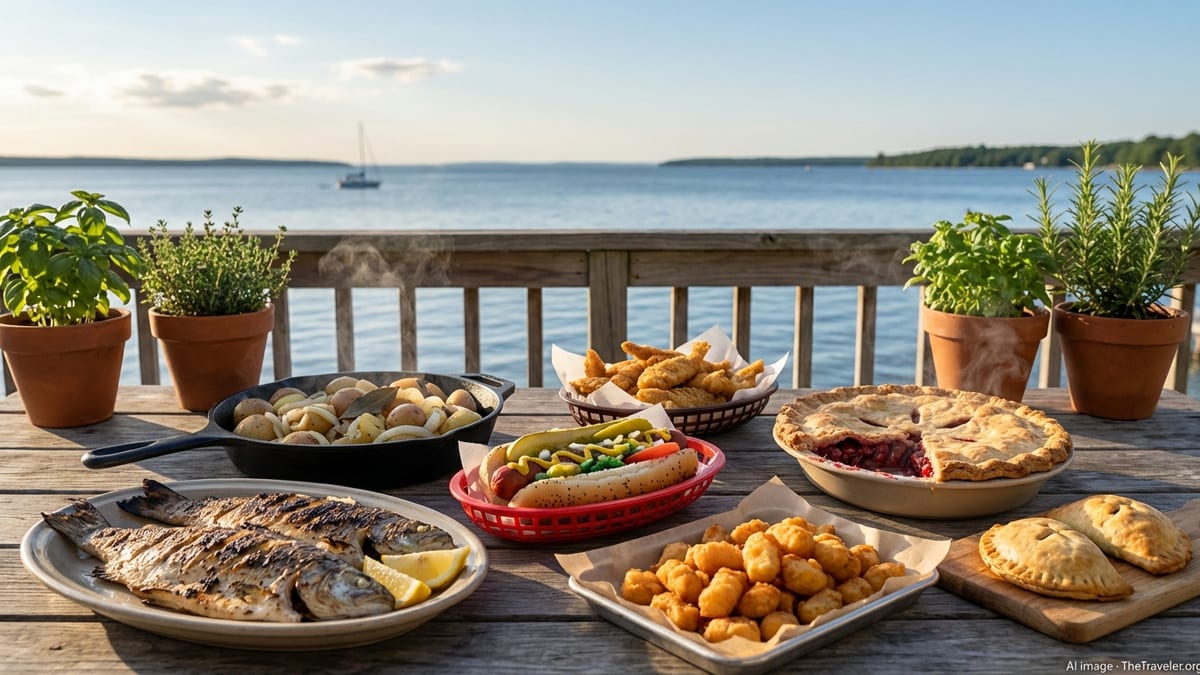
1. Lake Michigan Whitefish, Fresh from the Source
For generations, lake whitefish has been one of the defining flavors of Lake Michigan. Mild, flaky and rich in healthy fats, it has long been a staple for commercial fishing families and shoreline restaurants. In places such as Door County in Wisconsin and harbor towns across northern Michigan, the day’s catch still appears on menus grilled, pan fried or baked, often simply dressed with lemon and butter so the clean, sweet flavor of the fish can stand out.
In recent years, lake whitefish stocks in parts of Lake Michigan have come under pressure, and regulators have responded with tighter quotas and restoration projects designed to keep the fishery sustainable. That means diners are increasingly likely to see whitefish promoted as a native species that is both culturally important and carefully managed. Ordering it where it is in season and clearly identified as locally caught is one way visitors can support the communities and scientists working to protect the lake’s ecology.
On the plate, whitefish is one of the most versatile options you will find around the lake. In casual taverns it might arrive as golden fillets with a side of fries and slaw; at more polished spots it could be served over wild rice, seasonal vegetables or a bright herb sauce. However it is prepared, it is worth seeking out at least once on any Lake Michigan trip as a direct expression of the water just beyond the dining room windows.
Because conditions on the lake change with the seasons, availability and preparation methods can vary between ports and states. Ask servers where and how the fish was caught, and be open to recommendations; some nights the best choice might be a baked fillet, while on others a chef’s special featuring whitefish cheeks or collar meat could give you a more distinctive taste of the region.
2. Door County Fish Boil: A Fiery Wisconsin Ritual
Along Wisconsin’s Door Peninsula, the traditional fish boil has evolved from a practical way to feed lumber crews and fishing families into one of the Midwest’s most theatrical meals. In coastal villages, a boil master tends a massive kettle over an open wood fire, layering in potatoes, onions and thick-cut Lake Michigan whitefish. As the sun drops over the harbor, visitors gather around the flames to watch the final “boil over,” when the fire is stoked and the pot erupts in a burst of steam that carries off the fish oils.
The drama is part of the experience, but the food is straightforward and comforting. Plates are usually piled with firm potatoes, tender onions and moist whitefish, all pulled straight from the kettle and served with melted butter, lemon and simple sides like coleslaw and rye bread. Many long-running fish-boil restaurants finish the meal with a slice of cherry pie, a nod to the county’s extensive cherry orchards and a sweet way to close an evening spent by the water.
Because boils are typically timed around sunset and space can be limited in peak summer and fall, advance reservations are often encouraged, especially for larger groups. Arriving early lets you hear the stories behind the tradition, from Scandinavian roots to modern twists, and gives you a front-row view of the boil master at work.
While recipes vary slightly between inns and supper clubs, the essence remains the same: fresh local whitefish, cooked outdoors in the open air and shared with a crowd. For many travelers, this communal meal becomes a highlight of their Lake Michigan itinerary, a reminder that some of the most memorable dishes are those built around place, people and spectacle rather than complex technique.
3. Friday Fish Fry in Wisconsin and Beyond
The Friday night fish fry is one of the great social rituals of the upper Midwest, and the Lake Michigan shoreline offers some of its most atmospheric settings. Historically tied to Catholic meatless Fridays and buoyed by the region’s abundant freshwater fish, the tradition now draws diners of every background to neighborhood taverns, church basements and lakeside supper clubs from Kenosha to Green Bay and inland cities like Milwaukee.
At its most classic, a fish fry means lightly battered or breaded fillets of perch or cod, dropped into hot oil until they emerge crisp and golden. They are typically served with coleslaw, rye bread or a soft roll, tartar sauce and a choice of sides such as fries or potato pancakes. In communities close to Lake Michigan, you may also find whitefish or walleye on the menu, particularly in seasons when local supplies are strong and carefully managed.
Beyond the plate, the appeal of a Friday fish fry lies in the atmosphere. Families, retirees, anglers and visitors all crowd into the same dining rooms, often lingering over local beer or an old-fashioned while waiting for their number to be called. Many places are first come, first served, and part of the experience is settling into the rhythm of the evening: chatting with regulars, listening to the kitchen crew call out orders and catching glimpses of the lake between buildings or through the windows.
Travelers who want to experience this tradition should plan ahead. Popular spots can see lines out the door, especially during summer, Lenten season and on holiday weekends. Aim to arrive early, bring patience, and treat the wait as part of the cultural immersion. Asking locals where they go for their favorite fish fry often yields better results than relying solely on visitor guides, and you may discover a small-town hall or club you would otherwise have driven straight past.
4. Chicago-Style Hot Dogs on the Urban Shoreline
No food captures the character of Chicago’s lakefront quite like the Chicago-style hot dog. Created by immigrant vendors and refined over decades, this fully loaded beef dog is a staple at walk-up stands, ballparks and neighborhood joints just a short stroll from Lake Michigan’s beaches and harbors. What sets it apart is not just the quality of the sausage, but the strict lineup of fresh toppings and the insistence on a poppy-seed bun.
The canonical Chicago dog starts with an all-beef frank nestled in a steamed bun, then layered with yellow mustard, neon-green relish, chopped onions, tomato wedges, a dill pickle spear, sport peppers and a shake of celery salt. The combination delivers a mix of heat, crunch, acidity and sweetness that feels substantial yet portable, ideal for eating on a bench along the lakefront trail or in the stands at a summer baseball game.
Equally important is what you will not find on a true Chicago dog: ketchup. Many stands decline to offer it altogether, thanks to a long-standing local belief that tomato-based condiments clash with the careful balance of the toppings. Visitors curious about the custom can ask staff to explain the unwritten rules, a conversation that often leads to recommendations for other local favorites such as Italian beef sandwiches or sausage and pepper combos.
Because Chicago’s culinary scene is constantly evolving, travelers can now find creative riffs on the classic dog alongside the traditional version. Some spots offer vegetarian or vegan sausages in the same style, while others experiment with regional sausages or artisan toppings. Yet for a first taste, it is worth seeking out the straightforward original, ideally from a stand that has been serving neighborhood regulars for years and still views the hot dog as an everyday staple rather than a novelty.
5. Pasties, Smoked Fish and Comfort Food in Michigan Harbor Towns
Crossing into Michigan, the shores of Lake Michigan introduce a different set of immigrant influences and comfort foods shaped by mining, logging and fishing communities. One of the most enduring is the pasty, a handheld meat-and-vegetable pie brought to the region by Cornish miners in the nineteenth century. Although strongly associated with Michigan’s Upper Peninsula, pasties appear in bakeries and roadside shops along the northern reaches of Lake Michigan’s Lower Peninsula as well, especially in towns that serve as gateways to the bridge and beyond.
A typical pasty features a sturdy crust wrapped around diced beef, potatoes, onion and sometimes rutabaga, seasoned simply and baked until the filling is tender. Originally designed to be eaten underground on long shifts, they remain a practical and filling option for road trippers. Many bakeries now offer variants with chicken, root vegetables or vegetarian fillings, but the classic beef version is often the most evocative of the area’s working history.
Smoked fish is another essential taste of Michigan’s coastline. Small smokehouses in harbor towns transform lake trout, whitefish and salmon into deeply flavored fillets and spreads using time-tested brining and slow-smoking methods. Travelers can often buy warm slabs of fish straight from the smoker to eat with crackers on a picnic table overlooking the marina, or pick up vacuum-sealed portions to enjoy later in a cabin or rental kitchen.
Together, pasties and smoked fish illustrate the way Lake Michigan’s Michigan shore blends land and water in its food culture. One bite reflects forests and fields, the other the cold, clear depths of the lake. Seeking out small, family-run shops and smokehouses not only yields satisfying meals, but also gives visitors a chance to support businesses that keep regional traditions alive in the face of changing economic and environmental conditions.
6. Cherry Pie and Orchard Treats in Northern Michigan
Northern Michigan’s climate, moderated by the waters of Lake Michigan, creates favorable conditions for cherry orchards that roll across hillsides near the shoreline. The region produces a large share of the United States’ tart cherries, and towns near the lake celebrate that distinction with festivals, farm stands and bakeries that turn the bright red fruit into an array of desserts. For many travelers, no trip along the lake’s eastern shore feels complete without at least one slice of classic cherry pie.
Most traditional versions rely on Montmorency tart cherries, prized for their firm texture and assertive flavor. Baked into a flaky crust, they deliver a balanced mix of acidity and sweetness that stands up well to ice cream or whipped cream. Some long-running pie shops have been recognized nationally for their cherry desserts, a testament to both local fruit quality and recipes refined over decades.
Beyond pie, visitors can explore cherry-inspired treats that range from straightforward to inventive. Roadside markets might offer dried cherries, jams and preserves perfect for packing into a suitcase, while tasting rooms and specialty shops experiment with cherry sodas, salsas and snack mixes. In harvest season, usually mid-summer depending on weather, certain orchards open for pick-your-own days, giving travelers the chance to walk between rows of trees overlooking the lake and gather fruit directly.
Because late frosts and shifting weather patterns can affect annual yields, availability and pricing of fresh cherries can vary from year to year. When supply is down, producers often highlight frozen and dried products that allow the season’s flavor to be enjoyed in baking and cooking long after the last cherries are picked. Asking growers and shop owners about the current year’s harvest can deepen your understanding of how closely local food culture is tied to the lake-moderated climate.
7. Craft Beer, Cheese Curds and Other Tavern Staples
While fish and fruit tell much of Lake Michigan’s culinary story, the taverns and taprooms that line its shores add another important chapter. Wisconsin and Michigan both have deep brewing traditions, and Chicago’s craft beer scene has grown rapidly, so travelers circling the lake encounter an impressive range of locally made lagers, pale ales and seasonal specialties. Many breweries and bars sit within view of the water, turning a tasting flight or a single pint into an easy excuse to linger by the shoreline.
Crisp, refreshing styles often pair well with fried fish, smoked meats or the salty richness of cheese curds. In Wisconsin in particular, cheese curds occupy a special place on bar menus. Fresh curds squeak softly between your teeth, while the fried version emerges from the fryer cloaked in a light batter, with molten cheese inside. They serve as both snack and cultural touchstone, reflecting the state’s deep dairy history and its affection for unfussy, shareable food.
Beyond beer and curds, tavern staples vary by city and town but tend to emphasize generous portions and approachable flavors. In some spots you might encounter burgers piled high with local cheeses, in others flat-top grilled sausages or simple fish sandwiches. Coastal cities with more international communities add pierogi, tacos or noodle dishes to the mix, folding global influences into the lakefront bar culture.
For visitors, these venues provide more than calories. They function as informal gathering places where weather, sports and lake conditions are discussed with equal seriousness. Sitting at the bar or a communal table, you can pick up tips on the best nearby beaches, fishing charters or scenic drives, all while sampling food and drink that local residents actually order for themselves after a long week.
The Takeaway
From the smoky drama of a Door County fish boil to the simple pleasure of a cherry pie enjoyed on a picnic table overlooking the water, food around Lake Michigan tells the story of the region’s people and landscape. Native fish, immigrant comfort foods, orchard harvests and tavern snacks each reflect a different chapter in that story, shaped by cold winters, deep waters and waves of newcomers who brought their recipes with them.
As environmental conditions and local economies evolve, many of these dishes are also tied to ongoing conversations about sustainability and heritage. Choosing lake fish sourced from responsible fisheries, supporting family-run smokehouses and bakeries, and learning the history behind a humble hot dog or pasty all help preserve the flavors that make this shoreline distinctive.
Whether you are following the entire circle tour or focusing on one stretch of coast, let your appetite guide part of your itinerary. Plan ahead for a Friday fish fry or fish boil, leave room for spontaneous stops at smokehouses and farm stands, and give yourself time to sit with a local beer or coffee and simply watch the light shift over the lake. Around Lake Michigan, the most memorable meals are often those rooted firmly in place, served with a view of the water and seasoned with a strong sense of community.
FAQ
Q1. When is the best time of year to enjoy fresh fish around Lake Michigan?
The main season for locally caught lake fish generally runs from late spring through early fall, when weather and lake conditions are more favorable. Availability can vary by species and by port, so it is wise to ask restaurants what is freshest that week.
Q2. Do I need reservations for a Door County fish boil?
Reservations are strongly recommended in peak summer and during fall foliage season, especially for sunset boils and for larger groups. Some smaller or shoulder-season boils may accept walk-ins, but planning ahead reduces the risk of missing out.
Q3. Is lake whitefish considered a sustainable choice?
Lake whitefish is a native species that many agencies and tribal nations are working hard to manage responsibly. In some areas harvest quotas have been reduced to protect the population, so choosing whitefish from reputable restaurants that highlight local, well-managed sources is a reasonable way to support sustainability.
Q4. Where can I find an authentic Chicago-style hot dog near the lake?
In Chicago, classic hot dog stands operate in many neighborhoods close to the shoreline, as well as near major parks and sports venues. Look for long-running spots that serve all-beef dogs on poppy-seed buns with the full lineup of traditional toppings.
Q5. Are pasties easy to find along Lake Michigan’s Michigan shore?
Pasties are most common in and near the Upper Peninsula, but bakeries and specialty shops in northern Lower Peninsula towns and highway corridors leading to the bridge often sell them. Asking at local visitor centers or gas stations can point you toward nearby pasty shops.
Q6. When are Michigan cherries in season for fresh pie and u-pick visits?
Fresh sweet and tart cherries typically ripen from late June into mid-summer, though exact timing depends on yearly weather patterns. Bakeries serve cherry pies beyond that window using preserved or frozen fruit, but u-pick orchards are usually limited to a few weeks.
Q7. What should I expect at a Wisconsin Friday fish fry?
Expect a casual, often crowded setting with plates of fried fish, rye bread or rolls, coleslaw and sides like fries or potato pancakes. Lines and wait times are common at popular spots, but the social atmosphere is a major part of the appeal.
Q8. Can vegetarian travelers still experience local food traditions?
Yes. Many hot dog stands and taverns now offer vegetarian sausages or meatless burgers, and fish-fry restaurants often include meatless sides and salads. Orchard regions provide ample fruit-based dishes, while bakeries and coffee shops highlight local grains and dairy.
Q9. Are smoked fish and cheese curds safe to travel with in warm weather?
Both smoked fish and fresh cheese curds are perishable and should be kept chilled. Packing a small cooler with ice packs in your vehicle makes it easier to bring these specialties back to your lodging or home safely.
Q10. Is it possible to sample all seven of these foods on a single Lake Michigan road trip?
With careful planning it is feasible, especially if you are driving a full or partial loop that includes Chicago, Wisconsin’s shore and northern Michigan. Allow several days, remain flexible about timing, and be prepared to adjust based on seasonal openings and daily availability.