

Minnesota’s food culture is shaped by long winters, deep lakes and waves of immigration, from Indigenous communities to Scandinavian and German settlers. The result is a table full of comforting, unpretentious dishes that are rooted in place and tradition. Whether you are exploring Minneapolis and Saint Paul or road-tripping through lake country, these seven foods and local specialties offer a flavorful introduction to the North Star State.
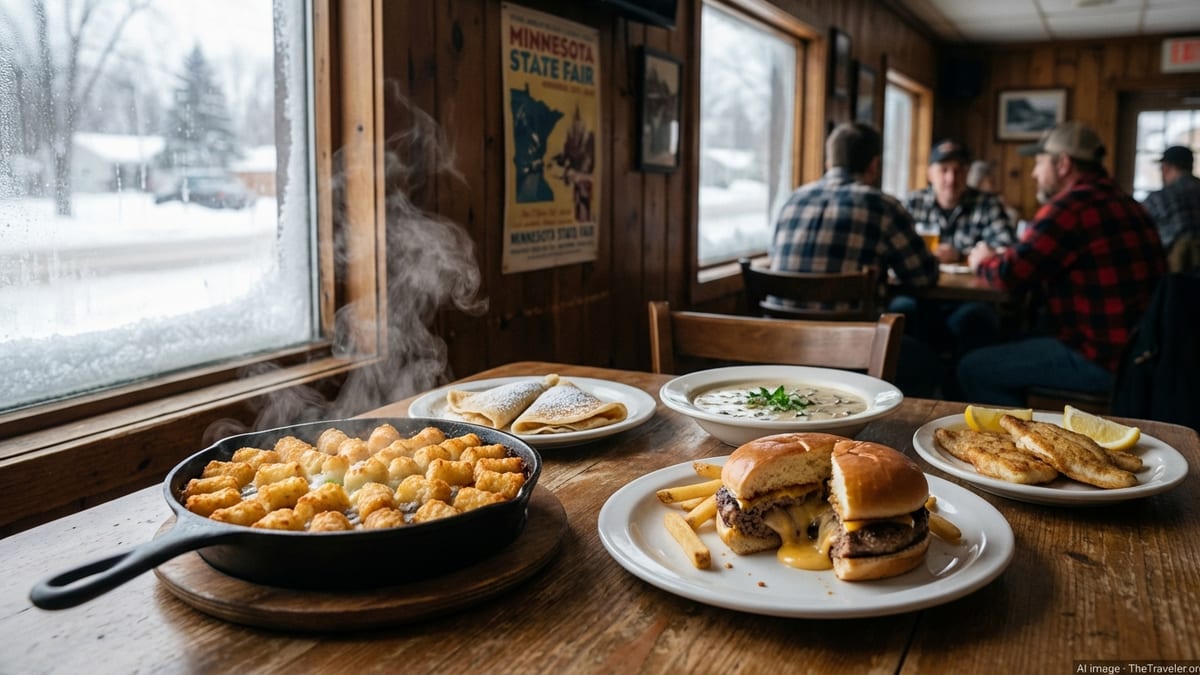
Hotdish: The Soul of Minnesota Comfort Food
If there is one dish that captures everyday life in Minnesota, it is hotdish. This humble casserole, usually baked in a 9-by-13-inch pan, combines a starch, a protein and vegetables with a creamy sauce, then bakes everything together until it is bubbling and golden. Classic versions lean on ground beef, frozen or canned vegetables and condensed soup, topped either with tater tots, crushed potato chips or noodles. It is simple, thrifty cooking, designed to feed a crowd through long winters.
Hotdish emerged across the Upper Midwest in the early twentieth century, but it became especially linked with Minnesota church basements and farm kitchens. Historical references tie the dish to rural congregations looking for economical ways to feed families and entire congregations on limited budgets. Over time, the concept stretched to include everything from tuna-noodle combinations to taco-spiced variations, but the spirit remains the same: a practical, belly-warming one-pan meal that travels easily to potlucks and community events.
Today, you will still find hotdish on countless family tables far more often than on restaurant menus. It is potluck food, brought to funerals, harvest suppers, school fundraisers and neighborhood gatherings. Many Minnesotans can name a specific hotdish associated with a grandmother or aunt, and debates continue over whether tater tots or pasta make the most authentic topping. Political figures have even embraced hotdish, with high-profile recipe competitions drawing national attention and underscoring how closely this casserole is tied to state identity.
For visitors, seeking out a hotdish dinner is a way to step briefly into Minnesota’s communal life. A handful of restaurants in the Twin Cities and regional towns now serve their own interpretations, sometimes upgrading the ingredients with local mushrooms, heritage pork or house-made soup bases. But whether made with luxury ingredients or pantry staples, a proper hotdish remains deeply nostalgic and unapologetically hearty, ideal after a snowy day or a cold evening on the lake.
The Juicy Lucy: Minneapolis’s Molten-Cheese Burger
The Juicy Lucy may look like an ordinary burger, but its molten core has earned it legendary status. This Minneapolis invention is a beef patty stuffed with cheese, seared on a flat-top until the exterior is crusty and the inside forms a pocket of lava-hot melted cheese. The first bite releases a gush of cheddar or American cheese, so locals advise giving it a moment to cool and taking that initial cut with caution.
Two neighborhood bars on Cedar Avenue in south Minneapolis most famously claim to have created the Juicy Lucy in the 1950s. One spells it “Jucy Lucy,” the other “Juicy Lucy,” and both have cultivated loyal followings. Over the decades, their rivalry has become part of the burger’s story, inspiring T-shirts, heated debates and taste tests among residents and visiting food writers. What began as a working-class bar snack is now a culinary rite of passage for many Twin Cities visitors.
Beyond the originals, restaurants across Minnesota have put their own stamp on the Juicy Lucy. Some swap in blue cheese, pepper jack or Swiss; others blend bacon into the patty or top the burger with pickles, grilled onions or secret sauces. Yet the best versions stay true to the spirit of the classic: a seared, lightly seasoned patty with a salty, intensely satisfying cheese center, served in a soft bun with minimal distractions.
Ordering a Juicy Lucy is as much about the experience as the flavor. The wait for the burger to cool, the inevitable first spill of cheese, the messy pile of napkins and the friendly argument over whose version is superior all contribute to its appeal. In a city with an increasingly sophisticated dining scene, this straightforward, indulgent burger remains one of Minneapolis’s most distinctive and beloved creations.
Wild Rice: Minnesota’s Indigenous Grain
Wild rice is one of Minnesota’s most important native foods and holds cultural significance for Indigenous communities across the region. Despite its name, wild rice is technically a grass seed that grows naturally in shallow lakes and slow-moving rivers. In northern Minnesota, Anishinaabe people have harvested it for generations by canoe, gently knocking the ripe grains into their boats and drying them for storage. The grain has a nutty flavor and chewy texture, and it has become woven into the broader fabric of Minnesota cuisine.
The state eventually named wild rice its official grain in recognition of both its ecological importance and its role in local food culture. It appears in soups, pilafs and salads, sometimes mixed with white or brown rice, and often paired with mushrooms, cranberries, or turkey. A classic Minnesota wild rice soup combines the grain with cream, aromatic vegetables and bits of chicken or ham, producing a rich, comforting bowl that suits the state’s long cold season.
Visitors will encounter wild rice in small-town cafes, lodge dining rooms and metropolitan restaurants alike. In the Twin Cities, chefs use it in contemporary dishes, folding it into stuffings, topping roasted vegetables or working it into grain bowls. In northern resort towns and along the North Shore, it frequently accompanies fish or game, emphasizing the connection between the region’s lakes, forests and dinner plates.
When shopping for wild rice in Minnesota, you may see a distinction between hand-harvested, traditionally processed rice and cultivated rice grown in paddies. The former is often prized for its robust flavor and irregular, slightly curled grains, while the latter tends to cook more uniformly and can be more affordable. Whichever you choose, cooking wild rice takes time, but the result is a deeply flavorful ingredient that conveys a real sense of place and history.
Walleye: The Signature Lake Fish
With more than 10,000 lakes, Minnesota has a strong tradition of freshwater fishing, and walleye is the state’s signature catch. This mild, flaky white fish is a longstanding staple for anglers, Indigenous communities and resort kitchens. It is celebrated at fish fries, featured on pub menus and served in more refined preparations at city restaurants, reflecting its versatility and broad appeal.
Many visitors’ first encounter with walleye is in the form of a simple fish fry. Fillets are coated in seasoned flour or crumbs, then fried until crisp and golden, usually accompanied by coleslaw, tartar sauce and a slice of lemon. Summer gatherings at lake cabins often revolve around a day of fishing followed by a communal walleye dinner, with stories from the water shared over plates of freshly cooked fillets.
In urban settings, chefs have moved beyond the fryer to showcase walleye in more nuanced ways. Menus in Minneapolis and Saint Paul might feature it pan-seared with seasonal vegetables, baked with herbs or braised whole with aromatic sauces influenced by global cuisines. Yet even in these creative takes, the goal is usually to highlight the fish’s delicate flavor rather than overwhelm it.
For travelers, ordering walleye in Minnesota is both a culinary choice and a cultural one. It connects you to the lakes that dominate the state’s geography and to longstanding traditions of subsistence and sport fishing. Whether you are eating it at a casual bar near a boat landing or in a white-tablecloth dining room, a well-prepared walleye dish offers one of the most quintessential tastes of Minnesota.
Lefse and Scandinavian Holiday Traditions
Scandinavian immigrants left a lasting imprint on Minnesota’s foodways, and few items capture that legacy as clearly as lefse. This tender potato flatbread, originating in Norway, is made by rolling thin rounds of dough and cooking them on a hot griddle. Traditionally, it is brushed with butter and sprinkled with sugar or cinnamon, then rolled up and served as a simple treat. For many Minnesota families with Nordic roots, lefse is inseparable from the winter holidays.
The process of making lefse is as important as the finished bread. In households across the state, relatives gather in late autumn to mash potatoes, shape dough, flour special rolling boards and handle the delicate rounds on long wooden turning sticks. The work often stretches over a full day, and stories are passed between generations as easily as recipes. Specialized equipment, including heavy griddles and patterned rolling pins, is prized and carefully preserved.
Outside of home kitchens, lefse appears at church bazaars, Scandinavian festivals and specialty bakeries, particularly in communities with strong Norwegian heritage. Some versions stay close to tradition, while others experiment with savory fillings, using lefse to wrap meats, cheeses or smoked fish. Even so, the most nostalgic serving style remains the classic butter-and-sugar roll, often enjoyed alongside coffee.
Exploring Minnesota’s Scandinavian food scene might also lead you to more challenging specialties like lutefisk, a dried, reconstituted cod that tends to divide opinion sharply. Whether or not you choose to try lutefisk, sampling fresh lefse offers an approachable and delicious way to engage with the state’s Nordic history. Its soft texture and mild flavor make it a comforting counterpart to richer dishes on the holiday table.
Bars and Dessert Traditions in a 9-by-13 Pan
Just as the hotdish pan anchors savory meals, the same baking dish shapes Minnesota’s dessert culture. Across the state, “bars” are a beloved category of sweets baked in rectangular pans, cut into squares and served at nearly any gathering where coffee is poured. From lemon bars dusted with powdered sugar to chocolate-and-peanut-butter Scotcheroos, these desserts are practical to make in quantity and easy to transport, which helps explain their enduring popularity.
The tradition took hold in part because of community events that demanded generous yet economical baking. Church suppers, bake sales, graduations and funerals all called for desserts that could be prepared in advance, sliced quickly and handed out on paper plates. Bars meet all of those needs while allowing for creativity, and recipe collections in Minnesota are full of handwritten variations passed down through families.
In contemporary bakeries and cafes, you will still find classic options like blondies, brownie-style bars and layered confections with graham cracker crusts, pudding or whipped toppings. Some bakers have modernized the category by using seasonal fruit, sea salt, or high-quality chocolate, but the basic format remains recognizable. Many Minnesota diners consider a plate of bars just as essential to a potluck spread as the main hotdish itself.
Visitors curious about this dessert culture can sample bars at small-town coffee shops, co-op bakeries or farmers market stands. Ordering one is also a low-pressure way to start a conversation with locals about their own family favorites. You may quickly discover that dessert recipes inspire as much loyalty and debate as any main course.
Honeycrisp Apples and Minnesota Orchard Culture
While the Upper Midwest is often associated with long winters, autumn in Minnesota is vibrant and abundant, nowhere more so than in its orchards. The Honeycrisp apple, developed by researchers at the University of Minnesota and released in the 1990s, has become one of the state’s proudest agricultural contributions. Known for its explosive crunch, balanced sweetness and juiciness, the variety helped reshape consumer expectations for fresh apples across the United States.
In September and October, families flock to orchards around the Twin Cities and throughout greater Minnesota to pick apples, sip warm cider and wander pumpkin patches. Honeycrisps are a main attraction, though orchards typically grow a mix of heritage and newer varieties to stagger the harvest. Signs along rural highways advertise weekend festivals, corn mazes and wagon rides, turning apple picking into a seasonal ritual as much as a shopping trip.
On the culinary side, Honeycrisps show up in pies, crisps and cakes, but many Minnesotans prefer to eat them raw to enjoy their signature texture. Their high juiciness makes them less ideal for long-cooked sauces, so cooks often blend them with other apples for baking. In restaurants, you may find Honeycrisp slices adding sweetness and crunch to salads or cheese boards, offering another way for chefs to highlight local produce.
For travelers, visiting a Minnesota orchard provides a glimpse into the state’s agricultural research legacy and its strong tradition of seasonal eating. Even if you cannot time your trip to peak harvest, you will notice Honeycrisps featured in grocery displays and on menus during fall. The apple’s success reflects how Minnesota’s climate and innovation have combined to produce a fruit that is now at home in markets far beyond the state’s borders.
The Takeaway
Tasting Minnesota involves more than ticking off famous dishes; it means engaging with the stories behind them. Hotdish speaks to community resilience and the importance of gathering, while the Juicy Lucy reflects working-class creativity and neighborhood pride. Wild rice and walleye connect diners directly to the lakes and waterways that define the region, and lefse carries the memory of Scandinavian immigration into modern homes and holiday tables.
Meanwhile, pan-baked dessert bars and Honeycrisp apples illustrate how practicality and innovation coexist in Minnesota kitchens. Together, these foods form a portrait of a state that values hospitality, thrift and hearty flavors suited to a northern climate. As you plan your trip, leaving room in your itinerary for church suppers, burger joints, orchards and lakeside cafes will reward you with deeper insight than any sightseeing checklist alone can provide.
Whether you are warming up with wild rice soup on a frigid evening, biting into a molten-centered burger in Minneapolis or sharing bars over coffee in a community hall, these seven specialties offer a delicious introduction to Minnesota life. Arrive hungry, ask questions and be ready to adopt at least one new favorite comfort food before you head home.
FAQ
Q1. What is the single most iconic Minnesota food for first-time visitors?
Many residents would point to hotdish as the most iconic everyday food, but travelers often seek out a Juicy Lucy first because it is easy to order in the Twin Cities and instantly memorable.
Q2. Where can I try an authentic Juicy Lucy in Minneapolis?
The Juicy Lucy originated in small neighborhood bars in south Minneapolis, and several long-standing taverns still specialize in it. Ask locals which spot they favor, as opinions are strong and often tied to personal tradition.
Q3. Is wild rice from Minnesota actually rice?
Despite the name, wild rice is a type of aquatic grass seed rather than true rice. It is native to lakes and rivers in the Upper Midwest and Canada and has been harvested for generations by Indigenous communities.
Q4. What should I know before ordering walleye in Minnesota?
Walleye is a mild, flaky freshwater fish that is usually fried, baked or pan-seared. It typically appears in casual taverns, supper clubs and resort restaurants, and it is a smart choice if you want a local fish that is approachable in flavor.
Q5. Can I find lefse outside of the winter holidays?
Yes, while lefse is strongly associated with Christmas and other winter gatherings, some bakeries, cafes and Scandinavian delis in Minnesota offer it year-round, especially in communities with strong Norwegian heritage.
Q6. Are “bars” in Minnesota different from regular dessert bars elsewhere?
The basic format is similar, but in Minnesota the culture around bars is unusually strong. They are a default dessert for potlucks and community events, and many families treasure specific recipes that have been passed down for decades.
Q7. When is the best time of year to enjoy Honeycrisp apples in Minnesota?
Honeycrisp apples are typically at their peak in early to mid-autumn. Visiting an orchard in September or October will give you the best chance to taste them freshly picked and explore seasonal activities.
Q8. Is hotdish the same as casserole?
Hotdish is essentially a regional style of casserole, but in Minnesota the term implies certain expectations, such as being baked in the oven and combining a starch, meat, vegetables and a creamy binder in one pan.
Q9. Are these Minnesota specialties easy to find outside the state?
Some items, like Honeycrisp apples and bars, have spread widely, but others remain largely regional. Authentic hotdish, traditional lefse and freshly caught walleye are easiest to experience in Minnesota itself.
Q10. What is a respectful way to explore Indigenous foods like wild rice?
Look for restaurants, markets or events that acknowledge and support Indigenous producers, and take time to learn about the history and harvesting practices behind wild rice. Purchasing hand-harvested products when possible helps sustain those traditions.