

Mexico remains one of the world’s most popular destinations, renowned for its beaches, food, ancient sites, and vibrant cities. At the same time, news about crime, corruption, and occasional unrest can raise understandable questions for travelers. The reality in early 2026 is nuanced: millions of visitors enjoy trouble-free trips each year, yet certain regions and situations carry elevated risk. With thoughtful planning and smart on-the-ground habits, you can significantly improve your safety while still experiencing the best of the country.
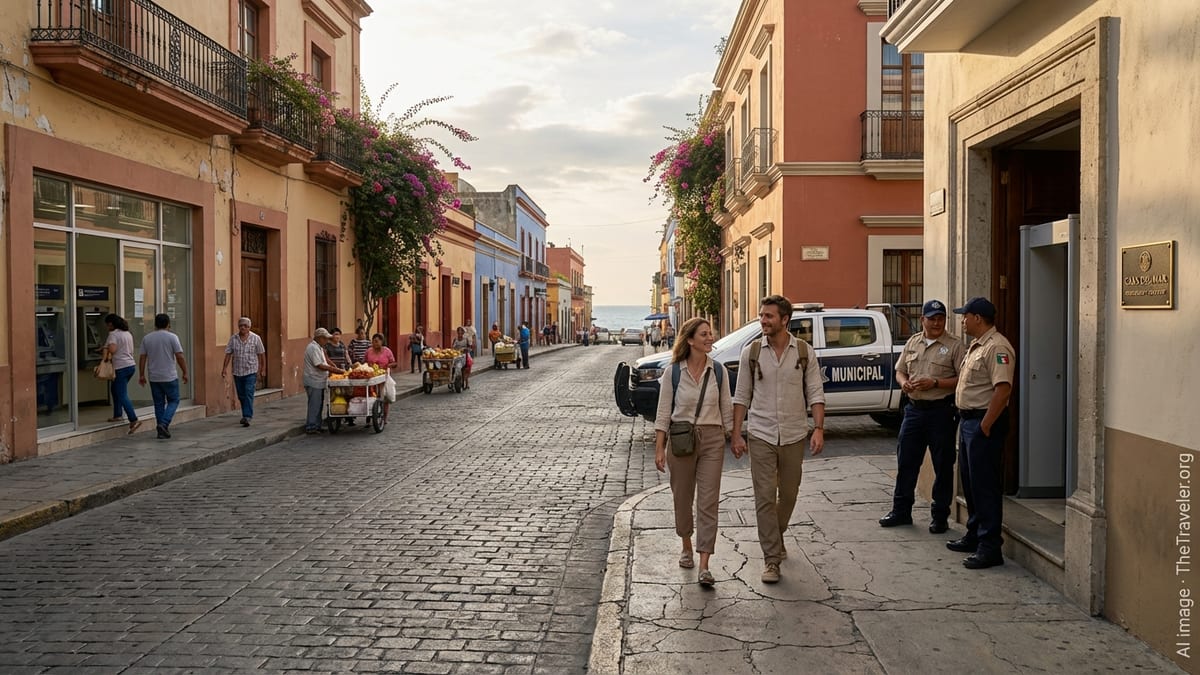
1. Understand Mexico’s Regional Risk Levels Before You Book
Safety in Mexico varies sharply from state to state and sometimes even from neighborhood to neighborhood. The overall national guidance from many governments is to exercise increased caution, but some states have much stricter warnings because of organized crime, kidnapping, or recent unrest. As of early 2026, destinations such as Mexico City, Quintana Roo, and Baja California Sur are generally categorized at a moderate advisory level, where extra vigilance is recommended, particularly at night and away from main tourist areas. By contrast, states including Colima, Guerrero, Michoacán, Sinaloa, and Tamaulipas remain under the most severe advisories that urge travelers not to visit unless strictly necessary due to persistent violence and crime.
Before booking flights or accommodation, review up-to-date government advisories from your home country and read reputable travel security analyses to see how they describe your intended destination. Pay attention to distinctions within states: authorities may advise against intercity road travel or outlying rural areas while still considering major resort zones relatively stable. It is also important to note any temporary alerts linked to specific incidents, such as unrest, protests, or extreme weather. These can change quickly, so checking again shortly before departure is wise.
If your itinerary includes higher-risk states because of family commitments, business, or less-touristed attractions, consider hiring a trusted local guide or driver recommended by people you know or a reputable agency. Ask them candidly about current conditions, typical routes, and neighborhoods best avoided after dark. Being realistic about the differences between regions, rather than treating the country as a single risk category, is one of the most effective safety strategies you can adopt.
2. Choose Lodging and Transport With Security in Mind
Where you sleep and how you move around can significantly influence your risk exposure in Mexico. In larger cities and resort areas, midrange and higher-end hotels often invest in strong security measures such as keycard-only elevator access, staffed entrances, and on-site guards. These options may cost more than small, independent guesthouses, but the added security can be worthwhile, particularly if you are arriving late at night, traveling alone, or carrying valuable equipment. If you prefer boutique or budget stays, prioritize properties with many recent reviews that mention guests feeling safe and note any references to secure locks, well-lit entrances, and responsive staff.
Transportation choices matter just as much. In most major cities and tourist destinations, using authorized airport taxis, hotel-arranged transfers, or reputable ride-hailing apps can be safer than hailing random cabs on the street. In some areas, official taxi stands at bus terminals and key intersections provide licensed vehicles with set fares or meters, reducing the risk of overcharging or fraud. When arranging long-distance trips between cities, consider daylight bus services on reputable companies or domestic flights instead of nighttime driving; certain highways in high-risk states have been associated with carjackings, roadblocks, or bus assaults.
If you plan to rent a car, research common routes carefully and avoid driving after dark on rural roads or through regions with elevated crime advisories. Keep doors locked and windows up at stoplights, store luggage out of sight, and stick to toll highways when possible, as they are often better maintained and more frequently patrolled. Ask local contacts, hotel staff, or tour operators which routes they consider safest at the moment. Thoughtful decisions about where you stay and how you travel can quietly but meaningfully reduce everyday risks.
3. Blend In and Practice Street-Smart Habits
Petty crime such as pickpocketing, bag snatching, and opportunistic theft is common in busy tourist zones, markets, and on public transport. While it cannot be eliminated entirely, adopting low-profile habits can make you a less appealing target. Avoid displaying expensive jewelry, watches, or large professional cameras in crowded streets. Instead, keep valuables discreetly secured in a crossbody bag that closes fully and stays in front of you, or use an under-clothing money belt for passports and spare cards. Carry only the cash you expect to need for the day and leave extra funds, backup cards, and original documents in a hotel safe or locked bag.
Situational awareness is essential. In packed metro cars, bus stations, and nightlife areas, be wary of jostling, staged distractions, or strangers insisting on unusual forms of help. If someone presses you or invades your space in a way that feels off, calmly move away to a better-lit, more crowded area or step inside a shop or hotel lobby. At night, stick to well-lit streets and areas with steady foot traffic, and avoid cutting through deserted parks or side streets to save a few minutes. Traveling with a companion, particularly after dark, is safer than walking alone.
It also helps to adjust your visible behavior to match local norms. Loud conversations, heavy drinking in public, and visible intoxication can draw unwanted attention. In many destinations, especially outside major resorts, clothing that is modest and practical tends to blend in better than items that signal high value or extreme wealth. Taking these relatively simple steps can dramatically reduce the chance of becoming entangled in situations that begin as minor annoyances and escalate.
4. Protect Your Money, Cards, and Digital Life
Financial safety in Mexico is about more than just guarding your wallet. Card skimming, compromised ATMs, and online fraud all occur, particularly in tourist-heavy areas. Whenever possible, use ATMs located inside bank branches, reputable hotels, or busy shopping centers rather than standalone machines on the street or in dim corners of convenience stores. Before inserting your card, inspect the card slot and keypad for anything that looks loose, misaligned, or unusual, and always shield your PIN with your hand. If something does not feel right, cancel the transaction and move on.
Consider traveling with at least two debit or credit cards stored separately, so that the loss or compromise of one does not leave you stranded. Notify your bank of your travel dates so that legitimate Mexican transactions are less likely to be blocked, and enable transaction alerts on your banking apps so you can quickly catch suspicious activity. When paying in restaurants or small shops, try to keep your card in sight; in many places, staff will bring a portable terminal to your table. If you prefer to minimize card use, bring a mix of small-denomination local currency and a limited amount of emergency hard currency stored securely.
Digital security also deserves attention. Use hotel or trusted mobile data connections rather than unsecured public Wi-Fi networks for accessing email, banking, or work accounts. A reputable virtual private network can add an extra layer of protection, especially if you must log in from cafés or shared spaces. Keep digital copies of your passport, travel insurance details, and important contacts saved in encrypted cloud storage so that you can retrieve them if your physical documents are lost or stolen. Protecting your finances and data in this way will not only reduce theft risk but also make it easier to respond if something does go wrong.
5. Stay Alert to Local Conditions, Weather, and Unrest
Mexico’s risks are not limited to crime. In recent years, parts of the country have faced destructive storms, flooding, and landslides that disrupted transport, damaged roads, and temporarily cut off communities. Before and during your trip, monitor local news and official bulletins for information about hurricanes, heavy rains, or other weather events, especially if you are visiting coastal states or planning to drive in mountainous regions. If authorities issue warnings, be prepared to adjust your route or delay travel rather than attempting to push through affected areas, as washed-out bridges and blocked roads can pose serious dangers.
Urban areas can also experience protests, labor strikes, or localized unrest, particularly in major cities where political activity is concentrated. Many demonstrations remain peaceful, but some can lead to road closures, transport disruption, or clashes between protesters and security forces. As a traveler, it is prudent to avoid joining crowds or photographing sensitive situations at close range, as this can draw attention from both authorities and demonstrators. If you encounter a protest or roadblock unexpectedly, do not attempt to force your way through; instead, retreat calmly and seek an alternate route or shelter until conditions normalize.
Staying informed is easier than ever. Follow local news outlets and official emergency agencies, sign up for security or consular alerts from your embassy, and ask hotel staff for their perspective on any recent incidents. They often have practical, neighborhood-level knowledge about which areas to avoid at night, whether public transport is operating normally, and how long any disruptions are expected to last. By pairing this information with flexible plans, you can usually sidestep the worst of any temporary difficulties.
6. Prioritize Personal Boundaries, Health, and Nightlife Safety
Many of Mexico’s most beloved destinations are famous for nightlife, from beach clubs and bars to music venues and festivals. Enjoying these scenes can be a highlight of a trip, but it is also when travelers’ guard is most likely to drop. Limit how much you drink, keep your beverage in sight at all times, and decline offers from strangers to top up or replace your drink. If you feel unwell or unusually disoriented, immediately seek help from trusted companions, venue staff, or medical professionals rather than attempting to make your way home alone.
Use licensed taxis, hotel-arranged cars, or reputable ride-hailing apps when returning late at night, particularly if you are unfamiliar with the area. Avoid accepting rides from people you have just met, no matter how friendly they seem, and try to sit in the back seat. Share your live location with a trusted friend or family member and send them the license plate or driver details before you set off. If anything about the situation feels unsafe, do not hesitate to cancel the ride and request another or ask hotel security to call a different vehicle.
Health considerations intersect with safety as well. Stick to bottled or purified water where local guidance suggests it, wash hands frequently, and carry any necessary medications plus a small first-aid kit. Food from busy, popular vendors tends to have higher turnover and fresher ingredients than items that sit for long periods. Consider travel insurance that covers medical care and emergency evacuation, and keep the policy details readily accessible. By respecting your own limits, maintaining clear personal boundaries, and preparing for common health issues, you can enjoy Mexico’s famous hospitality while reducing the likelihood that a night out or a minor illness derails your trip.
7. Prepare for Emergencies and Know How to Get Help
Even well-prepared travelers can encounter problems, so it is smart to plan for how you would respond in an emergency before one occurs. Start by sharing your itinerary, accommodation details, and copies of key documents with a trusted contact at home. Agree on how often you will check in and what they should do if they do not hear from you. Save important phone numbers to both your phone and a physical card in your wallet: local emergency services, your country’s embassy or consulate, your hotel, your bank’s fraud line, and your travel insurance’s 24-hour assistance number.
Upon arrival, note the nearest hospital or clinic to your accommodation and ask hotel staff how they would recommend seeking medical help if needed. In case of theft, report the incident promptly to local police to obtain a report number, which many insurers require for claims. If your passport is lost or stolen, contact your embassy or consulate as soon as possible; they can help arrange an emergency travel document and advise on any additional steps with local authorities. For financial issues, such as a swallowed ATM card or suspicious card charges, call your bank immediately and consider using your backup card or cash reserves while the problem is resolved.
Trusting your instincts is perhaps the most important element of emergency readiness. If a situation, person, or offer feels wrong, politely disengage and move to a safer space, even if you cannot immediately explain why you are uncomfortable. Most travelers will never face serious threats, but those who do often recall having an early sense that something was off. Pair that intuition with concrete preparation, and you will be far better positioned to manage whatever Mexico might unexpectedly send your way.
The Takeaway
Traveling in Mexico in 2026 calls for a realistic but not alarmist mindset. The country’s beauty, cultural richness, and warmth remain powerful draws, and millions of international visitors continue to enjoy rewarding trips each year. At the same time, high levels of crime in some regions, periodic unrest, and environmental risks mean that a carefree, unplanned approach is no longer advisable. By understanding regional advisories, choosing secure lodging and transport, blending in, protecting your finances and data, staying informed, and preparing for emergencies, you can substantially reduce your exposure to the most common threats.
Safety is never guaranteed, anywhere in the world, but your choices significantly influence your risk. Thoughtful planning and simple, consistent habits often matter more than elaborate precautions. If you stay informed, respect local realities, and listen to your instincts, you can explore Mexico’s beaches, cities, and archaeological sites with a greater sense of confidence, focusing less on worry and more on the experiences you came for.
FAQ
Q1. Is it safe to travel to Mexico right now?
Safety in Mexico depends heavily on where you go and how you travel. Popular resort areas and major cities see large numbers of visitors with relatively few serious incidents, while some states are considered too risky for nonessential travel. Check current advisories from your government, research recent local news, and plan your itinerary around destinations with more favorable security assessments.
Q2. Which areas of Mexico should tourists generally avoid?
Specific guidance changes over time, but several states have repeatedly appeared under the strictest warnings due to high levels of violent crime and kidnapping. These often include parts of Colima, Guerrero, Michoacán, Sinaloa, and Tamaulipas, among others. Even within these regions, some cities and transport routes are considered higher risk than others. Always rely on the latest official advisories and seek local advice before deciding on any travel in or through these areas.
Q3. How can I reduce the risk of theft or robbery while visiting?
Carry only what you need for the day, keep valuables out of sight, use a secure crossbody bag or money belt, and leave passports and extra cash locked away at your accommodation when possible. Stay alert in crowded places, avoid walking alone late at night in unfamiliar neighborhoods, and do not display expensive jewelry, electronics, or large amounts of cash. Simple, consistent precautions greatly lower your profile as a target.
Q4. Is public transportation safe in Mexico?
Public transportation varies by city and region. In some large cities, daytime use of metro systems and buses on busy routes is common and generally safe with basic vigilance against pickpockets. However, overnight buses or travel through high-risk states may be subject to crime or road incidents. When in doubt, choose reputable bus companies, travel during daylight, or opt for registered taxis, hotel transfers, or ride-hailing services instead.
Q5. What should I do if I lose my passport or it is stolen?
If your passport goes missing, report the loss to local police and obtain a report number if possible. Then contact your country’s embassy or consulate in Mexico to arrange an emergency travel document and receive guidance on next steps. Keep digital and paper copies of your passport identification page and other key documents stored separately so you can prove your identity more easily.
Q6. Are taxis and rideshare services safe in Mexico?
Authorized taxis, especially those arranged by hotels or found at official stands, and established rideshare apps are often safer than unlicensed street cabs. Always verify the vehicle’s details before getting in, sit in the back seat, and share your trip information or live location with a trusted contact. Avoid accepting rides from strangers you have just met, particularly late at night or after drinking.
Q7. How can solo travelers, especially women, stay safer in Mexico?
Solo travelers should be extra attentive to situational awareness. Choose well-reviewed accommodations in central, well-lit areas, arrange airport or bus-station transfers in advance, and limit solo walking after dark. In nightlife settings, watch your drinks closely, set clear boundaries, and have a preplanned way to get back to your lodging safely. Trust your instincts and leave any situation that feels uncomfortable, even if it means changing plans.
Q8. Do I need special health precautions for traveling in Mexico?
Standard travel health measures apply: consider recommended vaccinations, drink bottled or purified water where advised, and practice good hand hygiene. Food from busy, popular restaurants and street vendors generally turns over faster and may be safer than items that sit for long periods. Travel insurance with medical coverage is highly advisable so that you can access care without worrying about unexpected costs.
Q9. What is the emergency number in Mexico, and will operators speak English?
The general emergency number across Mexico is 911. In major tourist areas and big cities, some operators may speak basic English, but this is not guaranteed. If you do not speak Spanish, learn a few key phrases or keep a translation app handy. Your hotel, tour operator, or travel insurer’s assistance line can often provide support in your language as well.
Q10. How can I stay informed about safety conditions while I am in Mexico?
Enroll in your embassy’s alert service if available, follow local news outlets, and check official government or civil protection channels for updates on security incidents or severe weather. Ask hotel staff or trusted local contacts for current, neighborhood-level advice, especially about where to avoid at night or during specific events. Staying informed and flexible will help you adapt quickly if conditions change.