

Turkey bridges continents, cultures, and centuries of history, which is exactly why it can surprise even experienced travelers. The country is generally welcoming, efficient, and easy to navigate, but first-time visitors often repeat the same avoidable mistakes: packing the wrong clothes, mishandling money, trusting the wrong people, or planning an itinerary that looks good on a map but fails in real life. With a little preparation, you can sidestep these pitfalls and enjoy the mosques of Istanbul, the fairy chimneys of Cappadocia, and the turquoise bays of the Aegean with far fewer hassles.
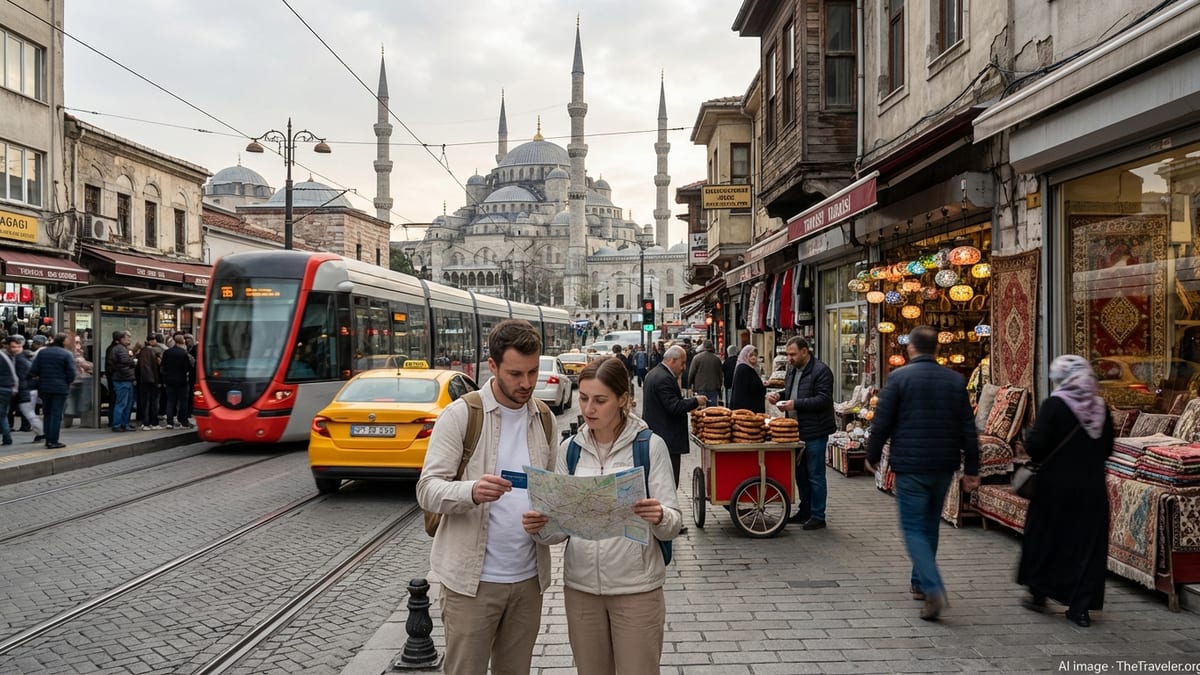
1. Rushing Your Itinerary and Underestimating Distances
Turkey looks compact on a map, but the country is large and its highlights are spread out. Travelers frequently try to squeeze Istanbul, Cappadocia, Pamukkale, Ephesus, and a coastal resort into a single week. On paper it seems possible, yet in reality this means long transfers, early starts, and very little time actually experiencing the places you came to see. Flights, buses, and road journeys between major regions can easily consume half a day each once you factor in airport transfers, security checks, and delays.
Another common mistake is treating Istanbul like a quick city break instead of a destination worthy of several full days. The historic core alone can fill two or three days when you add time for the Blue Mosque, Hagia Sophia, Topkapi Palace, the Grand Bazaar, and ferries across the Bosphorus. Beyond that, neighborhoods like Kadikoy, Balat, and Besiktas reward slow wandering with local food and street life that you will miss if you rush.
A more relaxed plan is to focus on two or three regions and give each proper time. Rather than cramming your schedule with one-night stays, consider making Istanbul your base for at least three nights, then add either Cappadocia or the Aegean coast for a contrasting experience. Allow buffer time for internal flights or long-distance buses so a delay does not cause you to miss a tour, a hot air balloon ride, or a pre-booked museum slot.
Leave room for the unexpected as well. Turkish hospitality often means spontaneous tea invitations, long lunches, or extended market chats. These are part of what makes travel in Turkey memorable, but you can only enjoy them if your days are not scheduled down to the minute.
2. Ignoring Local Etiquette and Dress Codes
Turkey is secular by law yet socially conservative in many areas, especially away from the major tourist zones. Visitors sometimes arrive expecting a beach-resort dress code everywhere, which can cause awkward moments or outright refusal of entry at religious sites. Shorts well above the knee, bare shoulders, and revealing tops may be usual in coastal towns, but they are not appropriate in mosques and some traditional neighborhoods.
When visiting mosques, the basic rule is modesty. Shoulders and knees should be covered for everyone. Women are expected to cover their hair with a scarf and avoid low-cut or tight clothing. Many major mosques provide cover-ups at the entrance, but relying on these can mean queueing for shared garments that do not always fit well or feel particularly clean. Bringing your own lightweight scarf and wearing clothes that can easily be adjusted to meet the dress code saves time and shows respect.
Etiquette goes beyond clothing. Inside mosques, maintain a quiet tone, do not walk in front of people who are praying, and avoid photographing worshippers without explicit permission. Remove your shoes before stepping onto the prayer carpets and keep your phone on silent. In homes and some small guesthouses, it is also normal to remove your shoes at the door; following the host’s lead is usually the safest approach.
Elsewhere, small gestures of politeness make daily interactions smoother. Using a simple "merhaba" to greet shopkeepers, accepting a small glass of tea in a store when offered, and avoiding public displays of anger or frustration help you blend in. You do not need to know every custom, but showing that you are trying to behave respectfully will usually be met with patience and kindness.
3. Mishandling Money, Cards, and Tipping
Turkey’s currency, the lira, can fluctuate, which sometimes confuses visitors about what is a fair price. A frequent mistake is arriving with only foreign cash or relying entirely on cards, then struggling to pay for small purchases, public transport, and tips. While cards are widely accepted in cities and tourist hubs, smaller shops, local cafes, public toilets, and some dolmus minibuses still prefer cash.
A balanced approach is best: withdraw a moderate amount of lira from an ATM using a bank machine attached to a real branch, keep a mix of small and medium notes, and use cards for larger restaurant bills and hotel payments. Avoid carrying large sums of cash or displaying thick wallets, especially in crowded markets and transport hubs. When using ATMs, decline currency conversion offers that lock in poor exchange rates and never accept help from strangers who approach you while you are at the machine.
Tipping is another area where travelers often feel uncertain. In casual restaurants and cafes, rounding up the bill or leaving around ten percent is usually sufficient. In more formal restaurants where service is attentive, a tip of around ten to fifteen percent is appreciated. Taxi drivers do not expect a large tip; rounding up to the nearest convenient amount generally works. For guides, drivers, and boat crews on day tours, a modest per-person tip is customary if you are happy with the service, but it should always be proportionate to your budget.
Be cautious with dynamic currency conversion when paying by card. Some terminals will offer to charge your card in your home currency instead of lira, often at a poor exchange rate. Politely decline and choose to pay in local currency instead. Keep screenshots or notes of exchange rate ranges before you travel so you can quickly estimate whether a price seems reasonable.
4. Falling for Common Tourist Scams and Overpaying
Turkey is generally safe and most locals are honest, but popular destinations do see their share of tourist-focused scams. One recurring issue involves unlicensed "guides" who approach visitors near major sights and offer private tours at what sound like bargain prices. These impromptu guides may pressure you into shops where they earn commissions, provide incorrect information, or demand extra payment at the end. Booking tours through reputable operators or asking your hotel to recommend licensed guides greatly reduces this risk.
Taxis are another area where visitors sometimes run into problems. In busy zones like Sultanahmet, Taksim, and near airports, a small minority of drivers may refuse to use the meter, take long routes, or claim your larger banknote was actually a smaller one and insist you still owe money. Before getting in, confirm that the meter will be used, keep your eye on it throughout the journey, and have a general idea of what the approximate fare should be. Where available, using ride-hailing apps or reputable local taxi apps can add an extra layer of transparency.
Overpriced bars, restaurants, and carpet shops are also common complaints. In some nightlife districts, particularly those aimed at tourists, visitors have reported receiving shockingly high bills after accepting drinks with new acquaintances or entering venues they did not choose themselves. A prudent rule is to pick your own bar or club, check a menu with clear prices before ordering, and avoid following strangers to second locations for "one drink" or "a special show." If a menu is not available or prices are vague, it is safer to move on.
Shopping requires similar caution. In bazaars and souvenir shops, starting prices can be quite high because bargaining is expected. It is normal to negotiate politely, counteroffer, and walk away if the price does not feel right. For bigger purchases like carpets, leather jackets, or jewelry, avoid feeling rushed. Take your time, compare several shops, and be skeptical of claims that an offer is valid "only today." A deliberate, unhurried approach protects both your wallet and your enjoyment.
5. Misreading Safety, Transport, and Seasonal Conditions
News headlines can lead some travelers to imagine Turkey as either perfectly safe everywhere or unsafe overall, when the reality is more nuanced. Major tourist centers such as Istanbul, Cappadocia, Antalya, and the Aegean coast are accustomed to visitors and generally feel secure, especially in busy areas. The main issues most tourists encounter are petty crime like pickpocketing and bag snatching in crowded markets, tram lines, and popular squares, not violent incidents. Staying aware of your surroundings, keeping valuables zipped and in front of your body, and using hotel safes for passports and spare cards go a long way.
Transport is another area where assumptions can cause trouble. Istanbul’s public transport is widespread and efficient, but it can be confusing at first. Many visitors still rely on taxis for short hops that would be quicker and cheaper by tram, metro, or ferry. Purchasing a transport card early in your stay, topping it up with small amounts, and learning one or two regular routes makes the city feel far more manageable. On intercity routes, domestic flights are often faster than overnight buses, yet night buses can be a good value if you are comfortable sleeping in transit.
Seasonal conditions also catch travelers by surprise. Summer along the Mediterranean can be extremely hot, particularly in July and August, when afternoon sightseeing can feel exhausting. In contrast, winter in Istanbul and Cappadocia can be cold and wet, sometimes with snow and icy pavements. Packing only for postcard images of sun and sea can leave you uncomfortable. Check current forecasts before departure, bring layers in cooler months, and plan your daily schedule around the mid-day heat in summer, reserving indoor sights and museum visits for the hottest hours.
Finally, underestimate Turkey’s hills and staircases at your peril, especially in Istanbul. Maps rarely show elevation, but many streets rise sharply or include long flights of uneven steps. Lightweight, supportive footwear is essential, as is allowing time in your day to slow down. Comfortable shoes and a refillable water bottle are small details that make steep climbs to viewpoints and historic districts far more enjoyable.
6. Eating Only in Tourist Zones and Missing Real Turkish Cuisine
Food is one of Turkey’s greatest pleasures, yet many visitors end up eating the same style of tourist-oriented kebab in central areas near major attractions. While these restaurants are convenient, they can be overpriced and bland compared with what you will find in local neighborhoods. Dining too close to the biggest sights often means higher prices, persistent touts at the door, and menus translated into several languages that lean toward international comfort food.
Venturing just a few streets away from the main tourist squares usually reveals smaller, family-run eateries where locals eat. Look for simple places with a steady flow of Turkish customers and a shorter menu that changes with the day. Trying regional dishes, from meze spreads and grilled fish on the coast to stews and baked specialties in central Anatolia, gives you a much better sense of the country’s culinary diversity. Do not overlook dessert either; baklava, künefe, and milk-based puddings are all part of the experience.
Street food is generally good quality when it is busy and freshly cooked. Simit sellers, fish sandwiches on the waterfront, and gözleme stands in markets can provide quick, inexpensive meals. The mistake is choosing the first vendor you see without watching how they operate. Taking a minute to observe how quickly food turns over, whether items are kept hot, and how clean the stand looks will help you avoid stomach upsets.
Hydration and alcohol habits matter, too. Tap water is often not the first choice for visitors, so many opt for bottled or filtered water to be cautious. Alcohol is available in many restaurants and bars, particularly in larger cities and coastal resorts, but it can be expensive compared with other items. Drinking heavily before navigating unfamiliar streets or transport is rarely a good idea. Enjoy raki or local wine with a meal if you like, but keep your plans for getting back to your accommodation simple and safe.
7. Treating Turkey as a One-Note Destination
Perhaps the biggest conceptual mistake is seeing Turkey as a single, uniform destination rather than a mosaic of regions, cultures, and landscapes. Some visitors restrict themselves to one city or one resort area and leave with the impression that the whole country is similar. Istanbul alone is split between continents and has diverse neighborhoods that feel very different from each other. The fairy-tale rock formations of Cappadocia, the Turquoise Coast’s bays, the ruins of Ephesus, and the eastern highlands all offer distinct experiences.
This matters because it shapes how you plan and what you expect. For example, language skills and dress styles in cosmopolitan districts of Istanbul may differ quite a bit from those in small inland towns. Prices, climate, and even mealtimes can vary. Approaching each region with fresh curiosity, asking locals for suggestions, and allowing at least a couple of days wherever you go will help you see beyond the main postcard image.
Another part of treating Turkey as a rich, varied destination is engaging with its recent history and daily life, not only its ancient ruins and Ottoman architecture. Visiting a neighborhood market, taking a ferry used by commuters, or spending time in a tea garden where families gather in the evening shows how people live today. These small experiences balance out the famous bucket-list sights and add depth to your trip.
Finally, embracing regional diversity extends to what you buy and support. Instead of filling your suitcase only with generic souvenirs from big bazaars, look for locally made crafts, textiles, ceramics, and food products specific to the area you are visiting. This not only spreads your spending more fairly but also gives you mementos tied to a particular place and memory, rather than items that could have been purchased anywhere.
The Takeaway
Travel in Turkey rewards curiosity, flexibility, and a bit of homework. The most common mistakes visitors make are rarely dramatic; more often they are small misjudgments about dress, money, timing, and trust that accumulate into unnecessary stress. By planning a realistic itinerary, respecting local customs, managing your cash and cards wisely, staying alert to common scams, and pushing beyond the obvious tourist zones, you set yourself up for a richer, more relaxed experience.
Give yourself time to adjust to the rhythm of Turkish cities and towns, say yes to genuine hospitality while keeping healthy boundaries, and remember that small practical choices, from comfortable shoes to modest clothing for mosque days, make a big difference. Do that, and you are far more likely to leave Turkey with stories of warm encounters, beautiful landscapes, and memorable meals rather than tales of hassles and regrets.
FAQ
Q1. Is Turkey safe for solo travelers, including solo women?
Turkey’s main tourist areas are generally safe for solo travelers, including women, who take normal city precautions. Stay in well-reviewed accommodation, avoid walking alone late at night in poorly lit streets, keep valuables concealed, and be cautious with alcohol and interactions with strangers. Trust your instincts; if a situation feels uncomfortable, leave quickly and confidently.
Q2. How should I dress in Turkey to respect local culture?
In big cities and coastal resorts, everyday clothing can be fairly relaxed, but modest dress is appreciated in residential neighborhoods and essential at religious sites. Aim for covered shoulders and knees in mosques, with women also covering their hair. A light scarf and clothing you can easily adjust make it simple to adapt between tourist zones and more traditional areas.
Q3. Can I drink the tap water in Turkey?
Many locals boil or filter tap water, and visitors often prefer bottled or filtered water to be cautious. Using tap water for brushing teeth is common, but if you have a sensitive stomach, sticking to sealed bottled water is the safer choice. In hotter months, focus on staying hydrated and buy water from supermarkets or kiosks where turnover is high.
Q4. What is the best way to pay for things in Turkey?
Carry a mix of payment options. Cards are widely accepted in hotels, many restaurants, and larger shops, while small cafes, markets, and some local transport still prefer cash. Withdraw lira from ATMs inside or near banks, keep some small notes for tips and minor purchases, and decline offers to charge your card in your home currency so you avoid unfavorable exchange rates.
Q5. How many days do I really need in Istanbul?
While you can see a few major sights in two busy days, most travelers find three to five full days in Istanbul far more comfortable. This allows time for the headline monuments, a Bosphorus ferry ride, exploring different neighborhoods, and simply sitting in cafes or tea gardens watching daily life. If Istanbul is your main focus, a week is not excessive.
Q6. Are taxis reliable, or should I rely on public transport?
Taxis can be convenient, but experiences vary, especially in tourist-heavy areas. Whenever possible, use recognized taxi stands or reputable apps, insist that the meter is on, and have a rough idea of the route. Istanbul’s public transport network of trams, metros, buses, and ferries is extensive, affordable, and often faster than sitting in traffic, so learning to use it will save both time and money.
Q7. Do I need to tip in restaurants and on tours?
Yes, tipping is part of the culture, but it does not need to be complicated. In casual restaurants and cafes, rounding up the bill or leaving around ten percent is typical. For higher-end restaurants, consider ten to fifteen percent if service is good. Guides, drivers, and boat crews usually receive a modest tip at the end of a tour, adjusted to your budget and satisfaction with the experience.
Q8. What cultural mistakes should I avoid when interacting with locals?
Try to avoid raising your voice or showing visible anger in public, as this is frowned upon. Accepting small offers of tea or snacks is usually seen as polite, not as a binding obligation. Ask permission before photographing people, especially in markets and religious spaces, and be patient with language barriers. A few Turkish phrases and a friendly attitude go further than perfection.
Q9. Is it necessary to book tours and internal flights in advance?
For peak travel periods, popular balloon rides in Cappadocia, and limited-capacity tours, it is wise to book ahead. Internal flights between major cities can fill up on weekends and holidays, so booking early often secures better schedules and prices. At quieter times of year, you can be more flexible, but having key journeys and must-do activities reserved helps keep the rest of your itinerary relaxed.
Q10. What should I pack specifically for a trip to Turkey?
Pack comfortable walking shoes, light layers that you can adapt to varying temperatures, a scarf for mosque visits, and a compact umbrella or sun hat depending on the season. A small day bag, reusable water bottle, and basic medications for stomach upsets or minor aches are practical additions. Leave room in your luggage for textiles, spices, and other souvenirs you may pick up along the way.