

More news on this day
Thousands of US travelers faced fresh disruption on March 30, 2026, as Houston’s George Bush Intercontinental Airport recorded 75 delayed departures and 5 flight cancellations, rippling across key domestic and international routes.
Get the latest news straight to your inbox!
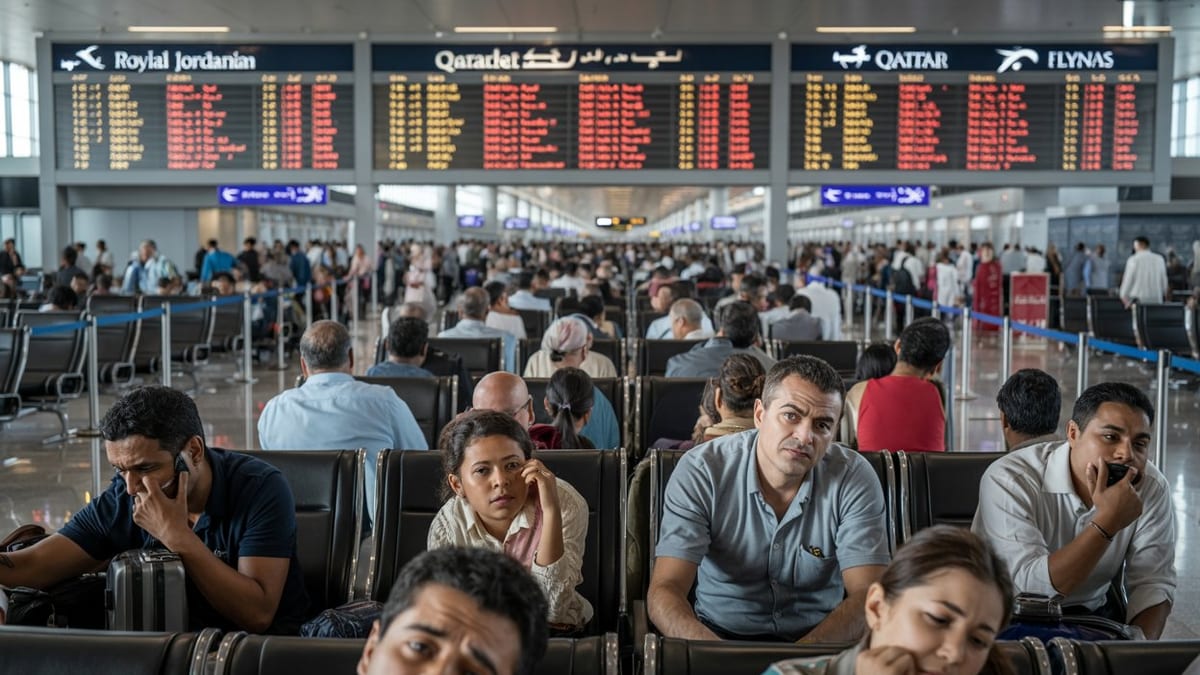
Houston Hub Strain Sends Disruptions Nationwide
Publicly available operational data for March 30 shows George Bush Intercontinental Airport in Houston coping with 75 delayed flights and 5 cancellations, underscoring the strain on one of the nation’s busiest connecting hubs. Reports indicate that the irregular operations affected a mix of domestic and international services throughout the day.
United Airlines, which operates a major hub at the airport, experienced the most significant share of disruption, with 1 cancellation and 34 delayed flights attributed to operations through Houston. Low cost carrier Spirit Airlines followed with 2 cancellations and 8 delays, while Mexican carrier VivaAerobus recorded 2 cancelled services, illustrating how the impact stretched across different business models and route profiles.
The pattern highlights how issues at a single hub can quickly cascade through the broader US network. With many flights using Houston as a connecting point between the East Coast, Midwest, Latin America, and the US West, even relatively modest cancellation numbers can translate into missed connections and extended journey times for passengers far from Texas.
These latest disruptions came as Houston continued to feature prominently in national statistics tracking airport delays during March, reinforcing its role as a pressure point in the current period of operational instability.
Key Routes Hit: New York, Atlanta, South Florida And Beyond
Route information compiled from public flight status boards and industry coverage indicates that services linking Houston with major population centers were among the most affected. Flights connecting George Bush Intercontinental with New York area airports, Atlanta, Fort Lauderdale, and Miami saw notable schedule disruptions as airlines adjusted rotations and aircraft availability.
New York routes, including services to LaGuardia and John F. Kennedy, form a critical business and leisure corridor for United Airlines and partner carriers. Delays on these flights can have outsized consequences, as many passengers connect onward to transatlantic or cross country services. For travelers, this often meant missed meetings, rebooked itineraries, and late night arrivals at already congested airports.
Southbound, flights to Florida destinations such as Fort Lauderdale and Miami also encountered delays. These routes are particularly important for leisure travelers and cruise passengers, and are popular with both full service airlines and low cost operators including Spirit Airlines. Disruptions on these links can be especially challenging for families and groups working with tight travel windows at the beginning or end of vacations.
Connections with Atlanta, a major Southeast hub, were similarly affected, complicating travel plans for passengers routing via multiple hubs on the same journey. With many itineraries chaining Houston with Atlanta, New York, and South Florida on a single ticket, schedule changes in Houston had a cascading effect across the broader domestic network.
TSA Staffing Pressures And Weather Add To March Travel Turbulence
The March 30 disruption at Houston did not occur in isolation. Over recent weeks, the airport has been at the center of nationwide attention for exceptionally long security lines and operational challenges linked to a partial federal government shutdown. Coverage from national and Texas based outlets has documented security wait times stretching from 90 minutes to several hours, with lines at times reaching into the airport’s internal train system.
These staffing related pressures have exacerbated the usual spring weather and congestion issues that typically affect large US hubs. Earlier in March, Houston and other major airports reported ground stops and thunderstorm related delays, placing further stress on airline crews and aircraft rotations. When compounded by reduced staffing and longer processing times at security checkpoints, even minor schedule fluctuations can quickly turn into missed departure slots and downstream cancellations.
United Airlines’ recent decision to extend a flexible travel waiver for Houston departures and arrivals through the end of March reflects how persistent the disruption has been. Information shared publicly by the carrier outlines options for travelers to change itineraries without standard fees during the affected dates, signaling an expectation that irregular operations would continue for several days.
Industry analysts note that such waivers, while helpful to many passengers, also confirm that airlines anticipate continuing volatility rather than quick normalization. For travelers planning through Houston, that has meant building in additional buffer time and considering earlier departures where possible.
Passenger Experience: Missed Connections And Rebooked Plans
For individual travelers, the statistics at Houston translated into very tangible setbacks. Social media posts and traveler forums over the past week described missed connections, overnight delays, and last minute cancellations affecting itineraries that passed through George Bush Intercontinental. Many of these accounts referenced flights operated by United and Spirit, as well as regional and international partners feeding into the hub.
Passengers connecting between New York and Florida via Houston reported particular frustration when relatively short delays at departure cascaded into missed onward flights in Atlanta or South Florida. Others highlighted how irregular operations at Houston complicated multi leg itineraries that included Latin American destinations served by VivaAerobus and other carriers.
Several travelers also described the challenge of navigating long security lines while attempting to make already delayed flights. Reports from late March portray a pattern in which passengers who arrived at the airport well ahead of departure time still found themselves running against the clock once they cleared security, especially at morning peaks.
Consumer advocates have pointed to federal guidance on passenger rights and urged travelers to familiarize themselves with airline policies on rebooking, vouchers, and overnight accommodations. With a mix of weather related, staffing related, and operational factors at play, compensation and support can vary depending on the exact cause recorded for each delay or cancellation.
What Travelers Through Houston Should Expect In The Near Term
Although some recent reporting suggests that the longest of the TSA lines at Houston are beginning to ease slightly as back pay reaches more security workers, wait times at George Bush Intercontinental remain higher than typical. Industry observers expect that irregular operations may continue at least into the first days of April, particularly during peak morning and evening periods.
Travel experts recommend that passengers flying from Houston arrive significantly earlier than they might under normal circumstances, especially when traveling with checked baggage, families, or during busy holiday and business travel windows. For connections, building in a longer layover where possible can reduce the risk of misconnecting if an inbound flight encounters a delay.
Airlines serving Houston, including United, Spirit, VivaAerobus, and other domestic and international carriers, are expected to keep publishing real time updates through their usual channels as they adjust schedules in response to staffing, weather, and air traffic constraints. Public flight tracking platforms and airport status dashboards remain important tools for travelers trying to anticipate potential disruption.
For now, the March 30 figures of 75 delays and 5 cancellations at George Bush Intercontinental serve as another indicator of how fragile the current US air travel system can be. As Houston’s experience shows, stress at a single hub can quickly ripple outward across New York, Atlanta, Fort Lauderdale, Miami, and many more routes, reshaping travel plans for thousands of passengers in a single day.