

Alabama rewards travelers who plan just a little more carefully than average. From coastal getaways and mountain drives to civil rights landmarks and small-town festivals, there is far more here than most first-time visitors expect. These eight practical tips focus on details that actually change how your trip feels on the ground, so you can spend less time troubleshooting and more time enjoying the state’s food, history, and easygoing Southern landscapes.
Time Your Visit Around Seasons, Storms, and Events
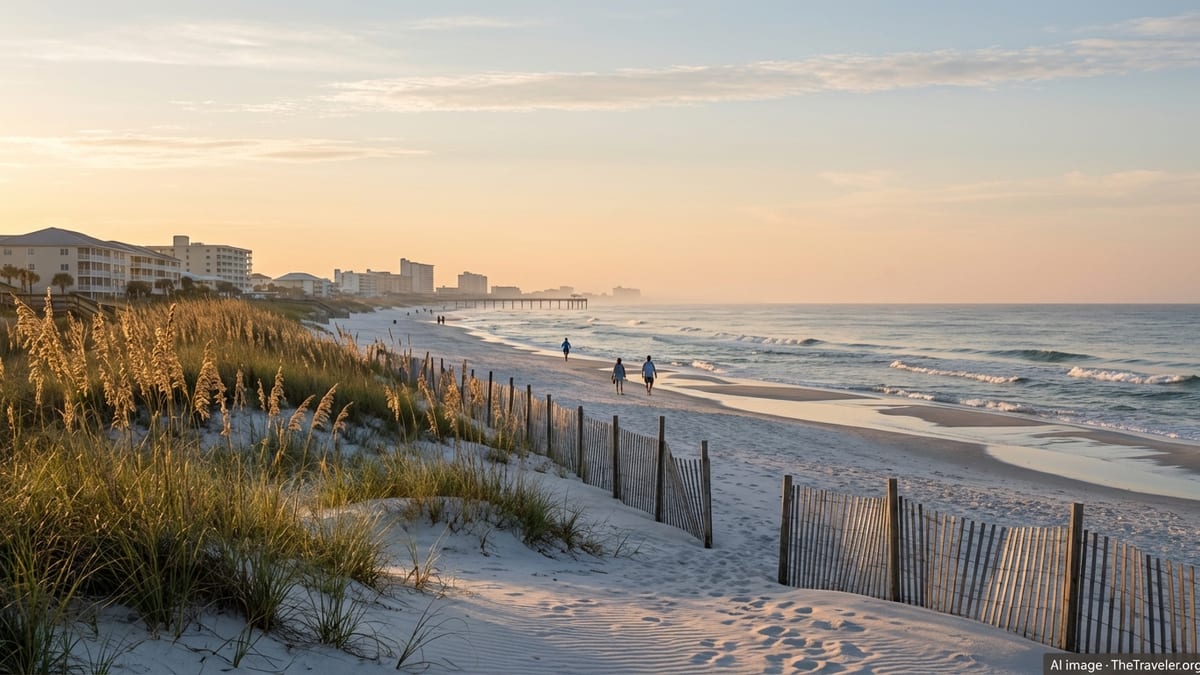
Alabama has a humid subtropical climate, which means long, hot summers along the Gulf Coast, mild winters in most of the state, and short but sometimes stormy shoulder seasons. If you are heading for the beaches around Gulf Shores and Orange Beach, late spring and fall often provide the best blend of warm water, pleasant air temperatures, and thinner crowds compared with peak summer. Humidity is still part of the picture, but you are less likely to be dealing with the most intense heat of July and August, when heat advisories are not uncommon.
On the coast, hurricane season typically runs from June through November, with the highest risk in late summer and early fall. If you travel during that window, consider fully refundable rates, travel insurance that specifically covers weather disruption, and lodging that clearly explains how it handles evacuations. Inland destinations such as Birmingham, Montgomery, Huntsville, and the Appalachian foothills around Little River Canyon are less affected by storm surge but can still experience heavy rain and severe thunderstorms, so it is worth monitoring local forecasts as your trip approaches.
Alabama’s tourism calendar has become more crowded in recent years, and major events can transform prices and availability. The annual three-day Hangout Music Festival brings large crowds to Gulf Shores each May, while October draws visitors to the coast for seafood and arts celebrations like the National Shrimp Festival. In Mobile, Carnival season culminating in Mardi Gras fills hotels in late winter, and college football weekends can tighten availability across Tuscaloosa, Auburn, Birmingham, and other college towns. If your dates are flexible, traveling just before or after these peaks often yields quieter streets, easier restaurant reservations, and better rates.
For travelers who enjoy hiking, paddling, or cycling, the cooler, clearer air of October and November or March and April can be ideal. Alabama’s tourism officials have highlighted trails statewide in recent campaigns, and shoulder-season conditions are usually gentler on both people and equipment. Pack layers, since temperatures can swing from chilly mornings in the 40s Fahrenheit to sunny afternoons in the 70s, especially in northern parts of the state.
Use Smarter Routes to Navigate a Growing Tourism Hotspot
Visitor numbers in Alabama have surged in recent years as the Gulf Coast, Birmingham, Mobile, and Huntsville gain national attention. Highways like Interstate 65 from the Tennessee line down through Birmingham and Montgomery to Mobile, and Interstate 10 along the Gulf Coast, can jam up on Fridays, Sundays, and major holiday weekends. If you are driving to or from the beaches, leaving early in the morning or late in the evening can make a noticeable difference in both traffic and stress, especially near bottlenecks around Montgomery and the Bayway bridges approaching Mobile.
Gulf Shores and Orange Beach now attract travelers from across the central United States, with low-cost carriers continually adding seasonal nonstop flights to the Alabama Gulf Coast. Budget airlines are expanding service into Gulf Shores International Airport and regional airports in Mobile and Pensacola, which sit within an easy drive of the beaches. It is worth checking these smaller airports against Birmingham and Montgomery when pricing flights, as a short rental car drive can offset airfare savings and open up more itinerary options, particularly for multi-stop trips that combine coast, cities, and mountains.
Once in Alabama, using a mix of interstates and scenic secondary roads can deepen the experience. Routes like U.S. Highway 98 along Mobile Bay, Highway 59 inland from the coast, and Highway 72 across the northern tier near the Tennessee River valley showcase small-town main streets, farm stands, and regional barbecue spots that most travelers miss. That said, avoid cutting across rural backroads late at night if you are unfamiliar with the area. Wildlife, limited lighting, and patchy mobile coverage in some pockets make daylight drives the safer and more enjoyable option.
Navigation apps are useful but should never be your only reference. Because many of Alabama’s coastal and rural communities grow and change quickly with tourism, roadwork and new developments can confuse turn-by-turn directions. Keep a broad sense of your route in mind and cross-check with a paper map or an offline map download, especially in more remote sections of the Black Belt or the Appalachian foothills where service can drop. Building in a buffer of 20 to 30 minutes for intercity drives can prevent missed tours or check-in windows if traffic or construction slow you down.
Know the Driving and Safety Rules That Locals Take Seriously
Alabama is very much a driving state, and understanding a few key rules can keep your trip smooth and trouble-free. As of mid-2023, it is illegal statewide to hold a phone or other electronic device while driving, and enforcement has been tightening since a grace period ended in 2024. That means you should set your route before pulling out of the parking lot, use true hands-free calling if you must talk, and avoid tapping out quick messages at red lights. Even visiting drivers can face fines and points on their license for violations, so it is worth treating phone use behind the wheel as completely off-limits.
Speed limits are strictly enforced in many small towns, especially along coastal corridors and near school zones. It is common to see a quick drop from highway speeds to 35 miles per hour as you pass through a community, sometimes with only one sign marking the change. Slowing early and coasting into these zones will help you avoid tickets and make it easier to notice pedestrian crossings, bicyclists, and local traffic patterns. At night or during rainstorms, err on the side of slower speeds, as sudden downpours can quickly reduce visibility.
Weather awareness is another practical safety tip that matters in Alabama. From late winter through spring, severe thunderstorms and occasional tornadoes can affect central and northern parts of the state. Along the coast, heavy afternoon showers and lightning are common in summer. Local television stations and radio often interrupt programming for detailed storm coverage, and many Alabamians rely on that information. If a warning is issued for your area, move indoors, avoid driving through standing water on roads, and postpone hikes or boat trips until conditions clear.
For visitors spending time on the Gulf beaches, pay attention to the flag system posted near major public access points. Double red flags typically close the water to swimming because of surf or rip current danger, and unguarded stretches of beach can be riskier than they look. Purple flags may indicate marine pests such as jellyfish or stingrays. Even strong swimmers should take rip current advisories seriously and stay near lifeguard towers when the surf is up. A few minutes spent checking conditions each morning can prevent injuries and lost vacation days.
Plan Coastal Days Around Heat, Crowds, and Nature
Alabama’s coastline may be relatively short, but it packs in sugar-white sand, calm bays, and wetlands that draw birders, paddlers, and beachgoers year-round. The most famous stretches run through Gulf Shores and Orange Beach, where condominium towers and vacation homes line the water. Spending your days more comfortably on the coast is mostly a matter of timing and small adjustments. In summer, arrive at the beach early for shaded parking, set up closer to lifeguard stands when possible, and plan midday breaks in air-conditioned spaces. Many travelers find that an early-morning or late-afternoon beach session feels far more pleasant than baking through the peak sun between 11 a.m. and 3 p.m.
Nature access is one of the true strengths of the Alabama coast. Gulf State Park spans both Gulf Shores and Orange Beach, offering wide dunes, lakes, and an increasingly well-regarded network of multiuse paths such as the Hugh S. Branyon Backcountry Trail. This system links beaches to forests, wetlands, and a butterfly garden, and has repeatedly gained national recognition from travel and outdoor publications. Renting bikes or walking sections of these trails can provide a quieter counterpoint to the main beachfront, and it is an easy way to spot coastal wildlife without leaving town.
Even short detours off the main tourist strips offer a sense of local life. Ferry rides across Mobile Bay, visits to working marinas, and strolls through bayside communities provide glimpses of fishing culture and slower residential rhythms. If you have your own vehicle, consider blocking off a half day to explore Bon Secour National Wildlife Refuge or the less developed stretches of Fort Morgan Peninsula. Carry water, sun protection, and insect repellent, particularly from late spring through early fall, when mosquitoes and biting flies are more active in marshy areas.
Coastal Alabama can be surprisingly family-friendly if you match activities to energy levels. In addition to the beach, there are small zoos, alligator attractions, and simple playgrounds tucked into city parks. For multigenerational groups, planning one major outing per day, such as a dolphin cruise or fishing charter, and leaving the rest of the schedule open often keeps everyone happier. When in doubt, ask locals, rental managers, or park staff for current recommendations, as new restaurants, coffee shops, and outfitters open regularly along the Gulf Coast.
Make the Most of Alabama’s Trails, Parks, and Outdoors
Alabama has been investing heavily in its outdoor reputation, and travelers who love trails and water stand to gain the most. Recent statewide initiatives have spotlighted hiking, biking, and paddling routes, from the multiuse paths near the Gulf to riverfront greenways in cities and long-distance routes in the Appalachian foothills. Whether you are an experienced hiker or simply looking for a pleasant walk, you will find a growing number of clearly signed, family-friendly options close to major population centers like Birmingham, Huntsville, and Mobile.
Timing and gear choices make a big difference in comfort outdoors. Spring and fall usually provide the best window for longer hikes or bike rides, when humidity and insect activity tend to be lower than in midsummer. Lightweight, breathable clothing, a hat, and sturdy footwear will carry you through most state parks and nature preserves. In warmer months, start earlier in the day and build in generous water and shade breaks, especially if traveling with children or older family members. Cell service can be sporadic in some parks, so snapping a quick photo of trailhead maps before you set out is a smart backup.
Some of the most rewarding outdoor experiences in Alabama involve water. Rivers like the Coosa, Tallapoosa, and Cahaba host outfitters who rent kayaks, canoes, and paddleboards, while the Tennessee River valley near Huntsville and Florence offers broad, scenic stretches for boating and shoreline picnics. Before booking any on-the-water activity, ask providers about typical current, water levels, and safety gear, particularly after heavy rain. Life jackets should be standard for everyone on board, and reputable operators will be comfortable explaining their emergency procedures.
Respect for the environment is increasingly emphasized in Alabama’s parks and preserves. Simple steps such as staying on marked trails, packing out all trash, and avoiding disturbing wildlife nest sites help keep these spaces enjoyable for visitors and locals alike. In some sensitive areas, seasonal closures protect bird rookeries or fragile plant communities. Reading posted notices at trailheads or visitor centers will alert you to any active restrictions and local etiquette, such as yielding to horses or mountain bikers on shared paths.
Connect With Alabama’s Food, Music, and Civil Rights History
Thoughtful planning around culture can turn a standard road trip into a deeper experience. Alabama’s food scene extends from smoked meats and coastal seafood to meat-and-three cafes and high-end Southern restaurants in cities. In Birmingham, Huntsville, and Mobile, reservations can be essential at top tables on weekends, particularly during conferences, festivals, or college events. In smaller towns, classic barbecue stands and diners may operate on limited hours or close once they sell out, so early lunches often work better than late dinners if there is a specific place you want to try.
Music fans will find a rich, sometimes understated heritage across the state. Historic recording studios in Muscle Shoals, live jazz and brass bands in Mobile, and alt-country, soul, and indie venues in Birmingham and Huntsville create an eclectic soundtrack for evenings out. Checking local event calendars a few weeks before your trip can reveal small festivals and club shows that never make national listings. Because many venues are intimate, buying tickets in advance or arriving right at opening time improves your chances of getting in, especially on Fridays and Saturdays.
Alabama also contains some of the most significant civil rights sites in the United States. Montgomery, Birmingham, and Selma anchor routes that connect churches, courthouses, museums, and memorials central to the mid-twentieth-century struggle for racial equality. These places reward unhurried visits and a measure of emotional preparation. Many travelers appreciate reading basic background material before arriving, allowing guided tours and exhibits to build on that foundation. If you plan to visit several sites in a day, give yourself time between stops to process and rest, especially in summer heat.
Dress codes are rarely formal, but respectful clothing is appreciated at historic churches, cemeteries, and memorials. Lightweight pants or skirts and shirts with sleeves keep you comfortable indoors and out, while also suiting more solemn spaces. When in doubt, follow the lead of local visitors around you. If you are traveling with children or teens, consider discussing the themes you will encounter ahead of time so that questions can be asked and answered thoughtfully on the day.
Book Accommodations and Tickets With Flexibility in Mind
Because Alabama’s tourism patterns have shifted quickly in recent years, flexibility is one of the most valuable tools a traveler can have. On the Gulf Coast, high-rise rentals and beach houses book far in advance for summer holidays, peak festival weekends, and school breaks. If your schedule is fixed during those windows, look for properties with clear cancellation or rebooking policies, and confirm any extra fees before you finalize. Travelers with flexible dates often do better aiming for shoulder seasons, when shorter minimum stays and occasional discounts appear.
In cities such as Birmingham, Montgomery, Huntsville, and Mobile, new hotels have been opening to match increased demand from conferences, sporting events, and growing tourism. You can often find competitive rates by comparing downtown properties with lodgings just outside the core. Parking costs, walkability, and access to public events or waterfront promenades may matter as much as nightly rates, especially if you plan to explore mostly on foot once you arrive. Calling hotels directly can sometimes clarify renovation timelines, shuttle options, or construction noise that may not be apparent through online listings.
For popular attractions, tours, and outdoor experiences, advance booking has become more important. Dolphin cruises, fishing charters, studio tours, and certain museum experiences can fill up quickly during school holidays and major events. When an online booking system shows limited availability, it is worth phoning the operator to ask about waitlists, off-peak times, or alternative offerings that may not appear in automated searches. At the same time, leave some room in your schedule for spontaneous finds such as roadside farm markets, small-town festivals, or live music you stumble upon.
Travel insurance can be a wise addition, particularly for trips planned during peak hurricane season along the Gulf Coast or during the most active severe weather periods inland. Policies that cover weather-related cancellations, trip interruptions, and medical expenses offer peace of mind in a region where conditions can change quickly. Read the fine print carefully to understand what qualifies as a covered event, and keep all booking confirmations in an easily accessible folder in case you need to file a claim.
The Takeaway
Traveling well in Alabama is less about chasing a single attraction and more about understanding how the pieces fit together. Climate, driving norms, event calendars, and local culture all influence how comfortable and rewarding your days will feel. Paying attention to seemingly small details such as departure times, trail conditions, and restaurant hours can unlock experiences that many hurried visitors miss altogether.
With thoughtful planning, you can combine coastal mornings, civil rights history, mountain overlooks, and live music into one coherent journey. Respect for local communities, patience on the roads, and flexibility around weather or crowds go a long way here. Approached with curiosity and a bit of advance preparation, Alabama reveals itself as a place of depth and variety, offering far more than a quick stop on the way to somewhere else.
FAQ
Q1. When is the best time of year to visit Alabama for a mix of cities and coast?
The most comfortable months for a combined city and beach trip are usually April, May, October, and early November, when temperatures are milder and humidity is generally lower than in midsummer.
Q2. How many days do I need to see both the Gulf Coast and at least one major city?
A week is a practical minimum to enjoy the beaches plus a city like Birmingham, Mobile, Montgomery, or Huntsville without rushing, allowing for travel days and some weather flexibility.
Q3. Do I need a car to get around Alabama as a visitor?
In most cases, yes. Public transit is limited outside a few urban cores, and a car makes it far easier to reach beaches, parks, small towns, and historic sites spread across the state.
Q4. Is it safe to swim at Alabama’s beaches?
Generally yes, but you should always follow posted flag warnings, stay near lifeguard stands when available, and avoid entering the water during lightning, strong rip current alerts, or double red flag conditions.
Q5. What should I know about using my phone while driving in Alabama?
State law now prohibits holding a phone or similar electronic device while driving. Set navigation and music before you start moving and rely on true hands-free options only.
Q6. Are Alabama’s civil rights sites suitable for children and teens?
Yes, many families visit together, but the material can be emotionally intense. Preparing younger travelers in advance and allowing time for questions and breaks can make visits more meaningful.
Q7. How far in advance should I book accommodations on the Gulf Coast?
For peak summer, major holidays, and festival weekends, booking several months ahead is wise. During shoulder seasons, you may find more flexibility and occasional last-minute options.
Q8. What should I pack for outdoor activities in Alabama?
Lightweight clothing, sturdy walking shoes, a hat, sunscreen, insect repellent, and a reusable water bottle cover most needs. In cooler months, add layers for chilly mornings and evenings.
Q9. Is tap water safe to drink throughout Alabama?
In most communities, yes, tap water meets safety standards and is fine to drink. If you are unsure in a very rural area, ask your host or check local guidance.
Q10. Can I visit Alabama without dealing with heavy crowds?
Yes. Traveling in spring or fall, avoiding major festival and holiday weekends, and scheduling popular activities early in the day all help you experience a quieter, more relaxed side of the state.