

Winnipeg blends prairie landscapes, riverside landmarks, and rich cultural traditions into a city that rewards curious travelers. From polar bears swimming overhead to glass-wrapped museums and Indigenous-led art spaces, many of the city’s standout sights are best experienced on a guided tour or pre-booked visit. Planning ahead not only secures your spot at popular attractions, it often unlocks deeper storytelling and behind-the-scenes access that casual visitors miss.
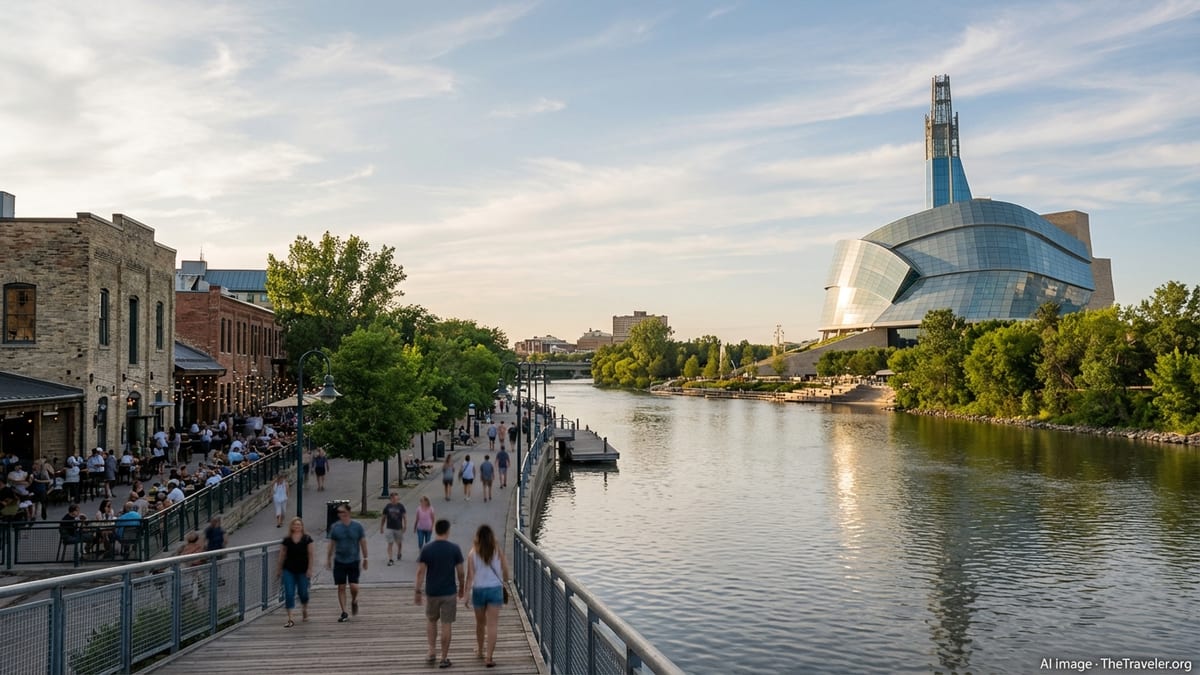
Canadian Museum for Human Rights: A Landmark Worth Planning Around
Few buildings define modern Winnipeg as powerfully as the Canadian Museum for Human Rights, rising beside The Forks with its glass “cloud” and tower of hope. As the world’s first museum dedicated solely to human rights, it is both an architectural icon and a deeply moving experience. Booking timed admission or a guided tour in advance helps you navigate its multi-level galleries and ensures you have enough time to absorb the exhibits without rushing.
Guided Journeys Through Human Rights Stories
Inside, visitors move between interactive galleries that explore themes such as Indigenous rights, the Holocaust, genocide, freedom of expression, and contemporary human rights struggles. Exhibits combine archival footage, testimonies, artifacts, and multimedia installations to encourage reflection rather than passive viewing.
Pre-booked guided tours can add important context, connecting global events to Canadian history and local stories from the Prairies. Many tours are designed to be conversational, with guides inviting questions and discussion instead of delivering a one-way lecture. This approach makes the experience accessible for families with teens, solo travelers, and visitors who may be new to the subject matter.
Architecture, Accessibility, and Visitor Experience
The museum’s design is an integral part of the visit. Visitors move along gently sloping alabaster ramps that symbolically guide them from darker spaces to ever more light. Large windows frame views of The Forks, the Red River, and the city skyline, grounding the sweeping themes of human rights in a real place.
Booking in advance is especially helpful during peak travel periods and school holidays, when time slots can fill quickly. Timed tickets help manage visitor flow so galleries stay comfortable and quiet enough for reflection. Audio guides and accessibility supports can also be reserved or requested in advance, making the experience more inclusive for all visitors.
Assiniboine Park & Zoo: Bookable Wildlife and Garden Experiences
Assiniboine Park, on the city’s west side, combines a major urban park, a world-class zoo, and impressive horticultural spaces. It is a full-day destination, especially when you factor in the signature Journey to Churchill exhibit at Assiniboine Park Zoo. Booking tickets and experiences ahead of time, particularly in summer and school breaks, helps you make the most of this sprawling green oasis.
Journey to Churchill at Assiniboine Park Zoo
Journey to Churchill is the zoo’s marquee experience, immersing visitors in northern ecosystems with sweeping outdoor habitats and striking viewing tunnels. The highlight is watching polar bears glide overhead as they swim through a clear underwater passage, often sharing the space with seals in an expansive enclosure designed to echo the subarctic coast.
The exhibit also features muskoxen, Arctic foxes, snowy owls, and interpretive spaces that explore climate change and conservation. Booking timed zoo admission or behind-the-scenes programming in advance is recommended during peak months, as families and tour groups frequently prioritize this exhibit.
Gardens, Trails, and Cultural Spaces in Assiniboine Park
Beyond the zoo gates, Assiniboine Park offers formal English-style gardens, forested trails, sculpture installations, and open lawns popular for picnics. The park’s attractions may include a conservatory-style horticultural space, seasonal programming, and regular family-friendly events that benefit from advance registration.
Travelers who enjoy a slower pace can book dining or afternoon tea at onsite restaurants, tying a walk in the gardens to a relaxed meal. Whether you come for the polar bears or the flower beds, planning a few reserved elements in your visit will help you structure the day and avoid spending time in ticket lines.
The Forks: Riverside Hub for Tours and Tastings
The Forks, at the meeting point of the Red and Assiniboine Rivers, is Winnipeg’s most famous gathering place. Centuries of trade, migration, and settlement have unfolded on this ground, and today the site combines markets, dining, public art, and seasonal outdoor activities. While you can always wander spontaneously, some of the most engaging experiences here are best booked ahead.
Market, Tastings, and Culinary Experiences
The Forks Market brings together local food vendors, craft beer producers, and small-batch makers under one roof in a converted rail-era building. For food-focused travelers, guided tasting tours introduce regional ingredients and Manitoba-made products, from bannock and bison dishes to craft ales and artisanal desserts.
These pre-arranged tours often operate with small group sizes and set departure times, so securing a booking ensures you can join on your preferred day. Some experiences pair tastings with storytelling about the site’s evolution from Indigenous trading grounds to modern-day cultural hub, adding historical depth to every bite.
Riverfront Walks and Seasonal Activities
In warm weather, river trails and promenade spaces around The Forks are ideal for strolling, cycling, or simply sitting with a coffee while watching boats on the water. Travelers interested in a more structured outing can look for guided walking tours that explain the archeological significance of the area and point out art installations and viewpoints.
In winter, the riverfront often transforms with outdoor skating trails and light installations. When conditions allow, parts of the frozen river system may be prepared for skating or walking, sometimes accompanied by warming huts designed by international architects. Skate rentals, lessons, or special evening programming may require pre-booking, especially on weekends and during holidays.
Qaumajuq & Winnipeg Art Gallery: Indigenous and Inuit Art Tours
Winnipeg is a major centre for Indigenous art, and nowhere is that more evident than at the Winnipeg Art Gallery and its Qaumajuq expansion, a striking glass-fronted space devoted to Inuit art. For travelers interested in culture and contemporary perspectives on the North, booking a focused tour here can be one of the most rewarding experiences in the city.
Exploring the World’s Largest Public Collection of Inuit Art
Qaumajuq houses an extensive collection of Inuit carvings, prints, textiles, and contemporary works, much of it visible through a towering glass vault where hundreds of stone sculptures appear suspended in light. Guided tours reveal the stories behind the artworks, the communities they come from, and the ways Inuit artists document both tradition and rapid social change.
Some tours and workshops highlight specific themes such as innovation in Inuit technology, connections to the Arctic landscape, or new media practices. School and group programs often combine a gallery tour with hands-on activities, and individual visitors can join public tours scheduled on select days. Checking the program calendar and booking in advance helps you align your visit with a theme that resonates with your interests.
Indigenous-Led Programming and Special Events
Beyond the permanent collections, WAG-Qaumajuq regularly partners with Indigenous artists, curators, and organizations to host talks, performances, and community events. These may include National Indigenous Peoples Day activities, live music, drag performances, or panel discussions that foreground Indigenous voices from Winnipeg and across the Prairies.
Many of these events require free or paid registration to manage capacity. Booking early not only secures your seat but also supports the gallery’s planning. For travelers, timing a trip to coincide with such programming offers a chance to encounter living culture, not just artwork on the walls.
Exchange District: Architecture, Arts, and Guided Walking Tours
Winnipeg’s Exchange District is one of the most impressive early-20th-century warehouse districts in North America, with a dense streetscape of brick and stone buildings now filled with galleries, cafes, and creative studios. While it is a pleasant place to wander on your own, booking a walking tour reveals the stories hidden behind its ornate facades.
Historic Walking Tours and Storytelling
Local organizations and tour companies offer scheduled walking tours that explore the Exchange District’s role in the grain trade, finance, and manufacturing booms that shaped Winnipeg in the early 1900s. Guides point out architectural details, recount tales of boom-and-bust fortunes, and connect you to moments when Winnipeg was a key gateway to Western Canada.
Many tours also touch on social history, discussing labour movements, immigration, and the evolution of downtown life. Because these walks typically run with small groups, reserving a place ahead of time is essential, especially on weekends and during summer festivals when demand is strongest.
Cultural Festivals and Performance Experiences
Throughout the year, the Exchange District doubles as a cultural stage. In summer, the area may host major events such as the Winnipeg Fringe Theatre Festival or outdoor components of the TD Winnipeg International Jazz Festival, bringing pop-up stages, food vendors, and late-night performances into its courtyards and squares.
Festival passes, individual show tickets, and special performances usually go on sale well in advance. Travelers with particular interests in theatre or live music would do well to check schedules early and pre-book key performances, as popular shows can sell out quickly. Staying nearby makes it easy to move between venues on foot, soaking up the district’s lively atmosphere between events.
Thermëa Spa Village and Urban Wellness Experiences
Winnipeg’s climate makes it an ideal city for hot-and-cold thermal experiences, and Thermëa Spa Village offers one of the most popular wellness escapes within easy reach of downtown. Combining Nordic-inspired thermal pools, saunas, steam rooms, and relaxation spaces, the spa is a year-round refuge from both winter winds and summer heat.
Booking the Thermal Experience
Day access to Thermëa’s thermal cycle typically includes outdoor hot pools, cold plunges, steam rooms, saunas, and quiet relaxation areas. Guests are encouraged to move slowly through the cycle, alternating heat, cold, and rest to promote circulation and relaxation.
Capacity is managed to maintain a tranquil environment, so advance booking is strongly recommended, particularly for evenings, weekends, and holidays. Reserving a spot allows you to choose your preferred time of day, whether that is a quiet weekday morning or a twilight visit when the pools glow against the night sky.
Massages, Treatments, and Dining
Many visitors pair the thermal experience with massages, body treatments, or wellness-focused dining. These add-ons are often limited in number and fill faster than general admission, making early reservations a good idea if there is a specific service you hope to enjoy.
The onsite restaurant typically emphasizes nourishing, seasonal menus that complement the slow-pace ethos of the spa. Allowing ample time in your itinerary, rather than squeezing a visit between other commitments, is the best way to fully appreciate this side of Winnipeg.
FortWhyte Alive: Nature, Bison, and Bookable Outdoor Programs
For an immersion in prairie landscapes without leaving city limits, FortWhyte Alive is Winnipeg’s go-to urban nature reserve. The site encompasses lakes, wetlands, forest, and grassland, along with interpretive centres and wildlife viewing areas. While you can simply explore on your own, many of its most memorable encounters are delivered through guided programs that should be reserved in advance.
Bison Encounters and Prairie Walks
FortWhyte Alive is known for its resident bison herd, a powerful symbol of prairie ecology and history. Guided experiences may include bison safaris aboard vehicles that bring visitors close to the animals while guides explain their role in Indigenous cultures and grassland ecosystems.
Other programs might feature guided prairie walks, wild edibles outings, or themed hikes that introduce visitors to native plants, birdlife, and conservation efforts. These activities are usually seasonal and capped at small group sizes, so booking ahead helps secure a place during your visit window.
Four-Season Outdoor Activities
With over several kilometres of trails and a series of small lakes, FortWhyte offers year-round outdoor fun. Summer might bring canoeing, rowboating, dip netting for families, and cycling on nearby routes, while winter can feature snowshoeing, skating on prepared ponds, and cozy indoor exhibits where you can warm up between outings.
Equipment rentals and certain guided experiences are best reserved ahead of time, particularly for weekend afternoons and school breaks. Planning your visit around one or two anchor programs ensures you experience more than just the visitor centre and main lookout.
Seasonal Festivals and Special Events to Pre-Book
Beyond its permanent attractions, Winnipeg is animated by festivals and recurring events that reward travelers who build them into their plans. While dates and details evolve year to year, several long-running events routinely draw visitors from across Canada and beyond, and most involve ticketed performances, time-specific experiences, or capacity limits.
Folklorama: A Citywide Celebration of World Cultures
Each August, Folklorama transforms venues across Winnipeg into cultural pavilions celebrating diverse communities from around the world. Visitors can travel between pavilions sampling traditional food, watching music and dance performances, and browsing cultural displays, often organized by volunteer-led community groups.
Because pavilions have set show times and may reach capacity, it is wise to plan routes and secure tickets or passes in advance, especially on weekends. Booking organized tours that connect multiple pavilions in one evening can simplify logistics, with transport and timing handled for you so you can focus on the performances and flavours.
Fringe Theatre, Jazz, and Other Major Festivals
In July, the Winnipeg Fringe Theatre Festival brings dozens of productions to the Exchange District, filling theatres, makeshift stages, and outdoor spaces with everything from comedy to experimental drama. Tickets to individual shows are typically affordable but can sell out quickly once word-of-mouth hits, making advance reservations a smart move for buzzworthy performances.
June often belongs to the TD Winnipeg International Jazz Festival, which combines intimate indoor concerts with free outdoor shows in Old Market Square. While some events are open-access, headline performances usually require tickets that go on sale well before the festival dates. Checking lineups and pre-booking ensures you can experience marquee artists alongside local talent.
The Takeaway
Winnipeg is a city best experienced in layers, from landmark museums and riverfront hubs to intimate galleries and prairie reserves. Many of its most memorable attractions reward travelers who plan ahead: booking timed admission to major sights, securing places on guided tours, and aligning visits with seasonal festivals or wellness experiences.
By reserving key experiences at the Canadian Museum for Human Rights, Assiniboine Park Zoo, The Forks, Qaumajuq, the Exchange District, Thermëa Spa Village, FortWhyte Alive, and marquee festivals, you not only save time but also gain richer connections to local stories and landscapes. The rest of your itinerary can remain flexible, leaving room for serendipitous finds in neighbourhood cafes, riverside parks, and pop-up performances that give Winnipeg its enduring, quietly creative energy.
FAQ
Q1. Do I really need to book Winnipeg attractions in advance?
Booking ahead is strongly recommended for major attractions, guided tours, and festival performances, especially in summer, on weekends, and during school holidays.
Q2. Which Winnipeg attraction should I prioritize if I have limited time?
If you are short on time, focus on The Forks combined with the Canadian Museum for Human Rights, as they sit side by side and showcase both history and modern Winnipeg.
Q3. Is Winnipeg a good destination for families with children?
Yes. Assiniboine Park Zoo, The Forks, FortWhyte Alive, and seasonal festivals all offer family-friendly programs, outdoor space, and interactive exhibits suitable for kids.
Q4. What is the best season to visit Winnipeg for these experiences?
Summer offers the widest range of festivals, outdoor activities, and open attractions, though winter brings unique experiences such as skating trails and thermal spa visits.
Q5. Are Winnipeg’s cultural attractions accessible for visitors with mobility needs?
Major sites such as the Canadian Museum for Human Rights, The Forks, Qaumajuq, and Assiniboine Park Zoo offer step-free access and accessibility supports; confirm details when booking.
Q6. How many days should I plan to see the main attractions?
A three to four day stay allows time for key attractions, a nature outing to FortWhyte Alive, and at least one evening festival, though longer trips reward slow exploration.
Q7. Can I visit several attractions without a car?
Yes. Downtown, The Forks, the Exchange District, Qaumajuq, and the Canadian Museum for Human Rights are walkable from many hotels, and public transit or taxis reach farther sites.
Q8. Are guided tours in Winnipeg suitable for solo travelers?
Most walking tours, museum tours, and small-group nature programs welcome solo travelers and can be a relaxed way to meet people while gaining local insight.
Q9. How far in advance should I book festival tickets?
For popular festivals and headline shows, plan to buy tickets as soon as lineups are announced, especially if your visit coincides with weekends or peak summer dates.
Q10. Is Winnipeg expensive compared with other Canadian cities?
Overall costs for accommodation, dining, and attractions in Winnipeg are often lower than in larger Canadian cities, making it a relatively budget-friendly urban destination.