

Ontario stretches from the spray of Niagara Falls to vast forests, clear blue lakes and lively cities, and it rewards travelers who go beyond the usual postcard views. Whether you are drawn to adventure on the water, long days on hiking trails, or evenings sipping wine after a day of exploring, this province offers one of Canada’s richest mixes of natural and urban experiences. From new attractions overlooking the Horseshoe Falls to quiet backcountry campsites deep in provincial parks, here are nine of the best things to do in Ontario, plus practical tips to help you plan each stop along the way.
Feel The Power Of Niagara Falls In New And Classic Ways
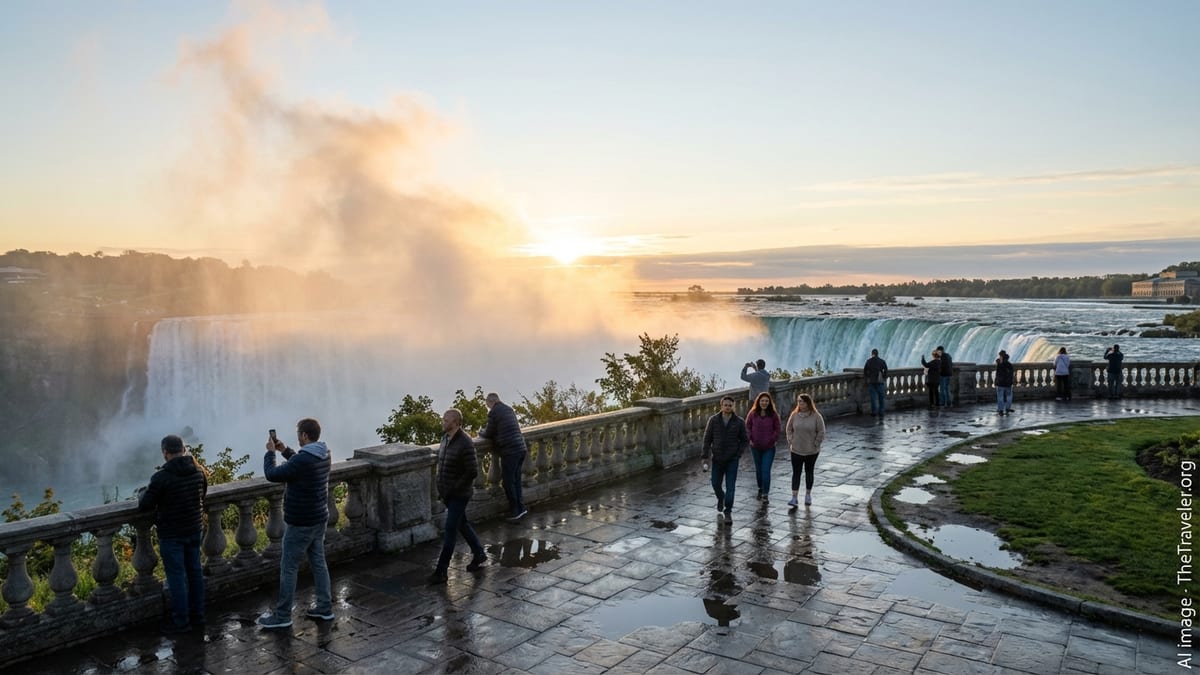
Most trips through Ontario begin or end at Niagara Falls, and there is a reason this destination remains Canada’s most famous natural spectacle. The Canadian side of the falls puts you face to face with Horseshoe Falls, where staggering volumes of water plunge into the gorge and a constant mist hangs in the air. A riverside promenade follows the rim of the gorge, offering free viewpoints day and night, while the nightly illuminations and seasonal fireworks add a sense of theatre to the thundering backdrop.
Boat cruises into the spray remain an essential experience, with poncho-clad passengers riding into the basin below the falls for an up-close encounter with the roar and chill of the water. On land, long-running attractions such as tunnels and observation platforms behind and beside the falls bring visitors close to the rock face and allow you to feel the vibration of the cataract underfoot. These experiences can be crowded in peak summer, so early morning or late evening time slots are often quieter and easier to navigate.
Niagara Parks has been investing heavily in new ways to experience the falls, including a flying theatre attraction at Table Rock Centre that uses motion seats, mist, sound and wraparound visuals to simulate soaring over the Niagara region through all four seasons. Pre-shows introduce the cultural and natural history of the area, from Indigenous stories to more recent engineering feats. Combined with newer activities such as ziplining over the gorge and updated interpretive exhibits in heritage power stations, visitors now have more options to spread their time across a full day or longer stay.
Getting around is relatively straightforward. A hop-on, hop-off bus system links major Niagara Parks attractions along the river, reducing the need to drive and park at each stop. For a more relaxed pace, consider walking short sections between viewpoints or simply finding a bench along the promenade to watch the shifting colors of the water throughout the day. Even amid the crowds, it is still possible to find moments of quiet and appreciation for the raw power of the falls.
Road Trip The Niagara Parkway And Explore Wine Country
Beyond the immediate roar of the falls, one of the most enjoyable experiences in Ontario is a leisurely drive or bike ride along the Niagara Parkway. This historical route follows the Canadian side of the Niagara River from Fort Erie in the south to Niagara on the Lake in the north. Winston Churchill famously described it as one of the prettiest afternoon drives in the world, and the appeal remains clear: manicured parkland, river views, historic sites and shaded picnic areas line the route.
North of Niagara Falls, the parkway passes lookouts over the turbulent Whirlpool Rapids and access to attractions such as a cable car across the gorge and a glass-enclosed butterfly conservatory surrounded by botanical gardens. These stops offer calmer, more contemplative experiences than the main falls area, and they are ideal for families or travelers looking to balance adrenaline with quiet encounters with nature. The combination of river scenery, flower displays and forested trails makes this one of the most diverse short stretches of road in the province.
Continuing toward Niagara on the Lake, the landscape shifts into vineyard country. Here, gentle slopes and a favorable climate support one of Canada’s premier wine regions, known especially for its icewine and cool-climate varietals. Many wineries offer tastings, vineyard tours and farm-to-table dining, with reservations strongly recommended in peak seasons and on weekends. Cycling between wineries on rural roads or designated paths is increasingly popular, though visitors should plan carefully to balance tastings with safe riding.
The town of Niagara on the Lake itself is worth lingering over, with heritage architecture, boutique shops and seasonal theatre drawing visitors who may never set foot near the main falls. Between the riverfront, lakefront parks and the surrounding fruit orchards, this corner of Ontario provides a softer, slower counterpoint to the intensity of Niagara Falls, and it easily justifies an overnight stay as part of a wider exploration of the province.
Hike The Niagara Escarpment And Bruce Trail
Leaving the river valley behind, the Niagara Escarpment stretches in a long arc through Ontario, forming cliffs, forests and viewpoints that feel far removed from urban life. The Bruce Trail, Canada’s oldest and longest marked footpath, follows the edge of this escarpment for more than 800 kilometers between Niagara and Tobermory. You do not need to walk the full distance to appreciate its appeal. Short day hikes near Hamilton, the Bruce Peninsula or the Georgian Bay coast sample rugged limestone outcrops, waterfalls and sweeping views over farmland and water.
Near the trail’s northern reaches around Lion’s Head and Tobermory, sections cling to clifftops above the vivid turquoise waters of Georgian Bay. In Lion’s Head Provincial Park, for example, paths wind through cedar forests to viewpoints where you can look straight down at the bay and across to distant headlands. Trails here are often rocky and sometimes root-covered, so sturdy footwear and a realistic assessment of your comfort with heights are important. Many segments are within non-operating parks or conservation areas with limited facilities, which keeps them wild but also requires more self-sufficiency.
In the south and central sections, the escarpment passes waterfalls and wooded ravines near communities such as Hamilton and Milton. Short trails can take you to lookouts and cascades in just an hour or two, making them accessible for day trips from Toronto and other cities. Spring and autumn are particularly rewarding seasons to walk, with snowmelt swelling waterfalls in April and May, and hardwood forests turning intense shades of red and gold from late September into October. Summer can be hot and humid, and blackflies and mosquitoes are more present in forested stretches, so carrying water and insect repellent is advisable.
Responsible hiking is crucial along the Bruce Trail corridor. Large portions cross private land through agreements with landowners and local trail clubs, and access can change if visitors stray off marked paths or leave litter. Checking up-to-date trail maps, respecting closures and practicing leave-no-trace habits help ensure that this remarkable continuous footpath remains open. Even a short morning walk along the escarpment can be a highlight of a trip that otherwise focuses on cities or the major parks.
Paddle, Camp And Wildlife Watch In Algonquin Provincial Park
Algonquin Provincial Park is one of the most iconic wilderness destinations in Ontario, and it offers a very different atmosphere from the manicured landscapes of Niagara. Located north of the main Toronto–Ottawa corridor, the park encompasses a vast network of lakes, rivers and forests that serve as a refuge for moose, wolves, loons and countless smaller species. Visitors typically access the area via Highway 60, which passes a string of campgrounds, trailheads and visitor centres along the southern edge, but the true heart of Algonquin lies beyond the road, in the maze of interconnected waterways.
Canoeing is the classic way to explore Algonquin. Outfitters in nearby communities provide rental boats, gear and route planning advice for both beginners and experienced backcountry travelers. Short overnight trips might involve paddling across a single lake and making a few portages between waterways, while week-long adventures can take you deep into quieter corners where campsite neighbors are rare. Even if you prefer to stay close to the highway, short paddle excursions from access points still give a taste of the park’s calm waters and island-dotted horizons.
On land, Algonquin maintains a range of hiking trails that showcase its ecology and human history, from short interpretive loops suitable for families to longer day hikes that climb to rocky lookouts. The park is also known for its educational programs, including naturalist-led evening talks in summer and special events focused on topics such as wolf ecology and bird migration. Autumn is especially popular for viewing the changing colors of sugar maples, which typically peak sometime from late September to early October depending on the year’s conditions.
Park operations, campsite reservations and seasonal closures can change, especially as visitation grows and weather patterns shift. It is wise to check the latest information from Ontario Parks before you travel, pay close attention to fire bans and wildlife advisories, and treat Algonquin as a living ecosystem rather than just a backdrop. Thoughtful planning rewards visitors with quiet mornings of mist on the lake, the haunting calls of loons at night and the possibility of surprise wildlife sightings along the shore.
Explore Cliffs And Caribbean-Colored Water On The Bruce Peninsula
Northwest of Toronto, the Bruce Peninsula narrows between Lake Huron and Georgian Bay, creating some of the most dramatic coastal scenery in Ontario. Bruce Peninsula National Park and Fathom Five National Marine Park together define this region, with plunging limestone cliffs, sea-cave formations and remarkably clear, blue-green water that can look almost tropical on sunny days. The contrast between rugged shoreline and gently wooded interior makes this a memorable stop on any Ontario itinerary focused on nature and outdoor adventure.
At popular sites such as the Grotto, visitors descend from forest trails to rock shelves and caves at the water’s edge, where wave-carved hollows and underwater openings reveal the bay’s clarity. Timed parking or reservation systems are typically in place in peak season to manage crowds and protect fragile shorelines, so advance planning is essential. Elsewhere in the parks, quieter trails lead to inland lakes and lesser-known lookouts along the escarpment, providing a reminder that even heavily photographed destinations still have pockets of solitude.
Offshore, Fathom Five National Marine Park is renowned for its shipwrecks and underwater rock formations. Glass-bottom boat tours operate in season to showcase shallow wrecks and submerged cliffs without requiring visitors to dive, while scuba divers can explore deeper sites with local operators who understand the area’s currents and conditions. On Flowerpot Island, accessible by boat, hiking paths wind past natural rock pillars and along exposed shorelines frequented by nesting birds.
The peninsula’s small communities, including Tobermory and Lion’s Head, offer a limited but charming selection of inns, motels, campgrounds and eateries. Accommodation often sells out far in advance during summer and long weekends, so many visitors now plan spring or autumn trips when temperatures are cooler, bugs lighter and crowds thinner. Whatever the season, respecting signage, staying within marked viewing areas and keeping a safe distance from cliff edges help preserve the environment and reduce the strain on local rescue services.
Discover Bon Echo, Killarney And Ontario’s Other Iconic Provincial Parks
While Algonquin and the Bruce Peninsula draw the most attention, several other provincial parks across Ontario combine striking landscapes with relatively easy access. Bon Echo Provincial Park in southeastern Ontario is known for Mazinaw Rock, a 100-meter cliff rising directly from the surface of Mazinaw Lake and decorated with hundreds of Indigenous pictographs. Visitors can paddle along the base of the rock, join interpretive boat tours during the operating season or hike to the clifftop for sweeping views of the lake and surrounding forest.
Farther north on Georgian Bay, Killarney Provincial Park showcases a different palette, with white quartzite ridges, sapphire lakes and stands of wind-shaped pine. Clear water and extensive backcountry routes make it especially popular with canoeists and backcountry hikers, and even short excursions from front-country campgrounds reveal the wild character that inspired artists of the Group of Seven. Because of its reputation, Killarney often books out quickly for summer camping, and shoulder-season visits can provide a more contemplative experience.
Other parks, such as Sleeping Giant near Thunder Bay, Lake Superior Provincial Park along the Trans-Canada Highway and Point Pelee on the shores of Lake Erie, demonstrate the sheer range of ecosystems within Ontario. From bird-rich wetlands at the southern tip of Canada’s mainland to rugged, wave-battered coastlines in the north, these parks reward travelers who are willing to venture beyond the populous corridor between Windsor and Ottawa. Many have upgraded facilities, interpretive programs and accessibility improvements in recent years, reflecting growing interest in outdoor recreation.
As with Algonquin, park conditions, reservation systems and seasonal services evolve as visitor numbers grow and weather patterns become less predictable. Before heading out, consult current notices about trail closures, water quality advisories and fire restrictions. Building flexibility into your schedule makes it easier to adapt and to discover nearby lesser-known parks or conservation areas if your first-choice destination is fully booked or affected by conditions on the ground.
Experience Toronto’s Culture, Food And Waterfront
Ontario is not only about wilderness. Toronto, Canada’s largest city, stands on the shore of Lake Ontario and offers a global mix of neighborhoods, cuisines and cultural institutions. Visitors can spend days exploring museums dedicated to art, history and science, attending major league sports events and sampling everything from food markets and street vendors to high-end restaurants led by acclaimed chefs. The city’s diversity is one of its greatest strengths, and entire itineraries can revolve around experiencing communities of different cultural backgrounds through their food and festivals.
The waterfront has seen ongoing redevelopment, turning former industrial spaces into promenades, parks and public art installations. Ferries run to the Toronto Islands, where car-free paths, beaches and skyline views offer a quick escape from downtown. Seasonal events, including outdoor concerts, food festivals and winter light installations, help ensure that the lakeshore remains active in all but the harshest weather. Cycling infrastructure and public transit improvements have made it easier to explore without a car, though visitors should plan for traffic and construction that often accompany urban growth.
Toronto also serves as a practical hub for exploring wider Ontario. Same-day or overnight trips to Niagara Falls, the Niagara wine region and smaller towns along Lake Ontario and Georgian Bay are straightforward, particularly with rail and bus services that supplement car travel. Many visitors now choose to combine a few days in the city with time in provincial or national parks, balancing museum visits and nightlife with hiking or paddling excursions.
As with any major city, conditions can change quickly, from transit schedules to opening hours at particular attractions. Checking current information close to your travel dates, booking timed tickets where required and allowing buffer time between commitments can turn a potentially hectic urban visit into a smoother, more enjoyable experience before or after time spent in Ontario’s quieter corners.
Stroll Historic Streets And Waterfronts In Kingston, Ottawa And Beyond
Between the big draws of Toronto and Niagara and the quieter woods of the provincial parks, Ontario is dotted with historic cities and towns that deserve more attention. Kingston, located on the shore of Lake Ontario where it meets the St. Lawrence River and the Rideau Canal, blends nineteenth century limestone architecture with a busy waterfront. The city’s former role as a capital and military hub is evident in its fortifications and civic buildings, while its present-day character is shaped by universities, festivals and a growing food scene.
Ottawa, Canada’s national capital, sits along the Ottawa River on the border between Ontario and Quebec. The Parliament Buildings, major national museums and ceremonial sites draw visitors interested in politics and culture, while the Rideau Canal provides a recreational corridor for boating in summer and skating in winter when conditions permit. Neighborhoods just beyond the central core add a more relaxed feel, with independent shops, markets and parks along the riverbanks and canal.
Smaller communities such as Stratford, renowned for theatre, and smaller lakeside towns scattered along the shores of the Great Lakes complement these larger urban centers. They often become focal points for seasonal festivals, farmers’ markets and regional cuisine, highlighting local produce and craft beverages. Exploring these places by foot or bicycle allows you to appreciate details of architecture, public art and everyday life that can be easy to miss when simply passing through by car.
Together, these cities and towns provide context for Ontario’s natural attractions. They reveal how waterways such as the Great Lakes, St. Lawrence River and Rideau Canal shaped settlement and trade, and they give visitors a chance to shift pace from remote campsites back to walkable streets lined with cafes and galleries. Including at least one mid-sized city or historic town on your itinerary can make the overall journey feel more varied and complete.
The Takeaway
Traveling from Niagara Falls to Ontario’s provincial parks reveals a province defined by contrasts. One day you may feel the spray of one of the world’s most famous waterfalls, and the next you might wake up to loon calls on a remote lake or stand atop a cliff looking down at turquoise water. Between these extremes lie vineyards, historic towns, national institutions and a global city whose energy rivals that of much larger metropolises.
Planning a trip around the nine experiences outlined here helps you balance Ontario’s major icons with quieter discoveries. It encourages you to move slowly along scenic routes like the Niagara Parkway, to step onto long-distance trails like the Bruce, to paddle and camp in parks where the night sky still shows a full spread of stars, and to sample the cultural life of cities that anchor the region. Conditions, attractions and services continue to evolve, especially as new experiences are added at places such as Niagara Falls and as parks refine how they manage growing visitation.
Approach Ontario with flexibility and curiosity, prepared to adjust your route based on weather, wildlife advisories or a tip from a local about a favorite viewpoint or bakery. Respect the landscapes and communities you pass through by staying on marked trails, supporting local businesses and learning about the Indigenous histories that underlie many of the places you will visit. In return, Ontario offers a journey that feels both expansive and intimate, linking some of North America’s most recognized sights with quiet moments that will likely stay with you long after you leave.
FAQ
Q1. When is the best time of year to visit Ontario for this kind of trip?
The most popular months are late May through October, when trails, parks and seasonal attractions are usually open and driving conditions are straightforward.
Q2. How many days do I need to see Niagara Falls and at least one provincial park?
Allow at least four to six days to experience Niagara Falls, explore the surrounding region and spend meaningful time in one major park such as Algonquin or the Bruce Peninsula.
Q3. Do I need a car to travel between Niagara Falls, Toronto and the parks?
A car provides the most flexibility, especially for provincial parks, but it is possible to combine intercity buses or trains with local shuttles and guided tours for some sections.
Q4. How far is Algonquin Provincial Park from Toronto or Niagara Falls?
From Toronto it is typically a three to four hour drive to the Highway 60 corridor of Algonquin, while from Niagara Falls you should expect roughly an additional two hours of driving.
Q5. Are there beginner-friendly hiking options on the Bruce Trail and in the parks?
Yes, many areas offer short, clearly signed loops with moderate elevation changes, though visitors should still wear proper footwear and carry water and basic supplies.
Q6. How far in advance should I book campsites or popular attractions?
For peak summer and holiday weekends, reservations for campgrounds, timed parking and some attractions are often best made several months ahead when booking systems open.
Q7. Is it possible to swim in Ontario’s lakes near the provincial parks?
In warm months many park beaches and lakes are suitable for swimming, though water temperatures vary and visitors should always heed posted safety and water quality notices.
Q8. What kind of wildlife should I be aware of while camping or hiking?
Common considerations include black bears, moose and smaller animals that may be attracted to food; storing food properly and following park guidelines greatly reduces risks.
Q9. Can I visit Niagara wine country and still avoid driving after tastings?
Local tour operators, taxis and sometimes shuttle services can link wineries, and cycling routes are available, but you should always plan conservatively around alcohol consumption.
Q10. How can I learn more about Indigenous history and culture while traveling in Ontario?
Look for Indigenous-led tours, cultural centers, interpretive exhibits and signage at parks and historic sites, and consider supporting Indigenous-owned businesses along your route.