

Lake Erie’s shoreline stretches past fishing docks, historic ethnic neighborhoods and vine covered hillsides, creating one of North America’s most varied freshwater food regions. From Cleveland’s pierogi shops to Ohio’s wine country and lakeside fish fries, the lake’s working harbors and small towns offer flavors shaped by waves, weather and immigration. These eight Great Lakes food experiences highlight how to taste Lake Erie in every season, on both big city streets and quiet rural back roads.
1. Classic Lake Erie Perch and Walleye on the Waterfront
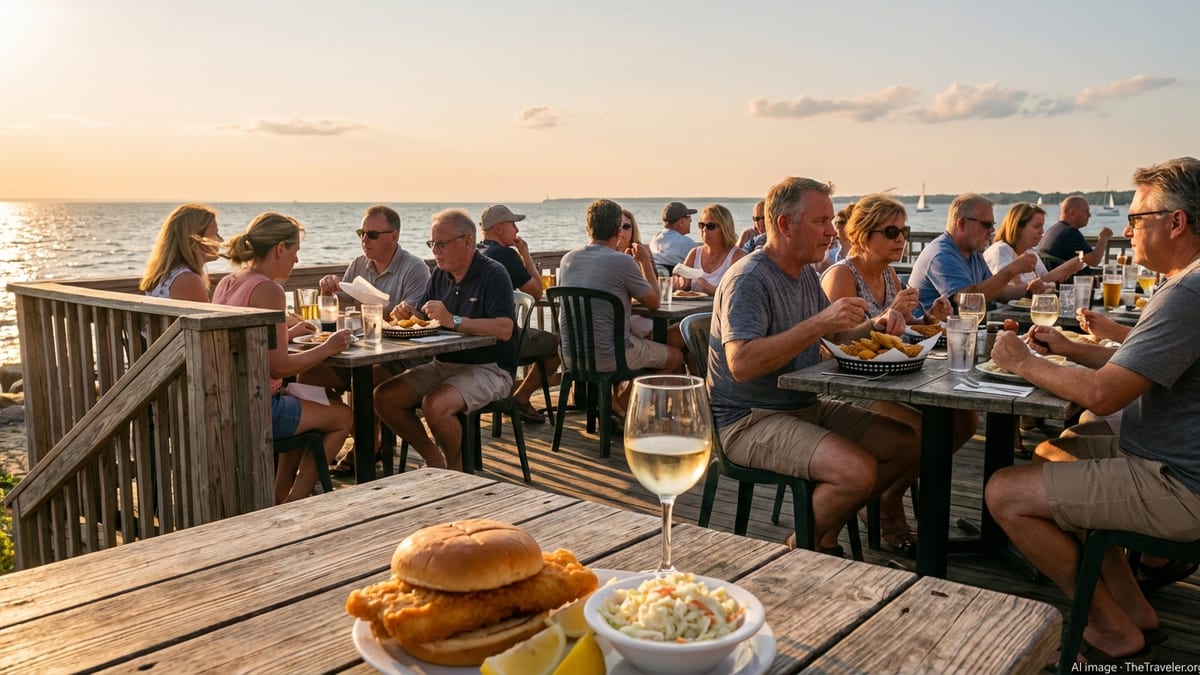
For many travelers, the definitive Lake Erie meal arrives on a paper lined tray: a stack of fried yellow perch or walleye caught from the same waters rolling just beyond the windows. Across the lake’s southern shore, especially in Ohio’s resort towns and working ports, fish houses and taverns build menus around these mild, sweet fillets. Perch is usually served lightly breaded and pan fried or deep fried until the edges crisp and curl, while walleye’s firmer flesh stands up well to thicker batter or a quick blackening on the grill. Either way, these freshwater fish are at their best when cooked simply and served fast, letting the flavor of the lake shine.
In summer, outdoor decks fill with day trippers who pair baskets of fish with coleslaw, fries and cold local beer while sailboats tack across the horizon. In spring and fall, when winds whip off the water, harbor side dining rooms feel cozier, their big picture windows framing white capped waves as plates of hot fish arrive from the kitchen. Many operations buy direct from small commercial crews or process fish from nearby packing houses, so the distance from lake to table is often measured in hours rather than days.
Travelers who want to understand Lake Erie’s fishing culture can time a visit with local events, from fishing tournaments to community fish fries that raise money for volunteer fire departments or youth sports. Ask staff where the fish came from that day and how the catch has changed with the seasons; regulars are usually happy to explain why perch is more common some weeks and walleye dominates at other times. That casual, informed conversation over a shared plate is part of the experience.
Because availability can depend on weather, water conditions and regulations, menus sometimes substitute other species or lean more heavily on frozen fillets outside peak seasons. When that happens, look for restaurants that are upfront about sourcing and still treat the fish with care. Crisp, greaseless breading, flaky meat and a clean, fresh aroma are reliable signs you are experiencing Lake Erie’s most essential meal at its best.
2. Pierogi, Kielbasa and the Eastern European Tables of Cleveland
Cleveland’s close relationship with Lake Erie goes far beyond its skyline views and harbor. The city’s historic immigrant neighborhoods turned the port into one of the Great Lakes’ most distinctive food destinations, and Eastern European cooking is at the heart of that story. Pierogi, the filled dumplings associated with Polish, Ukrainian and other Slavic communities, are now firmly woven into the city’s identity. Diners find them in church basements on Friday nights, neighborhood taverns, food festivals and dedicated pierogi shops spread from Slavic Village to the near west side.
Traditional versions come stuffed with potato and farmer’s cheese, sauerkraut, or ground meat, then are either boiled and tossed with butter and fried onions or pan fried until the exterior blisters and browns. Many kitchens still roll and pinch each dumpling by hand, a time intensive process that reflects family recipes carried across the Atlantic. Alongside them, grills sizzle with smoky kielbasa sausage, cabbage rolls share space on steam tables, and bakery cases glow with poppy seed rolls and nut filled pastries.
Modern Cleveland chefs have taken this heritage in playful directions, creating pierogi filled with short rib, spinach and feta, or seasonal vegetables, and topping them with everything from Korean inspired sauces to barbecue brisket. Events such as the city’s annual Pierogi Week highlight this creative streak, inviting dozens of restaurants and bars to serve limited time combinations at accessible prices for a winter week. Visitors who plan around these celebrations can taste a cross section of the city’s pierogi culture in just a few days, from classic church style dumplings to bar food mashups.
For a deeper connection to the region, seek out long running markets and delis that have supplied pierogi and kielbasa to local families for generations. Talking with owners about how neighborhood demographics have changed or how holiday orders swell in the weeks before Easter and Christmas offers insight into the living culture behind the food. Sampling a plate here, with Lake Erie just a short drive away, connects travelers to both the port city’s past and its present day comfort food creativity.
3. Fish Shacks, Clambakes and Shoreline Comfort Food in Northeast Ohio
Between the industrial edge of Cleveland and the vineyard covered hills closer to the Pennsylvania line, the Ohio shoreline is dotted with casual eateries that treat Lake Erie as both pantry and backdrop. Roadside fish shacks near marinas, seasonal snack stands at small beaches and simple dockside grills all specialize in unfussy, deeply comforting meals. Menus spotlight fried perch sandwiches, walleye tacos, creamy chowders and shrimp baskets, often ordered at a window and taken to picnic tables facing the harbor.
This stretch of coast is also one of the few places inland travelers can experience traditional clambakes tied to Great Lakes culture rather than the Atlantic seaboard. In northeast Ohio, clambakes typically appear in early fall and often unfold as large community or corporate events, pairing steamed clams with roasted chicken, sweet potatoes, corn and dense rolls. Even when the clams themselves are sourced from outside the region, the ritual has become a seasonal marker along Lake Erie, as important for the camaraderie and crisp air as it is for the food.
Inside more polished dining rooms, chefs have begun weaving these same shore flavors into contemporary menus. Farm to table restaurants along the lake increasingly highlight regional produce alongside fish and shellfish, creating plates that might pair pan seared walleye with local sweet corn succotash or dress Lake Erie perch with herbed butter made from nearby creamery products. Wine lists lean on Ohio producers from the Grand River Valley and other nearby appellations, completing a shoreline focused meal.
Because so many of these experiences are seasonal, especially in small harbor towns, travelers should expect different atmospheres depending on the month. In July and August, lines for lakefront fish shacks can be long, with families in flip flops waiting for ice cream cones after a day at the beach. On a blustery November weekend, a clambake or a quiet dinner overlooking whitecaps feels far more introspective. Both moods are authentic expressions of life on Lake Erie’s edge.
4. Ohio’s Grand River Valley and Lake Erie Wine Country
Just a short drive inland from Lake Erie’s shore in northeast Ohio, gentle hills and glacial soils create excellent conditions for vineyards. The Grand River Valley, part of the larger Lake Erie American Viticultural Area, has become the state’s best known wine country. Dozens of wineries operate within a compact radius, many with tasting rooms that look back toward the lake or sit tucked amid rows of vines. The lake moderates temperatures, helping extend the growing season and protect vines from extreme cold, while sedimentary soils support both classic vinifera grapes and hardy hybrids.
Visitors encounter a wide range of styles in local tasting rooms. Crisp whites such as Riesling, Pinot Gris and Chardonnay thrive in the cool climate, as do sparkling wines made by traditional methods. Semi sweet regional specialties derived from Concord, Niagara or Catawba grapes are common, reflecting a long history of grape growing that began with juice and jam production before table wine became a focus. Some estates have garnered recognition in statewide competitions for rosé and ice wine, while others focus more on easy drinking blends poured for casual patio crowds.
Food plays an increasingly important role in the Grand River Valley experience. Many wineries now operate restaurants or partner with food trucks, offering wood fired pizzas, small plates and full dinners that pair well with house wines. Menus often emphasize local ingredients, from Ohio cheeses and charcuterie to seasonal vegetables and meats sourced from nearby farms. In warmer months, picnic tables between the vines or decks overlooking wooded ravines become popular spots for long, slow lunches that stretch into afternoon tastings.
Travelers can explore independently by following self guided wine trail maps, or they can base themselves at lakeside resorts that offer shuttle services to multiple wineries, allowing for relaxed sampling without driving. Events throughout the year, including barrel tastings, harvest festivals and themed wine trails, give repeat visitors new reasons to return. When combined with a day on the nearby beaches or a hike to view covered bridges inland, an evening of Lake Erie wine and food tasting rounds out a full Grand River Valley itinerary.
5. Lake Erie’s North Shore: Ontario Beach Towns and Farm Stands
Across the water on Lake Erie’s north shore, the Canadian province of Ontario offers a slightly different but closely related food landscape. Small beach communities and working ports line the coast, with summer visitors flocking to soft sand beaches, fishing charters and casual lakeside patios. Many local restaurants build menus around freshwater fish similar to their U.S. counterparts, serving perch and pickerel, a regional name for walleye, as fish and chips, tacos or grilled fillets with simple sides.
Driving the rural roads just inland, travelers encounter farm stands and markets overflowing with seasonal produce. The moderate climate near the lake supports orchards, berry patches and fields of sweet corn and tomatoes that supply both home cooks and area restaurants. Stopping to taste just picked fruit or purchasing vegetables for a picnic adds an agricultural dimension to the more familiar fish focused picture of Lake Erie dining.
Some communities along the Ontario shore have also developed small but energetic craft brewery and winery scenes, often integrating local ingredients into limited release beers or barn side tasting experiences. While production on this side of the border may not be as concentrated as in Ohio’s Grand River Valley, the same climatic benefits of Lake Erie apply, allowing cool climate grape varieties and crisp, refreshing beer styles to flourish. Food trucks and simple kitchens on site serve dishes that travel well with a pint, from Lake Erie fish sandwiches to loaded fries and grilled sausages.
Because the north shore is somewhat less densely populated than major urban centers around the lake, the atmosphere in many Ontario lakeside towns feels laid back and community oriented, especially outside peak summer weekends. Visitors who come midweek or in the shoulder seasons often find plenty of room on patios, quiet beaches and relaxed conversations with owners and staff. These interactions, whether over a plate of fish and chips or a basket of local peaches, are a key part of the region’s appeal.
6. Harbor Town Markets, Bakeries and Smokehouses
Beyond restaurants and wineries, some of Lake Erie’s most rewarding food experiences unfold in small independent markets and specialty shops tucked into harbor districts and main streets. In Ohio and Pennsylvania port towns, family run smokehouses produce cured and smoked fish, sausages and jerky that reflect decades of local preferences. The aroma alone often draws travelers through the door. Smoked lake fish, when available, offers a different expression of the region’s catch, denser and more intense than its fried counterpart and ideal for picnics or pairing with sharp local cheese.
Nearby, old school bakeries supply the breads and pastries that anchor many Lake Erie breakfasts and road snacks. Cases may hold rye loaves for deli sandwiches, paczki and other filled doughnuts for pre Lent celebrations, or simple cinnamon rolls for early mornings on the water. In communities with strong ethnic heritage, these bakeries sometimes act as informal cultural centers, where regulars linger over coffee and travelers are welcomed with samples and stories.
Seasonal farmers markets contribute another layer, especially in late summer and early autumn. Stalls display sweet corn, peppers, apples and squash grown in the rich soils not far from the water’s edge. Shoppers can purchase ingredients for campsite cooking or lakeside rentals, or simply snack on kettle corn, local honey and fresh baked pies while listening to buskers. Some markets also host prepared food vendors who bring in tamales, pierogi, gyros or barbecue, mirroring the diversity of communities ringing the lake.
Planning a route that includes these small scale producers pays off for travelers who enjoy conversational, low key food experiences. Asking for recommendations often leads to tips about lesser known fish fries, church dinners or seasonal festivals that may not appear in broader tourism promotions. In this way, stepping into a smokehouse or bakery becomes an entry point into Lake Erie’s everyday culinary life, not just a quick shopping stop.
7. Seasonal Festivals, Food Weeks and Dockside Events
Lake Erie’s calendar is studded with events that revolve around food, from summer wine and beer festivals to winter comfort food celebrations. In cities such as Cleveland, organized restaurant weeks spotlight signature dishes tied to local identity, including multi day events dedicated to pierogi or to regional takes on comfort foods. These promotions encourage diners to sample smaller plates at multiple venues, turning an ordinary week into an informal culinary tour spread across neighborhoods.
Smaller towns around the lake host their own gatherings. Harborfront parks may fill with tents for rib cook offs, fish festivals or craft beer tastings in the warm months, pairing live music with tastings from local vendors. Inland wineries along the Lake Erie corridor often schedule seasonal food focused events like chocolate and wine pairings in winter, grilled seafood weekends in summer or harvest dinners served family style among the vines. Each one highlights a slightly different facet of the lake’s food culture.
On the working side of the waterfront, some marinas and charter operations organize dockside cookouts after fishing outings, allowing guests to enjoy grilled or fried portions of their own catch alongside simple sides. While these experiences are usually informal and dependent on weather and availability, they offer one of the most direct ways to connect fishing, cooking and eating in a single afternoon. Even when the catch is modest, the sense of place is unmistakable, with the scent of fish on the grill mingling with lake air and diesel from nearby boats.
Travelers who enjoy planning around festivals and special events should research upcoming calendars before committing to dates, as weather and economic conditions can cause changes from year to year. Building in flexibility is wise, especially in shoulder seasons when smaller events may be canceled or rescheduled. However, even without hitting a major festival, visitors will usually find some form of community food gathering unfolding around Lake Erie on weekends, whether it is a farmers market, a charity fish fry or a simple band playing on a brewery patio.
8. How to Plan Your Lake Erie Food Road Trip
Connecting these food experiences into a coherent trip starts with geography. Lake Erie spans hundreds of miles, and driving from one end of the U.S. shore to the other can take most of a day. Travelers who want to focus on culinary exploration often choose a smaller segment and explore in depth. One popular approach is to anchor in Cleveland for urban dining and pierogi culture, then branch east into the Grand River Valley and northeast Ohio wine country, where lakeside dining, wineries and small towns are all within relatively short drives.
Another option is to design a cross border itinerary that pairs an American starting point with Ontario’s north shore. This requires planning around border crossings and identification requirements, but it rewards visitors with two perspectives on Lake Erie life. Starting in Ohio or Pennsylvania and looping north via one of the international bridges can link U.S. harbor towns, wine country stops and fish houses with Canadian beach communities, farm stands and breweries, creating a satisfying contrast in just a week or less.
Regardless of route, pacing matters. Many Lake Erie food experiences are best enjoyed slowly: lingering over a lakeside fish dinner at sunset, spending an afternoon at one or two wineries rather than racing through flights, or wandering farmers markets without a fixed agenda. Building downtime into each day also allows flexibility to follow local recommendations, whether that means taking a detour to a highly regarded smokehouse, waiting out a sudden storm in a cozy harborfront pub, or joining an impromptu clambake when locals extend an invitation.
Because Lake Erie’s weather can shift quickly, packing layers and being prepared for cool breezes even on warm days will help keep outdoor meals comfortable. Travelers should also anticipate that some seasonal operations, particularly in small beach towns, may close or keep reduced hours outside peak summer. Calling ahead or checking current hours before heading to a specific destination reduces the risk of disappointment and helps ensure that each planned food stop around the lake becomes a memorable part of the journey.
The Takeaway
Lake Erie’s food culture is not defined by a single iconic dish but by the way fish, farm products, immigrant traditions and wine country all intersect along its shores. A plate of crisp perch eaten within sight of working boats, a farmhouse style dinner at a winery, a paper tray of pierogi in a Cleveland bar or a basket of Ontario peaches from a roadside stand all tell part of the same story. The lake links them, shaping the climate, the economy and the movement of people who have cooked and eaten here for generations.
Travelers who approach the region with curiosity and a flexible appetite will find that the most rewarding experiences often emerge from everyday places: a busy neighborhood deli, a smokehouse on a back street, a community festival that was barely advertised beyond local posters. Combining those finds with better known highlights such as wine trails and celebrated restaurants results in an itinerary that feels both grounded and indulgent. In the end, eating around Lake Erie is less about checking off specific dishes and more about tasting how water, weather and culture come together in one of North America’s great freshwater landscapes.
FAQ
Q1. What is the must try local dish around Lake Erie?
The most emblematic local meal is freshly fried Lake Erie perch or walleye, served simply with sides like fries, coleslaw and lemon, ideally at a lakeside restaurant.
Q2. When is the best season to plan a Lake Erie food trip?
Late spring through early fall offers the widest range of open patios, festivals and seasonal stands, though year round cities like Cleveland remain good options in winter.
Q3. Do I need a car to explore Lake Erie food destinations?
A car gives the most flexibility, especially for reaching small harbor towns, wineries and rural farm stands that are not well served by public transit.
Q4. Can I find vegetarian or vegan options along Lake Erie?
Yes. Urban centers and many wineries offer vegetarian and often vegan dishes, though very small fish focused shacks may have limited plant based choices.
Q5. Are Lake Erie fish safe to eat?
Regulators monitor water quality and issue consumption advisories when needed. Reputable restaurants source from approved suppliers and follow current guidance.
Q6. How many days should I plan for a Lake Erie food focused itinerary?
A long weekend works for one city and nearby shoreline, while a full week allows time to combine urban dining, wine country visits and small town exploring.
Q7. Is it possible to visit wineries and not drink alcohol?
Yes. Many wineries welcome non drinkers with food menus, scenic patios and non alcoholic options such as sparkling juices or locally produced sodas.
Q8. Do restaurants around Lake Erie take reservations?
Popular wineries and lakefront spots often accept or recommend reservations, especially on summer weekends, while casual fish shacks typically operate on a walk in basis.
Q9. What should I pack for an outdoor dining heavy trip?
Pack layers, a light jacket, sunscreen and sunglasses, since temperatures and sun intensity can change quickly along the lake, even on the same day.
Q10. Can I combine a Lake Erie food trip with outdoor activities?
Definitely. Many visitors pair meals with fishing charters, beach days, hiking, cycling or visits to lighthouses and historic sites close to the shoreline.