

Spain is one of Europe’s most welcoming destinations, with lively cities, relaxed coastal towns and a generally safe atmosphere. But like any popular tourist hotspot, it comes with risks that smart travelers should prepare for, from pickpockets in busy plazas to new local rules on drinking, smoking and behavior in resort areas. With a bit of foresight and awareness, you can enjoy Spain’s food, culture and sunshine while staying safe and avoiding trouble.
Understand the Real Risk Landscape in Spain
Spain consistently ranks as one of the safer countries in Europe for visitors, but that does not mean risks are nonexistent. Authorities advise travelers to exercise increased caution, mainly because of the threat of terrorism and episodes of unrest linked to protests or local political tensions. These risks are not a reason to cancel a trip, but they are a reason to stay informed and pay attention to your surroundings in crowded places such as transport hubs, major attractions and big events.
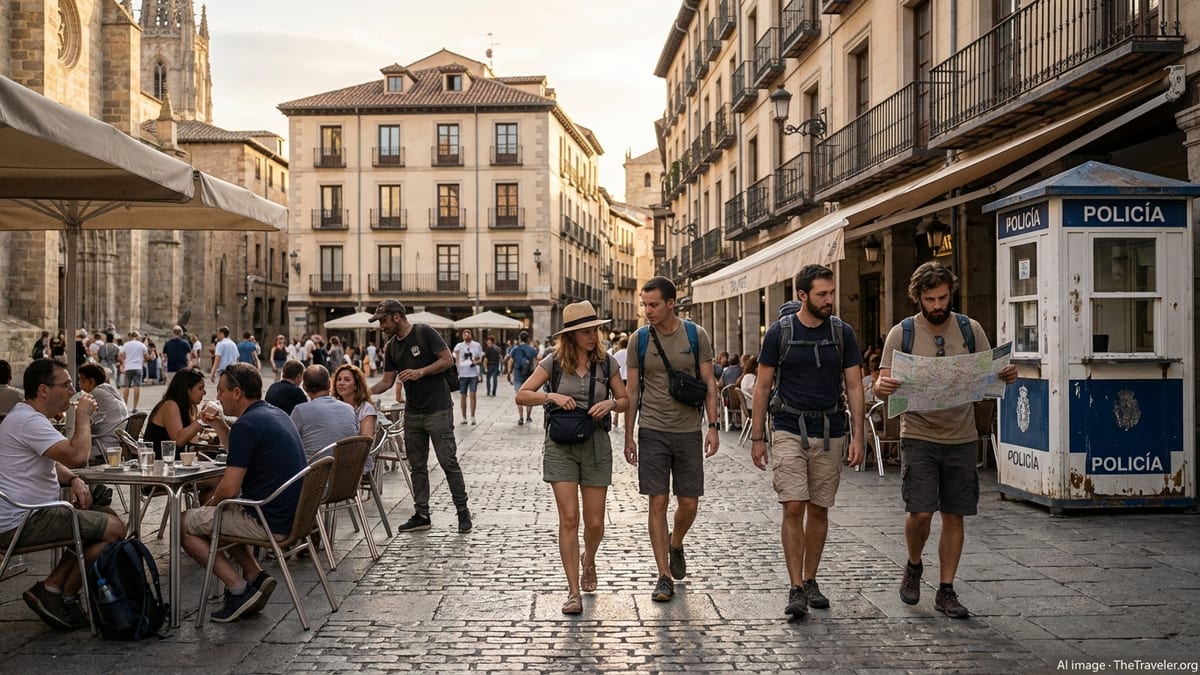
For most visitors, the biggest day-to-day concern is petty crime rather than serious violence. Busy metro lines in cities like Barcelona and Madrid, popular nightlife districts, and tourist-packed zones around famous sites are prime hunting grounds for pickpockets. These thieves are skilled, fast and often work in teams. Treat these areas with the same caution you would in any large European city, and assume there are opportunistic thieves nearby whenever crowds are dense and distractions are plentiful.
Spanish police maintain a visible presence in major cities and resort areas, and tourist assistance services operate in many hotspots to help visitors who become victims of crime. Knowing that help is available if you need it is reassuring. Still, the most effective safety strategy is prevention: understanding how and where incidents typically occur and adjusting your behavior accordingly.
Before you travel, review your own government’s latest travel advice on Spain, with particular attention to terrorism, demonstrations, and any region-specific alerts. Situations can change quickly, especially around elections, strikes or major sporting events. Checking official advisories and local news in the days before your trip will give you a realistic picture of current conditions.
Protect Your Belongings From Pickpockets and Theft
Petty theft is the number one safety issue for visitors to Spain. Crowded metros, busy markets, packed tapas bars and famous promenades are the places where pickpockets thrive. They look for distracted tourists carrying bags loosely on their backs, leaving phones on café tables or digging through wallets in public. Reducing your vulnerability is one of the smartest ways to stay safe.
Start by carrying only what you truly need each day. Leave spare cards, passports and extra cash locked in your accommodation safe, and keep a record of card numbers and emergency contact lines. Use a crossbody bag with a solid strap and zippers that close fully, worn across your front where you can see it. A money belt or hidden pouch can add another layer of protection for passports and backup cards.
On public transport, especially in Barcelona and Madrid, keep bags closed and in front of you, with a hand resting on the zip. Be particularly alert at metro doors, escalators and station entrances, where thieves exploit last-second chaos to snatch items and step off the train just before the doors close. If someone bumps into you, spills something on you or creates a commotion, assume that it might be a distraction tactic and check your belongings immediately.
In cafés, terraces and beaches, never leave phones, wallets or bags on tables, chairs or towels unattended. Thieves may use menus, maps or jackets to cover items and then lift them in one smooth motion. Use a small carabiner to clip your bag to your chair, and keep valuables out of easy reach. Simple habits like these can dramatically reduce your chances of becoming a target.
Avoid Common Tourist Scams and Overcharging
Spain’s most common problems for tourists involve scams and overcharging rather than outright threats. In busy city centers you may encounter people offering friendship bracelets, petitions, roses or unsolicited help with tickets or directions. Often these interactions end with a demand for money or provide cover for an accomplice who is watching your pockets or bag.
The smartest response is to be polite but firm. If someone you do not know approaches you out of nowhere with an offer that seems unusually friendly or persistent, simply say no and keep walking. Do not allow anyone to place an object or bracelet on your body, and avoid getting drawn into street games or “too good to be true” offers. If you feel uncomfortable, step into a shop, hotel lobby or well-lit, busy area.
In some tourist-heavy districts, visitors report inflated bills or added items at bars, restaurants and taxi rides. To protect yourself, check menus before ordering, including any small-print charges for terrace seating or bread, and ask if you are unsure. When paying, read the bill carefully, compare it with what you ordered, and do not hesitate to query any unexpected items. With taxis and ride services, verify the approximate fare and ensure the meter is switched on where applicable.
Accommodation scams also occur, particularly with short-term rentals. Book through reputable platforms or established hotels and confirm exact addresses and check-in procedures before arrival. Avoid paying in full in cash on arrival to an unfamiliar property unless you are completely satisfied it is legitimate. Trust your instincts; if something feels rushed, vague or inconsistent, step back and reconsider.
Stay Street‑Smart in Cities, Nightlife Zones and During Protests
Spain’s cities are designed for walking, lingering and enjoying life outdoors, but it still pays to be street-smart, especially at night. Stick to well-lit streets with other people around, and avoid poorly lit parks or remote shortcuts between neighborhoods, particularly if you are on your own. If you feel uneasy on a particular route, change direction, go into a busy venue or hail a licensed taxi.
Nightlife districts in Barcelona, Madrid, Seville, Valencia and major island resorts can be intense, especially during peak season. Alcohol-fueled behavior, crowded bars and late-night street drinking can increase the risk of fights, thefts and accidents. Many municipalities have tightened rules on public drinking, with some resort areas imposing significant fines for drinking on the street, balcony jumping, or other disruptive behavior. Respecting these local rules is essential for both safety and your wallet.
Spain also experiences periodic demonstrations linked to economic issues, housing protests or anti-tourism sentiment in some heavily visited areas. These rallies are usually peaceful but can occasionally turn tense, particularly if counter-protesters or heavy police presence is involved. If you come across a protest, keep your distance, avoid filming confrontations up close, and do not attempt to move through the center of a crowd. It is sensible to adjust your route or plans rather than risk getting caught in a volatile situation.
In all urban settings, the same basic advice applies: keep valuables out of sight, use cashpoints inside banks or shopping centers rather than isolated machines, and avoid flashing expensive jewelry or large amounts of cash. Your goal is to blend in with local daily life rather than stand out as an obvious target.
Know the Laws on Alcohol, Smoking and Beach Behavior
Over the past few years, several Spanish regions and cities have tightened regulations on tourists’ behavior, particularly around alcohol, antisocial conduct and smoking in public spaces. These rules are partly a response to high-profile incidents in party resorts and complaints from local residents about noise, litter and aggressive behavior from visitors. Ignorance of the law is not a defense, and fines can be steep.
In popular destinations such as Barcelona and the Balearic Islands, authorities have restricted pub crawls, banned public drinking in many streets and limited alcohol sales in shops during late evening and overnight hours. Street drinking outside licensed venues in some resort zones can result in significant on-the-spot fines. The safest approach is to enjoy alcohol in bars and restaurants, avoid drinking in public spaces where it is prohibited, and keep any celebrations respectful of local communities.
Smoking rules have also evolved. A growing number of beaches across Spain, from Andalusia to the Canary and Balearic Islands, have introduced smoke-free zones or complete bans. Some cities are extending restrictions to vaping devices as well. Check local signage on beaches and promenades and assume that if you do smoke, you may be required to move to designated areas. Failure to comply can lead to fines and contributes to environmental damage.
Dress codes and behavior expectations also matter, especially in family-oriented resort towns and traditional neighborhoods. Walking through city streets or shops in swimwear, or shirtless, is prohibited in some municipalities and can again result in penalties. As a rule, cover up when you leave the beach or pool area, keep music volumes reasonable, and avoid behavior that might be perceived as disorderly. These small gestures show respect for residents and reduce the risk of attracting negative attention from authorities.
Stay Healthy, Hydrated and Prepared for the Climate
Spain’s climate ranges from cool and damp in the north to intensely hot and dry in parts of the south and interior, particularly in summer. Heatwaves have become more frequent, and temperatures can climb well above what many visitors are used to. Heat exhaustion, dehydration and sunburn are among the most common health problems affecting tourists, yet they are also the most preventable.
Protect yourself by planning outdoor sightseeing for earlier in the morning and later in the afternoon, avoiding extended exposure at midday during the hottest months. Wear a wide-brimmed hat, sunglasses with UV protection and lightweight, breathable clothing. Apply a high-factor sunscreen and reapply frequently, especially if you are swimming or sweating. Carry a refillable water bottle and drink regularly, even if you do not feel particularly thirsty.
Spain’s public health system provides good emergency care, but you may be asked for proof of insurance or a European Health Insurance Card where applicable. Before you travel, ensure that your travel insurance explicitly covers medical treatment, emergency evacuation and trip disruption. Keep digital and paper copies of your policy and important contact numbers, and carry any necessary medications in their original packaging, accompanied by a doctor’s note if appropriate.
Food and water are generally safe, but sensible precautions still apply. If you have a sensitive stomach, introduce rich or unfamiliar dishes gradually. In hot weather, be cautious with food that has been sitting out, especially at informal beach stalls. If you experience severe or persistent symptoms such as high fever, chest pain, difficulty breathing or confusion, seek medical attention immediately via the local emergency services.
Use Transport Safely and Stay Alert on the Road
Spain’s transport network is extensive and modern, and millions of tourists move around the country each year without incident. Trains and long-distance buses are generally reliable, while domestic flights connect major cities and islands quickly. Urban metros and trams are convenient, but they are also environments where you need to keep your wits about you, especially during rush hour or late at night.
While using public transport, keep your ticket or pass handy, avoid standing near doors with phones or bags loosely in hand, and stay aware of your surroundings. If a carriage feels uncomfortably crowded or rowdy, wait for the next one if possible. At night, consider using licensed taxis or ride-hailing services to get back to your accommodation, particularly after drinking or if you are in an unfamiliar area.
If you plan to rent a car, familiarize yourself with Spanish driving regulations before you arrive. Speed limits are strictly enforced, drink-driving laws are tough, and penalties for offenses such as using a mobile phone while driving can be severe. Always wear seat belts, obey posted limits, and avoid driving when you are tired or after consuming alcohol. In rural areas, be alert for narrow roads, sharp bends and unexpected obstacles like livestock.
Pedestrians should also exercise care. Use designated crossings where possible, watch for bikes and e-scooters in shared spaces, and make eye contact with drivers before stepping out. Many Spanish cities are increasing the number of bike lanes and shared mobility devices, which can lead to conflicts when users ignore rules or speed through pedestrian zones. A cautious attitude and an assumption that others may not see you can help you avoid accidents.
Know How to Get Help in an Emergency
Being prepared for an emergency is a key part of staying safe in Spain. The general emergency number throughout the country is 112, which connects you to police, fire and medical services. Operators in many areas can assist in multiple languages, including English. You can call this number from any phone, including mobile phones without a local SIM card, and you should use it whenever there is an immediate threat to life, safety or property.
Beyond 112, Spain also has specific numbers for different branches of law enforcement and emergency services, such as the National Police, Local Police, Civil Guard, fire brigade and ambulance services. While you do not need to memorize every code, keeping a short list of key numbers saved on your phone and written down separately is wise in case your device is lost, runs out of battery or is stolen.
Major cities and tourist areas often host specialized tourist assistance units or dedicated help desks at police stations, where staff are familiar with handling issues faced by visitors, from theft of documents to minor assaults or lost property. If you are a victim of crime, report it as soon as possible. A police report will be essential for insurance claims and may be required if you need emergency travel documents from your embassy or consulate.
Before departure, note the contact details of your country’s embassy or consulate in Spain, as well as any 24-hour global helpline provided by your foreign ministry. In a serious incident, consular staff can offer guidance, liaise with local authorities and help you contact family back home. While they cannot bypass local laws or pay your bills, they are an important source of practical support in difficult situations.
The Takeaway
Traveling safely in Spain is about balance. The country’s cities, islands and villages are, on the whole, welcoming and secure, but they attract large numbers of visitors, and that inevitably brings risks from petty crime, opportunistic scams and the occasional flashpoint of unrest. By understanding these realities and adapting your behavior, you significantly reduce your chances of running into serious trouble.
Focus on the fundamentals: protect your valuables, stay aware in crowds, respect local laws on alcohol, smoking and public behavior, and take the climate seriously, especially during summer. Prepare a basic emergency plan, know how to contact help, and keep key documents and numbers accessible. These steps do not have to make you anxious; instead, they give you the confidence to relax and enjoy Spain’s food, culture and landscapes.
Ultimately, smart travelers treat safety as part of their trip planning, not an afterthought. With a little preparation and common sense, your time in Spain can be memorable for all the right reasons: long evenings on lively plazas, seaside walks, art-filled mornings and the warmth of local hospitality, rather than lost passports or avoidable mishaps.
FAQ
Q1. Is Spain safe for solo travelers, including women traveling alone?
Spain is generally safe for solo travelers, including women, especially in well-known cities and resorts. Normal city precautions apply: stay in central, well-reviewed accommodation, avoid walking alone through poorly lit or isolated areas at night, and keep friends or family informed of your plans.
Q2. What should I do if my passport or wallet is stolen in Spain?
If your passport or wallet is stolen, go to the nearest police station to file a report, then contact your embassy or consulate to arrange replacement documents. Inform your bank or card providers immediately so they can block cards and issue replacements.
Q3. Are Spanish taxis and ride-hailing services safe to use?
Licensed taxis and established ride-hailing services are generally safe in Spain. Always use official taxi ranks or app bookings, check that the meter is running where required, and avoid unlicensed vehicles that approach you directly offering rides.
Q4. How can I avoid pickpockets on Spanish public transport?
To avoid pickpockets, keep bags zipped and in front of your body, avoid storing valuables in back pockets, and be especially alert at doors, escalators and crowded platforms. If someone causes an unusual distraction, quickly check that you still have your belongings.
Q5. Is it safe to drink tap water in Spain?
Tap water is considered safe to drink in most of Spain, though taste and mineral content vary by region. If you have a sensitive stomach or dislike the taste, opt for bottled or filtered water, especially in very old buildings or remote rural areas.
Q6. What rules around alcohol and street drinking should tourists know?
Many cities and resort areas restrict or ban street drinking, and fines for breaking these rules can be high. Drink in licensed venues, follow local signage, avoid carrying open containers in public where it is prohibited, and keep celebrations respectful and under control.
Q7. How serious is the terrorism risk in Spain for tourists?
Authorities assess the terrorism risk as present but relatively low for individual visitors. Security has been strengthened at key sites and transport hubs. Travelers should remain aware of their surroundings, follow local guidance and avoid lingering near any suspicious activity or unattended objects.
Q8. What is the emergency number in Spain and will they speak English?
The general emergency number in Spain is 112, which reaches police, fire and medical services. In many areas, operators can assist in multiple languages, including English, especially in large cities and main tourist regions.
Q9. How can I stay safe during heatwaves or very hot days?
During hot days, limit strenuous activity at midday, seek shade, wear light clothing, apply high-factor sunscreen and drink plenty of water. Pay extra attention to children, older travelers and anyone with health conditions, and seek medical help if symptoms of heatstroke appear.
Q10. Is it safe to swim at Spanish beaches and what should I watch for?
Most Spanish beaches are safe and well monitored, but always follow local lifeguard instructions and flag systems. Avoid swimming after heavy drinking, stay within designated areas, be cautious of strong currents, and respect any posted rules on activities, smoking and behavior.