

Eswatini, the small landlocked kingdom formerly known as Swaziland, rewards curious travelers with rolling highveld hills, intimate wildlife reserves, and some of southern Africa’s most distinctive cultural ceremonies. It is also a destination that still feels under the radar compared with neighboring South Africa and Mozambique.
That sense of discovery is part of the appeal, but it also means you need to arrive prepared. From border formalities and health precautions to currency quirks and cultural etiquette, there are several practical points you should understand before you go. Here are 10 key things to know before traveling to Eswatini today.
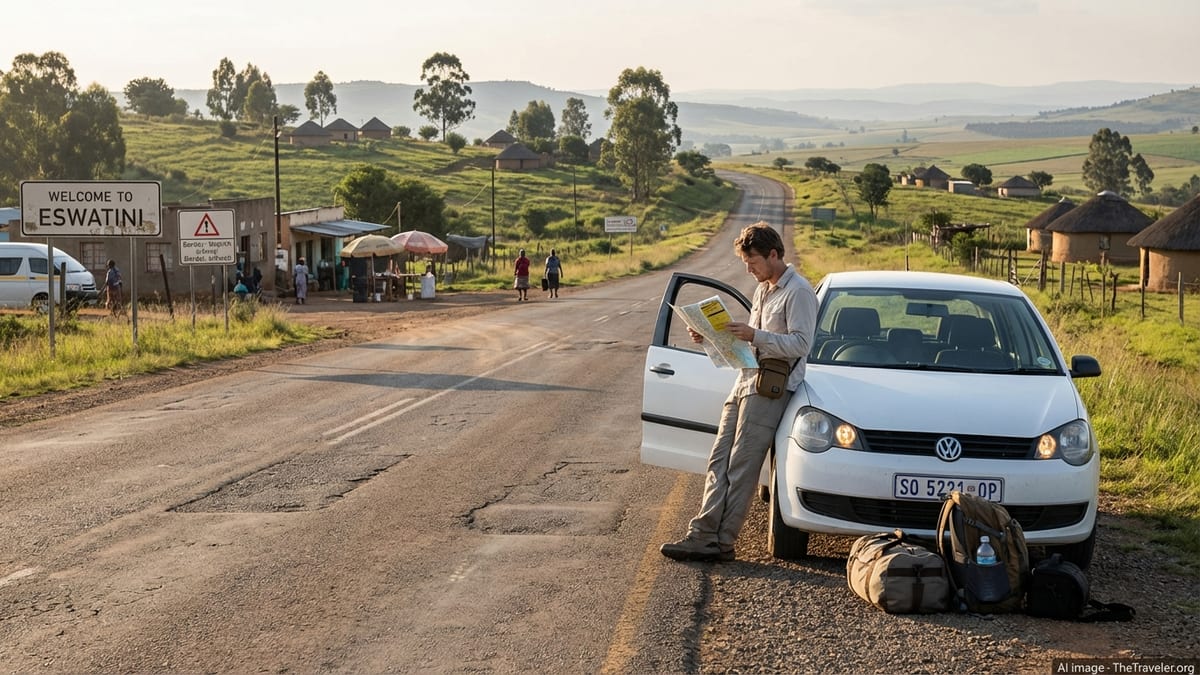
1. Entry Requirements, Visas and Border Logistics
Most visitors find getting into Eswatini relatively straightforward, especially if arriving from South Africa, which is how the vast majority of travelers enter. Still, there are important details around passports, visas and land borders that can affect your plans. Understanding these in advance will save you time at immigration counters and help you avoid unpleasant surprises mid-trip.
Short-Stay Visas and Passport Validity
Eswatini offers visa-free entry to many nationalities, including travelers from the United States, much of Europe and several Asian states, typically for stays of up to 30 days for tourism or business. If you plan a longer visit, or if you are traveling on a passport that is not visa-exempt, you may need to secure a visa in advance from an Eswatini embassy or high commission. Entry rules can change with little notice, so confirm with the nearest Eswatini diplomatic mission shortly before departure rather than relying on older information.
Your passport should be valid for at least six months beyond your intended date of departure from Eswatini, and you should have at least two blank pages available. This is especially crucial because most travelers pass through South Africa, whose border officials are strict about having two consecutive blank pages for entry and exit stamps. Travelers without sufficient pages have been turned back at the border, so check your passport well before you fly.
Land Borders, Airports and Transit via South Africa
Eswatini has no seacoast and only one international airport with limited direct connections. Most visitors arrive by road from South Africa, with a smaller number entering from Mozambique. Border posts are generally efficient, but queues can be long during holiday periods, and operating hours can vary, particularly at smaller crossings. If you are renting a car in South Africa, confirm that you are allowed to take it across the border and that the rental company issues the required cross-border letter and insurance documents.
Because South Africa remains the main gateway, you must also meet South African entry and transit requirements. These include documentation rules for minors, which can be strict and subject to change. Families traveling with children should verify what paperwork is currently required, such as birth certificates or parental consent letters for unaccompanied minors or those traveling with one parent. Build extra time into your itinerary around border crossings to allow for checks, queues and possible security stops on the roads leading to and from the frontier.
2. Health, Vaccinations and Travel Insurance
Eswatini’s compact size makes it relatively easy to combine nature, culture and small towns in a single trip, but medical infrastructure is limited compared to its larger neighbors. Travelers should approach health preparation seriously, not only in terms of vaccines and malaria prophylaxis but also travel insurance and personal safety habits. Planning ahead allows you to focus on the country’s natural beauty and lively markets rather than searching for pharmacies once you arrive.
Recommended Vaccines and Yellow Fever Rules
There is no routine vaccination required for travelers arriving directly from low-risk countries such as the United States or most of Europe. However, Eswatini requires proof of yellow fever vaccination if you are coming from, or have recently transited through, a country where yellow fever is considered a risk. If that applies to your itinerary, make sure you carry your yellow fever certificate; border officials can deny entry if you do not have the required documentation.
Health authorities and major travel-medicine sources advise ensuring that your standard immunizations are up to date, including measles-mumps-rubella, polio, tetanus-diphtheria-pertussis, and seasonal influenza. For many travelers, vaccines against hepatitis A and B and typhoid are also recommended, particularly if you will be staying in rural areas, eating street food, or spending extended time outside major hotels and lodges. If you plan high-risk activities or work with animals, ask your doctor about rabies pre-exposure vaccination well before departure.
Malaria, HIV and Other Health Considerations
Malaria risk in Eswatini is geographically limited, primarily affecting lower-lying eastern regions such as the lowveld and some areas near the Lubombo Mountains. If your itinerary includes wildlife reserves, rural communities or nature lodges in these zones, discuss malaria prophylaxis with a travel health specialist at least four to six weeks before departure. In addition to medication, standard mosquito-avoidance measures matter greatly: use repellent containing DEET or similar active ingredients, sleep under a net where provided, and wear long sleeves and trousers in the evening.
Eswatini has one of the highest adult HIV prevalence rates in the world, although public health efforts have made significant progress over the past decade. Transmission risks for travelers are similar to those anywhere else: practice safe sex, avoid nonessential medical procedures and ensure any tattoos or piercings are done in reputable establishments that follow strict sterilization protocols. Gastrointestinal issues can be minimized by careful hand hygiene, drinking safe water and taking a cautious approach to raw foods when you are unsure about cleanliness.
Why Comprehensive Travel Insurance Matters
Medical facilities within Eswatini are improving but remain basic in many parts of the country, especially outside the main towns. In the event of serious illness or injury, evacuation to South Africa may be required, which can be extremely expensive without insurance. Purchase a policy that covers emergency medical treatment, hospitalization and medical evacuation, and keep your policy number and emergency contact information accessible at all times.
Before travel, confirm whether your policy includes coverage for higher-risk activities you might undertake in Eswatini, such as hiking, horseback riding or wildlife viewing in open vehicles. Many standard policies exclude certain adventure sports unless you add a rider. Save digital and printed copies of your insurance certificate and store them separately from your passport so they are easy to retrieve in an emergency.
3. Money, Costs and Practical Budgeting
Eswatini can feel refreshingly affordable compared with many better-known African destinations, but prices vary widely between simple guesthouses and top-end safari lodges. Knowing how the local currency works and how to pay for everyday expenses will help you avoid confusion at tills and ensure you get the best value from your stay.
Understanding the Lilangeni and the South African Rand
The local currency is the lilangeni (plural emalangeni), often abbreviated as E or SZL. It is pegged at par to the South African rand, which functions as a parallel currency throughout the country. In practice, South African rand notes are accepted almost everywhere, and many prices are effectively interchangeable between the two currencies. This system is convenient if you are arriving from South Africa and already have rand in your wallet.
One important detail is that while you can freely spend rand in Eswatini, it may be difficult to exchange emalangeni back into other currencies once you leave the country. If you do withdraw or receive emalangeni, try to spend or convert them before your departure, especially if exiting via land border posts where currency facilities can be limited or subject to irregular hours.
Cards, Cash and Everyday Spending
Credit and debit cards, particularly Visa and Mastercard, are widely accepted in hotels, mid-range and higher-end restaurants, supermarkets and many shops in urban areas. However, smaller guesthouses, rural craft markets and some fuel stations may prefer or require cash. It is sensible to carry a modest amount of cash for tips, small purchases and situations where card terminals are offline due to power cuts or connectivity problems.
Most towns have ATMs that accept international cards, but do not rely on them as your only source of funds. Machines in smaller settlements can run out of cash, especially around major holidays or weekends. As in any country, be discreet when withdrawing money, and avoid using ATMs at night or in isolated locations. When paying with cards, keep them in your sight and use chip-and-PIN terminals where possible.
Typical Costs and Tipping Practices
Accommodation ranges from simple guesthouses and backpacker lodges to boutique hotels and upscale safari lodges. Mid-range travelers can expect reasonable rates compared with similar properties in more famous safari countries. Meals at local restaurants are generally good value, while imported drinks and specialty international dishes can be more expensive.
Tipping is appreciated but not compulsory. In restaurants, a gratuity of around 10 percent is common if service is not already included on the bill. Safari guides, trackers and lodge staff often rely on tips as a significant share of their income, and many lodges provide guidelines on typical amounts per guest per day. For porters, drivers and housekeeping staff, small cash tips in local currency are a simple way to show appreciation.
4. Safety, Security and Getting Around
Eswatini enjoys a reputation as one of the more peaceful and relaxed countries in southern Africa, with hospitable people and relatively low levels of serious violent crime against tourists. That said, it is still important to follow standard precautions, particularly in urban areas and on the roads. A measured, informed approach to safety and transport will go a long way toward keeping your trip smooth.
Crime, Protests and Common-Sense Precautions
Petty crime, such as pickpocketing, bag-snatching and theft from parked cars, can occur in towns and busy public places. Avoid leaving valuables visible in vehicles, even for short periods, and use your accommodation’s safe for passports and electronics whenever possible. At night, stick to well-lit, busier areas, and use reputable taxis or prearranged transport rather than walking long distances.
Eswatini has experienced periods of political tension and sporadic protests in recent years. While foreign visitors are rarely targeted, demonstrations can disrupt traffic and occasionally turn confrontational. Monitor local news, ask your accommodation for current advice, and avoid joining crowds or taking photographs in sensitive situations. If you encounter a police checkpoint or security operation, remain calm, follow instructions and keep documents easily accessible.
Road Conditions, Driving and Public Transport
Main roads between major towns and popular tourist areas are generally in fair condition and are often the most practical way to move around the country. Secondary roads, particularly in rural or mountainous regions, can be narrow, potholed or unpaved, especially after heavy rains. If you plan to self-drive, consider renting a vehicle with higher clearance and, for some routes, four-wheel drive.
Driving is on the left-hand side of the road, similar to South Africa and the United Kingdom. Local police and border officials may conduct routine checks of driver documents, vehicle registration and safety equipment. If you are a foreign driver, you will typically need both your national license and, in many cases, an International Driving Permit. Use seatbelts at all times, avoid driving after dark where possible due to livestock and pedestrians on unlit roads, and obey speed limits strictly around villages and schools.
Public transport primarily takes the form of minibus taxis and shared vehicles, which can be crowded and operate on flexible schedules. These are inexpensive and widely used by locals, but may feel confusing or uncomfortable for first-time visitors. For most travelers, prearranged transfers through lodges, reputable tour operators or private taxis will be more convenient and secure, especially when carrying luggage or photography equipment.
5. Culture, Etiquette and Local Laws
Part of Eswatini’s appeal lies in its deep-rooted traditions, royal ceremonies and close-knit communities where everyday life is shaped by both modern and customary practices. Visitors are generally welcomed with warmth, but cultural misunderstandings can occur when travelers are unfamiliar with local norms. Taking a little time to understand etiquette, dress expectations and legal sensitivities will help you build respectful connections.
Respect for the Monarchy and Customs
Eswatini is one of the world’s last remaining absolute monarchies, and the royal family occupies a central place in national life. Images of the king and royal insignia are widely displayed. Criticizing the monarchy or engaging in political discussions in public can be sensitive and may be poorly received, particularly in rural areas or at official events. When in doubt, it is better to listen and ask questions respectfully rather than offering strong opinions.
Many Swazi people observe traditional customs in their daily lives, and ceremonies such as the Umhlanga Reed Dance and Incwala have both cultural and spiritual significance. If you attend such events, follow the lead of local attendees, keep a respectful distance where instructed, and be especially careful when taking photographs. Some sacred sites or rituals may prohibit photography altogether, and in other situations, it is good manners to ask individuals before photographing them.
Dress Codes and Social Interaction
Dress in Eswatini is generally modest, especially outside major towns and tourist settings. For both men and women, clothing that covers shoulders and knees will be appropriate in most contexts, including visits to homesteads, community gatherings or religious services. In the highveld, temperatures can be surprisingly cool, particularly during winter evenings from May to August, so packing a fleece or sweater is advisable even if days are warm.
When greeting people, a friendly handshake and eye contact are customary, sometimes accompanied by a slight nod as a sign of respect for elders. Taking time to greet shopkeepers, lodge staff and community members before launching into requests is appreciated. If you are invited into a home, it is polite to remove your hat, and in more traditional households you may be asked to sit in a particular place that reflects age and gender hierarchies. Following your host’s guidance is the best approach.
LGBTQ+ Travelers and Sensitive Topics
Eswatini remains socially conservative on issues of sexual orientation and gender identity. Same-sex relationships are not legally recognized, and reports indicate that officials can be unsympathetic to travelers presenting themselves explicitly as a same-sex married couple at the border. Public displays of affection of any kind, whether same-sex or opposite-sex, are generally frowned upon, particularly in rural areas and around older generations.
LGBTQ+ visitors do travel through Eswatini, especially as part of broader regional trips, but they typically adopt a low profile, avoid overt displays of affection and keep discussions about sexuality to trusted spaces. If you belong to a marginalized group, consider connecting with regional or international organizations for up-to-date, community-sourced guidance before you go, and be aware that legal protections are limited.
6. Climate, Seasons and When to Visit
Eswatini’s varied topography, from cool highveld to hotter lowveld, creates a range of microclimates within a relatively small area. The time of year you choose for your trip can shape everything from what you pack to what wildlife you are likely to see. Planning around the seasons also allows you to align your visit with key cultural events and popular festivals.
Dry Season, Rainy Season and Regional Differences
The country experiences a broadly subtropical climate with a cooler dry season roughly from April to September and a warmer, wetter period from about October to March. In the highveld, including much of the capital region, winter nights can be chilly, while days remain sunny and pleasant. Pack layers so you can adjust as temperatures shift throughout the day.
In the lowveld and eastern regions, summers are hot and humid, with afternoon thunderstorms that can make dirt roads muddy and some wildlife viewing trickier. On the other hand, the rainy season brings lush green landscapes, birdlife in abundance and dramatic skies. If you plan extensive driving or hiking in more remote areas, factor in the possibility of weather-related disruptions, especially between November and February.
Best Times for Wildlife and Outdoor Activities
For classic wildlife viewing in reserves such as Mlilwane, Hlane and Mkhaya, many visitors prefer the late dry season, from around July through September, when vegetation is thinner and animals congregate near remaining water sources. Cooler temperatures during this period also make hiking, horseback riding and mountain biking more comfortable, particularly in the upland areas where trails can be steep.
Birders may enjoy both the green season, when migratory species are present, and shoulder months like October and March, when temperatures are warm without being at their peak. If you are highly sensitive to heat or traveling with small children, the shoulder seasons of April–May and late August–October often provide the best balance between comfort and visibility.
Cultural Festivals and Special Events
Eswatini’s cultural calendar is a major draw in its own right. The Umhlanga Reed Dance usually takes place in late August or early September and attracts thousands of Swazi maidens to the royal kraal, alongside visitors from across the region. The Incwala ceremony, often associated with the New Year and the first fruits of the harvest, typically occurs in the summer months and is one of the kingdom’s most sacred events.
In addition to traditional ceremonies, Eswatini also hosts contemporary festivals such as the popular Bushfire music and arts festival, which typically takes place around late May. Accommodation around major events can book out months in advance, and prices may rise, so plan early if your visit is timed to coincide with these gatherings. Always check the latest dates close to your travel time, as exact scheduling can vary from year to year.
7. Wildlife, Parks and Responsible Tourism
While Eswatini may not have the vast savannahs of some of its regional neighbors, it offers intimate wildlife encounters in smaller, well-managed reserves and a growing network of community tourism projects. Traveling responsibly supports conservation, benefits local communities and ensures that your presence has a positive impact on the places you visit.
Wildlife Viewing in Compact Reserves
Eswatini’s major reserves are relatively small compared with national parks in countries like South Africa or Botswana, which actually works to the advantage of many first-time visitors. Distances between attractions are manageable, and animals can be easier to spot in contained areas where habitat is varied. Expect opportunities to see antelope, zebras, giraffes and, in some reserves, larger species such as white rhinos under the guidance of trained rangers.
Even in the most relaxed environments, follow park rules strictly. Stay inside your vehicle unless at designated viewpoints or picnic sites, maintain a safe distance from wildlife and never attempt to feed animals. Keep noise levels low to avoid disturbing both the animals and other guests, and adhere to speed limits inside reserves to protect smaller creatures that may wander onto the tracks.
Community Projects and Cultural Experiences
Many lodges and tour operators in Eswatini work closely with nearby communities to offer guided village walks, homestay experiences, handicraft markets and cultural performances. Participating in these activities can provide meaningful insight into local life while generating income and employment beyond the tourism sector’s immediate footprint.
When visiting communities, ask permission before taking photographs of people or private homes, and consider buying locally produced crafts instead of mass-produced souvenirs imported from elsewhere. Paying a fair price for handmade items and experiences supports livelihoods more effectively than bargaining aggressively over small amounts.
Environmental Footprint and Water Use
Droughts and water shortages periodically affect parts of Eswatini, particularly during dry seasons and in low-lying regions. Conserve water by taking shorter showers, reusing towels where appropriate and avoiding unnecessary laundry services during short stays. Throwing away litter responsibly and minimizing single-use plastics are equally important, particularly when visiting natural sites and protected areas.
If you enjoy hiking or nature walks, stick to marked trails to prevent erosion and avoid trampling sensitive vegetation. Consider traveling with a reusable water bottle and, if your accommodation confirms the safety of tap water, refill from safe sources rather than relying on bottled water. At remote lodges, follow staff guidance on water and energy use, as many operate off-grid systems that are vulnerable to overuse.
8. Connectivity, Language and Staying in Touch
Eswatini blends traditional culture with modern infrastructure, but coverage and connectivity can vary sharply between urban centers and rural valleys. Knowing what to expect in terms of language, mobile networks and internet access will help you plan how to stay in touch with home and navigate within the country.
Languages and Communication
SiSwati is the national language of Eswatini and is spoken widely across the country. English is an official language and is used in government, business, education and most tourism settings. Visitors will generally find that staff in hotels, guesthouses, national parks and tour companies are comfortable communicating in English.
Learning a few basic phrases in SiSwati, such as greetings and simple thank-yous, is a small gesture that can go a long way. Locals often appreciate the effort, and it can help you build rapport in markets, homesteads and rural communities where English may be spoken less fluently. Carrying a small phrase sheet or saving a list on your phone can be surprisingly useful.
Mobile Coverage, SIM Cards and Internet Access
Mobile coverage is good in and around main towns and along major highways, but it can be patchy or nonexistent in remote valleys, mountainous areas and some wildlife reserves. If staying connected is important, consider purchasing a local SIM card on arrival, provided your phone is unlocked. Data packages are generally affordable, and local networks offer better reliability than international roaming in many areas.
Wi-Fi is common in mid-range and higher-end hotels, lodges and some cafés, though speeds can vary and outages are not uncommon, especially during storms or power cuts. In more remote eco-lodges or community stays, you may experience limited or no internet access, which can be an opportunity to disconnect and fully immerse yourself in your surroundings. Download offline maps and travel documents before you leave urban centers, and share your itinerary with family or friends so they know when you may be off-grid.
FAQ
Q1: Do I need a visa to visit Eswatini for tourism?
For many nationalities, including U.S. citizens and travelers from several European and Asian countries, a visa is not required for tourist stays of up to about 30 days, provided your passport is valid for at least six months beyond your planned departure and has sufficient blank pages. Always confirm the latest rules with an Eswatini embassy or high commission before travel, as visa policies can change.
Q2: Is Eswatini safe for solo travelers?
Eswatini is generally considered safe for visitors, including solo travelers, when standard precautions are taken. Petty crime can occur in towns and around transport hubs, so keep valuables secure, avoid walking alone late at night in unfamiliar areas and use reputable taxis or prearranged transfers. Staying informed about any local unrest and following the advice of your accommodation will further reduce risks.
Q3: What is the best time of year to visit Eswatini?
The cooler, drier months from about April to September are popular with travelers, particularly for wildlife viewing and outdoor activities. Late winter into early spring, roughly July through September, offers excellent game viewing conditions and comfortable temperatures. The warmer rainy season from October to March brings lush landscapes and good birding but also higher heat, humidity and occasional storm-related travel disruptions.
Q4: Do I need malaria tablets for Eswatini?
Malaria risk is limited primarily to certain low-lying eastern areas and near the Mozambican border. If your itinerary includes these regions or specific reserves in the lowveld, travel health authorities typically recommend discussing malaria prophylaxis with a doctor. Even if you take medication, you should still use mosquito repellent, wear long clothing in the evening and sleep under nets where available.
Q5: Can I use South African rand in Eswatini?
Yes. The local currency, the lilangeni, is pegged to the South African rand, and rand notes are widely accepted throughout Eswatini. Many prices are effectively interchangeable between the two currencies. However, emalangeni can be difficult to exchange outside the country, so try to spend or convert any remaining local currency before you depart.
Q6: Is tap water safe to drink in Eswatini?
Tap water quality varies by location. In some urban areas and established lodges it may be considered safe, while in others it is advisable to stick to treated or bottled water. Ask your hotel or lodge for specific advice, and if in doubt, use boiled, filtered or sealed bottled water for drinking and brushing teeth. Good hand hygiene is important to reduce the risk of stomach upsets.
Q7: How do I get around once I am in Eswatini?
Most travelers get around by rental car, private transfer or organized tours. Main roads between towns and tourist areas are generally in reasonable condition, though secondary roads can be rough, especially after heavy rains. Public minibus taxis are common and inexpensive but can be crowded and confusing for visitors. If you plan to drive yourself, remember that driving is on the left, carry the required licenses and avoid night driving where possible.
Q8: What should I wear, and are there any dress restrictions?
There are no formal dress restrictions for visitors, but modest, practical clothing is recommended, especially in rural areas and at cultural or religious sites. Lightweight layers work well, with a warm jacket or sweater for cooler evenings in the highlands. For safaris, neutral-colored clothing is preferable. Swimwear is appropriate at pools and some resort settings, but more covering attire is better in towns and villages.
Q9: Are there any cultural or legal issues I should be aware of?
Respect for the monarchy and traditional customs is important in Eswatini, and public criticism of the royal family or political institutions may be sensitive. Same-sex relationships lack legal recognition, and attitudes toward LGBTQ+ issues are conservative, so discretion is advised. Avoid photographing government buildings, security forces or sensitive sites without permission, and always show respect at cultural ceremonies and sacred places.
Q10: Is travel insurance necessary for a trip to Eswatini?
Comprehensive travel insurance that includes emergency medical treatment and evacuation is strongly recommended. Medical facilities in Eswatini are limited, and serious conditions may require transfer to South Africa, which can be very expensive without insurance. Ensure that your policy also covers any adventure activities you plan to undertake and keep your policy details and emergency contacts easily accessible throughout your trip.