

Italy is a country of superlatives, home to more UNESCO World Heritage Sites than any other nation, and a landscape that ranges from snow capped Alps to sun drenched Mediterranean coves. Whether you are planning a once in a lifetime grand tour or your very first visit, a handful of destinations capture the essence of the country particularly well. From cities layered with millennia of history to slow travel coastal villages and high mountain valleys, these ten must see places in Italy offer a balanced introduction to the country’s culture, scenery and food.
Rome: Ancient Wonders and Everyday Life
Rome is both an open air museum and a living, breathing capital where scooters weave past ancient temples and locals linger over espresso in sunlit piazzas. At its heart is the historic center, a UNESCO listed maze of cobblestone streets where you can stroll from the Colosseum and Roman Forum to the Pantheon and baroque fountains in a single afternoon. The layers of history are visible at every turn, from imperial ruins to Renaissance palaces and churches filled with masterpieces.
First time visitors should plan time not only for headline sights but also for quieter corners that reveal how Romans live today. Neighborhoods such as Trastevere, Testaccio and Monti are ideal for evening walks, when the glow from trattoria windows and the smell of baking pizza bianca spill into the streets. Outdoor café tables fill with families, students and office workers, and the city feels less like a monumental backdrop and more like a place you could imagine staying.
Rome rewards a slower pace. Early morning visits to major sites can dramatically reduce crowding, while evenings are perfect for wandering along the Tiber or people watching on the Spanish Steps. Public transport and walking make it relatively simple to explore, and many travelers now pair central sightseeing with time in suburban parks and lesser known archaeological sites to experience a broader slice of the city.
Culinary traditions in Rome emphasize simplicity and strong flavors. Dishes such as cacio e pepe, amatriciana and carbonara are rooted in local ingredients like pecorino cheese and cured pork. Exploring neighborhood markets, from Campo de’ Fiori to Testaccio, provides a direct glimpse into the rhythms of everyday life and the importance of seasonal produce in Roman cooking.
Florence and Tuscany: Renaissance Art and Rolling Hills
Florence, the compact capital of Tuscany, is the cradle of the Renaissance and one of Europe’s most concentrated centers of art. Dominated by the red tiled dome of the cathedral, the historic core is dense with museums, churches and palaces that house works by Michelangelo, Botticelli and Leonardo da Vinci. Standing before the Duomo’s intricate façade or crossing the Ponte Vecchio at sunset, it is easy to understand why Florence has inspired travelers and artists for centuries.
Beyond the galleries, Florence is a city best appreciated at ground level, with time for slow walks and café stops. Climbing to viewpoints such as Piazzale Michelangelo rewards visitors with wide panoramas over terracotta rooftops and the Arno River. In recent years, the city has been working to better manage visitor flows, encouraging longer stays and museum reservations to ease crowding at iconic sites.
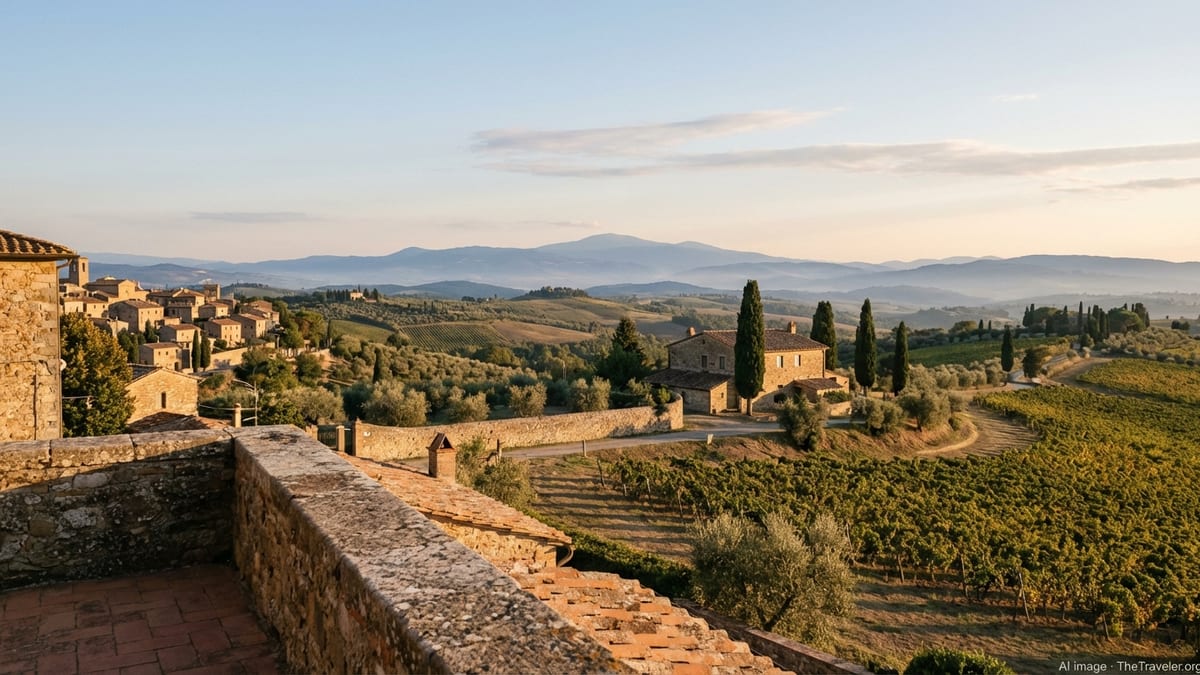
Just beyond the city limits, the Tuscan countryside offers a very different kind of beauty. Vine covered hills, cypress lined lanes and stone farmhouses define regions such as Chianti, Val d’Orcia and the Crete Senesi. Medieval hill towns including Siena, San Gimignano and Montepulciano provide atmospheric bases for exploring local wineries, olive groves and artisan workshops that have persisted for generations.
Travelers are increasingly combining Florence’s urban culture with rural stays in agriturismi, where working farms welcome guests. This style of travel highlights the region’s agricultural roots and gives visitors a direct connection to the food on their plates, from robust red wines to ribollita vegetable soup and simple grilled meats drizzled with local olive oil.
Venice: A Floating City Like No Other
Venice is one of the world’s most distinctive cities, a place built on water where canals take the place of streets and ornate palaces rise directly from the lagoon. Arriving by boat along the Grand Canal, with its procession of Gothic, Renaissance and baroque façades, feels like stepping into a painting. Landmark sites such as St Mark’s Basilica, the Doge’s Palace and the Rialto Bridge are deservedly famous, but the real magic of Venice often lies in its quieter quarters.
To experience Venice at its best, timing and tempo matter. Early mornings and late evenings bring softer light, fewer crowds and a more intimate atmosphere in districts such as Dorsoduro, Cannaregio and Castello. Getting deliberately lost in back alleys, pausing on small bridges to watch everyday traffic of work boats and delivery barges, can be more rewarding than checking off a list of monuments.
In recent years, Venice has become an emblem of both overtourism and resilience. City authorities have introduced measures aimed at protecting its fragile fabric, including encouraging longer stays, spreading visitors across more neighborhoods and promoting visits outside the busiest summer months. Travelers who choose shoulder seasons and explore less visited islands in the lagoon, such as Burano and Torcello, contribute to a more sustainable pattern of tourism.
Venetian cuisine reflects centuries of maritime trade and lagoon life. Menus emphasize seafood, seasonal vegetables from nearby islands and specialties like cicchetti, small plates served in traditional wine bars. Sampling these informal bites alongside residents turns an evening into both a meal and a cultural lesson, revealing how Venetians socialize and unwind.
Amalfi Coast: Dramatic Cliffs and Mediterranean Light
Few stretches of coastline are as instantly recognizable as the Amalfi Coast in southern Italy. Here, pastel villages cling to cliffs that plunge into intensely blue water, linked by a sinuous coastal road and boat routes. Towns such as Positano, Amalfi and Ravello each offer their own character, from vertical lanes striped with bougainvillea to quiet gardens and historic cathedrals with sweeping sea views.
The appeal of the Amalfi Coast goes beyond postcard ready scenery. The region has a long tradition of lemon cultivation, visible in terraced groves that climb the hillsides. Local cuisine makes generous use of these citrus fruits in everything from simple salads and seafood pastas to the region’s signature limoncello. Fresh fish, handmade pasta and pastries filled with ricotta or citrus cream round out the culinary picture.
Because of its dramatic setting and limited space, the Amalfi Coast attracts intense demand during summer. Travelers who visit in late spring or early autumn often find milder temperatures, more manageable crowds and easier movement along narrow roads and walking paths. Exploring by ferry where possible reduces traffic pressure and gives a different perspective on the villages, with vivid views of their stacked houses and terraced gardens from the water.
For many visitors, the Amalfi Coast is best experienced at a slow pace, with time for swims in small coves, walks along panoramic trails and unhurried evenings on terraces where the sea darkens from cobalt to inky blue. Day trips to nearby Capri or to less frequented spots further along the Sorrentine Peninsula can add variety, but the real luxury here is simply the chance to linger.
Cinque Terre: Five Villages on the Edge of the Sea
On the Ligurian coast northwest of Pisa, the Cinque Terre comprises five small villages perched above the Mediterranean, linked by hiking paths, railway and boat. Monterosso al Mare, Vernazza, Corniglia, Manarola and Riomaggiore share characteristics of pastel colored houses and sea views, yet each has its own personality. Together, they form a national park and a UNESCO listed cultural landscape that combines terraced vineyards, stone walls and steep cliffs.
Walking between the villages is one of the great coastal hikes in Europe, with trails ranging from easy seaside strolls to more strenuous paths that climb above the towns. These routes reveal a patchwork of vineyards and olive groves carved into slopes over centuries, underscoring how closely local life has been tied to the land. In recent years, authorities have invested in maintaining these terraces and managing access to protect against erosion and overcrowding.
Cinque Terre’s small size makes it particularly sensitive to visitor numbers, especially in peak season. Staying overnight rather than visiting on a quick day trip can help spread activity across the day and support local businesses that depend on longer stays. Early morning swims, evening aperitivo overlooking the harbors and quiet walks after dinner often become the most memorable moments, long after the last excursion boats have left.
Food here leans heavily on the sea and on Ligurian staples such as pesto, anchovies and focaccia. Sampling these dishes in simple harbor side eateries, with fishing boats bobbing just beyond, offers a direct connection to the region’s maritime traditions. For many travelers, Cinque Terre encapsulates a dream of Italian coastal life in a particularly compact form.
Dolomites: Italy’s Alpine Playground
The Dolomites, a spectacular mountain range in northern Italy, showcase a very different side of the country. Jagged limestone peaks, lush valleys and mirror like lakes create a landscape that feels both dramatic and welcoming. Recognized as a UNESCO World Heritage Site for their distinctive geology and beauty, the Dolomite mountains are a year round destination for outdoor enthusiasts, from skiers and climbers to hikers and photographers.
In winter, the region offers extensive ski areas connected by lifts and runs that cross multiple valleys. Villages such as Cortina d’Ampezzo, Corvara and Ortisei serve as bases, combining Alpine chalet architecture with Italian flair. When the snow melts, wildflower meadows replace ski slopes, and a vast network of trails makes it possible to explore everything from gentle valley walks to challenging routes beneath famous peaks like the Tre Cime di Lavaredo.
The Dolomites are also at the forefront of evolving mountain tourism in Italy, with increasing emphasis on sustainable practices. Many accommodations highlight energy efficient design, local building materials and regional ingredients in their kitchens. Traditional mountain huts, known as rifugi, give hikers a chance to stay directly on the trails, sharing simple meals and sunset views as the rock faces take on a soft pink hue at day’s end.
Culturally, this is a crossroads region where Italian, Ladin and German speaking communities meet. Menus, signage and festivals reflect this blend, creating a distinctive atmosphere compared with other parts of the country. For travelers who want to pair Italy’s food culture with high alpine landscapes, the Dolomites are an essential stop.
Lake Como: Villas, Villages and Reflections
North of Milan, Lake Como is one of Italy’s most storied lakes, framed by steep green mountains and dotted with elegant villas and stone villages. Its distinctive Y shape creates several branches, each with its own character, but the central area around Bellagio, Varenna and Menaggio is particularly popular with visitors. Ferries link the lakeside communities, and much of the pleasure here comes from simply moving slowly between them by boat.
The combination of deep water, dramatic topography and historic architecture gives Lake Como a theatrical quality. Grand villas with landscaped gardens descend to the shore, many of them once the retreats of aristocratic families and now open to the public or converted into hotels. At the same time, smaller villages retain a quieter rhythm, with narrow lanes, stone churches and family run cafés where life still revolves around the daily ferry schedule.
Lake Como’s climate is milder than the surrounding lowlands, supporting lush vegetation that includes palm trees, camellias and olive groves. Spring and early autumn are particularly pleasant, with comfortable temperatures and fewer visitors than the peak summer period. Hiking paths climb into the hills above the water, rewarding walkers with sweeping views and a sense of how the lake fits into the broader Alpine foothills.
Culinary traditions around the lake combine freshwater fish, mountain cheeses and cured meats with influences from nearby Lombardy and Switzerland. Long lunches on terraces overlooking the water, followed by unhurried ferry rides back to your base, capture the unpressured charm that has drawn travelers to Lake Como for generations.
Sicily: Island of Contrasts
Sicily, the largest island in the Mediterranean, brings together ancient history, volcanic landscapes and a distinct culture shaped by centuries of contact with Greece, North Africa and mainland Italy. Archaeological sites such as the Valley of the Temples near Agrigento, the well preserved mosaics of Piazza Armerina and Greek theaters in cities like Syracuse and Taormina testify to the island’s long, layered past. Many of these sites sit in striking natural settings, where sea, cliffs and cultivated fields form a vivid backdrop.
The island’s interior and coastline offer varied scenery, from rolling hills draped in vineyards and olive groves to sandy beaches and rocky coves. Mount Etna, one of Europe’s most active volcanoes, dominates the eastern skyline and creates a fertile ring of agricultural land around its slopes. Guided excursions allow visitors to experience the volcanic terrain safely, while nearby towns benefit from rich soils that support citrus orchards, vineyards and vegetable farms.
Sicilian cities reveal different facets of the island’s identity. Palermo, the regional capital, mixes baroque churches, lively markets and multicultural street food. Catania balances baroque architecture with a youthful energy, while smaller towns like Modica, Ragusa Ibla and Noto showcase ornate stone buildings that glow honey colored at sunset. Coastal centers such as Taormina combine historic theaters with sweeping views over bays and the distant cone of Etna.
Sicilian cuisine is one of Italy’s most distinctive, with dishes that highlight local almonds, pistachios, swordfish, sardines and sun ripened tomatoes. Street foods such as arancini and panelle coexist with refined pastries and granita, a semi frozen dessert often enjoyed at breakfast. Eating here offers a clear sense of place, reflecting the island’s position at the crossroads of Mediterranean cultures.
Naples and Pompeii: Urban Energy and Buried History
Naples, set beside a sweeping bay with views toward Mount Vesuvius, is a city of intense character and emotion. It is famous worldwide as the home of classic Neapolitan pizza, but its appeal runs much deeper. The historic center, a UNESCO listed area of narrow streets and layered architecture, is dense with churches, small workshops and family run bakeries. Laundry hangs from balconies, scooters thread through alleys, and everyday life unfolds in a way that feels unfiltered.
For travelers interested in archaeology and history, Naples is an ideal base for visiting the Roman sites of Pompeii and Herculaneum. These towns were buried by the eruption of Vesuvius in the first century, preserving buildings, frescoes and even traces of daily routines with remarkable clarity. Walking through their streets offers a rare, almost immersive sense of ancient life, from taverns and bathhouses to private villas decorated with detailed murals.
Back in Naples, museums such as the National Archaeological Museum house many artifacts from the excavations, providing important context for what visitors see among the ruins. The city’s underground spaces, including catacombs and old aqueducts, add another dimension to its history, showing how Neapolitans have used and adapted the ground beneath their feet over centuries.
Culinary experiences are a highlight here. In addition to pizza baked in wood fired ovens, Naples is known for pastries such as sfogliatelle and rum soaked babà, as well as seafood cooked simply with lemon, olive oil and herbs. Eating in local pizzerias and trattorias often becomes as memorable as visiting formal attractions, partly because of the warmth and expressiveness of the people who run them.
The Takeaway
Choosing just ten must see places in Italy is an exercise in delightful compromise. The country offers far more than any single itinerary can cover, yet the destinations outlined here provide a strong foundation for understanding its diversity. Together, they represent the contrast between ancient cities and young mountain ranges, celebrated museums and humble market stalls, sophisticated villas and simple fishing harbors.
For a first or second visit, combining a major city such as Rome or Florence with a coastal area, a lake or mountain region and perhaps an island like Sicily creates a satisfying mix of experiences. Traveling outside the most intense summer weeks, staying a little longer in each place and seeking out local neighborhoods beyond the obvious landmarks can make a significant difference in how a trip feels.
Italy continues to adapt to growing interest from around the world, with many regions placing greater emphasis on sustainability, heritage protection and support for small scale producers. As a traveler, choosing slower, more thoughtful ways of moving through these landscapes not only enriches your own experience but also helps ensure that Italy’s treasures remain vibrant for future generations.
FAQ
Q1. How many days do I need to see these 10 must see places in Italy?
Covering all ten destinations in a single trip would typically require at least three to four weeks, especially if you want time to explore without feeling rushed. Many travelers instead focus on three or four places over 10 to 14 days and plan to return to Italy in the future.
Q2. What is the best time of year to visit Italy?
Late spring and early autumn are often ideal, with generally mild temperatures and fewer peak season crowds. April, May, late September and October tend to work well for many regions, though mountain and coastal areas have their own specific patterns.
Q3. Is it easy to travel between these destinations by train?
Italy’s main cities and several of the highlighted regions are well connected by rail, particularly the corridor linking Rome, Florence, Venice and Milan. For coastal areas such as the Amalfi Coast or rural parts of Tuscany, you may need to combine trains with buses, ferries or private transfers.
Q4. Do I need to rent a car to visit Tuscany, the Dolomites or Lake Como?
A rental car can provide extra flexibility in countryside and mountain areas, especially for reaching small villages and trailheads. However, it is possible to visit many parts of Tuscany, the Dolomites and Lake Como using a mix of trains, regional buses and local drivers, particularly if you base yourself in a well connected town.
Q5. How can I avoid crowds at popular sites like the Colosseum or Cinque Terre?
Booking timed entry tickets, visiting early in the morning or later in the day, and traveling outside the busiest summer months all help reduce crowd pressure. Staying overnight in smaller destinations, rather than visiting only on day trips from cruise ports or major cities, also creates a calmer experience.
Q6. Are these destinations suitable for families with children?
Yes, many of these places work well for families, particularly if you balance museum visits or city walks with outdoor time at the beach, lakes or mountains. Planning in regular breaks, choosing central accommodation and allowing children to set the pace during parts of the day can make the trip more enjoyable for everyone.
Q7. How expensive is it to travel in Italy compared with other European countries?
Costs in Italy vary widely between regions and seasons. Major tourist centers and peak summer dates are generally more expensive, while traveling in shoulder seasons, eating in neighborhood trattorias and staying in family run guesthouses can keep budgets more moderate compared with some northern European capitals.
Q8. Is it necessary to speak Italian to visit these places?
In popular destinations, many people working in hospitality, transport and major attractions speak at least some English. Learning a few basic Italian phrases for greetings, polite requests and thanks is still very helpful and often appreciated, especially in smaller towns.
Q9. How far in advance should I book accommodation and key attractions?
For peak periods, especially in summer or during major holidays and events, it is wise to book several months in advance for popular areas like the Amalfi Coast, Cinque Terre and major cities. Tickets for headline attractions and museums in Rome, Florence and Venice also benefit from advance reservations to secure preferred times.
Q10. Can I visit several of these destinations on a first trip, or should I focus on one region?
Many first time visitors combine two or three regions, such as Rome and Florence with either the Amalfi Coast, Cinque Terre or Lake Como, over 10 to 12 days. Focusing on fewer bases and taking day trips from each often results in a more relaxed and memorable experience than trying to see the entire country at once.