

More news on this day
The disappearance of an American Airlines flight attendant during a layover in Colombia has sparked growing concern among travelers and aviation workers, as reports suggest he may have been targeted in a suspected “devil’s breath” robbery scheme in Medellín.
Get the latest news straight to your inbox!
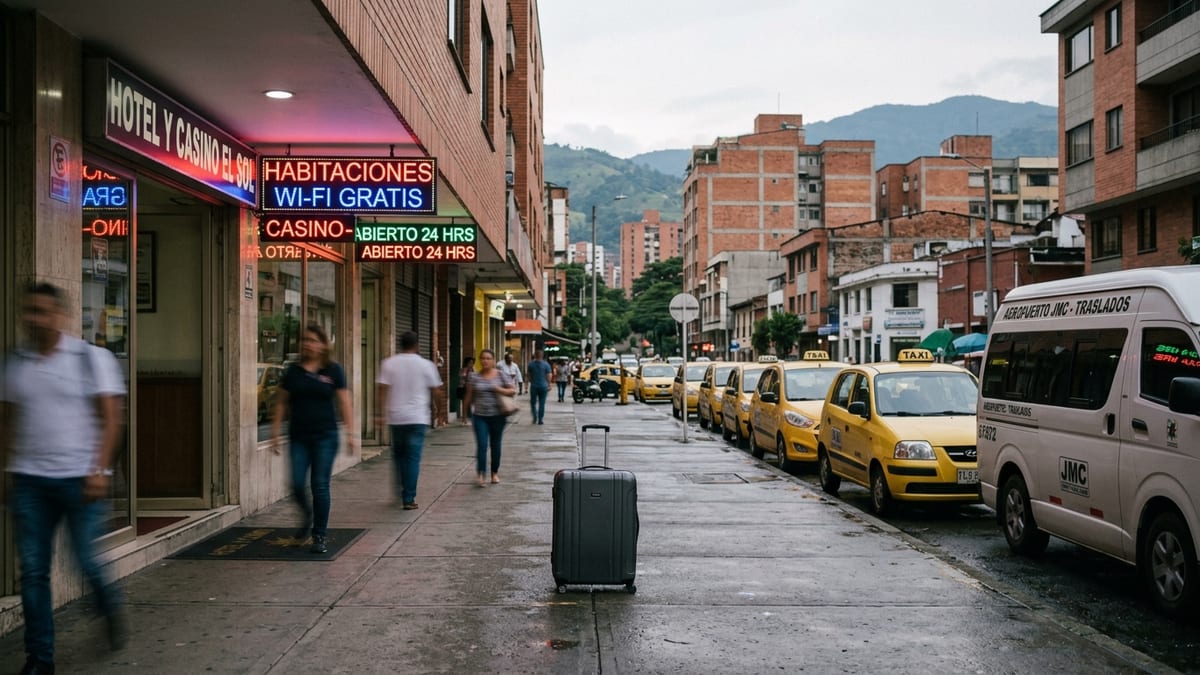
A baffling disappearance on a Medellín layover
Publicly available reports indicate the flight attendant vanished earlier this week after arriving in Medellín on a scheduled American Airlines layover. Coverage shared by aviation and travel outlets describes the crew member leaving the hotel area during downtime and failing to return for his next duty assignment. Colleagues are reported to have raised the alarm when he did not appear for pickup, prompting a search by local responders.
Media summaries circulating in airline and flight attendant communities describe a confusing sequence of events, including the discovery of the crew member’s phone away from his hotel. Family members have used social media to appeal for information, highlighting their desperation for clarity about his movements in the hours before he disappeared.
While specifics continue to emerge, the incident has quickly become a focal point of discussion among airline workers, who frequently overnight in major Colombian cities as part of their regular schedules. Many describe Medellín as a vibrant and increasingly popular stop for both crews and leisure travelers, making the sudden disappearance particularly unsettling.
Focus on alleged use of “devil’s breath”
Commentary in travel forums and aviation circles reflects a growing belief that the flight attendant may have fallen victim to criminals using scopolamine, a drug often sensationally dubbed “devil’s breath.” In Colombia, the substance has long been associated in public discussion with robberies and abductions, where victims are reportedly rendered disoriented, compliant, and unable to recall events.
Local press and international coverage over the years have documented cases in which tourists and nightlife patrons report being drugged after accepting a drink or engaging with strangers in bars, nightclubs, or casinos. In some accounts circulating around this case, observers have pointed to images allegedly showing the missing crew member in a gaming venue before his disappearance, fueling speculation that he was deliberately targeted.
Health authorities and security experts have previously cautioned that many stories surrounding scopolamine may blend fact and urban legend. However, the pattern of tourists being found disoriented or robbed after a night out has become a recurrent concern in major Colombian cities, and the flight attendant’s disappearance is now being discussed within that broader context.
Travel safety in Colombia under renewed scrutiny
The case is unfolding against a backdrop of booming tourism in Colombia, with cities such as Medellín, Bogotá, and Cartagena drawing growing numbers of North American and European visitors. Travel advisories from the United States and other countries typically highlight both Colombia’s cultural appeal and its ongoing security challenges, particularly around petty crime, targeted theft, and nightlife-related incidents.
Recent travel reporting has noted an increase in complaints from visitors who say they were lured via dating apps, approached in bars, or offered drinks by strangers, later waking up with missing belongings and little memory of what occurred. These accounts are often linked informally to scopolamine and similar substances, even when there is no laboratory confirmation.
The disappearance of a uniformed airline crew member, someone presumed to be more experienced with international layovers, has intensified unease among frequent flyers. Cabin crew often share informal safety guidance, advising colleagues to travel in groups at night, limit alcohol consumption on layovers, and avoid leaving drinks or personal items unattended. This latest case is now being cited in those peer-to-peer conversations as an example of the risks that can persist even in popular districts.
Impact on airline crews and traveler confidence
Within the airline community, news of the missing flight attendant has resonated strongly. Flight attendants routinely spend nights away from home in unfamiliar cities, and many rely on a combination of company protocols and personal precautions to stay safe. Reports of the Medellín disappearance have prompted crew members to reexamine their own habits, from how far they venture from layover hotels to whether they share real-time location information with colleagues or family.
American Airlines, like other major carriers, generally coordinates layover hotels, local transport, and scheduling to reduce risk, but individual free time remains at the discretion of each crew member. Publicly available information about this case underscores that even experienced travelers can be vulnerable to opportunistic crime, especially when traveling alone.
For passengers, the story adds a troubling dimension to perceptions of safety in Colombia. Many travelers already approach nightlife districts with caution, but the suggestion that a professional crew member may have been targeted reinforces calls for heightened vigilance, particularly around social venues, cash handling, and rideshare or taxi use late at night.
Calls for clearer guidance and safer nightlife
As details continue to emerge, the case has renewed debate over how airlines, hotels, and local tourism agencies communicate risk to foreign visitors. Some travel advocates argue that stronger, more practical safety messaging is needed, especially in cities where reports of drug-assisted robbery have surfaced repeatedly. That includes clearer warnings about accepting drinks from strangers, arranging transportation through verified providers, and staying aware of surroundings when using mobile devices or carrying valuables.
Colombia’s tourism sector has invested heavily in promoting the country as a dynamic, modern destination, emphasizing new restaurants, hotels, and cultural attractions. At the same time, residents and civic organizations in cities like Medellín have campaigned for safer nightlife corridors and more visible security in entertainment zones popular with visitors.
The disappearance of the American Airlines flight attendant, and the fears that “devil’s breath” or similar tactics may have been involved, is now feeding into these broader conversations. Until there is definitive clarity about what happened, the case is likely to remain a sobering reference point in travel-safety discussions for airline crews and international visitors considering Colombia’s otherwise increasingly popular urban getaways.