

More news on this day
Shanghai is stepping into the global spotlight of cruise tourism as Adora Cruises transforms the city’s Wusongkou International Cruise Terminal into a month-long spectacle designed to showcase the thrills, culture and convenience of modern cruise travel.
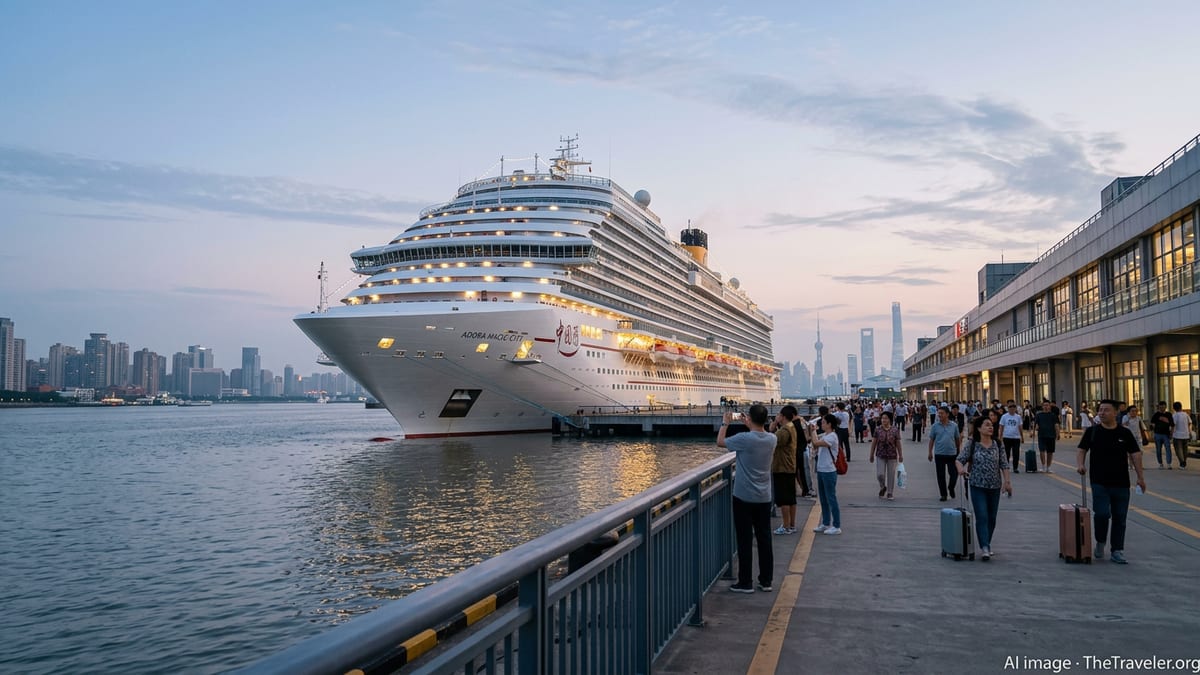
Shanghai Stages a Live Showcase of Cruise Culture
Adora Cruises has launched its 2026 Cruise Carnival as an ambitious livestream-driven campaign running from March 5 to March 31, turning Shanghai into a real-time stage for cruise experiences. Centered on the Wusongkou International Cruise Terminal, the event blends digital storytelling with on-the-ground activities to draw in first-time cruisers and seasoned travelers alike. Viewers across China can watch, interact and virtually “step aboard” without leaving home, while the terminal itself buzzes with sailings and passenger traffic.
The initiative comes as Shanghai consolidates its role as China’s primary cruise hub, with Adora Magic City, the country’s first domestically built large cruise ship, using the city as its main home port. The Cruise Carnival is designed to capitalize on that momentum by demystifying cruise travel, highlighting onboard life and showing how easily a voyage from Shanghai can connect passengers with regional destinations.
For city authorities and tourism planners, the event is also a testbed for how large-scale digital promotions can stimulate real-world bookings. By folding livestreams, themed programming and behind-the-scenes footage into one campaign, the spectacle positions Shanghai not only as a place to embark, but as a global reference point for cruise innovation.
Adora Magic City Takes Center Stage
At the heart of the Shanghai spectacle is Adora Magic City, the flagship of Adora Cruises and a powerful symbol of China’s shipbuilding and tourism ambitions. Since its commercial debut in early 2024, the vessel has become a familiar sight at Wusongkou, logging dozens of voyages and carrying hundreds of thousands of passengers on routes across Northeast Asia.
During the Cruise Carnival period, Adora Magic City is being showcased as a floating microcosm of contemporary cruise life. Livestream segments and promotional content focus on its public spaces, restaurants, theaters and family-friendly attractions, giving potential guests an unfiltered look at what they can expect once on board. Producers are placing particular emphasis on how the ship integrates Chinese cultural elements with international cruise standards, from entertainment themes to culinary offerings.
The ship’s very name, echoing Shanghai’s nickname as a “magic city,” reinforces its role as an ambassador for the city. As itineraries shift away from Japan in early 2026 and toward South Korea and Southeast Asia, the Shanghai spectacle presents Adora Magic City as both a technological achievement and a flexible platform for discovering the wider region.
Livestream Spectacle Aims to Convert Viewers Into Travelers
The 2026 Cruise Carnival is structured as a month-long livestream festival, with daily programming that spotlights different aspects of cruise life. Segments feature onboard entertainment, fine dining experiences, kids’ clubs, spa and wellness areas, and shore excursions, packaged in a format tailored to social media and e-commerce platforms popular with Chinese consumers.
Interactivity is central to the spectacle. Viewers can submit questions in real time to crew members and travel hosts, vote on which venue should be toured next, and watch live demonstrations of activities ranging from cooking classes to themed performances. Exclusive booking incentives and limited-time offers are woven into the broadcasts, encouraging viewers to turn curiosity into concrete reservations for upcoming sailings from Shanghai.
The campaign is as much about education as promotion. Many Chinese travelers remain unfamiliar with how cruising works, what is included in the fare, and how a cruise compares with more traditional land-based holidays. By breaking down practical details and showing candid scenes from life at sea, Adora Cruises and Shanghai officials hope to lower entry barriers and build long-term confidence in cruise travel as a mainstream vacation choice.
Shanghai’s Cruise Hub Expands Its Regional Reach
The Shanghai spectacle is unfolding against a backdrop of rapid expansion in the city’s cruise operations. Wusongkou International Cruise Terminal has seen record passenger throughput since China’s post-pandemic reopening, with multiple international vessels now homeported in Shanghai and a growing roster of themed voyages designed for the Chinese market.
Adora Cruises has been adapting its deployment to shifting regional dynamics, dropping Japan-bound itineraries for the first quarter of 2026 and reallocating capacity to ports in South Korea and Southeast Asia. From Shanghai, Adora Magic City is focusing on routes to destinations such as Jeju and Busan, while its sister ship Adora Mediterranea, homeported further south, targets Vietnam and beyond. The Cruise Carnival presentations highlight these new patterns, emphasizing variety and cultural depth despite changes to traditional Northeast Asia circuits.
For Shanghai, this pivot underlines its strategic role as a launch pad for wider Asia-Pacific exploration. The city’s cruise planners see the spectacle as a way to reassure travelers that itineraries remain rich in experiences, even as geopolitical considerations reshape port calls. Visual segments from shore excursions, cultural performances and local markets in alternative destinations are being woven into the livestream narrative to keep the sense of adventure front and center.
China’s Homegrown Cruise Industry Steps Into the Spotlight
Adora Cruises’ Shanghai showcase also reflects a deeper structural shift in the global cruise industry, as China accelerates development of its own large-scale vessels. Adora Magic City was the country’s first domestically built cruise ship, and construction of its sister ship, Adora Flora City, is advancing toward an expected delivery in late 2026.
Through the Cruise Carnival, Adora and Shanghai’s shipbuilding stakeholders are keen to signal that these vessels are more than transport platforms. They are presented as hubs for Chinese design, technology and cultural expression, from localized entertainment concepts to retail partnerships with domestic brands. The spectacle draws attention to the growing share of Chinese-made components and the efficiency gains at local shipyards, positioning cruise shipbuilding as a high-tech pillar of Shanghai’s maritime economy.
Industry analysts see the Shanghai event as a preview of how future homegrown cruise ships will be marketed, leveraging livestreams and immersive media to build anticipation long before new vessels enter service. As global passenger numbers climb and cruise lines worldwide compete for attention, Shanghai’s high-profile experiment with Adora Cruises may offer a template for how ports and operators can turn their infrastructure and fleets into spectacles in their own right.