

More news on this day
Adora Cruises is rolling out a new season of cinema-themed voyages linking Shanghai with Jeju Island and Fukuoka, betting that film culture at sea can help power the next phase of China’s outbound tourism recovery.
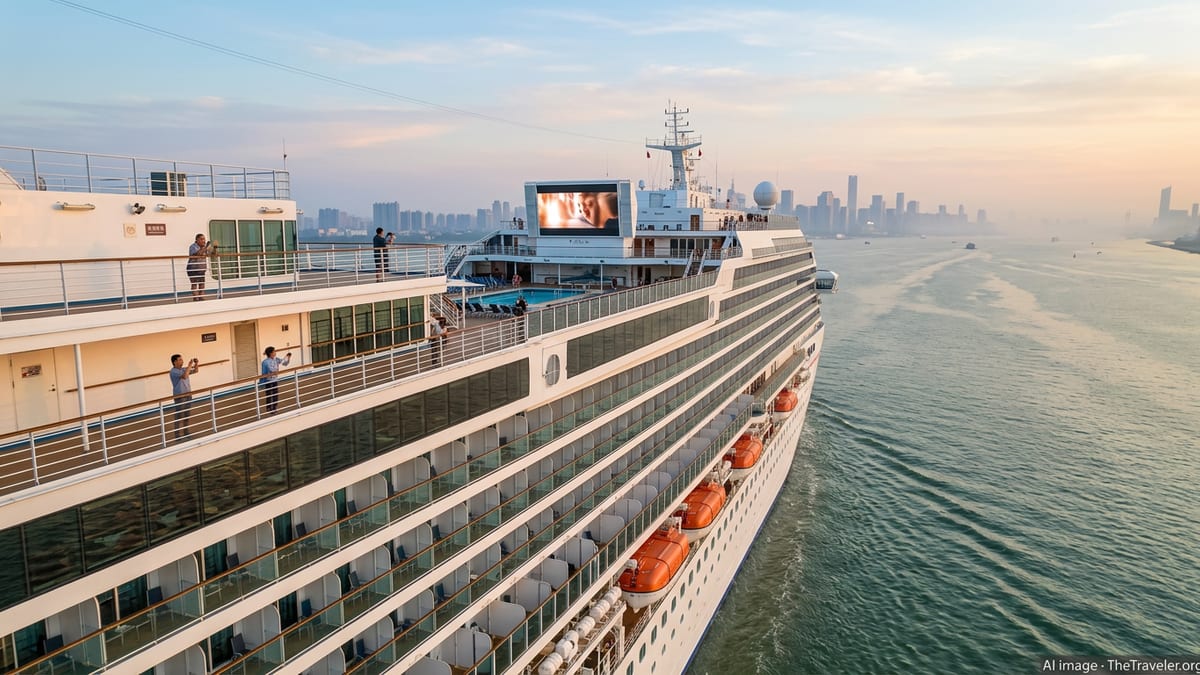
Cinema at Sea: Inside Adora’s New Themed Season
The Chinese cruise line has announced a “Sea Film Festival” program aboard its flagship Adora Magic City, China’s first domestically built large cruise ship. Running from late March to late June 2026, the sailings will combine regular itineraries from Shanghai with curated screenings, soundtrack events and film-inspired experiences designed for multigenerational travelers.
According to company announcements, the themed season will feature classic and contemporary films, red-carpet style photo zones and exhibition spaces celebrating both Chinese and international cinema. Programming is expected to include family-friendly titles during the day and more mature selections in the evenings, mirroring the mix found at land-based film festivals but adapted for life at sea.
On board, passengers will find venues repurposed as pop-up screening rooms, along with movie soundtrack sing-alongs, interactive sessions and meet-and-greet style events with film industry guests on selected departures. For Adora, the goal is to turn the ship into a moving cultural hub that keeps guests engaged even on shorter regional itineraries.
The initiative builds on Adora Magic City’s position as a symbol of China’s shipbuilding ambitions and cruise aspirations. Since entering commercial service in early 2024, the vessel has already completed more than 100 voyages from Shanghai and carried hundreds of thousands of passengers, cementing its role as a flagship for the domestic market.
Shanghai’s Cruise Comeback and China’s Tourism Strategy
The cinema-themed season arrives as Shanghai works to reassert itself as a leading cruise homeport in Asia. The city has hosted a month-long “cruise carnival” in early 2026 to promote cruising to first-time travelers, and Adora Magic City remains based year-round at the Shanghai Wusongkou International Cruise Terminal.
Officials and industry analysts see cruise tourism as a high-profile way to stimulate consumption and showcase China’s manufacturing capabilities. Large, domestically built ships such as Adora Magic City are promoted not only as leisure products but also as national engineering achievements, a narrative that aligns with broader economic and tourism policy goals.
The focus on themed voyages is intended to differentiate China’s homegrown cruise offering from international competitors operating in the region. While movie theaters and occasional film programming are not new to global cruise brands, Adora is framing its Sea Film Festival concept as an integrated cultural product, with cinema woven into shipboard design, entertainment and marketing.
For Shanghai, keeping a major ship homeported and filled through the shoulder months between winter and the main summer holiday period is commercially significant. By pairing cultural content with popular regional ports, authorities hope to attract both repeat cruisers and newcomers looking for short-haul, experience-led travel.
Jeju Island and Fukuoka in the Spotlight
The Sea Film Festival voyages will follow well-established northeast Asia cruise corridors linking Shanghai with Jeju Island in South Korea and Fukuoka in Japan. Both destinations have long been staples of regional cruise itineraries thanks to their relative proximity, port infrastructure and blend of nature, culture and shopping.
Jeju, known for its volcanic landscapes, coastal walks and duty-free shopping, has spent the past decade building cruise berths and tour capacity to handle large ships from China. The renewed flow of cinema-themed voyages is expected to feed demand for shore excursions ranging from scenic tours and local food experiences to K-culture shopping trips.
In Japan, Fukuoka offers an accessible snapshot of Kyushu, with historic sites, modern waterfront districts and famous street food that cater to short-stay visitors. For local tourism boards, film-branded cruises bring predictable waves of travelers who have already been primed with cultural storytelling on board, making them more likely to seek out museums, cultural districts and pop culture attractions during limited time in port.
Regional tourism officials in both South Korea and Japan have emphasized the importance of Chinese visitors as they rebuild traffic lost during the pandemic years. Cruise passengers, even on brief calls, can provide a quick boost to retail, dining and attractions, especially when sailings depart from a nearby hub like Shanghai and repeat frequently through the season.
What Passengers Can Expect on Board and Ashore
For travelers considering one of Adora’s cinema-themed sailings, the experience will combine standard regional cruise amenities with added film content. Adora Magic City offers a range of restaurants focused on Chinese and international cuisine, family cabins, children’s areas and resort-style facilities such as pools and performance theaters, all tailored primarily to the Chinese-speaking market.
The Sea Film Festival overlay means guests can expect scheduled screenings on sea days and select evenings, themed game shows or quizzes, movie-inspired cocktails and snacks, and staged moments such as informal red-carpet entries for gala nights. On some voyages, the line plans to invite film professionals, critics or influencers for talks and moderated sessions, though details may vary by departure.
On shore, the itineraries currently highlight classic port experiences rather than dedicated film tours. In Jeju, that includes nature-focused excursions, tea culture visits and shopping districts, while in Fukuoka passengers typically gravitate toward historic temples, local food markets and downtown shopping streets. Adora is encouraging guests to see the ports as extensions of their cinematic journey, but the core touring offer remains rooted in local culture and scenery.
Pricing for these regional cruises is positioned to appeal to China’s growing middle class, with many departures scheduled around public holidays and school breaks to attract families. Industry observers note that themed content can help justify marginal price premiums while also encouraging onboard spending on merchandise, specialty dining and paid activities.
Signals for the Future of China’s Cruise Industry
Adora’s cinema-themed voyages are widely viewed as a test case for how far cultural concepts can drive demand in China’s still-recovering cruise market. If the Sea Film Festival season succeeds in filling berths and generating social media buzz, similar concepts around music, fashion or sports could follow on future deployments.
The line is already expanding its fleet, with the larger Adora Flora City scheduled to be delivered by the end of 2026 and to enter service from Guangzhou, extending the brand’s geographic reach along China’s coast. Together with the existing Adora Mediterranea, the growing fleet gives the company more flexibility to deploy ships on differentiated themed products while keeping a strong presence in Shanghai.
For regional tourism partners in Jeju, Fukuoka and other northeast Asian ports, the rise of culturally themed cruises from China represents both an opportunity and a planning challenge. Port authorities and local businesses will need to adapt services, language support and crowd management to handle peak arrivals driven by special events and promotional seasons.
As global cruise brands continue to return to Asian waters, Adora’s strategy underlines how domestic operators are seeking to compete on cultural relevance rather than sheer scale. By turning Shanghai-based ships into platforms for Chinese-led storytelling, the company is betting that cinema can help anchor a new era of cruise-led tourism between China, South Korea and Japan.