

More news on this day
AerFin has expanded its long-haul aircraft support portfolio with the acquisition of a fourth Boeing 777-300ER formerly operated by Japan Airlines, underscoring rising aftermarket demand for widebody parts and engine solutions as international travel and cargo markets continue to recover.
Get the latest news straight to your inbox!
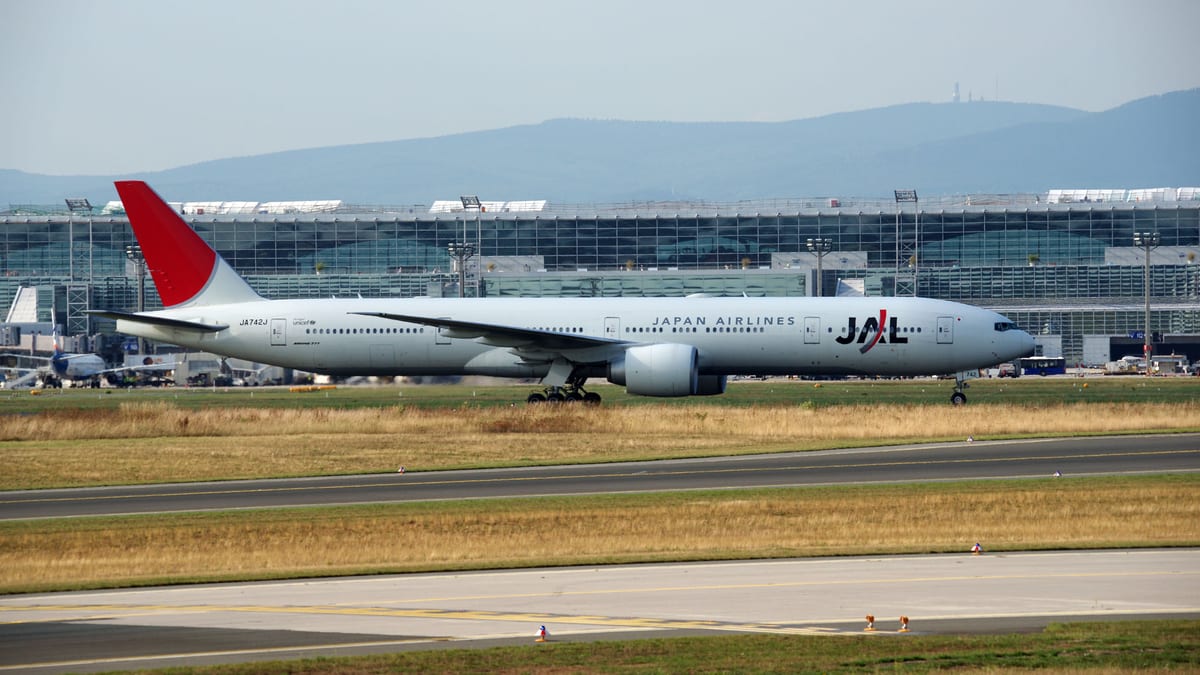
Image by Aviation News
Strategic Widebody Expansion Rooted in Ex-JAL Fleet
Publicly available information from AerFin indicates that the company has been steadily building an inventory of Boeing 777-300ER assets retired from the Japan Airlines fleet, using them as feedstock for teardown and parts recycling. Earlier acquisitions focused on complete disassembly of airframes and major components such as nacelles, thrust reversers and landing gear, with material routed to storage and distribution hubs in the United States.
The latest aircraft, also an ex-Japan Airlines 777-300ER, represents the fourth example from the same source, reinforcing a consistent supply line of high-quality widebody material. Japan Airlines has been phasing out its older 777-300ERs from long-haul passenger service as it transitions to more fuel-efficient twinjets, creating opportunities for aftermarket specialists to redeploy value through used serviceable material.
Industry data shows that the 777-300ER remains one of the most widely used long-haul platforms, popular with full-service carriers and cargo operators for its range and payload. By targeting this specific model, AerFin is aligning its portfolio with aircraft that are expected to remain in front-line service for many years, even as new-generation widebodies enter the market.
The continuity of aircraft provenance from a single major flag carrier is also viewed within the aftermarket as a commercial advantage. Consistent maintenance records, standardized cabin and systems configurations, and traceable component histories can increase the appeal of harvested parts to airlines and maintenance providers seeking predictable documentation.
Boost to Long-Haul Engine and Component Support
The 777-300ER is exclusively powered by GE90 engines, a family widely regarded as a cornerstone of long-haul twin-engine operations. AerFin’s corporate materials highlight support capabilities across several GE and CFM engine types, and the addition of another 777-300ER creates further scope for engine and nacelle-related disassembly, repair and resale. The teardown of previous ex-JAL 777-300ERs has already yielded high-demand items for the GE90 ecosystem.
Beyond engines, the aircraft contributes a broad set of major structural and flight-control components, including landing gear, high-lift devices and avionics. AerFin has previously reported transactions involving overhauled 777-300ER landing gear sold to international carriers, indicating active demand for such heavy components as fleets age and undergo scheduled maintenance cycles.
Used serviceable material derived from widebodies can offer airlines meaningful cost savings against new OEM parts, particularly for operators managing mid-life fleets. The acquisition of a fourth 777-300ER increases AerFin’s ability to package components, rotable pools and repair-managed solutions tailored specifically to the 777-300ER fleet, enhancing turn-time and availability for customers.
For long-haul operators, the availability of competitively priced GE90 and 777-300ER material is becoming increasingly important as many aircraft transition out of original warranty and first-life maintenance programs. AerFin’s growing stock, anchored by multiple sister aircraft from Japan Airlines, positions the company as a notable player in this niche.
Strengthening Presence in the Americas and Global Aftermarket
Earlier AerFin announcements describe how prior 777-300ER teardowns were carried out in the southwestern United States, with harvested parts moved into storage facilities in Arizona and consolidated into a major distribution center in Miami. This logistics footprint supports rapid delivery into North and Latin American markets, where carriers continue to operate substantial 777-300ER fleets on transcontinental and transoceanic routes.
The latest ex-Japan Airlines acquisition is expected to flow through the same network, bolstering inventory levels in the United States at a time when many airlines are executing cabin refreshes, heavy checks and powerplant shop visits on their 777-300ERs. As supply chains remain under pressure for some new-production components, used serviceable alternatives can provide a practical bridge for maintenance planning.
The company’s expanding US-based stock of widebody parts also aligns with continued strength in air cargo and e-commerce flows. Several passenger 777-300ERs worldwide have been converted or earmarked for conversion to freighter roles, creating incremental demand for structural, systems and landing gear components compatible with high-utilization cargo operations.
By pairing US inventory with global remarketing channels, AerFin is seeking to serve not only traditional full-service airlines but also lessors, cargo specialists and emerging operators in growth markets. The concentration of 777-300ER inventory in one network can simplify sourcing for customers managing mixed passenger and freighter subfleets.
Recycling, Sustainability and Lifecycle Management Focus
AerFin positions itself as an aviation asset specialist focused on sustainable lifecycle management, and the acquisition of another 777-300ER from Japan Airlines fits within that narrative. Teardown of large twin-engine aircraft allows substantial recovery of components that would otherwise sit idle in storage or be parted out on a smaller scale.
The reuse of engines, landing gear, auxiliary power units and avionics extends the life of high-value hardware, while non-serviceable items can be directed into regulated recycling streams. Industry observers note that widebody teardowns of this type sit squarely within airline and lessor efforts to improve the environmental profile of fleet retirements.
For operators, sourcing used serviceable material from a known teardown program can also reduce the need for new manufacturing of certain parts, which in turn lowers embedded emissions associated with production. The 777-300ER’s global footprint means that recycled parts from ex-Japan Airlines aircraft can find second and third lives with carriers across multiple regions.
As demand for more sustainable maintenance strategies grows, portfolio moves such as AerFin’s fourth ex-JAL 777-300ER acquisition are being closely watched by airlines, lessors and investors. They offer a practical example of how end-of-life widebodies can be integrated into circular economy models while still supporting frontline long-haul operations.
Market Outlook for the 777-300ER Aftermarket
Forecasts for the 777-300ER fleet suggest that, despite ongoing deliveries of newer models and the introduction of the 777X, the existing 777-300ER population will remain in service in significant numbers through the next decade. Many aircraft are transitioning into mid- to late-life phases, a period when demand for replacement components, engine overhauls and cabin refurbishments typically increases.
In this context, AerFin’s decision to deepen its engagement with the 777-300ER platform reflects a view that the aftermarket has room to grow. The company’s track record with CFM56 and other engine programs indicates experience in supporting mature fleets, and applying this expertise to GE90-powered aircraft may unlock additional opportunities in long-haul markets.
Observers in the aviation finance and leasing sectors point to a rising volume of widebody retirements and part-outs as lessors and airlines rebalance portfolios following the pandemic. The structured acquisition of multiple sister ships from a single operator, as seen in AerFin’s purchases from Japan Airlines, is viewed as one way to secure consistent material streams in an increasingly competitive market for teardown candidates.
With its fourth ex-JAL 777-300ER now joining the portfolio, AerFin is signaling continued confidence in the resilience of long-haul travel and cargo, and in the role that targeted aftermarket strategies will play in keeping this workhorse widebody flying for years to come.