

More news on this day
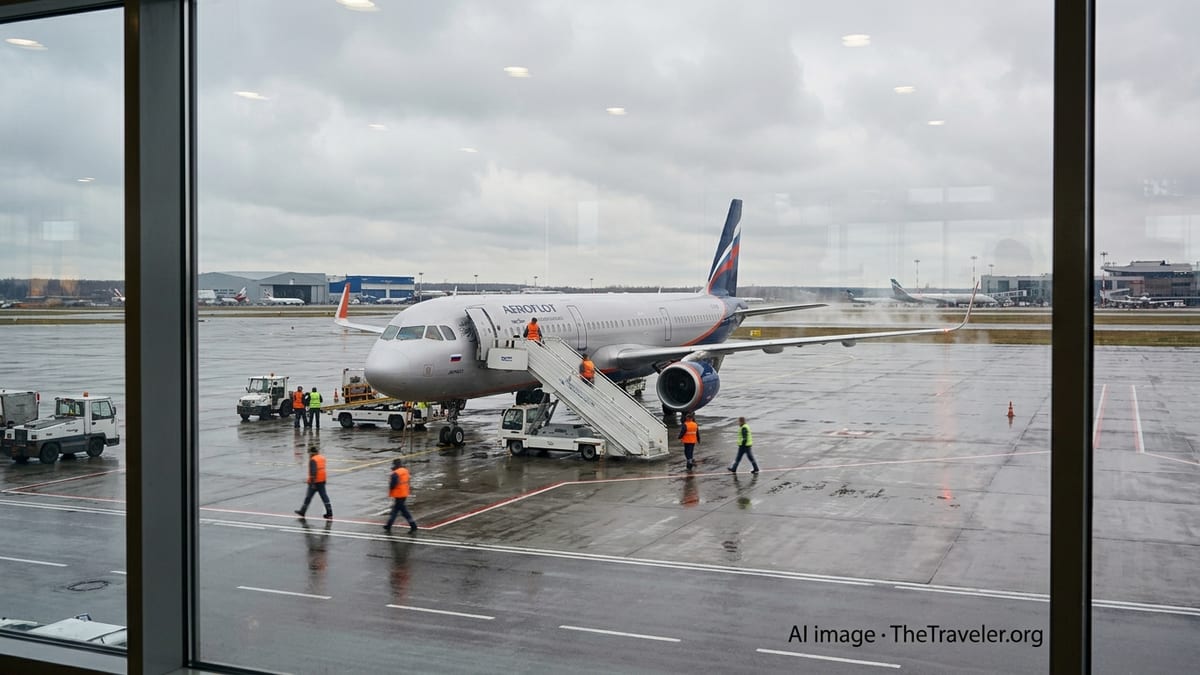
Aeroflot Flight SU1854 from Moscow to Baku made an abrupt mid-air turnback and emergency landing at Moscow’s Sheremetyevo Airport, according to early reports that drew fresh attention to passenger safety on the busy Russia–Azerbaijan route.
Get the latest news straight to your inbox!
Unexpected Diversion on Moscow–Baku Service
Publicly available flight-tracking data for Aeroflot’s SU1854, a scheduled service from Moscow Sheremetyevo to Baku’s Heydar Aliyev International Airport, shows the aircraft departing as normal before abandoning its southbound course and returning to the Russian capital. The jet reportedly leveled off, circled to lose altitude and lined up for an unscheduled landing back at Sheremetyevo.
Coverage from regional outlets and aviation-focused platforms indicates that the diversion unfolded rapidly once a potential issue was identified, with the crew opting to discontinue the flight rather than continue toward Azerbaijan. The turnback occurred while the aircraft was still in Russian airspace, simplifying coordination with ground services in Moscow and avoiding the complexity of a diversion across an international border.
Initial information released through public channels has not detailed the nature of the incident on board. There has been no confirmed description of mechanical failure, medical emergency or other specific trigger, and reporting so far has focused primarily on the altered flight path and the aircraft’s safe return to Sheremetyevo.
Emergency Landing and Immediate Response
According to published coverage, the aircraft completed what has been described as an urgent or priority landing at Sheremetyevo after its unscheduled return. Flight data reviewed by aviation observers shows that the jet landed within a relatively short time of initiating the turnback, consistent with standard procedures for precautionary or emergency arrivals.
Airport operations at major hubs such as Sheremetyevo are configured to accommodate priority landings, and reports suggest that arrival and departure flows were temporarily adjusted to clear a path for SU1854. While the extent of any disruption to other flights remains unclear, the swift handling of the arrival aligns with widely accepted air traffic management practices during irregular operations.
Information made public so far has not pointed to any injuries among passengers or crew, and there have been no verified accounts of structural damage to the aircraft. As with many in-flight incidents that end with a controlled landing, the full picture typically emerges later, once technical inspections and internal reviews are carried out.
Passenger Experience and Operational Follow-Up
Travelers on SU1854 faced an abrupt change to their journey, with early accounts in local media focusing on the extended time in the air and the unexpected return to Moscow. Passengers on such diversions often remain on board until the aircraft has been parked and safety checks completed, after which they may be directed either to the terminal or to a replacement aircraft.
Publicly available information does not yet clarify whether Aeroflot arranged an immediate onward flight to Baku or rebooked travelers on later services or alternative carriers. The Moscow–Baku corridor is served multiple times per week, and schedule data shows Flight SU1854 listed as a regular operation on this route, providing some flexibility for re-accommodation when disruptions occur.
For affected travelers, emergency returns of this kind can lead to missed connections and changes to hotel, meeting or tour arrangements at the destination. Industry practice in such situations typically includes assistance with rebooking and, in some cases, care provisions at the airport, though specific measures depend on airline policy and the regulatory framework in the jurisdictions involved.
Focus on Safety Protocols and Fleet Reliability
Aeroflot’s operations between Russia and neighboring countries, including Azerbaijan, rely on a mix of narrowbody aircraft suited to medium-haul routes. Public schedules list SU1854 as a key link between Moscow and Baku, reflecting significant demand driven by business travel, family visits and onward international connections through Sheremetyevo’s hub.
When a flight diverts and returns to its origin, airlines commonly subject the aircraft to detailed technical checks before it re-enters service. While no official technical summary has been released for this event, industry observers note that precautionary landings often result from sensor alerts, cockpit indications or evolving weather and operational concerns that crews are trained to treat conservatively.
Recent years have seen heightened scrutiny of Russian carriers and their maintenance regimes, with international reporting examining spare-parts availability and fleet age. Events such as the SU1854 diversion are likely to feed into broader discussion about how airlines in the region manage risk, apply manufacturer guidance and adhere to safety protocols under changing commercial and regulatory conditions.
What the Incident Means for Travelers on the Route
For passengers planning trips between Moscow and Baku, the diversion of SU1854 highlights both the complexity of modern air travel and the layered safeguards built into scheduled operations. Even in the absence of a detailed technical explanation, the decision to prioritize an immediate return to a well-equipped hub airport indicates a cautious approach to any perceived anomaly.
Travel industry analysts often point out that successful emergency or precautionary landings, while unsettling for those on board, are indicators of systems functioning as designed. Crews receive recurrent training, airports rehearse response scenarios, and air traffic control procedures are structured to give priority to flights declaring an urgent need to land.
Until more information is made publicly available about the cause of the diversion, SU1854 is likely to remain an illustrative example of how airlines on busy regional routes manage unexpected situations. For travelers, the episode serves as a reminder that route history, carrier reliability and the presence of strong hub infrastructure all play a role in how in-flight incidents are handled and resolved.