

More news on this day
Domestic air travel in Argentina is facing fresh disruption after Aerolíneas Argentinas canceled more than 15 new flights, with services to popular destinations such as Bariloche, Iguazú and Córdoba among those affected, according to recent local coverage and airline advisories.
Get the latest news straight to your inbox!
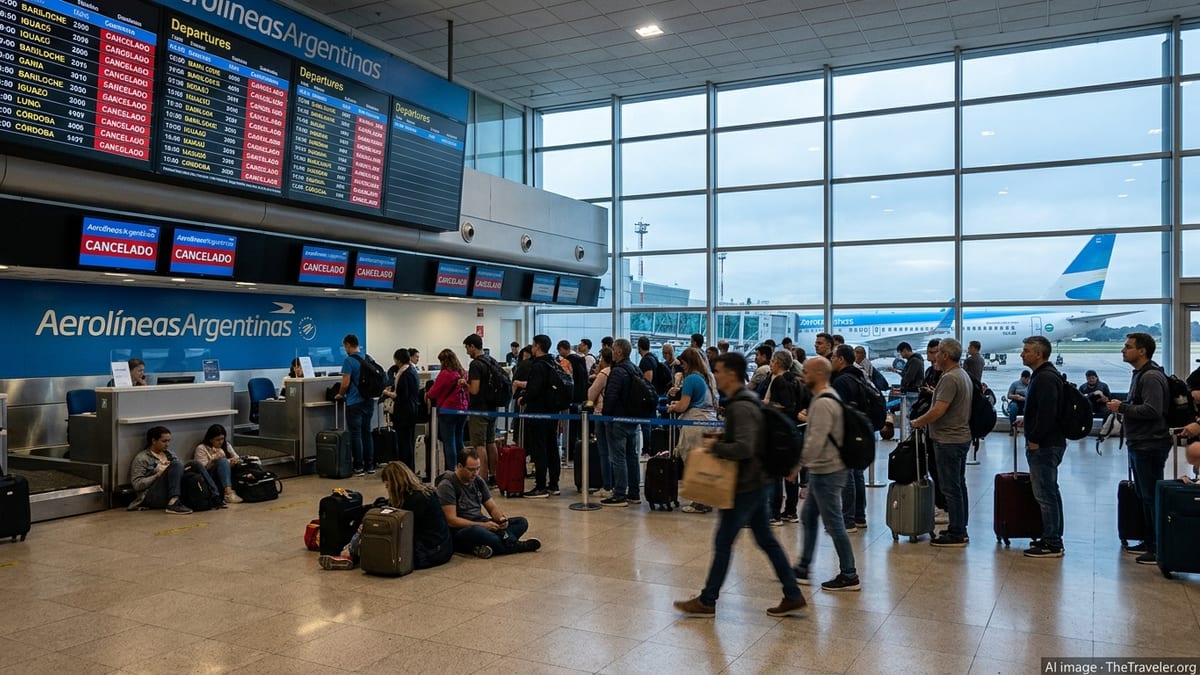
Fresh Wave of Cancellations Hits Argentina’s Domestic Network
Recent reports from Argentine media and travel industry bulletins indicate that Aerolíneas Argentinas has added more than 15 new cancellations to an already strained schedule, affecting routes across the country. The latest adjustments come on top of earlier disruptions tied to labor disputes and operational pressures, creating mounting uncertainty for both domestic travelers and international visitors using Buenos Aires as a hub.
The most recent wave of changes is concentrated on high-demand routes, including flights linking Buenos Aires with San Carlos de Bariloche, Puerto Iguazú and Córdoba. These corridors anchor both leisure and business travel, and cancellations there tend to cascade across the wider network as aircraft and crews are repositioned or grounded.
Publicly available schedules and press coverage suggest that the new cancellations are spread over several days, rather than confined to a single shutdown period. That pattern is forcing travelers to navigate a patchwork of altered departure times, rebooked itineraries and, in some cases, overnight delays in gateway cities such as Buenos Aires and Córdoba.
While Aerolíneas Argentinas has previously expanded flexibility for affected passengers during recent disruptions, including options to change dates within a limited window at no extra charge, current reports note that rebooking options are tighter during peak travel weeks when alternative flights operate close to capacity.
Key Tourism Hubs Bariloche and Iguazú Among the Worst Hit
The latest cancellations are particularly significant for Argentina’s tourism economy because they touch routes to San Carlos de Bariloche and Puerto Iguazú, two of the country’s most iconic destinations. Bariloche, in northern Patagonia, is a year round draw for hikers, skiers and nature travelers, while Iguazú is the primary gateway to the world famous Iguazú Falls on the border with Brazil and Paraguay.
Travel operators monitoring the situation report that some Buenos Aires to Bariloche flights have been removed from schedules or consolidated, pushing passengers onto fewer remaining services. This has led to higher load factors, limited seat availability and longer wait times to secure new travel dates, especially for those who booked promotional fares or group tours months in advance.
In Puerto Iguazú, which relies heavily on steady air links to Greater Buenos Aires and Córdoba, cancellations and schedule changes are disrupting carefully timed itineraries that pair flights with pre booked excursions to the national park. Some package tour providers are revising overland segments or adjusting the order of multi stop circuits that include Buenos Aires, Iguazú and Patagonia to keep trips viable.
Accommodation providers in both Bariloche and Iguazú are also reporting an increase in last minute modifications and late arrivals. In many cases, visitors are arriving a day later than planned or leaving earlier to secure a confirmed seat back to Buenos Aires, shortening stays and compressing local spending in restaurants, transfers and excursions.
Córdoba and Other Regional Cities See Knock on Effects
Córdoba, Argentina’s second largest metropolitan area and a major aviation hub for the central region, has also been drawn into the disruption. The city’s Ambrosio Taravella International Airport typically handles a dense pattern of flights operated by Aerolíneas Argentinas and its competitors, linking Córdoba with Buenos Aires, Bariloche, Iguazú and other regional centers.
Recent schedule data and regional media coverage show that several Córdoba services have been canceled or retimed as the airline reshuffles capacity. Even when Córdoba is not the final destination, changes there can affect onward connections for passengers traveling between the northwest, Cuyo wine region and Patagonia, adding complexity to multi leg domestic journeys.
Other interior airports, including some in the northwest and southern Patagonia, are feeling secondary effects as aircraft are reassigned from lower demand routes to support trunk corridors. Travelers connecting through smaller hubs report longer layovers and, in certain cases, forced overnight stays where connections no longer align with revised timetables.
Local tourism boards and business groups in affected provinces are voicing concern in public statements and interviews carried by national outlets, emphasizing that reliable air service is critical for conferences, regional events and short break tourism that depend on weekend or long weekend travel windows.
Labor Tensions and Operational Pressures Underpin Disruptions
The latest round of cancellations comes against a broader backdrop of labor tensions and cost cutting efforts across Argentina’s aviation sector. Recent months have seen a series of union led actions, including limited strikes and on site assemblies at major airports, which have periodically slowed operations and triggered waves of delays and cancellations for Aerolíneas Argentinas and other carriers.
Published coverage in Argentine newspapers and television outlets links several previous disruption episodes to disputes over wages, working conditions and schedule changes. In some cases, labor actions have been announced with relatively short notice, prompting airlines to modify rotations, bring forward departures or delay flights in an attempt to operate around the most affected time windows.
At the same time, ongoing economic pressures are pushing carriers to streamline networks, adjust frequencies and focus capacity on the most profitable domestic and regional routes. For Aerolíneas Argentinas, that has meant more aggressive day to day optimization of aircraft utilization, which can lead to abrupt timetable changes when demand forecasts or operational constraints shift.
Industry analysts commenting in local business media argue that these combined pressures are eroding confidence among travelers who rely on domestic flights to reach remote destinations with limited rail or long distance bus alternatives. Repeated episodes of cancellations can also complicate Argentina’s efforts to grow inbound tourism from Europe and North America, where long haul visitors often connect directly onto domestic legs operated by the national carrier.
What Travelers Headed to Argentina Should Do Now
For travelers with upcoming itineraries to Bariloche, Iguazú, Córdoba and other Argentine destinations, recent disruptions underscore the importance of close monitoring and flexible planning. Travel agencies and online booking platforms are advising clients to check their reservation status regularly in the days leading up to departure, as additional small adjustments can appear even after initial confirmation emails are issued.
Many airlines operating in Argentina, including Aerolíneas Argentinas, typically provide rebooking options when flights are canceled for operational or labor related reasons. Publicly available information suggests that passengers are often allowed to change to another date or flight on the same route without penalties, subject to seat availability and specific fare rules. Travelers may need to act quickly once a change notification is received to secure the most convenient alternative.
Experienced visitors to Argentina also recommend building buffer time into complex itineraries, such as avoiding same day domestic connections after intercontinental arrivals when possible. Adding an overnight stay in Buenos Aires before heading on to Bariloche, Iguazú or other regions can reduce the risk of missed onward segments if inbound flights are delayed or rescheduled.
Travel insurance that covers missed connections, additional accommodation and rebooking costs can also help mitigate financial exposure, particularly for trips that combine multiple internal flights. As cancellations continue to ripple through parts of Argentina’s domestic network, a combination of proactive monitoring, flexible dates and contingency planning is becoming an essential part of traveling to and within the country.