

More news on this day
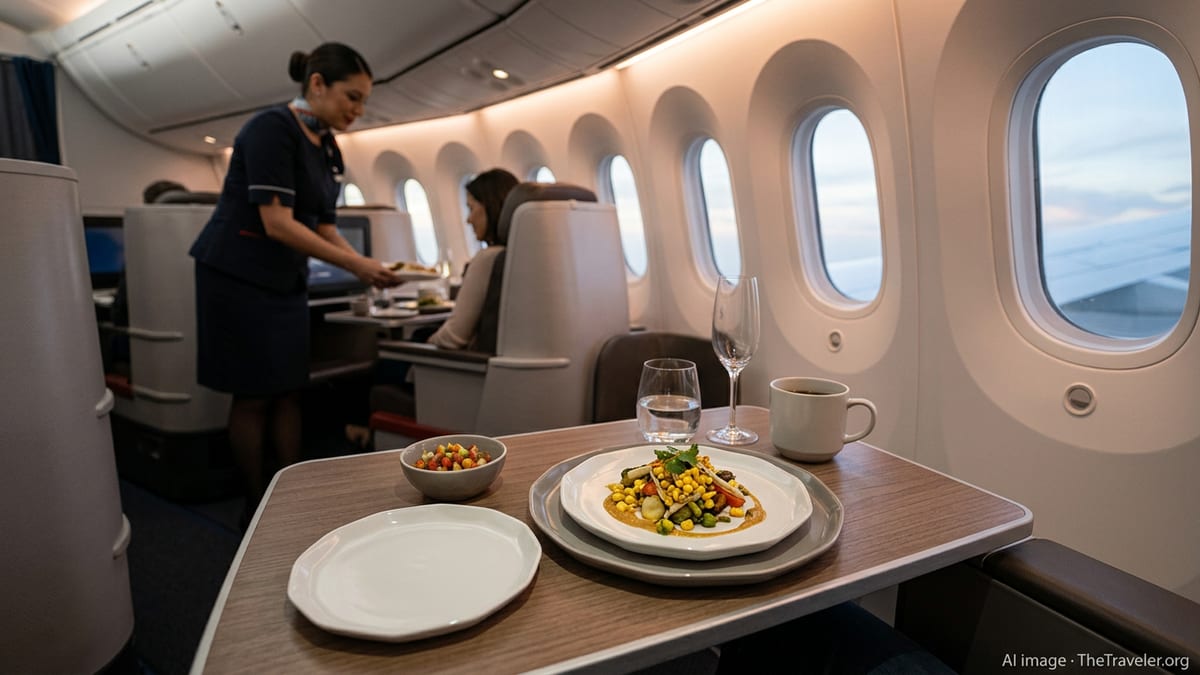
Aeroméxico is set to give its business class dining a distinctly modern Mexican flavor, partnering with long-time design collaborator NewTerritory on a new tabletop concept that blends local craft, lighter-weight materials and refreshed in-flight rituals for premium passengers.
A Decade-Long Design Partnership Reaches the Table
The refreshed dining experience is the latest chapter in a ten-year collaboration between Aeroméxico and London- and Atlanta-based studio NewTerritory, which has already shaped the airline’s long-haul cabin interiors and broader brand refresh. Building on that work, the new project moves the focus from seats and lighting to the tabletop itself, treating the dining surface as a stage for Mexican culture at 35,000 feet.
Aeroméxico has introduced more than a dozen new pieces of serviceware for its business cabin, from entrée plates and shareable bowls to glassware and coffee cups. The collection is designed to replace the airline’s previous mix of utilitarian china and generic porcelain with a coherent family of pieces that tell a visual story tied to Mexico’s landscapes and craft traditions.
The airline plans to roll out the new setting progressively across its Boeing 787 Dreamliner fleet on key international routes, positioning the tableware as a visible symbol of its broader premium push. Executives describe the initiative as a way to make the first physical touchpoint of the meal feel as considered as the menu itself.
NewTerritory’s team has framed the project as less about decorative flair and more about reshaping the entire meal moment for business travelers, from how trays are loaded to how dishes stack in tight galley spaces. That dual focus on aesthetics and operations is central to the collaboration.
Modern Mexican Craft, Engineered for the Cabin
Visually, the new dining pieces draw heavily on contemporary Mexican design, incorporating subtle references to volcanic stone, terracotta and hand-worked ceramics while remaining suitable for an aircraft cabin. Surfaces are kept largely matte to reduce glare under overhead LED lighting, with restrained color accents inspired by Mexican flora and regional textiles.
The plates and bowls feature gently faceted profiles and soft rims that nod to traditional stoneware but are formed in high-performance porcelain blends to withstand repeated catering cycles. Glasses are slimmer and slightly taller than the airline’s previous hardware, intended to feel more like modern restaurant stemware while still nesting efficiently in trolleys.
Underlying those visual choices is extensive engineering work aimed at the realities of flight. Each piece has been modeled to reduce weight compared with the previous set, contributing to incremental fuel savings over thousands of flights. Bases are designed to be more stable on fold-out tables, with grip-enhancing details that help mitigate turbulence and passenger movement.
The result is a collection that attempts to reconcile the warmth of handcrafted Mexican objects with the precision required for high-volume airline service. For Aeroméxico, that balance is intended to differentiate its premium cabins in an increasingly competitive transcontinental and transatlantic market where hardware details can sway frequent travelers.
Rethinking the Business Class Meal Ritual
While the most visible change is on the table, Aeroméxico is also using the NewTerritory project to reconsider how meals unfold in the business cabin. The airline has been testing service flows that give passengers more restaurant-style pacing, including staggered courses and a stronger emphasis on presentation when crew set tables and clear dishes.
The new collection has been designed to support that approach, with shareable serving bowls and smaller side plates that allow for family-style elements on longer sectors. Flight attendants can build more varied layouts on each tray table, from a focused working lunch to a slower, multi-course dinner, without changing the underlying galley equipment.
Aeroméxico is pairing the hardware upgrade with refinements to its menus, foregrounding ingredients such as corn, cacao, chilies and regional cheeses, and presenting them in more contemporary formats. Sauces, salsas and garnishes are being used to add color and texture to the new plates, emphasizing a sense of place beyond generic international fare.
The carrier is also integrating its existing meal preselect option in business class with the redesigned service, aiming to better match galley loading to passenger preferences. By aligning menu planning, pre-order data and the new tableware, the airline hopes to reduce waste while ensuring that popular dishes remain available throughout the cabin.
Competitive Context in Premium Long-Haul Travel
Aeroméxico’s move comes at a time when major global carriers are investing heavily in the soft product of premium cabins, focusing on dining and bedding after years of attention on seat hardware. Airlines from the Middle East, Europe and Asia have placed particular emphasis on restaurant-style plating and branded dinnerware as a way to convey quality and justify business class fares.
For Aeroméxico, aligning with that trend is especially important on routes where it faces well-established rivals with recognized culinary programs. The redesigned dining experience is intended to position the Mexican flag carrier as a peer in that space, offering a sense of ceremony and individuality that stands apart from standardized alliance catering.
Industry analysts note that tableware and service design often require less capital than full cabin refits yet can have an outsized impact on passenger perception, particularly among frequent flyers who notice incremental upgrades. By coordinating the NewTerritory collection with recent branding and uniform changes, Aeroméxico is seeking to present a cohesive, modern identity from lounge to landing.
The airline has signaled that the business class dining project is part of a broader effort to refine its premium and hybrid offerings over the next several years, including work on a new Business Economy concept slated for later in the decade. The redesigned tabletop is likely to inform how those future products express Mexican identity and hospitality on board.
What Travelers Can Expect Onboard
As the new dinnerware appears on long-haul flights, business class customers can expect a more considered presentation when meals are served. Tablecloths and napkins will frame place settings that mix the new porcelain and glass pieces, with crew trained to emphasize visual balance and ease of use, whether passengers are dining or working.
Main courses will continue to rotate by route and season, but the redesigned plates allow chefs and catering partners to plate food with greater height and contrast, helping dishes hold their appeal over the course of a long service. Smaller bowls and dishes create room for sides and condiments that highlight regional Mexican flavors without crowding the tray.
Practical improvements are also built into the experience. Lighter, better-stacking pieces are intended to speed up loading and reduce strain on crew, while more stable bases should cut down on minor spills when passengers adjust their seats. Subtle texturing on the undersides of items is meant to make it easier for travelers to pick up plates and cups in the constrained space of a lie-flat seat.
For Aeroméxico, the partnership with NewTerritory on business class dining represents a visible signal that the airline is investing in details that matter to premium travelers. For passengers settling in for an overnight flight, the first sight of a thoughtfully laid Mexican-inspired table at their seat is designed to feel less like a standard airline meal and more like the opening course of a curated restaurant experience in the sky.