

More news on this day
Afghanistan is moving toward a new electronic visa system designed to streamline entry for foreign visitors, a step that observers view as part of wider efforts to revive tourism, attract hard currency and highlight the country’s cultural and natural landmarks after years of conflict and isolation.
Get the latest news straight to your inbox!
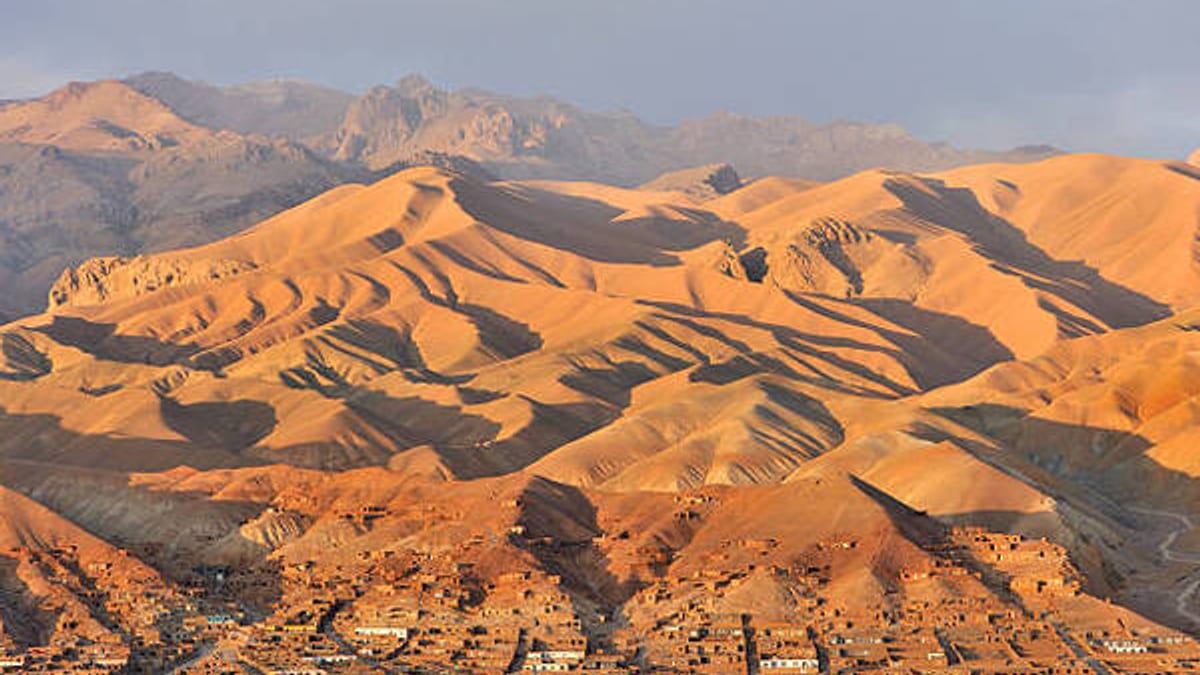
Image by Travel and Tour World – Tourism, Airline, Destination, MICE, Gobal Travel Market, Hotel news that you will find only over here.
A Digital Shift in Afghanistan’s Visa Policy
Publicly available information from travel advisories, visa-recognition tables and Afghan consular guidance indicates that Afghanistan is gradually aligning its entry procedures with a global shift toward online visa processing. Recent updates to visa overviews for foreign nationals refer to an Afghanistan e-visa option that allows short stays, typically around 30 days, for eligible passport holders arriving through Kabul’s international airport. These references suggest that a digital platform is being positioned as a primary gateway for tourist travel into the country.
At the same time, Afghanistan’s Ministry of Foreign Affairs continues to manage traditional visa channels through embassies and consulates abroad, including service, diplomatic and tourist categories. Consular pages describe existing paper-based processes, but newer descriptions of an electronic visa module point to a hybrid environment in which online pre-clearance is expected to sit alongside in-person issuance for the foreseeable future. For travelers, this combination could gradually reduce the need for multiple visits to diplomatic missions while still providing a fall-back option where connectivity or documentation challenges arise.
Specialist tour operators that focus on Afghanistan report that visa on arrival options for tourists have been curtailed and that visitors are now expected to secure authorization in advance. In this context, a functioning e-visa platform is being presented as the most efficient way to obtain the necessary clearance before boarding a flight. Industry updates describe the emerging system as part of a broader modernization effort intended to make entry more predictable, especially for organized groups visiting heritage sites and remote regions.
The development remains highly sensitive to security conditions. Foreign government advisories continue to warn against non-essential travel to Afghanistan, reflecting concerns over terrorism, crime and limited consular support. The e-visa initiative is therefore unfolding in a constrained environment, where potential demand from adventurous travelers and diaspora visitors is weighed against persistent safety risks and limited international recognition of the current authorities.
How the New E-Visa System Is Expected to Work
Descriptions circulating among travel agencies and regional tourism analysts portray the Afghanistan e-visa system as a web-based application portal through which travelers submit personal data, passport scans, itineraries and accommodation details. Once applications are reviewed, successful applicants receive an electronic document that can be printed or stored on a device and presented on arrival, where border officials validate it against passport information and entry conditions.
Early outlines of the system suggest that the e-visa would be tied to a specific duration of stay, commonly around 30 days, and a single point of entry, usually Hamid Karzai International Airport in Kabul. This model mirrors e-visa schemes in neighboring countries, which limit entry to key airports where digital infrastructure and border-management tools are more robust. Some reference material indicates the possibility of multiple-entry electronic visas at higher fees, though such options would likely be targeted at business travelers and aid or development personnel rather than leisure tourists.
Digital identity verification is expected to be central to the new platform. Applicants may be required to upload biometric-style photos and confirm details through email or SMS, with back-end checks against watchlists and previous visa histories. In theory, this allows Afghan authorities to pre-screen travelers before arrival, reducing queues at immigration counters and lowering the workload on consular staff who previously processed applications manually.
Industry observers note that the success of the system will depend heavily on reliability, user experience and clear communication. Experiences from other destinations show that poorly designed e-visa websites, confusing payment steps or frequent outages can discourage travelers and push them toward informal intermediaries. Afghan-focused tour operators are therefore watching closely to see whether the new platform offers consistent uptime, multi-language support and transparent guidance on required documents and processing times.
Tourism Potential: From Ancient Cities to High Mountain Valleys
The move toward an e-visa is closely linked to Afghanistan’s ambition to reposition itself as a niche destination for cultural and adventure tourism. Before the most recent cycles of conflict, the country featured sporadically on overland backpacking routes, drawing visitors to caravan cities along the ancient Silk Road, Islamic architecture, and dramatic high-altitude landscapes. Travel literature continues to highlight cities such as Herat, with its historic citadel and Friday Mosque, and Bamiyan, known for its cliffside niches that once held monumental Buddha statues and for nearby alpine lakes and valleys.
Tourism-focused businesses in Kabul and regional hubs frame the new e-visa process as a way to lower the psychological and logistical barriers that have long surrounded travel to Afghanistan. Easier online access to visa information, standardized forms and published fees can help prospective visitors compare Afghan procedures with those of other emerging destinations. For small-group tour organizers, the ability to manage multiple client applications through a single digital interface is particularly attractive, reducing lead times between initial inquiry and confirmed departure.
Adventure and trekking companies point to lesser-known regions, including the Wakhan Corridor in the northeast and rural valleys in central and eastern Afghanistan, as areas that could benefit from carefully managed tourism if access becomes more predictable. These landscapes, characterized by snow-capped peaks, river gorges and traditional village architecture, are seen as potential draws for hikers, photographers and cultural travelers seeking destinations outside mass-market circuits.
However, the same sources stress that any growth in tourism must be closely aligned with security assessments and ethical guidelines. Many of Afghanistan’s most striking sites are located in provinces where travel remains risky or subject to sudden changes in local conditions. The e-visa initiative, while important, is only one element in a much larger equation that includes safe transport corridors, functioning local services and responsible engagement with communities that have endured decades of upheaval.
Economic Stakes and Local Livelihoods
Economists and development practitioners who monitor Afghanistan emphasize that even modest increases in visitor numbers can carry meaningful economic benefits in a country where foreign investment is limited and formal employment opportunities are scarce. Tourism has a long value chain that spans guesthouses, restaurants, guides, drivers, handicraft producers and local transport operators. By making entry procedures more straightforward, an e-visa system could help stabilize demand for these services and inject much-needed foreign currency into local markets.
Prior to recent disruptions, studies on regional tourism indicated that travelers to Afghanistan tended to spend relatively high amounts per day compared with mass-market destinations, reflecting the cost of specialized logistics and security arrangements. If electronic visas succeed in reducing administrative friction and uncertainty, some of those costs could be reallocated toward longer stays, more diverse itineraries and greater spending in rural communities rather than on paperwork and intermediary fees.
For local artisans, especially in cities with established craft traditions such as carpet weaving, metalwork and ceramics, a recovery in tourism-related demand could help preserve skills that are at risk of decline. Souk and bazaar traders who once relied on foreign visitors have seen footfall fall sharply in recent years; a gradual return of niche tourism, facilitated by easier visa access, would offer a supplementary source of income alongside domestic trade.
Observers also point out that transparent, digitized visa systems can play a role in reducing informal payments and opaque procedures that sometimes accompany paper-based applications. Clear fee schedules, automated receipts and centralized processing may make it easier to monitor revenue flows and ensure that official charges reach government accounts, potentially supporting public services and maintenance of historical sites.
Balancing Accessibility With Security and Infrastructure Gaps
While the promise of an effortless e-visa process is central to Afghanistan’s tourism narrative, analysts caution that several structural challenges must be overcome for the system to deliver on its potential. Chief among these are security risks, fragmented international air links and the limited capacity of tourism infrastructure in many parts of the country. Airlines and insurers, which play a crucial gatekeeping role in whether travel is practically feasible, remain highly sensitive to risk assessments and diplomatic relations.
Foreign travel advisories continue to flag Afghanistan as a high-risk destination, often advising citizens to avoid all travel. Such guidance influences not only individual decisions but also the willingness of tour operators, corporate travel planners and educational institutions to sponsor trips. An efficient e-visa, while helpful, does not override concerns about medical facilities, evacuation options or the possibility of sudden border closures and internal movement restrictions.
There are also technical considerations. Successful e-visa platforms depend on secure data handling, robust payment gateways and regular maintenance, areas where many countries have faced difficulties. Reports from travelers to other destinations highlight how glitches, cyber incidents or confusing interfaces can undermine trust in official systems and create openings for copycat or scam websites. For Afghanistan, which must persuade skeptical travelers to engage with a government-managed digital portal, investing in cybersecurity, user testing and multilingual support will be critical.
Despite these hurdles, regional tourism specialists note that the shift toward an electronic visa is a significant signal of intent. By embracing digital tools to manage its borders and invite visitors, Afghanistan is attempting to reposition itself within a competitive global tourism landscape. Whether this initiative ultimately leads to a sustained flow of international tourists will depend on how effectively the country can pair easier entry with credible assurances of safety, infrastructure development and respectful access to the historic and natural treasures it hopes to showcase.