

More news on this day
Afghanistan is promoting a revamped electronic visa system designed to make entry easier for foreign visitors, positioning streamlined digital permits as a lever for fresh tourism revenue and renewed interest in the country’s historic landmarks.
Get the latest news straight to your inbox!
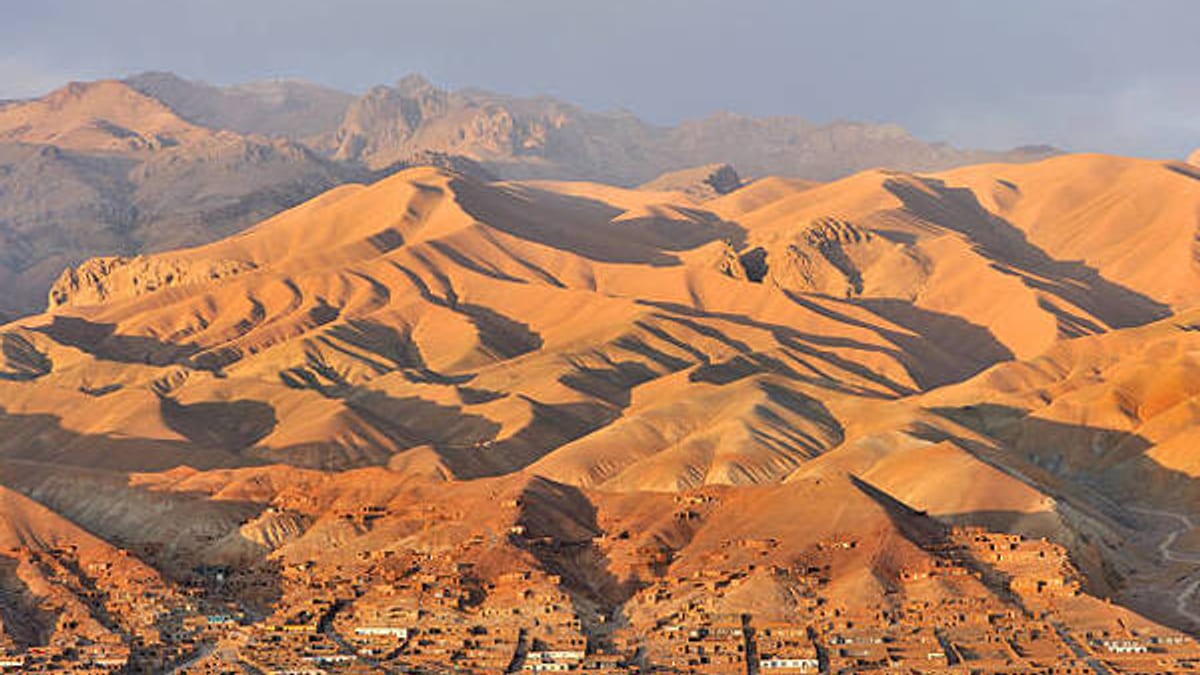
Image by Latest International / Global Travel News, Breaking World Travel News
Digital Gateway Launched Amid Push to Reopen to Visitors
Publicly available information from Afghanistan’s Ministry of Foreign Affairs shows that an official online visa portal has been rolled out, centralizing applications for short-term stays and processing them through a dedicated consular platform. The initiative is presented as a modern replacement for fragmented paper-based procedures that previously required applicants to work directly and repeatedly with individual embassies.
Coverage in regional travel and policy outlets indicates that the e-visa is aimed at tourists, business travelers and other short-term visitors, allowing them to submit personal data and travel details online before arrival. The system is described as part of a broader effort to standardize entry rules, introduce clearer categories of stay and move more government services into a digital environment.
International travel guidance notes that the e-visa is typically issued for limited durations, often around 30 days, with arrival generally funneled through Kabul’s international airport. While exact processing times vary, recent travel reports suggest that decisions are being turned around in a matter of days when documentation is complete and itineraries are clearly defined.
The new platform comes at a time when many governments continue to advise against travel to Afghanistan because of security risks. In that context, analysts view the e-visa not only as an administrative update but also as a signal that authorities are eager to attract a controlled flow of foreign visitors despite lingering political and safety concerns.
End of Visa on Arrival Shifts Focus to Pre-Approved E-Visas
Specialist Afghanistan tour operators report that visa on arrival options for most foreign tourists were discontinued in late 2025, redirecting travelers toward pre-arranged visas obtained through embassies and the emerging e-visa channel. This shift has raised the importance of the digital system as the primary route for would-be visitors planning trips months in advance.
Travel agencies working with Afghanistan-bound tourists describe the new framework as stricter in terms of pre-clearance yet more predictable for those who meet the requirements. Applicants are now advised to secure their e-visa before booking flights, submit detailed itineraries and, in some cases, attach letters of invitation from registered local partners or tour companies to demonstrate the purpose and structure of their stay.
Information shared by foreign ministries and tourism advisory sites stresses that the e-visa does not override security warnings issued by many countries, which still categorize Afghanistan as a high-risk destination. Instead, the system is framed as a way to manage and document the smaller number of foreign visitors who decide to travel regardless, enabling authorities to screen arrivals earlier in the process.
Observers note that discontinuing broad visa-on-arrival access aligns Afghanistan more closely with regional trends, where digital pre-approval is increasingly favored over ad hoc decisions at the border. The change places a premium on advance planning but can also reduce uncertainty at airports for travelers who have already received an electronic clearance before departure.
Tourism and Heritage Promotion at the Core of the Strategy
Background material from Afghanistan-focused travel guides highlights that the e-visa rollout coincides with renewed marketing of the country’s cultural and natural attractions, from the ancient city of Herat to the famed valleys of Bamiyan. Tourism businesses and regional commentary describe an ambition to reposition Afghanistan as a niche destination for history enthusiasts, adventure travelers and diaspora visitors.
Despite the destruction of some heritage sites over the past decades, Afghanistan still hosts an array of Islamic architecture, Silk Road trading centers and dramatic mountain landscapes. Tour operators see the streamlined visa process as a practical prerequisite for any meaningful revival of cultural tourism, making it easier for small groups and specialized tours to navigate bureaucratic hurdles.
Reports from industry publications suggest that itineraries are being built around relatively secure corridors, combining visits to restored citadels, mosques and bazaars with tightly managed journeys through scenic highlands. In this context, the e-visa is portrayed as an enabling tool that allows visitors to focus more on logistics within the country rather than on lengthy administrative steps before departure.
At the same time, travel planners caution that permits beyond the e-visa may still be required for sensitive regions or archaeological zones, with procedures varying by province. The digital entry document is viewed as the first layer of authorization, to be complemented by local registrations and, in some cases, coordination with provincial cultural departments or tourism offices.
Economic Hopes Tied to Measurable Growth in Arrivals
International economic briefings and regional media coverage point to tourism as one of several sectors that Afghan authorities hope can generate foreign currency and employment. By centralizing visa applications online and publicizing the process, officials aim to lower barriers for tour operators, conference planners and business delegations that may see opportunities in hospitality, infrastructure and trade.
Data released through official channels over the past year indicates that hundreds of thousands of visas of all types have been issued to foreign nationals, reflecting broader cross-border engagement. Analysts note that even a modest uplift in higher-spending tourist arrivals could benefit guesthouses, drivers, guides, restaurants and handicraft producers clustered around key heritage cities.
Development organizations and tourism economists often cite electronic visa systems as a low-cost way for emerging destinations to make themselves more competitive, arguing that predictable rules can encourage visitors to choose less familiar countries. Afghanistan’s adoption of a formal e-visa is interpreted within that global trend, though experts consistently underline that safety conditions and insurance limitations remain decisive factors for mass-market travel.
Local travel businesses quoted in regional reporting describe increased inquiries from adventure travelers and documentary filmmakers who are watching the visa environment closely. Many are waiting to see whether the new system will remain stable over time, with clear guidance on renewals, extensions and multi-entry options that could support repeat visits and longer-term projects.
Global Context: Digital Visas and Ongoing Security Warnings
Afghanistan’s move toward e-visas mirrors a broader global shift in border management, as countries from South Asia to Eastern Europe digitize their permit systems to balance security checks with tourism promotion. Travel analysts compare the Afghan platform with similar portals adopted elsewhere, where applicants upload scans of passports, photographs and supporting documents before receiving a PDF or electronic authorization.
However, international travel advisories from North America, Europe and parts of Asia continue to list Afghanistan among the world’s most challenging destinations for leisure trips. These notices highlight risks including armed conflict, terrorism and limited consular support, urging citizens to avoid all travel or to consider entering the country only under exceptional circumstances.
Insurance and aviation industry guidance reflects this caution, noting that many standard travel insurance policies exclude coverage for Afghanistan and that international flight options remain limited. As a result, the new e-visa system operates within a constrained environment where only a small subset of highly motivated visitors is likely to apply.
Specialist commentators observe that the success of the e-visa in stimulating tourism will depend not only on the efficiency of the online platform but also on perceptions of security, clarity of rules at checkpoints and the consistency of treatment for foreign travelers. For now, the system marks a prominent step in Afghanistan’s attempt to reinsert itself into global travel networks, even as the country’s accessibility and safety profile remain under close international scrutiny.