

More news on this day
A new wave of African MRO initiatives is sharpening calls for a self-reliant aftermarket ecosystem, as airlines, maintenance providers and industry bodies seek to reduce dependence on offshore facilities and keep more aviation value on the continent.
Get the latest news straight to your inbox!
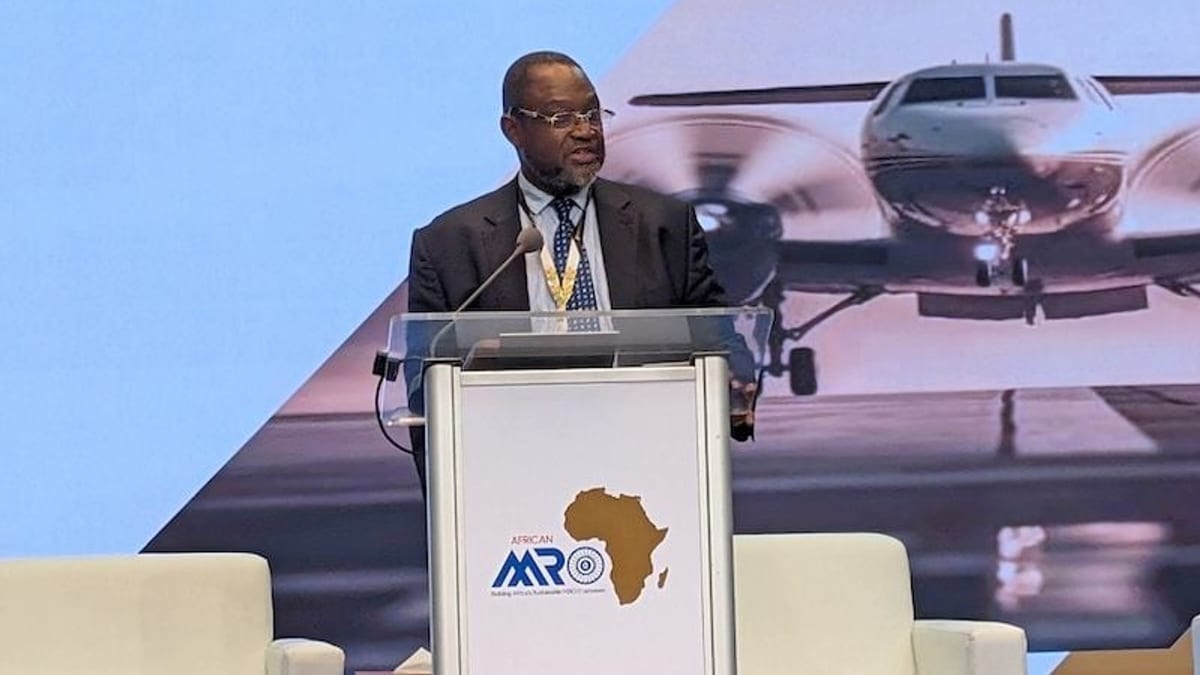
Image by AWN RSS by content source
Summit Momentum Builds Around Africa-Focused MRO Platform
Recent industry announcements and conference agendas indicate that maintenance, repair and overhaul is moving to the center of Africa’s aviation strategy, with summits positioning MRO as a lever for cost control, resilience and long-term competitiveness. A dedicated Africa MRO event announced by the African Airlines Association is framed as a new platform to consolidate fragmented capacity and give airlines more options for heavy maintenance closer to home.
According to publicly available information on the event concept, the gathering in Addis Ababa is scheduled to bring together airlines, original equipment manufacturers, independent MRO providers and training organizations under a single umbrella focused on “building Africa’s sustainable MRO ecosystem.” The format is expected to combine high-level discussions with technical workshops, facility visits and business-to-business meetings aimed at turning broad policy ambitions into contracts and investment decisions.
Conference materials and trade press coverage highlight chronic structural challenges that have kept a significant share of African aircraft maintenance work offshore, including limited hangar capacity, certification hurdles, foreign currency exposure and supply chain disruptions. By concentrating attention on these bottlenecks, organizers are seeking to convert the summit into a catalyst for both policy reforms and private capital flows into the aftermarket segment.
The push for a continent-wide platform follows a series of regional events, such as the long-running MRO Africa conference and various airline-led technical forums, that have gradually elevated maintenance from a back-office function to a strategic priority. The new summit is being framed as the next step in that evolution, with a sharper focus on self-reliance and industrialization.
Reducing Overseas Dependence and Cost Pressures
Publicly available analyses of African airline cost structures show that sending aircraft and major components abroad for overhaul remains one of the largest foreign exchange drains for the sector. Heavy checks and engine shop visits conducted in Europe, the Middle East or Asia can tie up aircraft for weeks, with ferry flights, positioning crews and longer ground times adding to the bill.
Industry reports indicate that summit organizers are explicitly targeting this dependence by encouraging new partnerships that expand in-continent capabilities for airframe, engine and component work. The aim is to progressively shift scheduled heavy maintenance, cabin retrofits and certain engine work to African facilities that meet international standards, thereby shortening turnaround times and insulating operators from exchange-rate volatility.
Observers note that African carriers have already made headway in specific niches, with some airline-affiliated MRO divisions in countries such as Ethiopia, Kenya, Egypt and South Africa marketing services to third-party customers from across the region. These facilities have demonstrated that, where scale and regulatory support exist, African shops can compete on both quality and price, especially for narrowbody fleets and popular regional aircraft types.
The summit’s emphasis on collaboration reflects recognition that no single facility can cover the entire spectrum of capabilities required by the continent’s diverse fleets. Organizers are promoting a network approach, in which specialized centers of excellence exchange work, share tooling and training, and coordinate investments, allowing African airlines to retain more of their spend within that network rather than dispersing it to overseas providers.
Skills, Certification and Supply Chain at the Core of the Agenda
Building a self-reliant MRO ecosystem is not solely a question of bricks-and-mortar hangars. Public documents outlining summit themes place significant weight on workforce development, regulatory alignment and supply chain resilience as preconditions for success.
Aviation training conferences and technical forums across the continent have repeatedly flagged shortages of experienced engineers, technicians and inspectors, particularly in avionics and engine specialties. Summit planners are therefore weaving skills pipelines into the MRO discussion, linking airlines, civil aviation authorities and technical colleges to expand apprenticeship programs, modernize curricula and harmonize licensing standards.
Regulatory convergence is another focal point. Reports from earlier industry dialogues describe how variations in oversight practices and certification requirements can complicate cross-border maintenance work, making it harder for African facilities to attract third-party customers. The new MRO summit is expected to explore pathways for mutual recognition of approvals, streamlined audits and closer alignment with global safety standards, which would help African shops integrate more effectively into international maintenance networks.
On the materials side, global engine and component supply shortages have underscored the vulnerability of operators that rely on just-in-time deliveries from distant warehouses. Conference agendas show growing interest in regional parts distribution hubs, pooled inventories and digital tracking solutions that can cut delays and reduce aircraft-on-ground time. These supply chain measures are presented as essential to making African-based maintenance both reliable and competitive.
Strategic Role of Flag-Carrier MRO Units and New Entrants
The emerging African MRO strategy places national and pan-African carriers at the heart of the transformation. Publicly available information on the upcoming summit indicates that major airline-affiliated maintenance divisions will sit on the steering structures shaping the program, signaling an intention to leverage their experience, installed infrastructure and relationships with manufacturers.
These established MRO units already operate large hangars, engine shops and training centers, and in some cases hold approvals from leading regulatory authorities and original equipment manufacturers. By opening their doors to regional partners through facility tours and side meetings, they are positioning themselves as anchors for a broader aftermarket ecosystem that can serve both domestic fleets and foreign customers.
At the same time, independent MRO companies and newer entrants from countries with smaller aviation markets are using the summit platform to showcase niche capabilities, from cabin refurbishment and composite repairs to specialized component overhaul. Trade coverage suggests that several such firms view cross-border partnerships, joint ventures and subcontracting agreements as realistic pathways to tap into demand that would otherwise flow out of Africa.
The interplay between large flag-carrier maintenance arms and agile independents is likely to shape how quickly capacity gaps can be filled. Analysts note that, if managed effectively, this mix could allow Africa to build depth across multiple segments of the maintenance value chain while avoiding unnecessary duplication of facilities.
Implications for Connectivity, Tourism and Trade
While the MRO summit is primarily an aviation industry event, its outcomes are expected to have wider implications for travel, tourism and trade across the continent. Reliable, cost-effective maintenance capacity is closely linked to fleet availability, route expansion plans and the ability of airlines to open new city pairs, including secondary and tertiary destinations that remain underserved.
Tourism organizations and airport operators frequently highlight aircraft reliability and schedule integrity as critical to attracting international visitors and high-yield business traffic. By supporting a more robust local maintenance ecosystem, African states and carriers could enhance on-time performance and reduce the risk of prolonged disruptions when aircraft require unscheduled repairs.
Improved MRO infrastructure also supports cargo connectivity, which has become increasingly important for time-sensitive industries such as pharmaceuticals, perishables and e-commerce. Analysts point out that as African economies deepen their participation in global value chains, the ability to keep freighter and bellyhold capacity available through efficient maintenance becomes a competitive advantage.
For policymakers, the summit’s focus on self-reliance feeds into broader industrialization agendas that seek to build higher value-added aviation clusters around major hubs. Investment in hangars, tooling, training academies and parts logistics can generate skilled jobs and stimulate supporting sectors from manufacturing to information technology, extending the impact of the MRO push well beyond the airport fence.