

More news on this day
The African Union has issued a public message of condolence following the death of former Algerian president Liamine Zéroual, underscoring his role in steering Algeria through conflict and championing African cooperation during a pivotal era for the continent.
Get the latest news straight to your inbox!
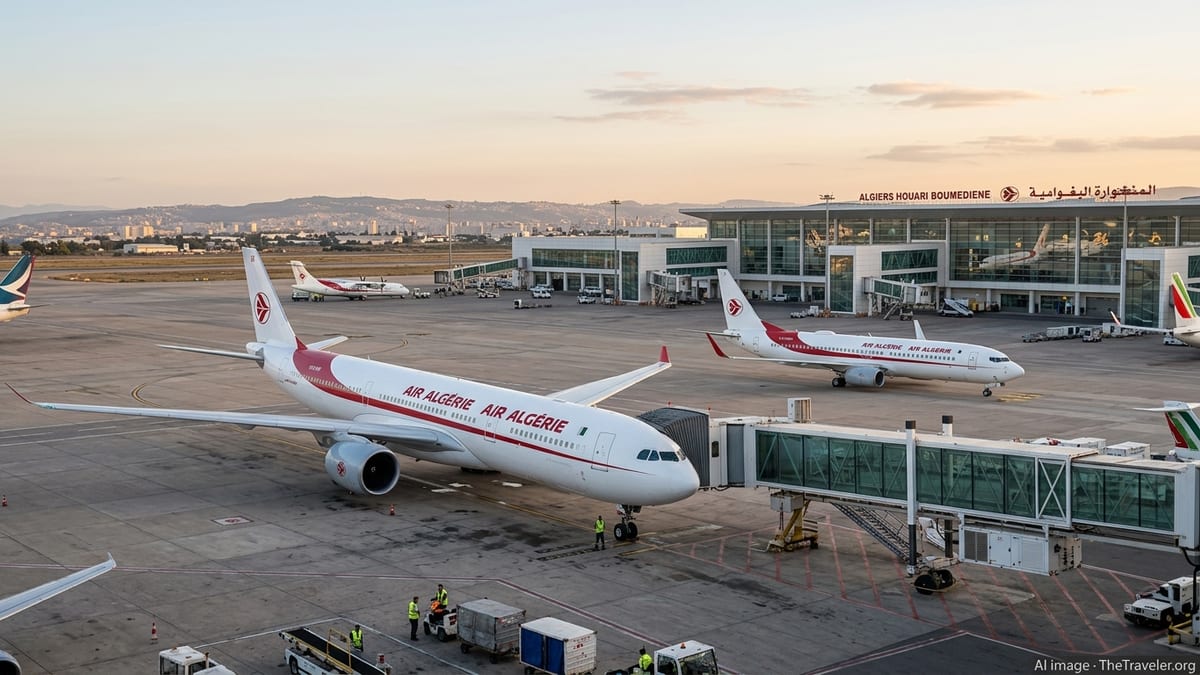
African Union’s Message of Condolence
According to publicly available information, the African Union Commission released a formal tribute after Liamine Zéroual’s death on 28 March 2026 at the age of 84. The communication expressed sympathy to Algeria’s leadership and people, reflecting the close ties between the continental body and a founding member state that has long positioned itself as a key voice in African affairs.
Reports indicate that the statement highlighted Zéroual’s contribution to regional stability and his commitment to African solidarity at a time when both Algeria and the wider continent were navigating transitions. The tone of the message aligns with the African Union’s practice of recognizing former heads of state who played visible roles in liberation struggles, peace processes, or institution-building.
The condolence message also coincides with a three-day national mourning period in Algeria, declared after Zéroual’s passing. Public coverage in Algerian and regional media has emphasized that the African Union’s reaction reinforces the perception of Zéroual as not only a national figure, but also a statesman whose decisions resonated beyond Algeria’s borders.
Travel and political observers note that such statements, although ceremonial, often shape how future generations of Africans and visitors understand the legacies of leaders who governed during turbulent decades.
A Leader During Algeria’s Darkest Years
Liamine Zéroual served as Algeria’s head of state from 1994 to 1999, assuming power in the midst of the country’s civil conflict of the 1990s. Public records describe his tenure as a balancing act between a hard security response to armed groups and efforts to open a narrow political path toward reconciliation, including a presidential election held in 1995.
Historical analyses note that Zéroual’s decision to move toward elections during the conflict marked a turning point in Algeria’s political trajectory. While violence continued for several years, the move signaled an attempt to restore institutional legitimacy and to reassure regional partners concerned about the spillover of instability in North Africa and the Sahel.
Zéroual’s presidency also coincided with renewed Algerian engagement in African diplomacy. Commentators point out that, even while preoccupied with domestic security, Algeria continued to participate in African regional forums and peace efforts, presenting itself as a champion of anti-colonial principles and non-interference while backing mediation initiatives.
For travelers and observers seeking to understand modern Algeria, Zéroual’s period in office often appears as a reference point in museums, public memorials, and editorial coverage that recount the “Black Decade.” The African Union’s recent statement effectively anchors his story within a wider continental narrative of transition from liberation movements to institutionalized governance.
Algeria’s Mourning and Public Tribute
Following news of Zéroual’s death at a military hospital in Algiers, Algerian authorities announced three days of national mourning. Public reports show that his coffin was displayed at the Palais du Peuple in the capital before being transported to his native region of Batna, where final respects were paid in the presence of state representatives, veterans of the independence struggle, and members of the public.
Coverage from Algerian outlets describes long lines of citizens, including younger generations who knew Zéroual primarily as a historical figure, attending the ceremonies to offer condolences. The commemorations emphasized his dual identity as a former head of state and as a “moudjahid,” a veteran of the 1954–1962 war of independence against French colonial rule.
The period of mourning also had visible effects on public life. Reports from Algerian sports media indicate that the national football league postponed fixtures, including the high-profile Algiers derby between MC Alger and USM Alger, in deference to the national mood. Such gestures underlined how deeply Zéroual’s passing resonated in daily life, far beyond political circles.
For visitors in Algeria during these days, the black flags, subdued public events, and televised tributes offered a window into how contemporary Algerian society negotiates memory, particularly of leaders closely associated with both independence and civil conflict.
Pan-African Dimensions of Zéroual’s Legacy
The African Union’s statement places particular emphasis on Zéroual’s contribution to African solidarity, reflecting Algeria’s long-standing role as a supporter of liberation movements and continental cooperation. Historical records recall that Algeria was an early advocate of stronger African coordination, first within the Organisation of African Unity and later within the African Union framework.
Analysts of African diplomacy often underline Algeria’s influence in mediation efforts related to the Sahel, Western Sahara, and other regional issues. While Zéroual’s presidency was shaped by internal crisis, his government continued to host dialogues and support negotiation tracks that aligned with broader African efforts to resolve conflicts through political processes.
Public commentary following the African Union’s tribute suggests that Zéroual’s death has revived reflection on Algeria’s evolving place in Africa. Some assessments highlight how the country’s diplomatic weight, energy resources, and military capabilities have enabled it to act as a security partner and mediator, even as domestic reforms remain a subject of debate.
For the African Union, framing Zéroual’s legacy in a continental context reinforces a key narrative: that the stability of large regional actors such as Algeria is deeply intertwined with the prospects for peace and economic integration across North and sub-Saharan Africa.
What Zéroual’s Passing Means for Travelers and the Region
While Liamine Zéroual has not been an active political player in recent years, his death has prompted renewed attention to Algeria’s contemporary trajectory and its appeal as a destination. Travel specialists note that Algeria has gradually been positioning itself as an emerging market for cultural, historical, and desert tourism, though access and infrastructure still lag behind other North African destinations.
The period of mourning, combined with heightened media focus on Algeria’s political history, has encouraged many would-be visitors to learn more about the country’s past, including the civil conflict that shaped its security architecture. Guides and analysts suggest that understanding this background can help travelers interpret visible signs of military presence, strict security protocols, and the cautious pace of political change.
Regionally, the African Union’s engagement with Algeria at this moment signals the continued importance of the country within North African and Sahel dynamics. Observers point out that as Africa grapples with security threats, energy transitions, and debates over migration, Algeria’s choices on cooperation, borders, and economic diversification will remain closely watched in Addis Ababa and other African capitals.
Zéroual’s passing, and the African Union’s formal tribute, therefore serve as a reminder that the legacies of leaders from the 1990s still shape the political environments travelers encounter across the continent today. For many, it is an invitation to look beyond coastal resorts and major cities and to engage with the deeper historical narratives that define Algeria’s place in Africa.