

More news on this day
Asian travelers are increasingly seeking accommodations with kitchens as they look for more flexible, food-focused trips, with new Agoda data pointing to Taiwanese, Vietnamese and South Korean guests at the forefront of this shift.
Get the latest news straight to your inbox!
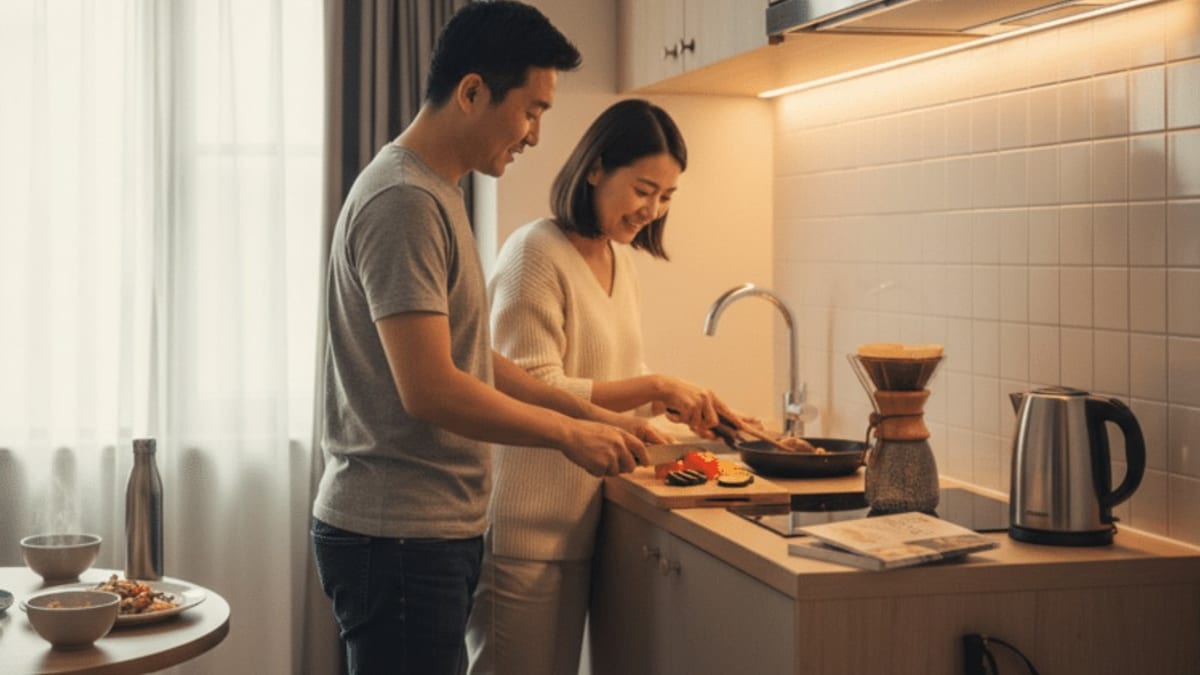
Image by Latest International / Global Travel News, Breaking World Travel News
Kitchens Move From Nice-to-Have to Central Travel Feature
Recent findings from Agoda’s 2026 Travel Outlook report indicate that in Asia, cooking facilities are no longer just an optional extra but an important factor in how people choose where to stay. Across key markets, travelers are gravitating toward apartments, vacation rentals and hotel rooms that offer kitchenettes or full kitchens, aligning with a broader move toward independent and experience-led travel.
The data sits within a wider regional pattern in which travelers use accommodations as multi-purpose spaces, not only for sleep but for socializing, working and dining. Industry analyses of Asia Pacific travel trends show that many guests now expect cooking amenities such as stovetops, microwaves or basic preparation areas, particularly in longer-stay bookings and family trips. The appeal extends beyond cost savings, touching on lifestyle, wellness and a desire for more control over the travel experience.
Reports on accommodation trends in the region also suggest that the popularity of vacation rentals and serviced apartments has helped normalize the idea that a kitchen is part of the standard toolkit for a modern trip. For many Asian travelers, especially those combining work and leisure or traveling with extended family, the ability to cook a simple meal or host a casual gathering is increasingly part of what defines a successful stay.
Taiwanese Travelers Lead a Culinary-Driven Shift
Within Agoda’s latest data, Taiwanese travelers emerge as some of the most food-motivated guests in Asia. Published insights from the Agoda 2026 Travel Outlook report on Taiwanese travelers highlight culinary experiences as a top reason to travel, alongside relaxation and wellness. That emphasis on food translates not only into dining out, but also into greater interest in accommodations that make it easy to cook or prepare ingredients sourced from local markets.
Taiwanese travelers are planning trips typically lasting four to seven days and often traveling with family or partners, a pattern that tends to favor kitchen-equipped stays. Family groups, in particular, benefit from the option to prepare children’s meals, accommodate dietary needs or enjoy late-night snacks without relying on room service or nearby restaurants. Publicly available summaries of the report indicate that value for money also remains important for Taiwanese guests, and self-catering can help stretch budgets while maintaining quality.
Travel behavior studies suggest that Taiwanese travelers are also enthusiastic adopters of digital tools when planning trips, including platforms that allow filtering for kitchens or cooking facilities. That digital fluency makes it easier to seek out and compare properties with the right in-room amenities, reinforcing the trend toward food-centered planning from the earliest stages of trip research.
Vietnamese Guests Embrace Home-Style Stays and Group Cooking
Agoda’s market-specific outlook on Vietnamese travelers points to a similarly strong interest in culinary and cultural experiences, with food frequently cited as a key motivation for travel. At the same time, domestic tourism is growing rapidly among Vietnamese guests, and many are looking for stays that feel familiar and practical while still offering a sense of escape. Kitchens and kitchenettes fit naturally into that equation.
Regional reports on travel behavior in Asia Pacific indicate that Vietnamese travelers are among the most likely to cook or prepare meals when staying in holiday homes and rentals, especially when traveling in groups. Group cooking has become both a social activity and a way to manage costs, as families and friends gather to prepare shared dishes using local ingredients. Properties that advertise well-equipped kitchens, larger dining spaces and easy access to markets are benefiting from this preference.
Price sensitivity is another factor strengthening the appeal of self-catering among Vietnamese travelers. According to publicly available Agoda data, many Vietnamese guests still target nightly rates at budget-friendly levels. Being able to cook breakfast or a few main meals enables travelers to allocate more of their spending toward experiences such as tours, cultural activities and restaurant splurges, rather than relying solely on dining out for every meal.
South Korean Travelers Seek Flexibility and Comfort in the Kitchen
For South Korean travelers, Agoda’s 2026 outlook underscores a blend of relaxation, cultural exploration and culinary discovery as core motivations. Within that framework, kitchens and in-room food preparation spaces support a more flexible rhythm of travel, particularly for families and couples planning trips in the four to seven day range that the report identifies as typical.
Industry coverage of South Korean outbound and domestic travel trends notes that travelers from this market are increasingly open to exploring lesser-known destinations and secondary cities. In such places, having access to a kitchen can offset a limited choice of restaurants or unfamiliar dining hours. Travelers can adapt to local conditions while maintaining a sense of home comfort, from preparing simple breakfasts to trying regional ingredients purchased from neighborhood shops.
Affordability also intersects with this trend. Public data on South Korean accommodation budgets suggest that many travelers target mid-range nightly rates. Choosing properties with kitchens allows guests to balance spending between lodging, food and activities. Rather than committing to higher-end hotels with extensive dining facilities, some are opting for serviced apartments or vacation rentals where the kitchen becomes central to their travel experience.
Food-Centered Travel Reshapes Product Design Across Asia
The combined patterns observed among Taiwanese, Vietnamese and South Korean travelers are contributing to a broader reset in how accommodations in Asia are designed and marketed. Property operators across the region are increasingly highlighting kitchens, kitchenettes and shared cooking spaces in their descriptions, recognizing that these amenities can influence booking decisions just as much as location or décor.
Analysts tracking Asia Pacific hospitality trends point out that the rise of remote work, blended business and leisure trips, and extended family travel has further elevated the role of self-catering facilities. Guests who stay longer are more likely to want home-style conveniences, and many report that being able to prepare at least some meals on-site enhances their overall sense of well-being on the road.
As online booking platforms expand their filtering options and visual content around in-room amenities, travelers can more easily identify which properties support food-centered and flexible itineraries. With Agoda’s latest data highlighting particularly strong appetite for kitchen-equipped stays among Taiwanese, Vietnamese and South Korean guests, industry observers expect more hotels, serviced apartments and vacation rentals across Asia to invest in better cooking facilities as they compete for this growing segment.