

More news on this day
AIDA Cruises is sharpening its focus on digital innovation, partner training and expanded itineraries, a combination that industry observers say is reshaping how European tour operators design and sell cruise holidays.
Get the latest news straight to your inbox!
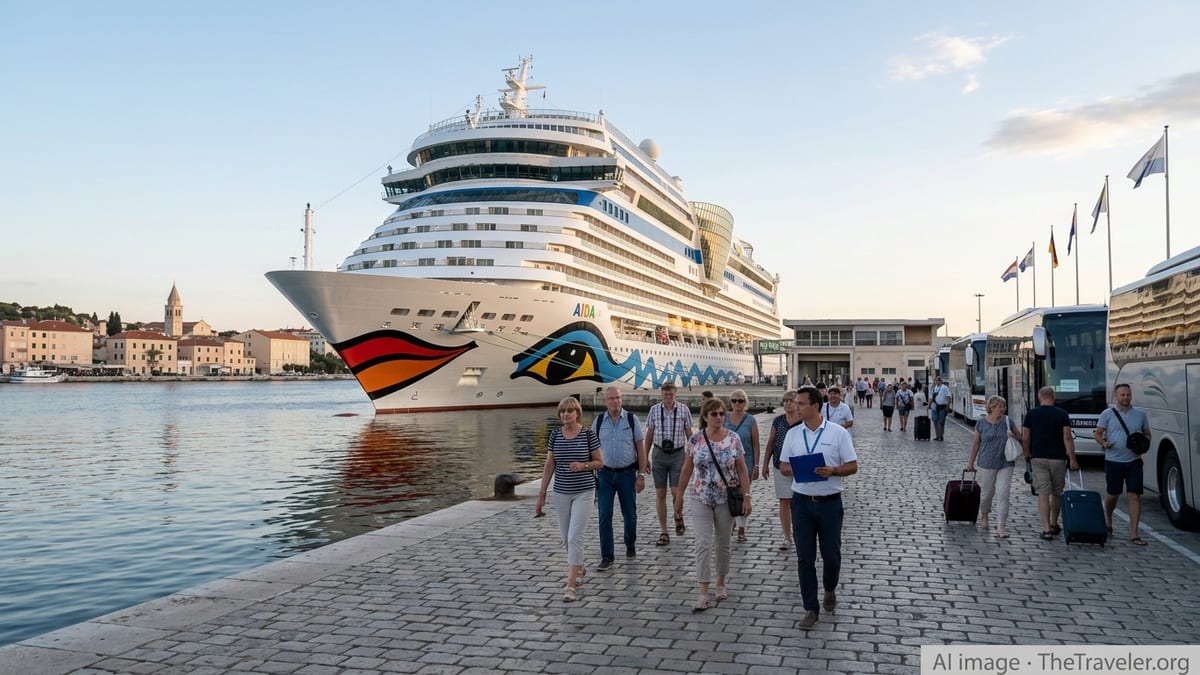
New Digital Ecosystem Supports Travel Agencies and Tour Operators
Publicly available information indicates that AIDA Cruises has invested heavily in a data-driven marketing and booking ecosystem that connects its website, mobile services and partner channels, including travel agencies. Reports on the company’s customer experience strategy highlight the use of advanced analytics platforms to better understand guest preferences before, during and after a voyage, allowing partners to receive more targeted offers and clearer product positioning.
For tour operators and retail travel agents, this approach translates into more precise information on pricing tiers, onboard experiences and demand patterns across European source markets. When combined with established fare structures that range from entry-level light fares to more inclusive premium options, the technology backbone gives intermediaries additional tools to tailor packages around budget, season and destination.
Industry coverage suggests that AIDA’s digital emphasis is particularly relevant to European holidaymakers who still rely heavily on bricks-and-mortar agencies for complex trips, such as multi-generational cruises or longer itineraries that combine sea and land stays. By synchronizing online campaigns with agency sales, AIDA’s model aims to reduce friction in the booking process and to keep tour operators better informed about changing availability and promotional windows.
Training Initiatives Elevate Professional Expertise
AIDA’s long-standing focus on structured training is emerging as another pillar of its collaboration with the trade. The company’s dedicated academy in Rostock has been developed as a central hub for continuing education, offering workshops, simulator sessions and role-specific courses for onboard and shoreside staff. Program descriptions show that the curriculum spans customer service, operations and safety, reflecting the complexity of modern cruise operations.
Separate training programs run in cooperation with maritime competence centers illustrate how service personnel are prepared for front-line guest interaction before they join a ship. Course outlines emphasize hospitality skills, cultural awareness and problem-solving, elements that align closely with the expectations of European tour operators who package cruises as part of wider holiday portfolios.
Beyond internal staff development, AIDA’s international partner network framework indicates that successful travel agencies and tour operators can access additional seminars, ship visits and familiarization trips. These activities are designed to deepen product knowledge, from ship hardware and cabin categories to entertainment concepts and shore excursion logistics. For the trade, such exposure can be critical when advising clients who are comparing Northern Europe, Mediterranean or Canary Islands sailings across multiple brands.
Expanded European Itineraries Broaden Holiday Concepts
Looking ahead to the mid-2020s, AIDA’s published deployment plans point to a broad spread of European options that can be packaged by tour operators into city-break style cruises, nature-focused voyages or longer grand tours. For northern routes, schedules show multiple ships sailing from German ports such as Hamburg, Kiel and Warnemünde on itineraries that reach Norway’s fjords, the Baltic capitals, Scotland and Iceland during the summer season.
In the Mediterranean, program announcements for upcoming summers indicate that ships including AIDAcosma, AIDAstella and AIDAblu will cover the western basin, Adriatic coast and popular Greek and Turkish islands. These routes lend themselves to fly-cruise packages from a variety of European gateways, as well as to pre- and post-cruise stays in cities like Palma de Mallorca, Barcelona or Rome, all of which are familiar territories for established tour operators.
Winter programs further diversify the calendar, with publicly available schedules listing voyages in regions such as the Canary Islands and selected European city ports, alongside long-haul itineraries. Recent adjustments to certain ships’ winter deployments, including a shift in emphasis from Middle East routes toward Northern Europe and the Canary Islands, underscore how security and demand considerations can quickly reshape the holiday map and create new combinations for operators to market.
Network Effects and Shore Excursion Partnerships
AIDA’s economic responsibility reporting highlights an extensive partner network that includes hundreds of port and tour operators across its global footprint. Within Europe, these relationships underpin an array of shore excursions that range from classic city sightseeing and cultural tours to outdoor activities and themed experiences. For tour operators, the breadth of this portfolio allows cruise-based holidays to be marketed either as all-inclusive touring solutions or as modular trips where guests can customize their day ashore.
The company’s collaboration with local excursion providers also feeds into wider destination development. Educational visits for students in port communities and joint events with regional partners, as cited in recent news coverage, suggest an effort to position cruising as part of the broader tourism economy rather than a self-contained product. This narrative can be valuable for European tour operators that increasingly need to address questions around community impact and responsible travel in their marketing materials.
At the same time, performance-based support models for travel agencies, described in corporate responsibility disclosures, appear to reward high-volume partners with enhanced services and access to training initiatives. These network effects can incentivize operators to deepen their specialization in AIDA product, which in turn may result in more sophisticated packaging of cruise-and-stay options across Europe’s key coastal regions.
What It Means for European Holidaymakers and the Trade
For consumers, the combination of digital innovation, professional training and expanded deployment means a wider choice of cruise holidays that can be tailored more closely to personal preferences. Guests booking through tour operators may encounter more nuanced advice about ship atmospheres, seasonal advantages and route characteristics, particularly when comparing Northern Europe’s scenic fjords and Baltic cities with the sun-driven appeal of the Mediterranean or the Canary Islands.
For tour operators and travel agencies, AIDA’s evolving strategy reinforces the importance of product expertise and real-time information. As itineraries for seasons such as 2026 and 2027 are released with hundreds of departures from European ports, the ability to interpret deployment patterns, understand fare structures and integrate shore experiences will shape how effectively these cruises are positioned within wider holiday brochures.
Industry analysts note that the broader cruise sector is facing shifting geopolitical, environmental and consumer trends, which can lead to relatively rapid changes in routing and capacity. In that context, AIDA’s investment in technology, training and partner support is likely to remain under close observation by European tour operators looking to maintain a competitive edge in the growing but demanding cruise holiday market.