

More news on this day
As AIDA Cruises approaches its 30th anniversary in 2026, the German brand is using the milestone to push a new "expicruises" trend in Europe, aligning fleet investments, itineraries and shore programs around longer stays in port, deeper cultural encounters and more immersive storytelling ashore and on board.
Get the latest news straight to your inbox!
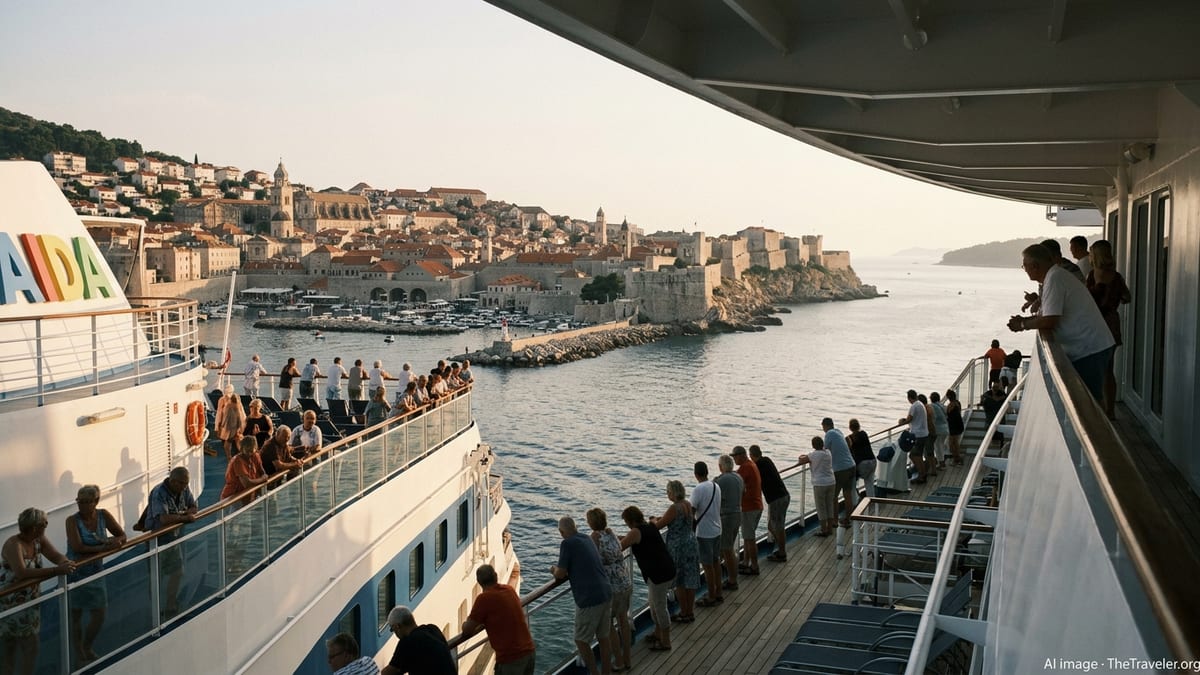
Anniversary Milestone Sets the Stage for a New Cruise Era
Publicly available information shows that AIDA Cruises, which launched its first ship AIDA in 1996, is building toward a yearlong 30th anniversary celebration in 2026, with special voyages, entertainment concepts and fleet upgrades already in planning. Industry coverage indicates that the company sees this milestone not only as a birthday, but as an opportunity to clarify how European guests want to travel in the next decade, with a clear pivot toward culture-forward experiences and itineraries that feel more like extended city breaks than traditional resort-at-sea holidays.
Reports indicate that AIDA’s recent program announcements for 2025 and 2026 are consistent with this direction, featuring a mix of Northern Europe, Mediterranean, Atlantic islands and world cruise deployments that emphasize time in port and access to regional culture. Trade publications highlight late departures, overnight calls and more small-group options as tools to turn standard port calls into what the brand increasingly markets as in-depth destination journeys rather than simple sightseeing stops.
Within this context, cruise analysts describe the emerging "expicruises" trend as a natural extension of a broader shift in the European market, where guests seek experiences they can recount as personal narratives rather than checklists of ports. For AIDA, the 30th anniversary provides a clear narrative hook to bundle these changes into a recognizable concept, reinforcing the idea that the brand’s next three decades will be anchored in immersion, authenticity and connection with local communities.
Immersive Shore Programs and Longer Days in Port
One of the clearest signals of this shift comes from AIDA’s expanding shore excursion portfolio, which already runs into the thousands of options worldwide. Earlier initiatives developed with partners such as National Geographic have focused on smaller groups, expert local guides and routes that move beyond familiar postcard views to lesser-known neighborhoods, culinary scenes and natural landscapes across France, Italy, Greece, Spain, Turkey and the Atlantic islands. These programs are framed as intentionally designed for guests who want context, not just photo opportunities.
European deployment data for the 2025 to 2026 seasons points to a growing emphasis on late stays and overnight visits in cultural capitals and secondary ports, giving passengers more time to explore museums, markets and local nightlife without feeling bound to structured tours. Travel trade reports describe itineraries where more than half of port time is scheduled as evenings or extended calls, a pattern that supports the expicruises idea of turning each stop into a layered experience spanning food, history and everyday city life.
In practical terms, this is changing what a typical day ashore looks like for AIDA guests. Instead of a single half-day coach tour, booking patterns increasingly favor combinations of independent exploration and curated experiences, such as local cooking workshops, guided architecture walks or visits to social enterprises. Destination marketing bodies in Europe are responding by partnering with cruise lines on products that disperse visitors into lesser-known districts and rural communities, a model that aligns with AIDA’s stated focus on more sustainable and locally rooted tourism.
European Routes Reimagined Around Culture and Storytelling
Looking toward the anniversary year, coverage of AIDA’s scheduled deployments suggests that Europe will remain the core laboratory for its expicruises approach. Northern Europe programs include calls in Scandinavia and the Baltic region, with itineraries framed around themes such as design, maritime heritage and contemporary cuisine. Mediterranean voyages are being marketed around regional narratives that connect coastal cities, islands and hinterlands into coherent stories that unfold over a week or more, rather than isolated day trips.
Trade reports on AIDA’s anniversary-themed sailings indicate that certain voyages in 2026, including commemorative cruises in the Baltic and North Sea, are being curated as retrospectives of the line’s three decades in the region. These itineraries are expected to revisit ports that played a role in AIDA’s growth while showcasing how destinations themselves have evolved, from former industrial waterfronts turned into cultural districts to historic city centers balancing preservation with modern urban life.
At the same time, AIDA’s wider global deployment, including long-haul voyages and world cruises that touch the United States, Asia and Africa, is being positioned as an extension of the European immersion model rather than a separate product line. Marketing materials describe these sailings in terms of extended narratives that cross continents and cultures, reinforcing the idea that expicruises are defined less by geography and more by the depth of experience at each stop along the way.
Onboard Concepts Support Deeper Cultural Engagement
The shift toward expicruises is also visible on board, where entertainment, dining and enrichment programs are increasingly aligned with destinations. Cruise industry coverage notes that AIDA has been refining its portfolio of theme cruises, adding voyages centered on literature, dance, comedy and gastronomy that are tied to the regions visited. For the 2025 to 2026 seasons, this includes events that combine performances by guest artists with workshops and talks designed to give cultural context to ports on the itinerary.
Culinary offerings are another important pillar. In keeping with wider trends in premium and contemporary cruising, publicly available information shows that AIDA is placing stronger emphasis on regionally inspired menus, collaborations with local producers and rotating specialty offerings that reflect ports visited that week. Guests can expect more dishes that highlight specific ingredients and culinary traditions, supported by informal explanations and storytelling that link what is on the plate to what they see ashore.
Onboard programming is also adapting to travelers who want to arrive in port better informed. Destination-focused talks, language taster sessions and informal briefings on local customs are becoming more prominent in daily schedules, often replacing or complementing generic lecture formats. This kind of preparation, paired with longer port stays, supports the expicruises idea that meaningful cultural experiences start before the gangway is lowered and continue long after guests return to the ship.
Fleet Evolution and Sustainability Underpin the Strategy
Behind the scenes, AIDA’s anniversary-era strategy is supported by a long-term fleet modernization plan. Corporate releases from parent company Carnival Corporation outline orders for a new generation of AIDA ships to be delivered in the early 2030s, featuring multi-fuel capable engines, improved energy efficiency and layouts that prioritize outdoor spaces and public areas geared toward relaxation and observation. These investments are positioned as part of a broader pathway toward lower-emission cruising and align with the notion that guests increasingly expect environmental responsibility to underpin any premium travel experience.
In parallel, existing ships are undergoing refurbishments under programs such as AIDA Evolution, which focus on updating cabins, public rooms and technical systems. Trade coverage of these refurbishments points to enhanced wellness areas, refreshed dining venues and technology upgrades that support more seamless guest experiences, including shore excursion planning and destination content delivered via onboard apps. By aligning hardware improvements with its experiential ambitions, the brand is signaling that expicruises are intended to be a long-term shift rather than a short-lived marketing slogan.
Industry observers suggest that as AIDA enters its fourth decade, its anniversary messaging and product development could influence how other European lines frame their own offerings, particularly in German-speaking markets. If demand for deeper cultural connection and longer days in port continues to grow, the expicruises trend emerging around AIDA’s 30th anniversary may help redefine European ocean cruising as a mode of slow, narrative-driven travel that sits somewhere between a traditional package holiday and an independently planned land tour.