

More news on this day
AIDA Cruises is accelerating its largest-ever fleet refresh, confirming that four additional Sphinx-class ships will undergo AIDA Evolution upgrades by 2028, a move that positions the German brand as a testbed for the future of tech-enabled, lower-impact ocean travel.
Get the latest news straight to your inbox!
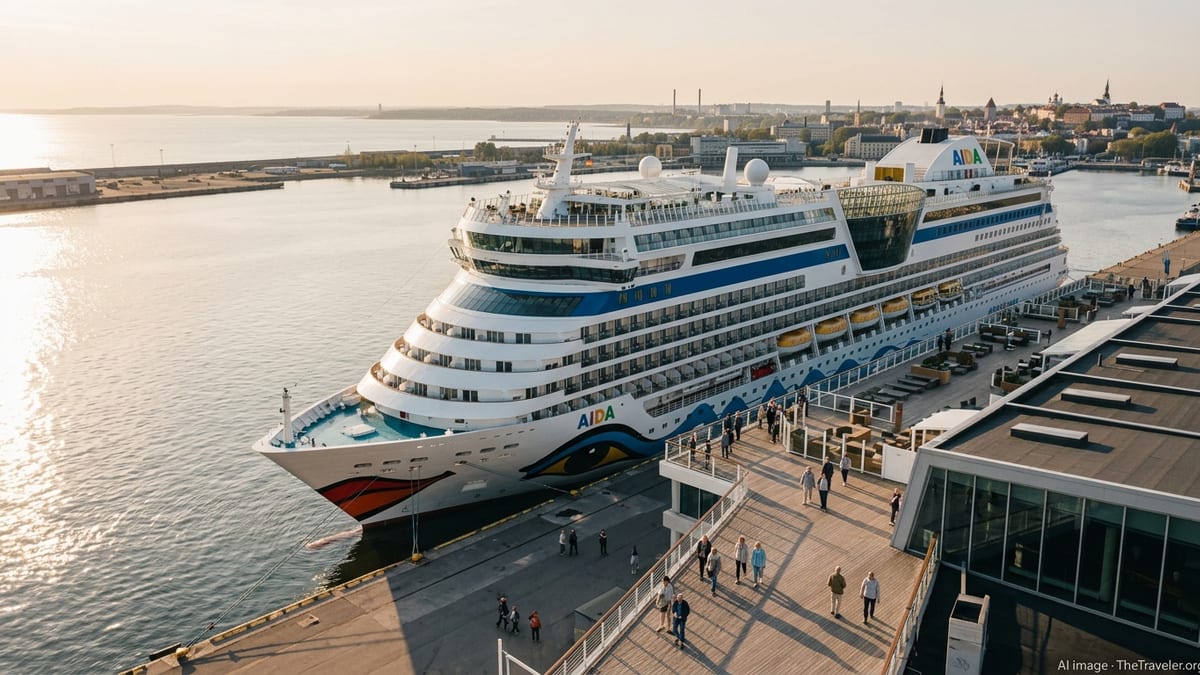
AIDA Evolution Enters Its Next Phase
Publicly available information shows that AIDA Evolution began in early 2025 with a full refit of AIDAdiva at the Chantier Naval shipyard in Marseille, introducing a new interior design language, upgraded guest technology and more efficient onboard systems. The program is described in industry reports as the most extensive modernization initiative in the company’s history, targeting the popular mid-sized Sphinx-class vessels that anchor AIDA’s deployment in Europe.
After the first wave of refits on AIDAdiva, AIDAluna and AIDAbella, industry coverage now indicates that four additional sister ships are confirmed to enter drydock under the Evolution banner: AIDAblu, AIDAsol, AIDAmar and AIDAstella. These upgrades are being phased in through 2028, creating a rolling pipeline of refreshed tonnage that allows the brand to keep capacity in the market while systematically upgrading ship hardware and the onboard product.
Cruise-sector analysts note that the investment runs into the high hundreds of millions of euros, a signal that AIDA’s parent company Carnival Corporation sees long-term value in modernizing these ships rather than replacing them in the short term. For travelers, that means familiar vessels will return to service with a noticeably more contemporary look and feel, particularly in cabins, public spaces and digital services.
Four Additional Ships Set for Deep-Dive Refits
Reports from trade publications focused on cruise operations indicate that AIDAblu, AIDAsol, AIDAmar and AIDAstella will each undergo multi-week drydock periods that go far beyond routine maintenance. The Evolution scope typically spans structural refurbishments, full cabin makeovers, refreshed restaurants and lounges, revamped spa and wellness areas, and expanded family and activity zones tailored to the German-speaking market.
AIDAmar is highlighted in recent coverage as one of the first among the second wave, with a refit window scheduled for late 2026 and a drydock of roughly 50 days. AIDAblu, AIDAsol and AIDAstella are then slated to follow in stages through 2028, giving shipyards and design teams time to iterate on guest feedback from the earliest Evolution projects and roll successful concepts across the class.
For travelers, the staged timetable means that itineraries marketed from 2026 onward increasingly feature ships that have been through the Evolution process. Cruise guides suggest that guests can expect more balcony and premium-category cabins, additional specialty dining venues, and a clearer separation between quieter retreat-style areas and more active social hubs on board.
From Hardware to Experience: What Changes Onboard
According to published coverage of the completed AIDAdiva and AIDAluna refits, the visible changes for guests begin in the cabins, where new color palettes, modern materials and updated lighting aim to make older stateroom footprints feel brighter and more spacious. Bathrooms, bedding and storage solutions are being renewed, and digital elements such as upgraded TVs and improved in-cabin connectivity are becoming standard expectations rather than premium perks.
Elsewhere on board, refit documentation and design features highlighted at cruise interiors trade events point to redesigned buffet and main dining spaces, with a mix of contemporary German and international concepts, as well as refreshed bar and lounge zones that lean into day-to-night flexibility. Family travelers are likely to notice upgraded kids’ clubs, play areas and pool decks, while adults can expect reworked spa and fitness facilities that align more closely with modern wellness trends.
Behind the scenes, the upgrades are also about the less visible parts of the travel experience. Shipyard reports reference new hotel systems, optimized air conditioning, improved sound insulation and reconfigured back-of-house spaces, all of which aim to smooth operations and create a more consistent onboard atmosphere, whether the ship is in the Baltic, the Canary Islands or the Mediterranean.
Efficiency, Circular Design and Lower-Impact Cruising
Energy efficiency and circular-economy thinking are emerging as key themes within AIDA Evolution. Coverage of the AIDAluna project, for example, describes the installation of recycled carpet underlays produced from material reclaimed from AIDAluna and AIDAdiva, a concept that has already been recognized with interior design sustainability awards in the cruise sector. Similar material choices are expected to roll out to the four newly announced ships as their refits proceed.
Sustainability reports from AIDA and Carnival Corporation outline broader goals to reduce carbon intensity compared with 2019 levels, and the Evolution program is framed as one component of that strategy. While these mid-life modernizations cannot convert existing tonnage to new fuel types overnight, public data indicates that upgrades often include more efficient propulsion and hotel systems, new waste-handling technologies and better integration with shoreside power where available.
In practice, those changes may translate into quieter voyages, smoother port calls and a reduced local footprint when ships are alongside. For travelers increasingly sensitive to the environmental impact of their holidays, these incremental improvements can be a deciding factor when comparing older and newer vessels across different brands.
AIDA’s Future Network of Modernized and Newbuild Ships
The decision to extend AIDA Evolution to four more ships arrives alongside plans for two new-generation AIDA vessels due around 2030 and 2032, as disclosed in corporate announcements. Industry observers note that by the early 2030s the brand expects to operate a blended fleet in which much of the existing Sphinx class has been comprehensively modernized while new, more efficient ships come online.
This combined approach allows AIDA to maintain a strong presence in core markets such as Northern Europe, the Canary Islands and the Mediterranean, while experimenting with longer and more exotic routes that take advantage of refreshed hardware. As more ships complete their Evolution drydocks, travel planners anticipate a wider choice of itineraries featuring upgraded onboard products without a dramatic jump in ship size.
For travelers planning cruises over the next several years, the expansion of AIDA Evolution to AIDAblu, AIDAsol, AIDAmar and AIDAstella signals that the line’s mid-sized ships are being prepared for a longer, more sustainable future. As each vessel returns from drydock, the experience is expected to edge closer to what guests might find on brand-new ships, while retaining the familiar atmosphere and itineraries that have built AIDA’s following in German-speaking markets.