

More news on this day
Air Algérie has unveiled plans to acquire 10 Boeing 737 MAX 8 aircraft as part of an aggressive fleet renewal and expansion strategy, a move widely viewed as a bid to sharpen Algeria’s competitiveness in regional air travel and unlock new tourism potential across the country.
Get the latest news straight to your inbox!
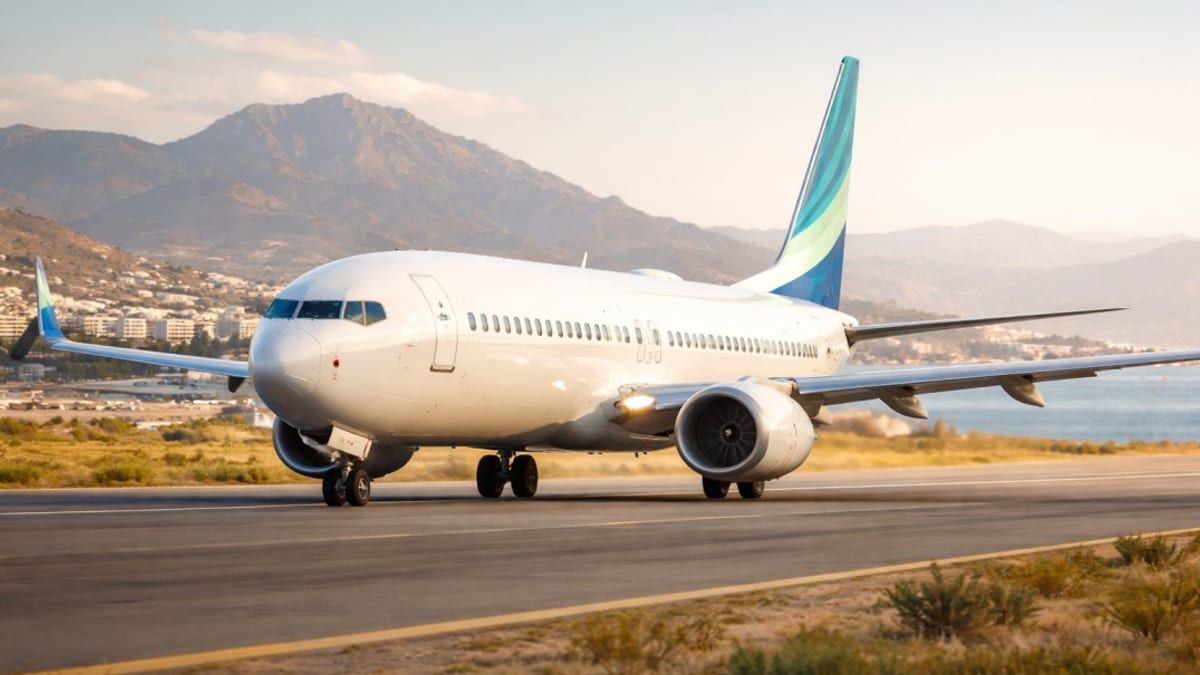
Image by Travel And Tour World
A New Phase in Air Algérie’s Fleet Expansion
Publicly available information shows that Air Algérie is deep into a multiyear renewal program covering both narrowbody and widebody aircraft. Earlier stages centered on Airbus A330neo widebodies and Boeing 737 MAX 9 jets for longer regional and medium-haul missions. The newly reported order for 10 Boeing 737 MAX 8s adds a second, slightly smaller MAX variant to that plan, broadening the airline’s flexibility across its network.
Reports indicate that the latest MAX 8 order comes on top of previously confirmed commitments for eight 737 MAX 9 aircraft and additional Airbus widebodies. Together, these investments point to an intent to replace aging 737 Classics and NGs while adding growth capacity at the same time. The MAX 8s, which seat fewer passengers than the MAX 9 but offer comparable range and fuel savings, are expected to become workhorses on dense domestic, North African and short European routes.
Industry coverage suggests that deliveries will be phased over several years and aligned with Air Algérie’s broader 2035 strategic plan, which targets a larger fleet, higher reliability and a stronger presence in both African and Euro-Mediterranean markets. The carrier has also expanded its use of leased aircraft to bridge the gap between current demand and the arrival of its new jets.
The additional MAX 8s are set against a backdrop of operational challenges experienced in recent years, including aircraft grounded for maintenance and spare-parts shortages. By moving proactively on new-technology narrowbodies, the airline appears to be seeking to stabilize its core fleet while setting the stage for growth.
Boosting Tourism and Connectivity Across Algeria
The decision to standardize a significant portion of the narrowbody fleet around the Boeing 737 MAX family carries clear implications for tourism. Algeria has been pushing to draw more visitors to its Mediterranean coastline, Sahara desert regions and cultural sites, but air access has often lagged behind better-known North African rivals. Additional, more efficient narrowbody aircraft can help support higher flight frequencies to key gateways such as Algiers, Oran and Constantine.
According to published coverage of the airline’s strategic roadmap, Air Algérie aims to expand its African network and deepen links with Europe and the Middle East. The 737 MAX 8’s range and economics make it suitable for connecting secondary Algerian cities with major hubs in France, Spain, Italy and the Gulf, potentially reducing the need for passengers to backtrack through Algiers on every trip.
More capacity and better scheduling flexibility could also support inbound tour operators that package Sahara itineraries or coastal stays, which often depend on reliable, year-round air links. With lower fuel burn per seat than older models, the MAX 8s can make thinner, seasonal or experimental routes more viable, enabling the carrier to test new tourism markets with less financial risk.
Improved domestic connectivity is another likely benefit. Algeria’s geography, with long distances between northern cities and the country’s vast interior, favors air travel over ground transport for many journeys. A refreshed narrowbody fleet gives Air Algérie the tools to add frequencies on trunk domestic routes and to better integrate future services from its new regional subsidiary focused on internal flights.
Efficiency, Sustainability and Passenger Experience
The Boeing 737 MAX 8 is marketed as delivering notable fuel savings compared with previous-generation 737s, alongside lower emissions and reduced noise footprints. Industry analyses typically cite double-digit improvements in fuel burn per seat, a key metric for airlines facing volatile fuel prices and tightening environmental expectations. For Air Algérie, these characteristics align with efforts to cut operating costs while responding to growing scrutiny of aviation’s climate impact.
Fleet commonality is another important element. Operating both the MAX 8 and MAX 9 allows Air Algérie to leverage shared pilot training, maintenance procedures and spare parts, which can simplify operations and generate economies of scale. That, in turn, can support more competitive ticket pricing on leisure-heavy routes crucial to tourism growth.
Onboard, the MAX family allows airlines to install updated cabins with modern seating, larger pivoting overhead bins and improved lighting schemes. While the exact configuration for Air Algérie’s MAX 8s has not yet been publicly detailed, the aircraft type is generally compatible with the latest inflight entertainment and connectivity options. This gives the carrier an opportunity to raise its product standard on key routes frequented by international visitors and the Algerian diaspora.
As Air Algérie introduces new Airbus A330neos on long-haul services and MAX aircraft on medium-haul and regional sectors, the overall passenger experience is likely to become more consistent across the network. For travelers considering Algeria as a destination, a newer, more reliable fleet can help reduce travel friction and improve perceptions of the national carrier.
Positioning Algeria Within an Evolving African Aviation Market
The move to acquire 10 additional 737 MAX 8s also reflects broader trends in African aviation. Boeing’s long-term market outlook anticipates that African carriers will require hundreds of new single-aisle aircraft over the next two decades, driven by economic growth, urbanization and rising demand for air travel within the continent and beyond. Airlines from West, East and Southern Africa have recently placed MAX orders or leases as they modernize their fleets.
By strengthening its narrowbody orderbook, Air Algérie is positioning itself among the more assertive African flag carriers pursuing growth beyond their home markets. Reports on the company’s strategy point to ambitions to double the number of African destinations served, while fortifying links to Europe and the Middle East where significant Algerian communities reside.
The focus on efficient single-aisle jets is especially relevant for North African hubs competing for connecting traffic between sub-Saharan Africa, Europe and the Gulf. As airlines across the region modernize, the ability to offer competitive schedules, up-to-date aircraft and reliable operations will shape which airports emerge as preferred transit points.
For Algeria, a scaled-up and modernized Air Algérie could support broader economic goals related to tourism diversification, trade and investment. While the success of the 737 MAX 8 plan will depend on execution, regulatory frameworks and market demand, the commitment signals that the country intends to play a more prominent role in regional air transport.