

More news on this day
Air Canada has abruptly suspended all flights to Tel Aviv and Dubai amid a rapidly escalating military crisis in the Middle East, leaving Canadian travelers and those transiting through the region scrambling to rework immediate and early-March itineraries.
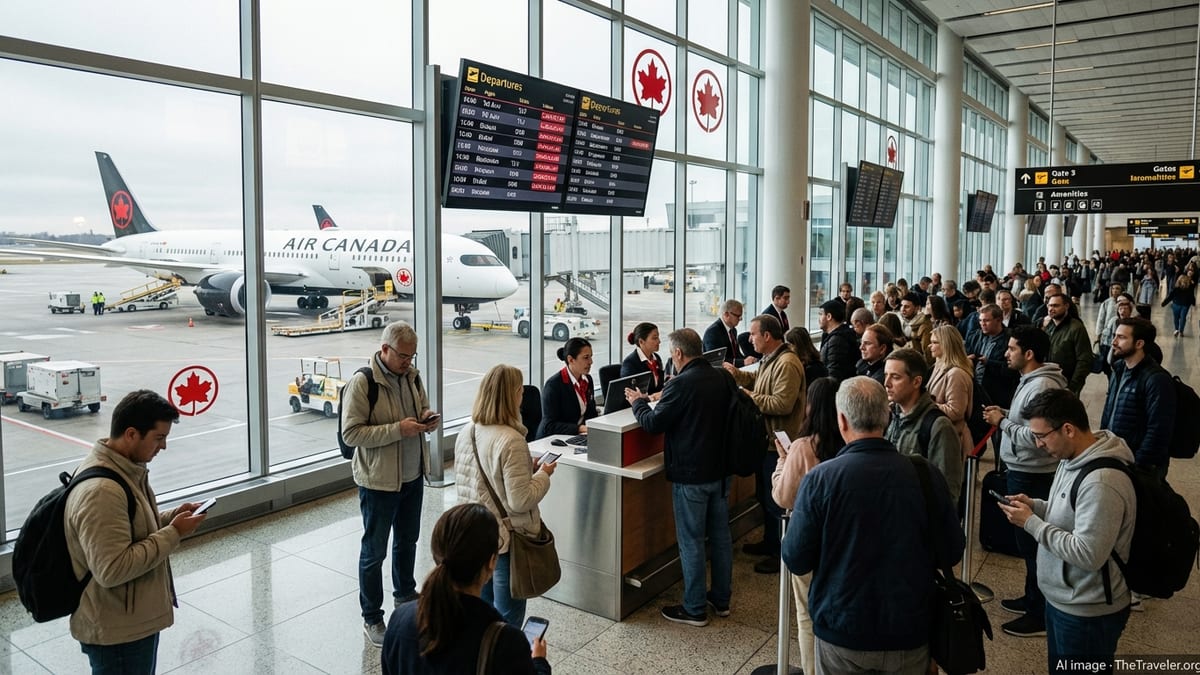
What Air Canada Has Announced So Far
Air Canada confirmed on February 28, 2026 that it has suspended flights to both Tel Aviv’s Ben Gurion Airport and Dubai International Airport, citing the "current military situation" and regional airspace restrictions triggered by United States and Israeli strikes on Iran and subsequent retaliation. The carrier has told customers not to proceed to either airport and is instead directing them to manage their bookings online or through call centres.
According to the airline’s latest travel advisory, all flights to and from Dubai and Tel Aviv are on pause while safety assessments continue in consultation with government and security authorities. Industry updates indicate that flights from Canada to Israel have been cancelled at least through March 8, while Canada–Dubai services are suspended through the first days of March, with the possibility of further extensions if the conflict widens or airspace closures persist.
The move comes after a series of earlier disruptions on these routes over the past two years, including prior suspensions of Tel Aviv services following the Israel–Hamas war and multiple pauses of Toronto–Dubai flights during previous security flare-ups. For now, however, Air Canada’s latest decision amounts to a complete stop on its direct links to both Israel and the United Arab Emirates.
How the Middle East Conflict Is Disrupting Air Travel
The suspension of Air Canada’s Israel and Dubai flights is part of a wider, fast-moving disruption to aviation across the Middle East. A large-scale joint military operation by the United States and Israel against targets in Iran, followed by missile and drone retaliation, has led to temporary airspace closures and rerouting through key corridors used by long-haul carriers.
Air navigation authorities in parts of the region have restricted or closed portions of airspace, forcing airlines to divert flights around conflict zones or cancel services altogether. Routes over or near Iran, Iraq and the Gulf are particularly affected, impacting not just point-to-point travel to Israel and the UAE but also global connections linking North America and Europe with South Asia and East Africa.
Other international airlines have also suspended or significantly reduced operations to affected destinations, especially Tel Aviv and Gulf hubs. For Canadian passengers, that means capacity constraints across multiple carriers, longer flying times on rerouted services and, in some cases, missed onward connections as schedules are reworked at short notice.
What Stranded and Upcoming Passengers Can Expect
For travelers already in Israel or Dubai with Air Canada tickets in the coming days, the priority is to avoid heading straight to the airport. The airline is advising passengers to monitor their booking online and watch for email notifications outlining options, which may include free rebooking, travel credits or full refunds for cancelled segments.
If you booked through a travel agent or tour operator, you will likely need to work through them to adjust your itinerary. Travelers holding Air Canada Vacations packages are being directed to contact the tour arm’s dedicated call centre for re-accommodation or refunds. Given the volume of disruption, wait times on phone lines may be lengthy, and many agents are processing changes in order of departure date, starting with those scheduled to travel within the next 72 hours.
Passengers in transit or with complex multi-city itineraries may face additional complications. With other airlines also trimming services, rebooking onto alternative routings through Europe or other Gulf hubs may be challenging on peak days. Travelers should be prepared for overnight layovers, changes in cabin class or dates, and the possibility that some trips may need to be postponed entirely until the security outlook stabilizes.
Key Advice If You’re Planning to Travel Soon
For anyone with an upcoming trip involving Israel, Dubai or connections through the wider Middle East, the most important step is to verify every sector of your itinerary before you leave home. Even if your original destination is outside the conflict zone, your flight may route through affected airspace or rely on codeshare partners that are altering schedules.
Travelers should review their airline’s travel alerts at least daily, confirm that the contact details in their booking are accurate and enable notifications so schedule changes are received in real time. Those with flexible plans may wish to proactively shift to routings that avoid the region altogether, even if their flight is still technically scheduled to operate.
It is also essential to check the latest government travel advisories for Israel, the Palestinian territories, Iran and neighboring states, as many countries are now discouraging non-essential travel to parts of the Middle East. Comprehensive travel insurance that includes coverage for trip interruption and unforeseen accommodation costs can be valuable, but policies vary widely on what is covered during war or armed conflict, so travelers should read the fine print before relying on it.
What This Means for Future Links Between Canada, Israel and the Gulf
Air Canada’s latest move underlines just how fragile long-haul connectivity to politically sensitive regions can be, even after routes appear to have recovered. The airline only resumed regular Tel Aviv flights after earlier hostilities, and its Dubai services have already seen prior suspensions and seasonal adjustments tied to both security and commercial considerations.
In the near term, the suspension will sharply reduce direct capacity between Canada and both Israel and the United Arab Emirates, with knock-on effects for business travelers, visiting friends and relatives, and Canada’s sizeable diaspora communities with ties to the region. Travelers who depend on these routes may find themselves relying more heavily on European or U.S. gateways once airlines restart operations.
Looking ahead, the speed at which Air Canada restores its Tel Aviv and Dubai schedules will hinge on how quickly airspace restrictions ease and whether security assessments deem the routes safe. For now, the only certainty for would-be travelers is uncertainty itself: anyone planning to fly into or over the Middle East in the coming weeks should remain prepared for last-minute changes and build extra flexibility into their plans.