

More news on this day
Air Canada has begun deploying its first retrofitted Boeing 737 MAX 8 on Air Canada Rouge routes, marking a major step in the carrier’s fleet transformation and signaling a refreshed era for leisure travel across North America and the Caribbean.
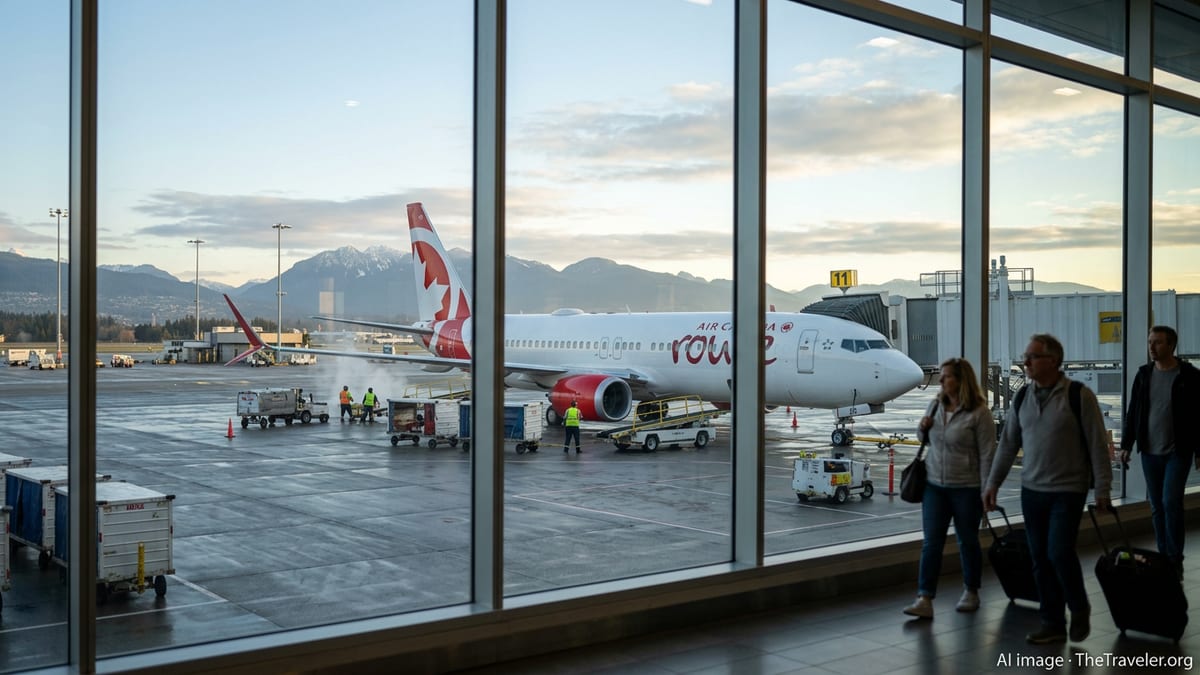
A Milestone in Air Canada’s Fleet Transformation
The first Boeing 737 MAX 8 entered Rouge service in early March, operating sun and leisure routes that form the backbone of the brand’s network across Canada, the United States, Mexico and the Caribbean. The move is part of a multi‑year plan to transfer up to 45 Boeing 737 MAX aircraft from Air Canada’s mainline operation to Rouge by the end of 2026, gradually phasing out the leisure carrier’s Airbus narrowbodies.
Positioned as the airline’s dedicated leisure arm, Rouge will now become the primary home for the 737 MAX in Air Canada’s portfolio. The shift allows the mainline carrier to focus its medium‑haul flying on Airbus A220 and A320‑family jets while Rouge concentrates on high‑demand holiday markets using a standardized Boeing narrowbody fleet.
The transition is being framed by the airline as both a cost and customer‑experience play. Modern, fuel‑efficient aircraft are expected to lower operating costs on competitive vacation routes while giving Rouge the tools to offer more consistent cabins and amenities, particularly for travelers heading south in the winter peak.
New Cabin: More Comfort for Leisure Travelers
The Rouge Boeing 737 MAX 8 features a completely refreshed interior tailored to holidaymakers, with a two‑class layout including a small premium cabin and a larger economy section. Seats have been updated with new upholstery, adjustable headrests and in‑seat power at every seat, addressing frequent complaints about dated interiors on older Rouge jets.
While the exact seat pitch can vary slightly by row, the layout aims to balance capacity with comfort on flights that typically run between four and six hours to sun destinations. Soft‑touch cabin sidewalls, redesigned overhead bins and modern LED mood lighting contribute to a brighter, more contemporary feel than many travelers associate with Rouge’s early years.
In keeping with broader industry trends, the airline is leaning heavily into personal devices instead of seatback screens. The 737 MAX 8 offers streaming entertainment to passengers’ phones, tablets and laptops, supported by upgraded onboard connectivity. The carrier is positioning this as an advantage, giving customers a familiar, app‑based experience while reducing the weight and maintenance costs of embedded hardware.
Complimentary Drinks, Canadian Snacks and Connected Flying
One of the most significant changes for travelers is the standardization of complimentary refreshments across Rouge’s North American and Caribbean network. On the new 737 MAX services, all customers receive free beer and wine, including a non‑alcoholic beer option, along with a rotation of Canadian‑made snacks such as morning bars, pretzels and cookies depending on time of day.
These inclusions bring Rouge closer in line with what many full‑service carriers offer on comparable leisure routes and are likely to be welcomed by cost‑conscious families and couples heading to sun destinations. Paid options remain available for those seeking additional drinks or more substantial food, but the baseline experience has been meaningfully upgraded from the bare‑bones service some travelers associate with low‑cost holiday flying.
Connectivity is another pillar of the new Rouge product. The refreshed 737 MAX 8 aircraft are equipped for high‑speed Wi‑Fi, with Aeroplan members gaining access to fast, free messaging and browsing on many routes as part of a broader push to differentiate the airline’s loyalty offering. Streaming‑capable internet is available for purchase, allowing travelers to watch their own content or work in the air while en route to beach resorts or city breaks.
Vancouver Base and Expanded Sun Network
The launch of the 737 MAX at Rouge coincides with the opening of a new Rouge crew base at Vancouver International Airport, underscoring the importance of Western Canada in the airline’s leisure strategy. Positioning aircraft and crews in Vancouver allows Rouge to add more nonstops from the Pacific coast to Mexican and Caribbean destinations, tapping pent‑up demand from travelers who previously had to connect through Calgary or Toronto.
New and expanded routes are being rolled out progressively as additional 737 MAX aircraft join the Rouge fleet. Early schedules emphasize classic winter favorites such as Cancun and Puerto Vallarta from key Canadian gateways, with the flexibility to upgauge or add frequencies as more jets arrive through 2026. The aircraft’s range also gives planners options for deeper Caribbean and southern U.S. sun markets without sacrificing operational efficiency.
For airports and tourism boards across the region, the transition signals that Air Canada intends to compete aggressively in the leisure space even as low‑cost rivals consolidate. More consistent Rouge capacity, especially in peak periods, could help stabilize seasonal seat supply and give travelers a wider choice of departure points beyond the traditional hubs in Toronto and Montreal.
What Travelers Should Watch For When Booking
For passengers, the key detail to watch on an itinerary is the aircraft type and operating carrier. Flights marketed by Air Canada but operated by Rouge on the Boeing 737 MAX 8 will typically be labeled as such in booking engines, indicating the new cabin, complimentary drinks and snacks, and Rouge‑specific crew and branding. Travelers hoping to experience the refreshed product may want to seek out routes that explicitly list the 737 MAX 8 under Rouge rather than older Airbus equipment.
As more aircraft transition, aircraft swaps will remain possible, especially during the shoulder seasons and while the fleet mix is still in flux. Frequent flyers monitoring schedules may see routes flip between mainline and Rouge as planners optimize capacity and aircraft utilization. Those with firm preferences for cabin style or loyalty benefits are being advised by travel agents to check reservations periodically in the months before departure.
Industry analysts note that the full impact of the 737 MAX move will only be felt once the majority of the 45 aircraft have shifted to Rouge and the legacy Airbus fleet has been redeployed or retired. By that point, likely in late 2026, Air Canada expects to operate a more streamlined, clearly segmented product lineup: mainline for business and long‑haul connecting traffic, and Rouge for price‑sensitive sun and leisure travel anchored by the refreshed Boeing 737 MAX 8.