

More news on this day
Air Canada intends to challenge a proposed $426,000 administrative penalty from Canada’s air transport regulator, after a wave of passenger complaints linked to the airline’s turbulent 2025, when a high-profile flight attendant strike and widespread schedule disruptions placed new scrutiny on its handling of compensation claims.
Get the latest news straight to your inbox!
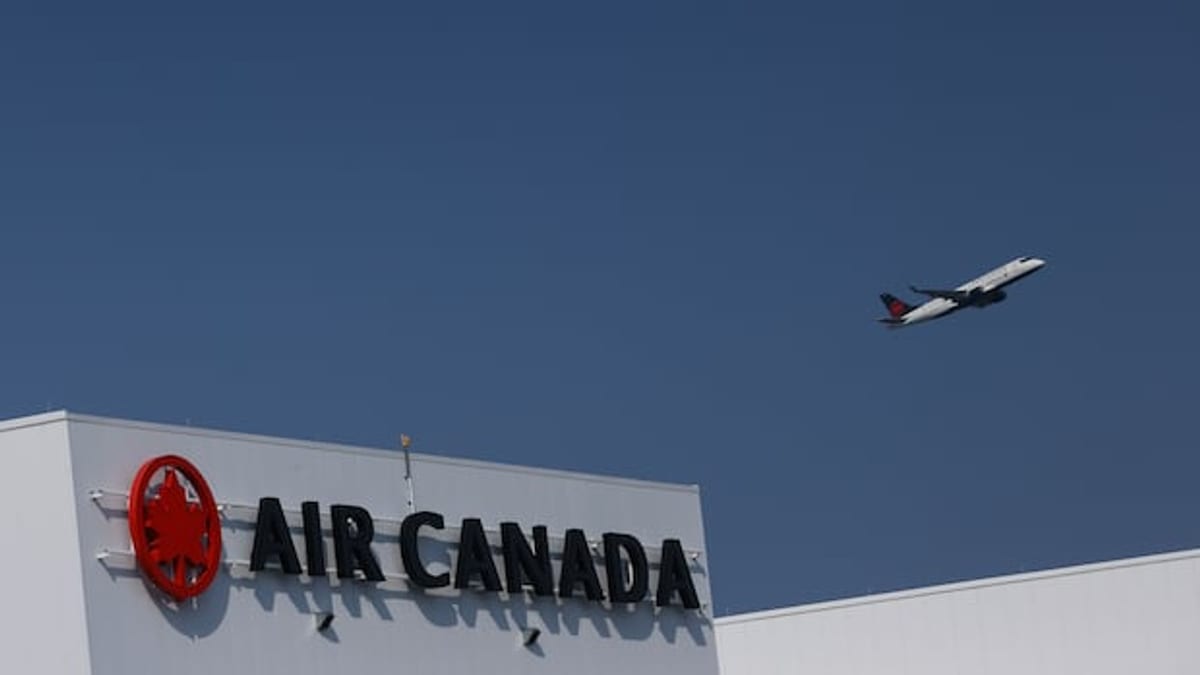
Regulator Seeks Six-Figure Penalty Over Passenger Complaints
Publicly available information indicates that the Canadian Transportation Agency (CTA) has signalled its intent to levy a $426,000 penalty against Air Canada, citing alleged failures to comply with passenger protection rules during a series of 2025 disruptions. The proposed fine, which still must clear procedural steps before becoming final, stems from investigations into individual complaints and the carrier’s broader approach to compensation obligations.
Reports indicate that the case focuses on how Air Canada interpreted and applied Canada’s Air Passenger Protection Regulations (APPR) when flights were delayed or cancelled. Regulators have spent the past several years clearing a large complaints backlog and testing the reach of the APPR, while also preparing a significant overhaul of the regime designed to make compensation more automatic and increase maximum penalties per violation.
The proposed $426,000 penalty is modest in absolute terms for a major network airline, but analysts note that it arrives at a sensitive moment. Air Canada is still working through the financial and reputational impact of 2025’s labour unrest and operational challenges, and the decision could set an important benchmark for how strictly new and existing rules will be enforced.
According to published coverage, the regulator’s notice outlines several instances in which passengers were allegedly denied compensation or rebooking in circumstances considered to be within the airline’s control. Air Canada, for its part, maintains that it has acted consistently with the law and intends to dispute the findings.
Air Canada Signals Plan to Dispute Findings and Fine
Air Canada has indicated through public statements that it will contest the CTA’s conclusions, arguing that the proposed penalty mischaracterizes the nature of certain disruptions and the applicability of compensation rules. The carrier has not detailed every case at issue, but it has emphasized its view that it followed the existing regulatory framework in a period marked by complex operational pressures.
Reports describe the airline as preparing to challenge both the factual basis of specific complaints and the regulator’s interpretation of what counts as within the airline’s control. Questions around mechanical problems, crew availability, and labour actions have become focal points in similar disputes, since they determine whether carriers owe cash compensation, refunds, or only basic assistance such as meals and accommodation.
Industry observers say the appeal process is likely to extend for months, with written submissions, possible hearings, and opportunities for the airline to seek reductions or withdrawal of some alleged violations. Even if the penalty amount ultimately remains unchanged, a formal record of decision could clarify grey areas for the entire sector.
While the airline has signalled its intent to fight the penalty, it continues to process compensation and refund claims under both the current APPR rules and evolving draft regulations. Consumer advocates are watching closely to see whether the dispute leads to tighter guidance on when airlines can deny payments on the basis of labour or operational issues.
2025 Strike and Disruptions Put Passenger Rights in the Spotlight
The enforcement action comes on the heels of a tumultuous 2025 for Air Canada, when a strike by more than 10,000 flight attendants triggered the cancellation of thousands of flights over several days in August. Published reports show that roughly 130,000 passengers a day were affected at the peak of the disruption, with ripple effects continuing well after a tentative deal was reached and flights began to resume.
As operations gradually recovered, many customers reported difficulties obtaining compensation or clear information about their rights. Aviation data firms and passenger advocacy groups estimated that tens of thousands of travellers could be eligible for payments under Canadian rules, European regulations, or both, depending on their itineraries and points of departure.
The surge in claims exposed long-standing tension between consumer expectations and airline interpretations of the law. Carriers often argue that labour disruptions and crew shortages are outside their control or fall under special exemptions, while passengers and advocacy organizations point to instances where the issues appear rooted in planning, staffing, or maintenance decisions.
The 2025 strike also coincided with a broader discussion inside the federal government about how strictly to apply the APPR. Documents released through access-to-information requests show that policymakers debated whether to ease certain obligations related to mechanical issues and labour actions, even as regulators pushed for tougher, more streamlined protections.
Regulatory Overhaul Raises Stakes for Future Cases
The Air Canada penalty proposal is unfolding against a backdrop of significant reform to Canada’s passenger rights framework. Draft amendments to the APPR, published in late 2024 and refined through early 2025, aim to simplify categories of disruptions and increase maximum fines per violation, shifting more of the burden onto carriers to compensate travellers automatically when flights go awry.
Under the new approach, which is expected to take fuller effect over the next few years, airlines would generally be required to pay compensation for delays and cancellations unless they can demonstrate that an event fits into narrow exceptional circumstances such as severe weather or security incidents. At the same time, regulators have sought higher ceilings for administrative penalties, potentially running into hundreds of thousands of dollars for systemic non-compliance.
Analysts say that the Air Canada case could serve as a proving ground for this tougher posture. Even though the disputed events occurred before some rule changes were fully implemented, the reasoning in the regulator’s final decision may influence how future complaints are assessed and how other carriers calibrate their responses to mass disruptions.
For travellers, the dispute highlights the importance of understanding overlapping regimes, including Canadian law, foreign regulations on international routes, and contractual conditions of carriage. As more cases reach formal rulings, patterns in how regulators interpret airlines’ responsibilities are likely to become clearer.
Implications for Travellers and Canada’s Aviation Market
The prospect of a substantial penalty has sparked debate about whether stricter enforcement will translate into better treatment for passengers or higher fares across the board. Some consumer advocates argue that meaningful fines are necessary to change behaviour, especially if they exceed the cost of simply denying or delaying payouts. Others caution that mounting compliance and compensation costs may eventually be passed on to travellers in the form of higher ticket prices or reduced capacity.
For Air Canada, the regulatory pressure arrives alongside other financial headwinds. The carrier has cited labour disruptions and higher operating expenses as factors weighing on its earnings outlook, and has faced heightened scrutiny over service reliability, schedule cuts, and ancillary fees. The additional spotlight from the CTA case adds another dimension to the airline’s efforts to reassure investors and customers alike.
In practical terms, the immediate impact on upcoming travel is likely to be limited, since the dispute concerns past events and does not directly restrict Air Canada’s ability to operate flights. However, the findings could influence how the airline handles future large-scale disruptions, including its thresholds for offering rebooking on other carriers, providing hotel accommodations, or proactively issuing compensation.
Observers across the aviation sector are watching to see whether the regulator’s stance in this case will be replicated with other carriers. If so, Canada’s passenger rights regime could emerge as one of the stricter enforcement environments globally, a development that would reshape risk calculations for airlines planning their schedules and staffing in the Canadian market.